



Period Illustration
Period illustration gathers framed art, paintings, prints and engravings from the eighteenth century to the nineteen-thirties, offering a direct view into past domestic and public life.
Period Illustration
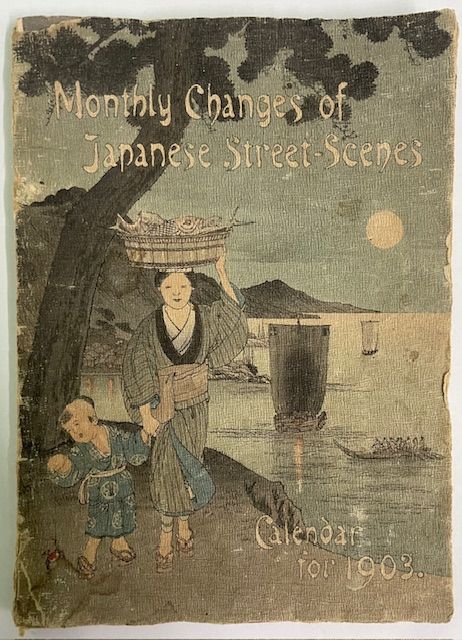
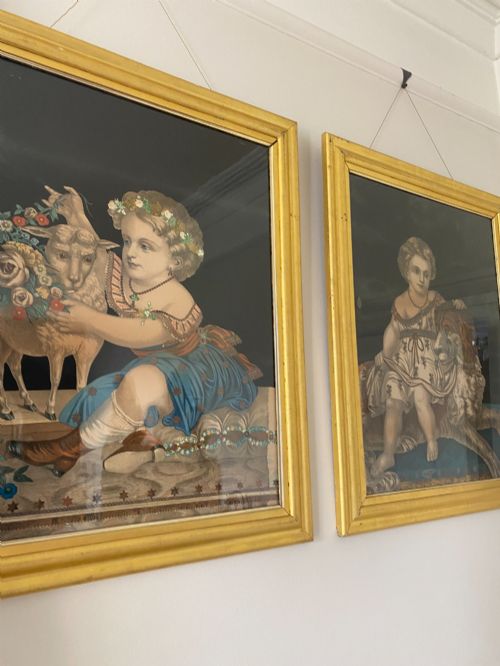
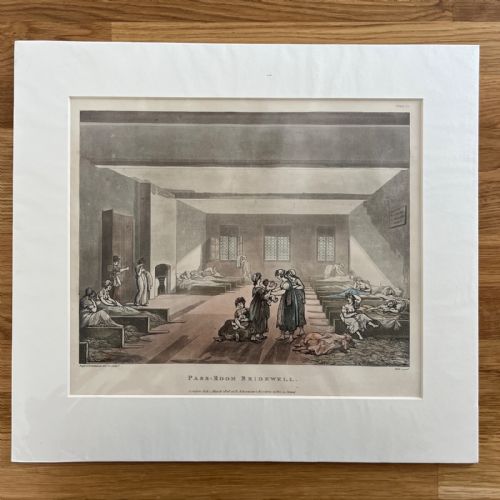
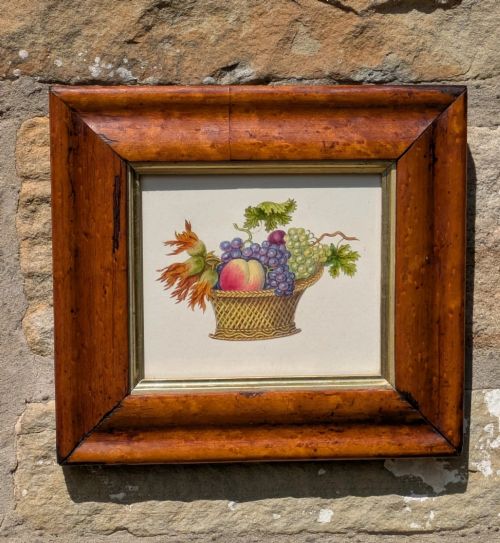
When you search for period illustration, you encounter a varied assemblage of works on paper ranging from eighteenth-century portraits and engravings to nineteen-thirties travel posters and modernist drawings. These pieces function primarily as wall art, capturing human figures, interiors, botanical subjects, and narrative scenes from specific historical eras.
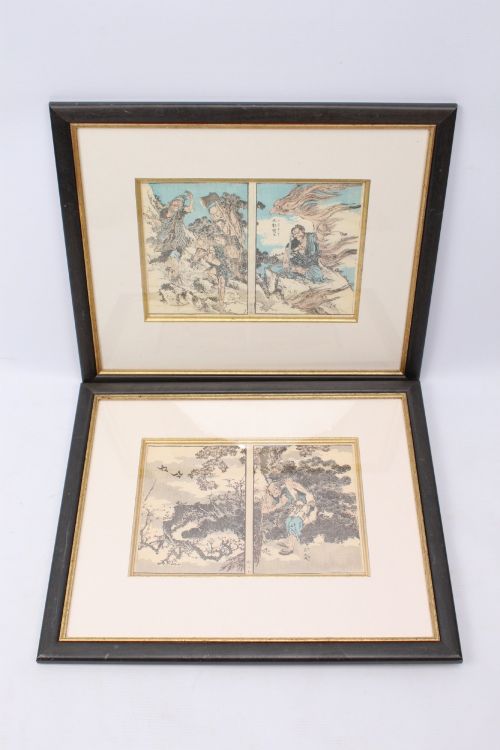
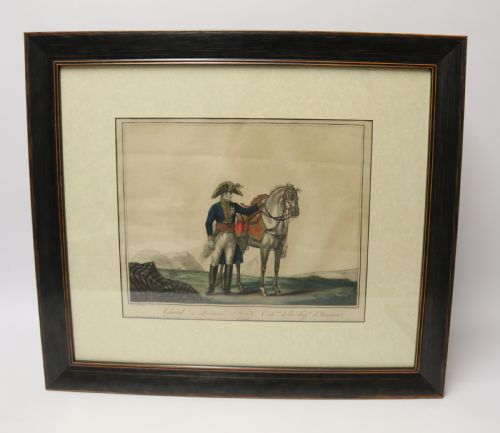
The most common examples on this page include nineteenth-century prints and watercolours, alongside nineteen-thirties art deco illustrations and advertising posters. Styles span Georgian, Regency, Edo Period, Napoleonic, and Modernist movements, reflecting the aesthetic priorities of their respective decades.
Subjects encompass domestic family life, military subjects, colonial scenes, and caricature, each piece preserved behind glass within wood or gilt wood frames. Collectors select these works to anchor a room with genuine historical narrative and graphic character.
Assessing quality
The distinction between standard examples and superior pieces rests upon the precision of the draughtsmanship, the clarity of the printed impression, and the depth of hand-applied colour. Works by named artists or specific publishers command greater attention through their compositional ambition and the historical significance of their subject matter.
Condition of the paper surface and the integrity of the original framing elements influence the overall stature of a piece. Strong provenance, limited edition status, and the survival of uncommon embellishments elevate certain works above standard decorative prints.
Period Illustration Retail Price Guide 2026
Typical asking prices for period illustration among the pieces listed under this phrase on Sellingantiques today, from the lower quarter to the upper quarter. They describe what is for sale here now, not the wider market.
Albert Terry·Henry Bird·Henry William Bunbury·James Basire
The Period Illustration Glossary
- Engraving
- A printmaking process where an artist cuts a design into a metal plate to hold ink. The inked plate transfers the image under pressure to paper.
- Woodblock print
- A relief printing technique involving carved wooden blocks to transfer ink onto paper. This method underpins traditional Japanese works such as those by Hokusai.
- Watercolour
- A painting method using water-soluble pigments applied to paper. It produces transparent layers of colour common in eighteenth and nineteenth-century portraits.
- Gilt wood
- Wood carved and coated with a thin layer of gold leaf or metallic gilt. This finish frequently appears on nineteenth-century picture frames.
- Provenance
- The documented history of ownership of an artwork. Clear records establish authenticity and trace the passage of a piece through time.
Period Illustration: Frequently Asked Questions
What is a period illustration?
A period illustration is a work of art on paper, such as a painting, watercolour, drawing, or print, created during a specific historical era. These works document the tastes, fashions, and visual culture of their time.
They encompass diverse forms, from eighteenth-century engravings and Regency watercolours to nineteen-thirties advertising posters and modernist drawings.
How should I frame these works?
Most of these pieces arrive already framed in wood, gilt wood, or metal frames under glass. Preserving the existing frame maintains the historical integrity of the piece, provided the glass protects the paper from moisture and direct sunlight.
When framing unframed works, utilise conservation-grade materials and UV-protective glazing to prevent the paper from yellowing or degrading over time.
How do I identify the period?
Period identification relies on examining the paper stock, printing or painting technique, framing style, and the subject matter itself. Georgian and Regency works often display distinct clothing styles, typography, and engraving methods compared to nineteen-thirties art deco pieces.
Signatures, dates inscribed on the paper, and subject context further narrow down the exact decade of origin.
Where were these pieces displayed?
Historically, these illustrations appeared in domestic interiors, public exhibitions, books, and promotional materials like travel agency posters. Framed watercolours and prints hung in nineteenth-century sitting rooms alongside furniture and other pictures.
Today, they serve a similar decorative function, bringing historical narrative and graphic interest into modern residential and office spaces.