





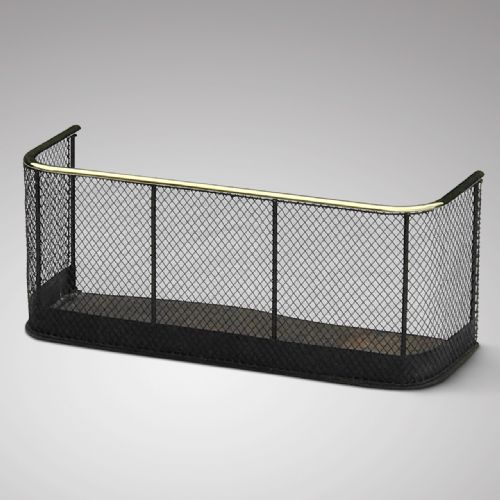


Period Hearth Fender
A period hearth fender protects the floor and grounds the fireplace, bringing the substantial presence of Georgian, Victorian, and Edwardian metalwork directly to your room.
Period Hearth Fender
A period hearth fender sits directly on the floor in front of the fireplace to stop falling embers and hold the hearth space together. When you search for a period hearth fender, you encounter metal frames designed to contain ash and frame the fire.
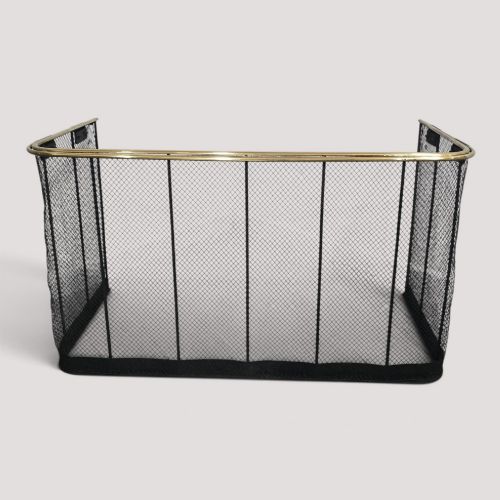
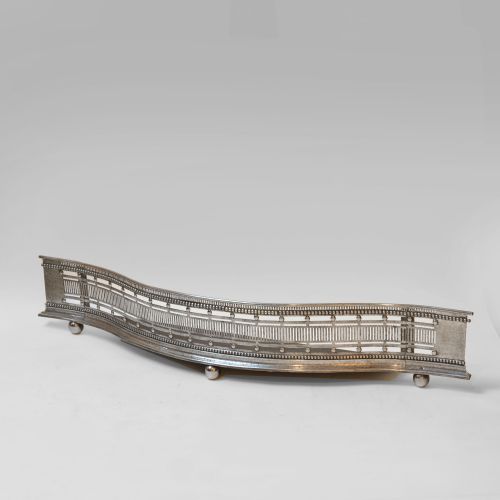
The versions most commonly met on this page span the Georgian, Regency, Victorian, and Edwardian eras. They take forms such as bowfront, serpentine, and straight rails, often combining guards and grates.
Makers shaped these pieces from heavy metals to suit the domestic interiors of their respective centuries. Each piece reflects the functional requirements of coal and wood burning hearths from the seventeenth century style up to nineteen hundred.
Materials and construction
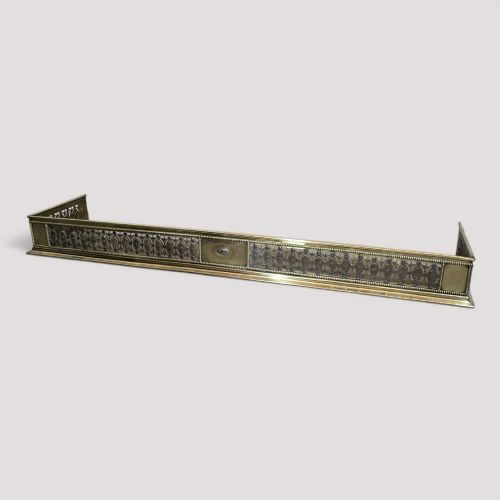
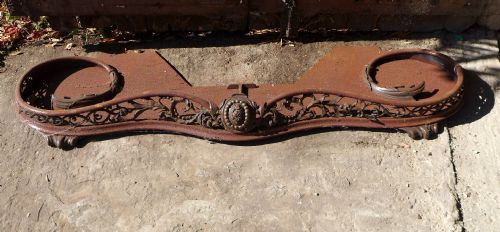
Makers relied heavily on brass, steel, and cast iron to build these structures. Brass appears both polished and scrolled, while steel and iron provide robust foundations for serpentine and bowfront shapes.
Workmanship involves beaten copper, cut steel detailing, and iron wire construction. Pieces from the Arts and Crafts period utilise hand-beaten copper surfaces, whereas earlier Georgian and Regency examples favour crisp cut steel and heavy brass mouldings.
Period Hearth Fender Retail Price Guide 2026
Typical asking prices for period hearth fender among the pieces listed under this phrase on Sellingantiques today, from the lower quarter to the upper quarter. They describe what is for sale here now, not the wider market.
Current listings feature pieces spanning the Georgian, Victorian, Regency, and Edwardian periods, constructed in brass, steel, and cast iron.
Distinctions in quality
The distinction between standard examples and the finest work lies in the weight of the metal and the precision of the assembly. Heavy gauge brass and thick cast iron indicate substantial construction that holds its shape over centuries of heat.
Surface finishing and decorative detailing separate everyday pieces from superior ones. Cut steel applications, intricate brass scrolling, and hand-beaten copper textures reveal the level of care invested by the original maker.
The Period Hearth Fender Glossary
- Serpentine
- A gentle undulating curve shape often seen on Georgian steel fenders. This contour requires precise metal shaping.
- Bowfront
- A curved forward projection that shapes the front rail of the fender. It softens the hard lines of the hearth.
- Cut steel
- Small faceted steel studs riveted to a backing plate to catch the firelight. This technique demands meticulous hand-polishing.
- Fireguard
- An upright mesh or wire screen attached to or combined with the fender. It provides a barrier against flying sparks.
Period Hearth Fender: Frequently Asked Questions
What is a period hearth fender used for?
A period hearth fender acts as a physical barrier between the open fire and the room's flooring. It catches stray embers and defines the hearth perimeter.
Historically, these pieces also held fire irons or kept stray skirts away from the flames. Today they serve an aesthetic purpose by anchoring the fireplace ensemble.
How do I measure for a fender?
Measure the width and depth of your existing hearth space with a metal tape. Allow a small clearance so the metal does not butt tightly against uneven masonry.
Take note of the projection from the wall into the room. The fender needs to sit squarely on flat flooring without rocking.
How do I tell Georgian from Victorian styles?
Georgian and Regency pieces often feature restrained lines, cut steel details, and elegant serpentine or bowfront shapes. They prioritise classical proportions and refined brasswork.
Victorian examples tend to be heavier and more robust, frequently utilising cast iron or substantial brass mouldings. They reflect the industrial capabilities and decorative tastes of the later nineteenth century.
Can I clean antique brass and steel?
Dust the metal regularly with a soft dry cloth to prevent grime accumulation. Avoid harsh chemical dips that strip away the natural historic patina.
For stubborn tarnish on brass, use a mild proprietary metal polish applied sparingly. Steel components benefit from a very light coating of oil to deter surface rust.