





Period Hall Seat
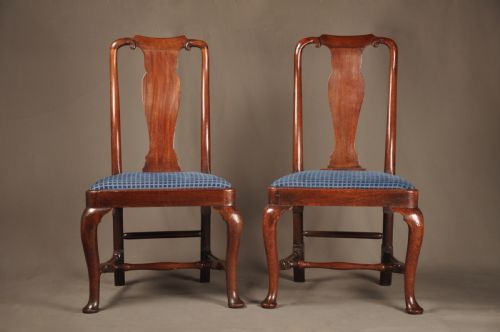
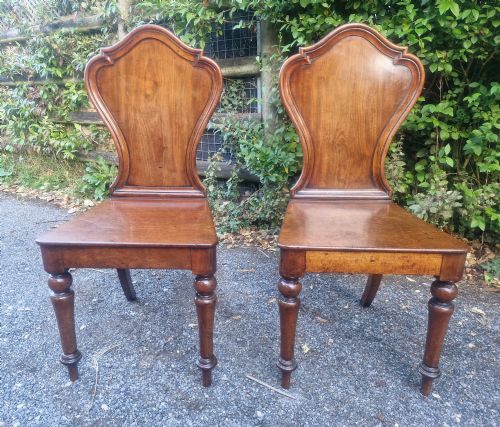
A period hall seat greets visitors at the threshold, offering a firm perch in mahogany, oak, or walnut for the entranceway.
Period Hall Seat
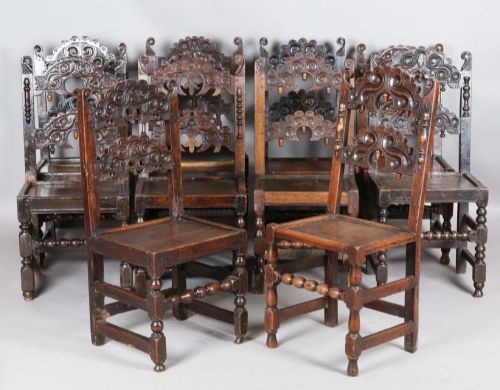
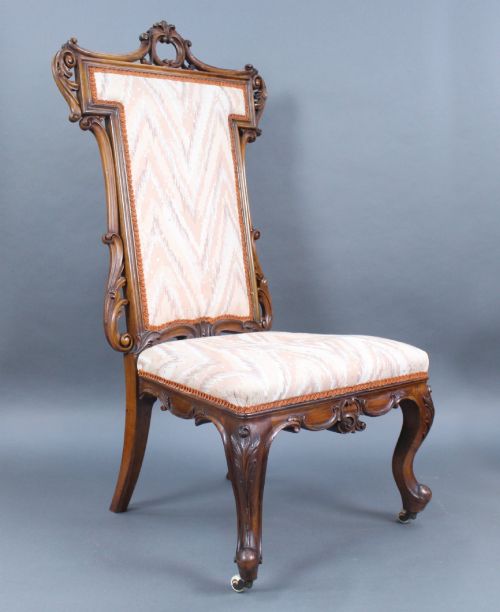
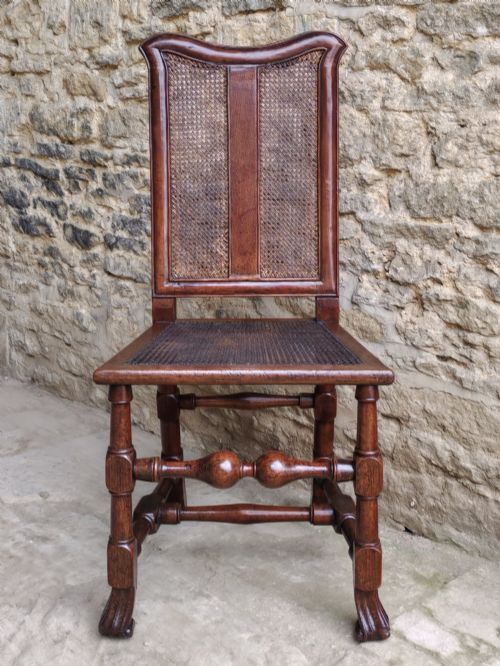
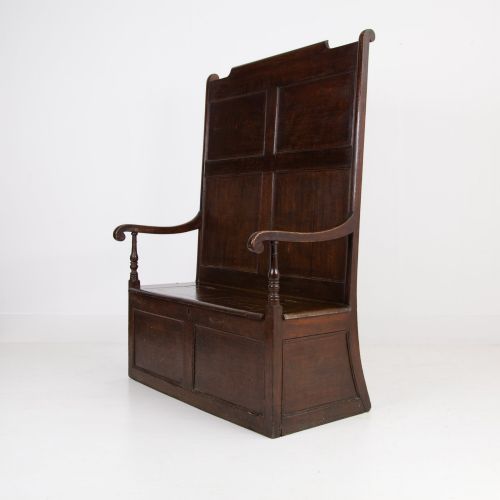
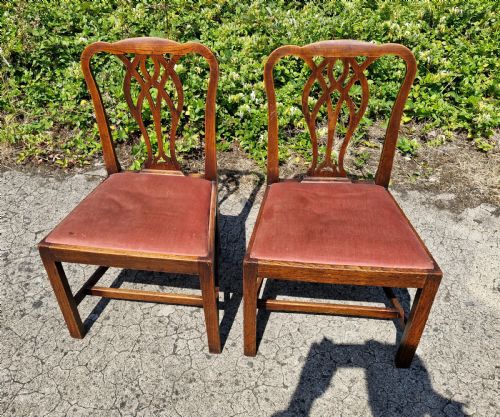
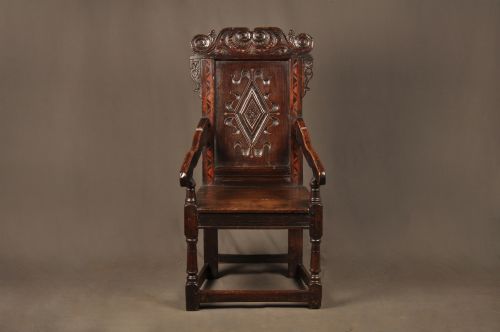
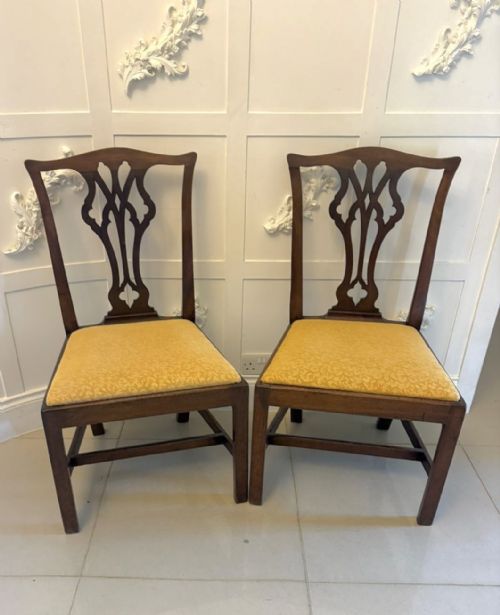
The selection ranges from early oak wainscot pieces of the seventeenth century through to elegant Regency mahogany designs and later Victorian interpretations. Side chairs and benches in elm, fruitwood, and walnut frequently appear alongside larger settles featuring high backs and box bases.
Buyers seeking a period hall seat encounter diverse regional English and Scottish interpretations, spanning simple country house forms to refined Georgian and Regency examples with painted or brass-inlaid details.
Materials and Construction
Cabinetmakers utilised dense native timbers such as oak, mahogany, walnut, elm, and fruitwood to build frames capable of withstanding daily hallway traffic. Joinery methods relied on traditional pegged mortise and tenon joints, particularly in seventeenth-century oak pieces and box settles.
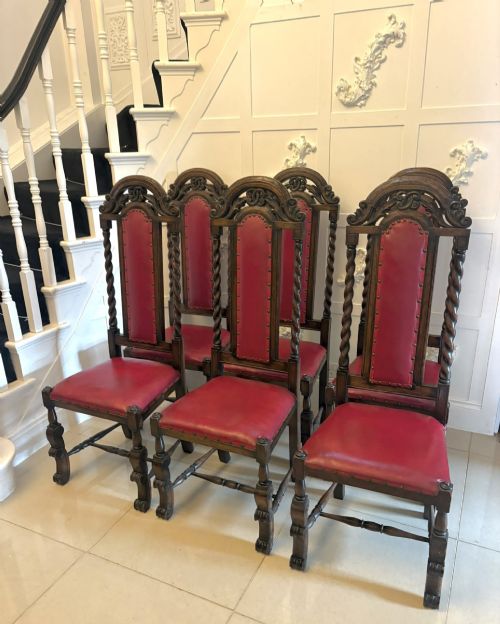
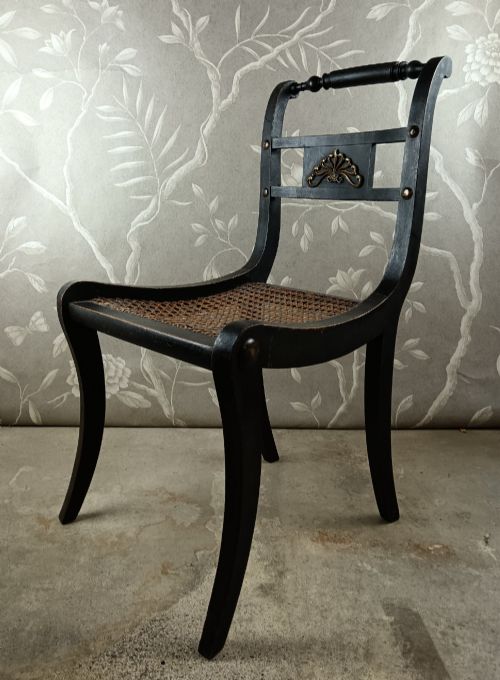
Surface detailing incorporated turned barley twist supports, carved central splats, and applied brass inlay, while specific seats utilised woven cane or textile upholstery. Selected Regency forms featured ebonised finishes and painted bamboo effects to emulate exotic woods.
Makers shaped solid timber boards for seats and backs, employing hand-carved motifs, raised panels, and needlepoint or fabric insertions to elevate the decorative presence of the entrance furniture.
Period Hall Seat Retail Price Guide 2026
Typical asking prices for period hall seat among the pieces listed under this phrase on Sellingantiques today, from the lower quarter to the upper quarter. They describe what is for sale here now, not the wider market.
Early seventeenth-century sitters enjoyed sturdy oak settles built specifically to block cold hallway draughts before central heating existed.
Assessing Quality
The distinction between ordinary and exceptional examples rests upon the crispness of the original timber carving, the integrity of the structural joinery, and the retention of untouched surfaces. Superior pieces display harmonious proportions and timber selection with rich, natural patination developed over centuries of use.
Minor losses or alterations to secondary elements like feet or stretchers influence the desirability of early oak and walnut items. Conversely, surviving original components, such as cane seat panels or brass inlays on Regency designs, mark out the finest specimens in the category.
Charles Tozer
The Period Hall Seat Glossary
- Settle
- A wooden bench featuring a high back to block draughts, solid arms, and often a hinged seat concealing a storage box beneath. This form dates back centuries and served communal areas near hearths and entrances.
- Splat
- The vertical wooden strip down the centre of a chair back, connecting the crest rail to the seat. Carved or pierced splats frequently define the stylistic period of mahogany and walnut chairs.
- Wainscot
- An early term describing panelled wooden construction utilised in seventeenth-century chairs and benches. These heavy oak items display rigorous joinery and panelled backs.
- Trafalgar
- A style of Regency seating characterised by sabre legs and often incorporating military-inspired brass details or painted finishes. These pieces gained popularity during the early nineteenth century following naval victories.
- Barley twist
- A type of turned furniture leg or stretcher resembling a spiral rope. This decorative turning technique appears prominently on seventeenth-century and later revival oak seating.
Period Hall Seat: Frequently Asked Questions
Where should a hall seat be placed?
These pieces suit entrance halls, corridors, and large landings where visitors pause to remove outerwear. Their compact footprints allow them to stand against narrow walls without obstructing pathways.
Positioning a wooden bench or side chair near the front door creates an authentic period arrangement while offering practical seating for daily routines.
How do I care for antique wood?
Maintain wooden surfaces by dusting regularly with a soft, dry cloth and avoiding placement near direct heat sources or strong sunlight. These precautions prevent the timber from drying out or splitting.
Apply traditional beeswax periodically to nourish the grain and preserve the natural patination built up over generations of use.
Can these chairs be used daily?
Solid construction in dense hardwoods like oak and mahogany ensures these items remain structurally sound for regular sitting. Checking joints periodically guarantees the framework stays secure under everyday weight.
Lighter Regency and Victorian forms require gentle handling, particularly examples with delicate cane seats or painted finishes.