


Period Gold Frames
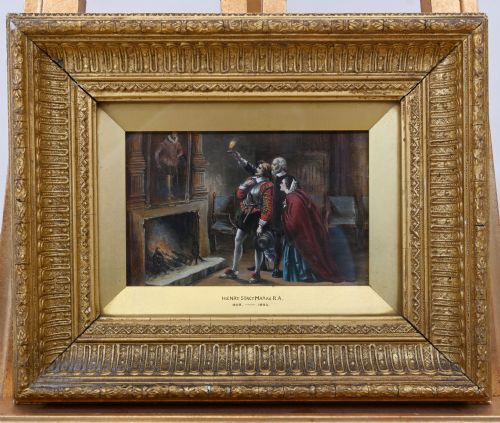
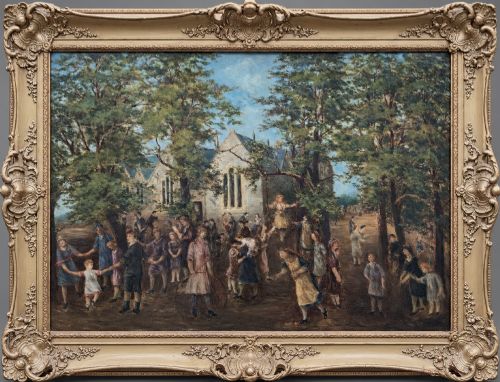
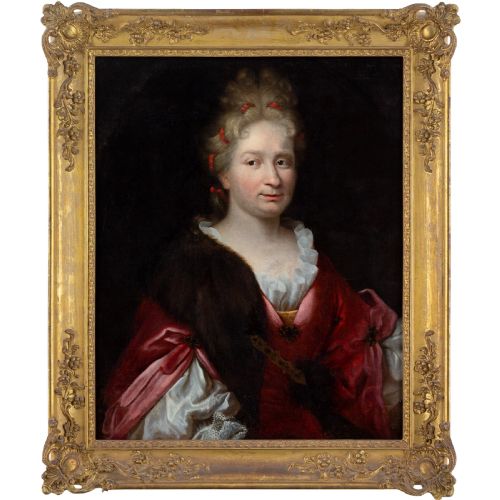
Period gold frames encompass historic giltwood and gesso surrounds that elevate antique oil paintings, mirrors and prints with genuine warmth.
Period Gold Frames
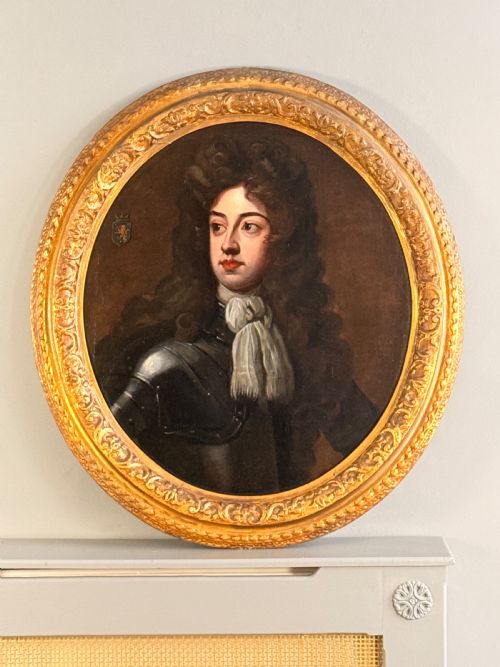
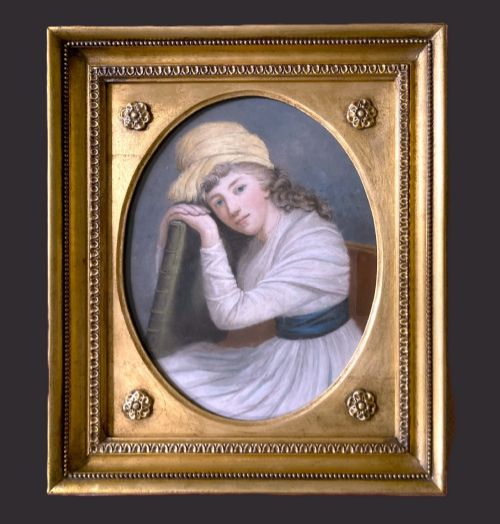
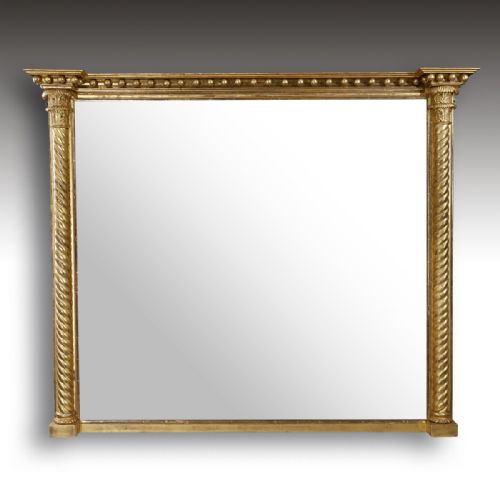
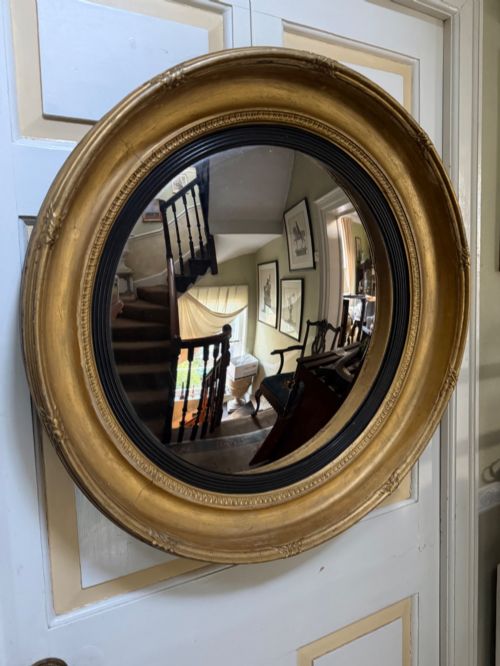
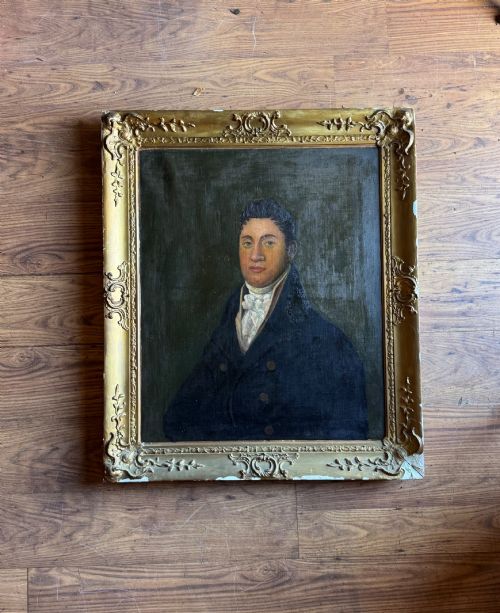
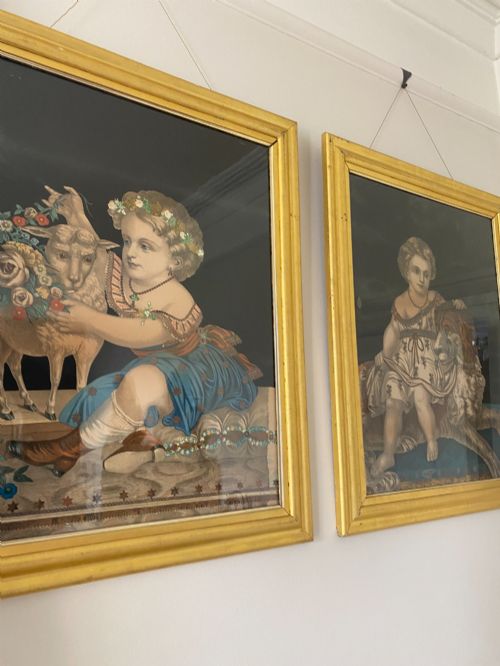
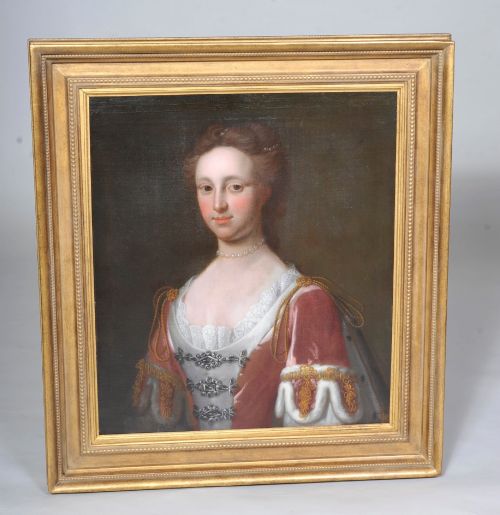
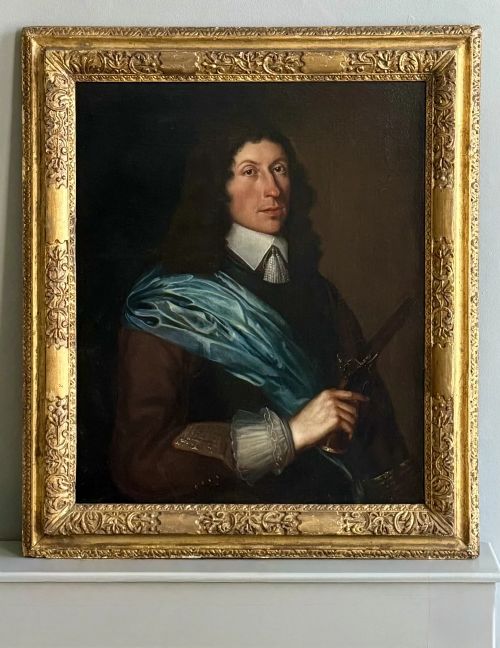
Period gold frames enclose centuries of portraiture and wall mirrors across Georgian, Regency and Victorian eras. These protective borders frame oil on canvas works, prints and overmantle mirrors with distinct historical presence.
Most examples originate from the seventeenth, eighteenth and nineteenth centuries, spanning Baroque and Neoclassical styles. They house everything from grand aristocratic portraits to domestic watercolours and carved wall mirrors.
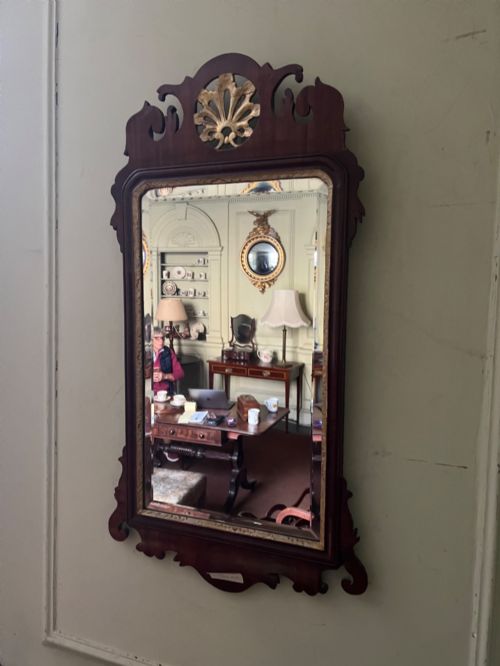
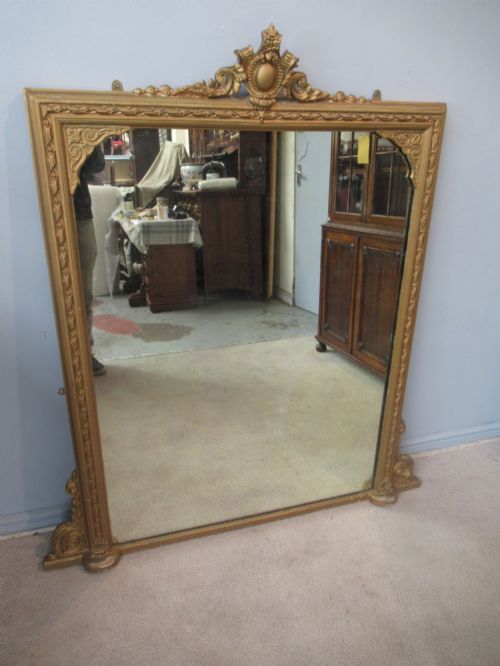
The selection ranges from restrained mahogany fretwork mirrors to elaborate French Louis Philippe and Victorian overmantle designs. Buyers encounter both standalone frames and complete works of art preserved together.
Construction and Materials
Makers constructed these frames using solid timber bases, primarily carved wood and mahogany, prepared for decoration. Artisans applied layers of gesso, a fine plaster mixture, to smooth the wood and build up relief ornamentation.
Gilders then applied thin sheets of gold leaf over the prepared gesso surface, sometimes burnishing sections to a high polish. This traditional technique created a luminous finish that catches natural room light.
Period Gold Frames Retail Price Guide 2026
Typical asking prices for period gold frames among the pieces listed under this phrase on Sellingantiques today, from the lower quarter to the upper quarter. They describe what is for sale here now, not the wider market.
Current listings feature seventeenth, eighteenth and nineteenth-century pieces alongside Edwardian works, constructed from giltwood, gesso and oil on canvas.
Judging Quality
Quality rests upon the depth and crispness of the hand-carved wooden ornament and the finesse of the underlying gesso moulding. Superior examples display sharp relief work rather than soft, mass-produced composition ornament.
The integrity of the original gilding surface dictates the character of the piece, with genuine gold leaf ageing gracefully over centuries. The harmony between the artwork or mirror glass and its original period housing also determines overall distinction.
Thomas Hudson·Sir Peter Lely·John Greenhill·John Hayls·Joseph Clover·Carlo Ferranti·Alfred Lyndon Grace
The Period Gold Frames Glossary
- Giltwood
- Wood that has been coated with gold leaf or gold paint. This technique defined elite European furniture and framing traditions for centuries.
- Gesso
- A mixture of plaster of Paris, chalk and size used as a base for gilding on wood. Artisans carved intricate details directly into this layered compound.
- Overmantle Mirror
- A large mirror designed to hang specifically above a fireplace mantelpiece. These pieces frequently feature substantial gilt frames with classical architectural motifs.
- Foxed Glass
- Mirror glass displaying dark spots and age-related oxidation caused by the degradation of the backing material. Collectors value this patination as proof of great age.
- Fretwork
- Thin wood panels cut with decorative pierced designs using a fretsaw. Georgian makers utilised this technique for light, geometric mirror frames.
Period Gold Frames: Frequently Asked Questions
Should I clean the gold leaf on my frame?
Dust period gold frames gently using a very soft, dry brush or feather duster. Avoid all commercial cleaning agents, water and abrasive cloths, which strip delicate gold leaf.
Original gilding is fragile and easily damaged by moisture. Professional conservators should handle any significant cleaning or flaking stabilization.
How can I tell if a frame is genuinely old?
Examine the construction corners, backing boards and the material composition beneath the surface. Period frames often display hand-cut mitre joints, aged timber shrinkage and traditional gesso layers rather than modern synthetic resins.
The gold leaf should show natural wear, fine craquelure and subtle patina consistent with centuries of exposure to ambient light and air.
Can I separate a painting from its original frame?
Separating a historical artwork from its period frame diminishes the historical context of the piece. Many frames were custom-built to complement specific canvases during the seventeenth and eighteenth centuries.
Keep them united whenever possible to preserve both the aesthetic balance and the historical integrity of the object.