


Period Glazed Cabinet
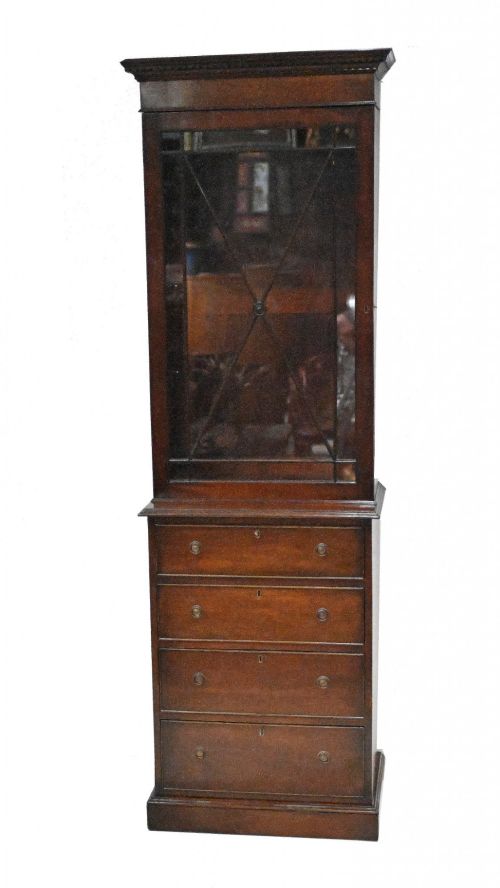
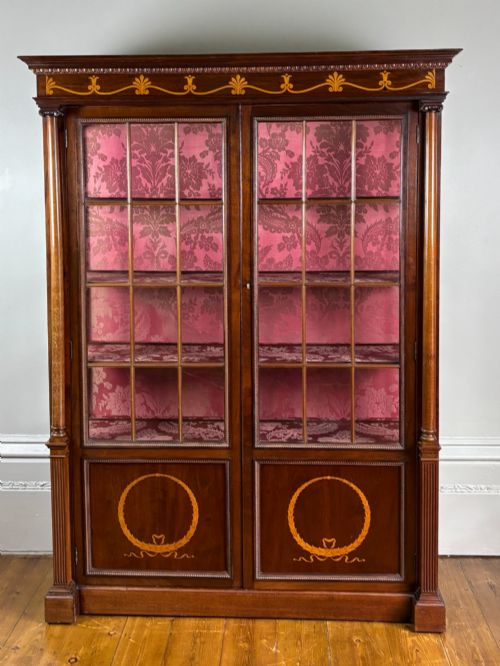
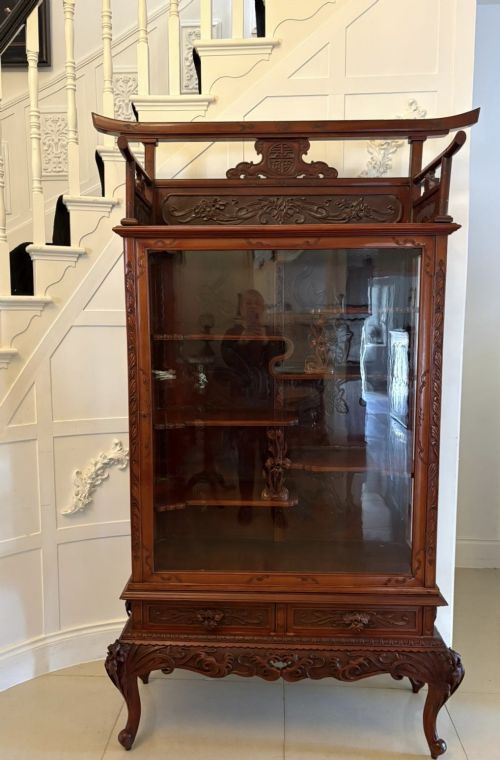
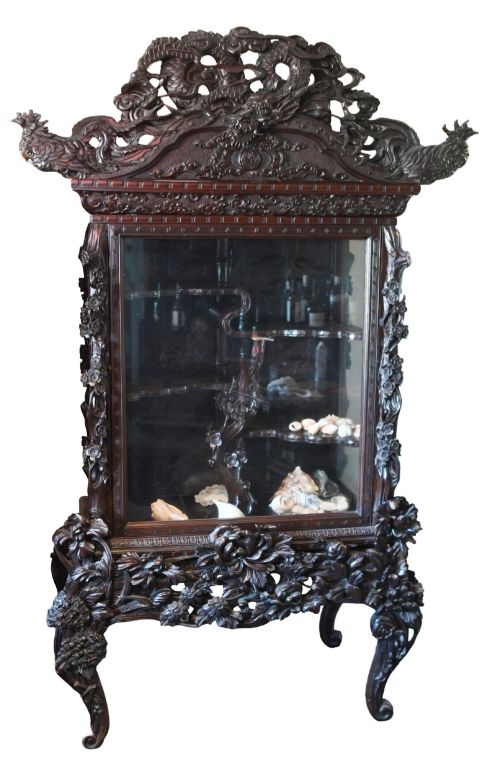
A period glazed cabinet brings together timber and glass to display and store contents with elegance.
Period Glazed Cabinet
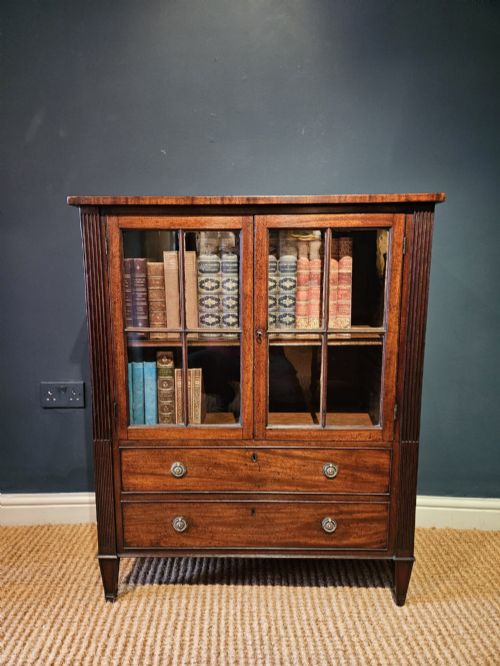
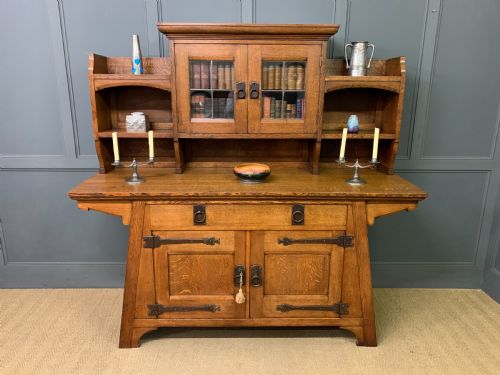
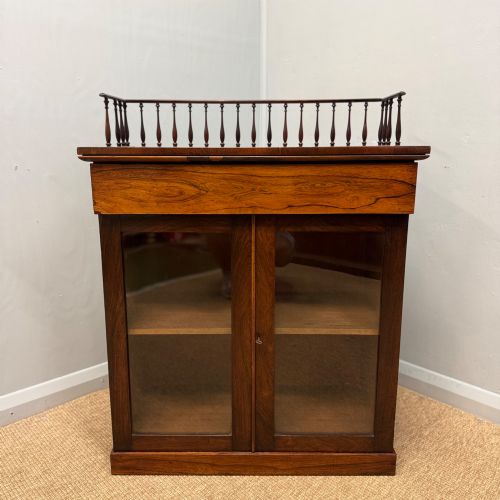
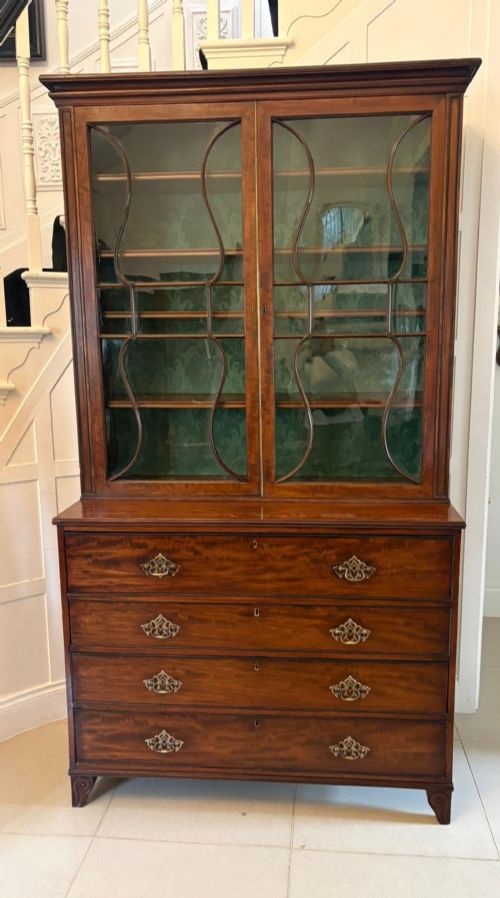
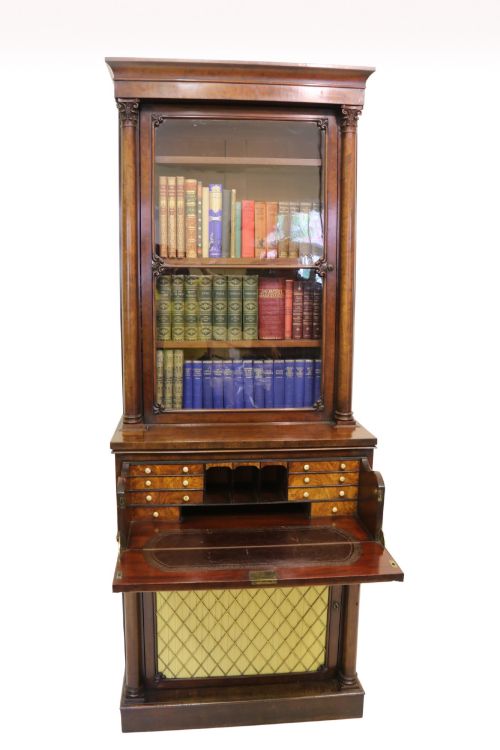
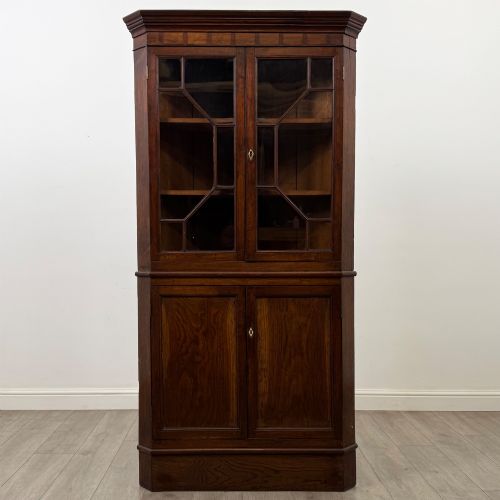
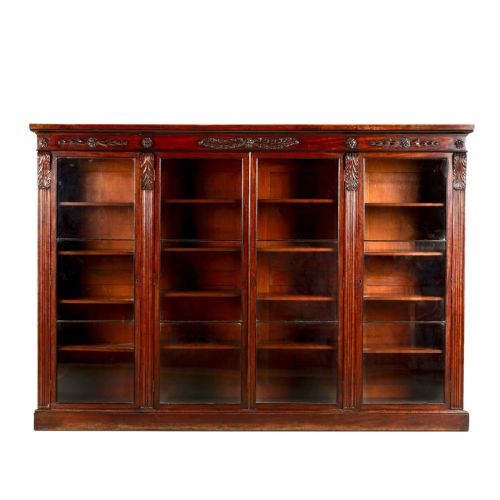
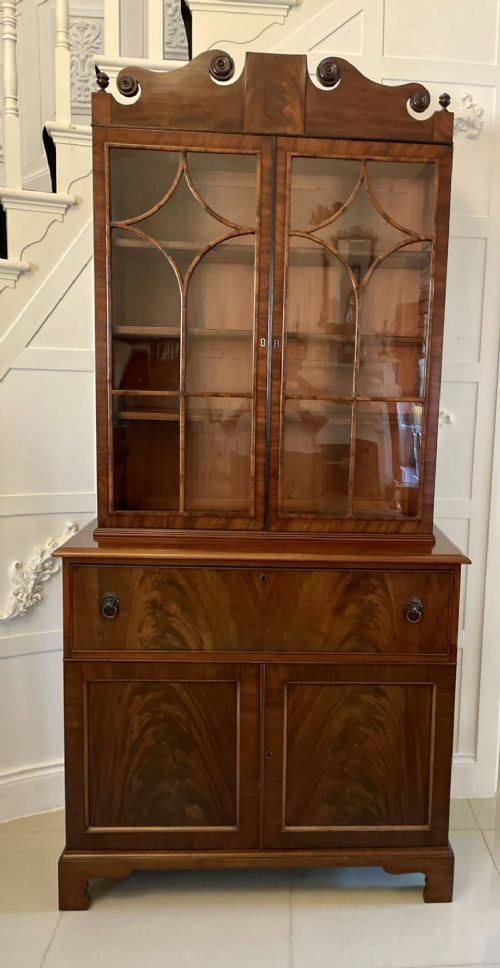
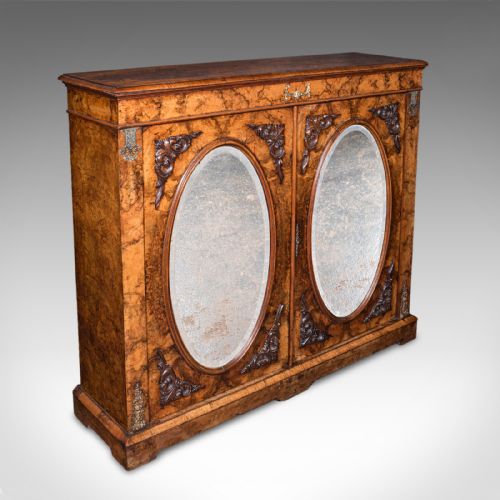
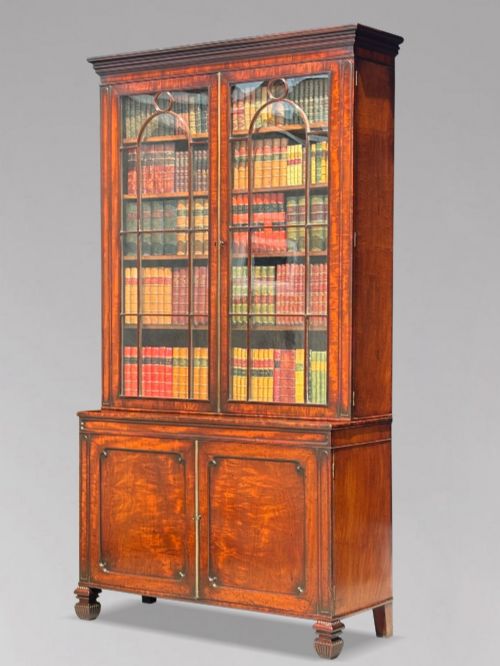
A period glazed cabinet serves as a storage and display piece, frequently found in forms such as bookcases, corner cabinets, side cabinets, and secretaire bookcases. These pieces emerge from periods including the Georgian, Regency, and Victorian eras, alongside specific nineteenth-century dates.
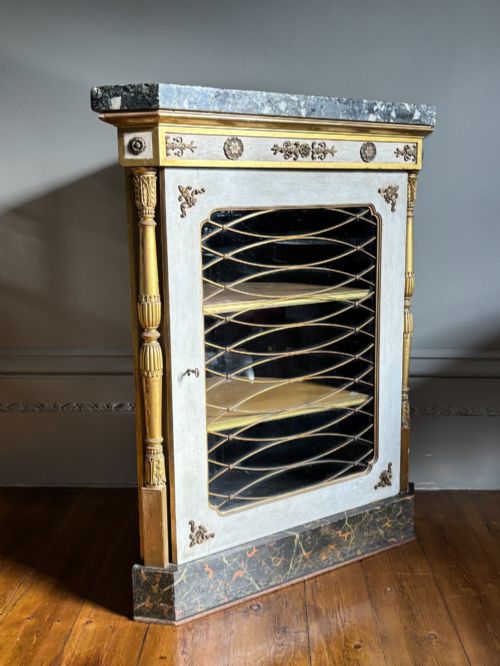
Makers and workshops construct these items from timbers like mahogany, rosewood, oak, satinwood, and walnut, fitted with glass doors and sometimes brass or ormolu mounts. The layout often incorporates display shelving above enclosed cupboards or pull-out writing drawers.
How they were made
Cabinet makers utilised dense hardwoods such as mahogany and rosewood, alongside oak and satinwood for interiors and secondary framing. Surfaces frequently display figured grain patterns, veneer work, and occasional inlay or red lacquer.
Glazing bars divide the glass panels into geometric or gothic shapes, while metalwork mounts in brass or ormolu add structural and decorative accents to the timber housing.
Period Glazed Cabinet Retail Price Guide 2026
Typical asking prices for period glazed cabinet among the pieces listed under this phrase on Sellingantiques today, from the lower quarter to the upper quarter. They describe what is for sale here now, not the wider market.
One miniature vase arrived bearing a detailed family scene painted in Kyoto during the Meiji period.
What varies in quality
The selection of timber grain, such as flame mahogany or figured rosewood, dictates visual depth across the exterior surfaces. Finer examples display meticulous matching of wood veneers and precise joinery in the internal fittings and secretaire drawers.
The complexity of the glass framing and the quality of the bronze or brass mounts separate standard items from high-grade commissions. Proportions and the integration of specialised writing compartments also determine the standing of each piece.
Gillows of Lancaster·Chosei
The Period Glazed Cabinet Glossary
- Secretaire bookcase
- A tall cabinet incorporating a pull-out drawer with a fitted writing desk interior behind a fall-front or drawer front. This format combines library storage with a concealed writing surface.
- Breakfront
- A cabinet design where the central section projects forward from the flanking outer wings. This configuration adds architectural depth to large bookcases and side cabinets.
- Glazing bar
- A narrow strip of wood used to hold individual panes of glass within a sash door. These bars form the distinctive lattice patterns seen on period cabinet doors.
- Ormolu
- Gilded bronze used for decorative mounts and furniture trim. Makers applied these metal ornaments to enhance the formal appearance of side cabinets and credenzas.
- Credenza
- A low cabinet, often associated with Victorian reception rooms and side storage. These pieces frequently feature glass doors, inlaid marquetry, and metal mounts.
Period Glazed Cabinet: Frequently Asked Questions
What is a secretaire bookcase?
A secretaire bookcase combines a bookshelf with a built-in writing desk. The central drawer pulls down to reveal small compartments and pigeonholes for correspondence.
These pieces served as practical furniture for studies and reception rooms in Georgian and Regency homes.
How do I identify a Regency cabinet?
Regency cabinets often feature dark hardwoods like mahogany or rosewood, sometimes accented with brass inlay or gilt mounts. The designs draw inspiration from classical Greek and Roman architecture.
Such pieces date roughly from the early nineteenth century and prioritise clean structural lines.
Where were corner cabinets placed?
Corner cabinets fitted directly into room junctions to utilise otherwise empty angles for storage and display. Georgian homes used them to hold china and glassware.
Their triangular footprint allowed them to sit flush against two intersecting walls.
What timbers are most common?
Mahogany appears most frequently across eighteenth and nineteenth-century pieces, valued for its durability and rich grain. Rosewood, oak, and satinwood also feature prominently in various regional workshops.
Secondary woods like pine or oak were typically used for interior linings and backboards.