




Period Glass Lighting
Period glass lighting brings together chandeliers, lanterns and oil lamps shaped by Victorian, Edwardian and Art Deco hands to illuminate rooms with genuine historical warmth.
Period Glass Lighting
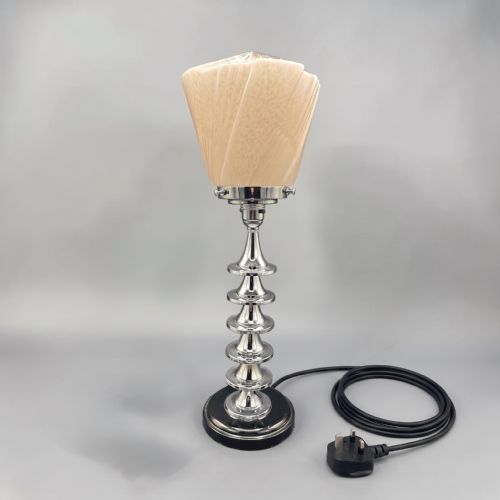
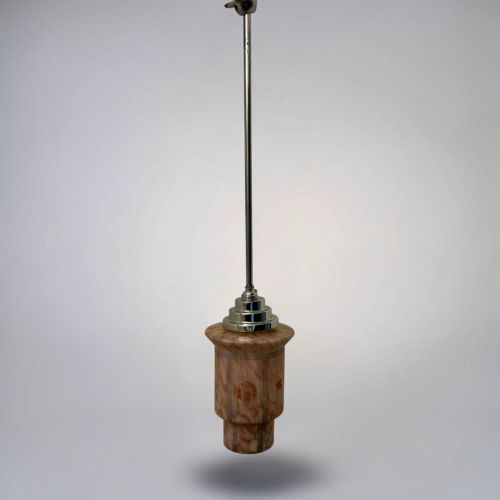
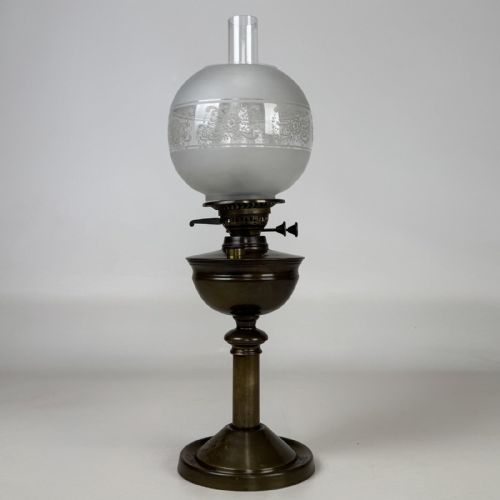
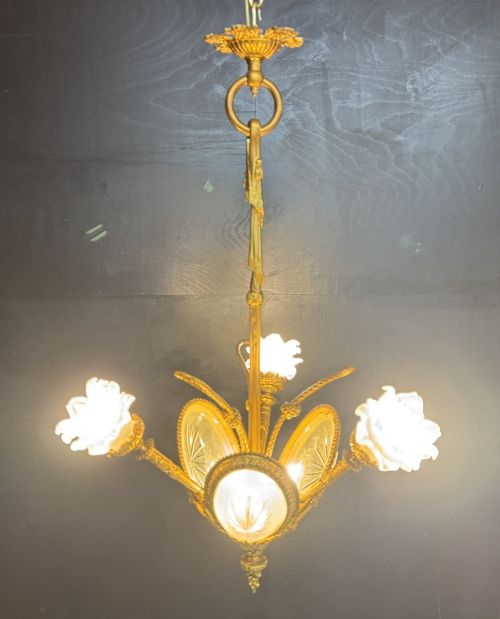
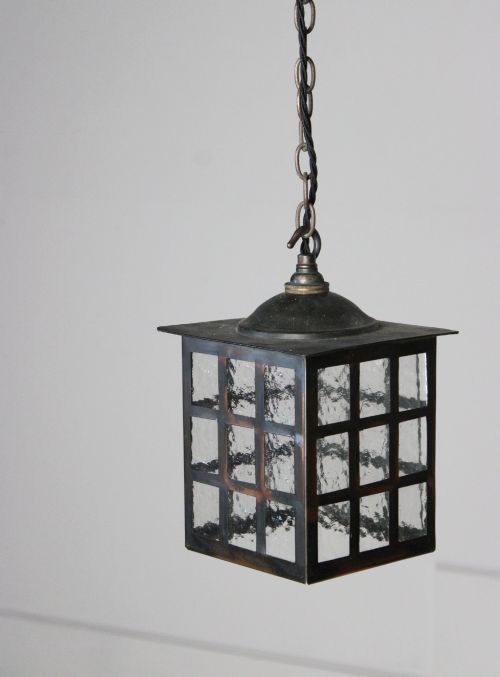
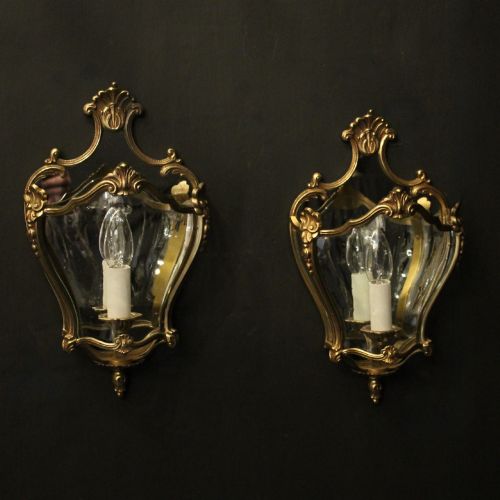
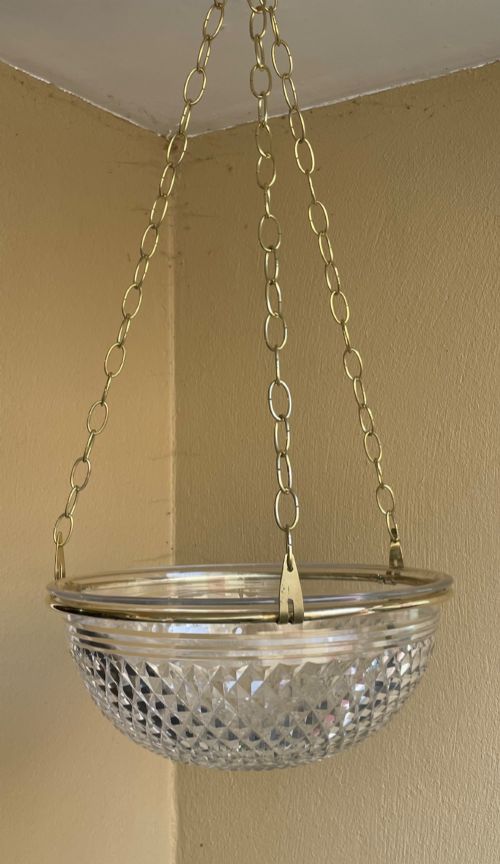
Period glass lighting encompasses chandeliers, ceiling lights, wall sconces and oil lamps spanning the nineteenth and twentieth centuries. These fixtures combine glass shades or crystal drops with structural mounts made from brass, copper, bronze and iron.
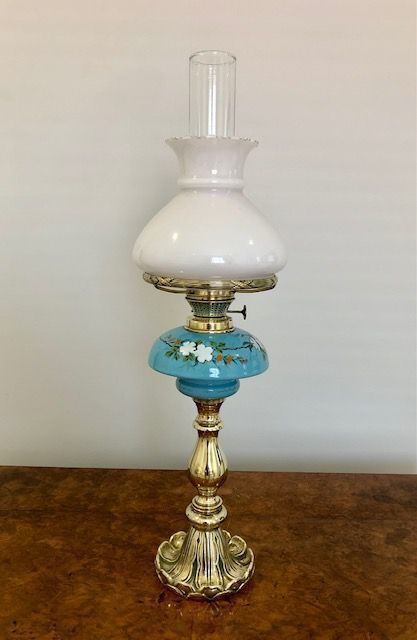
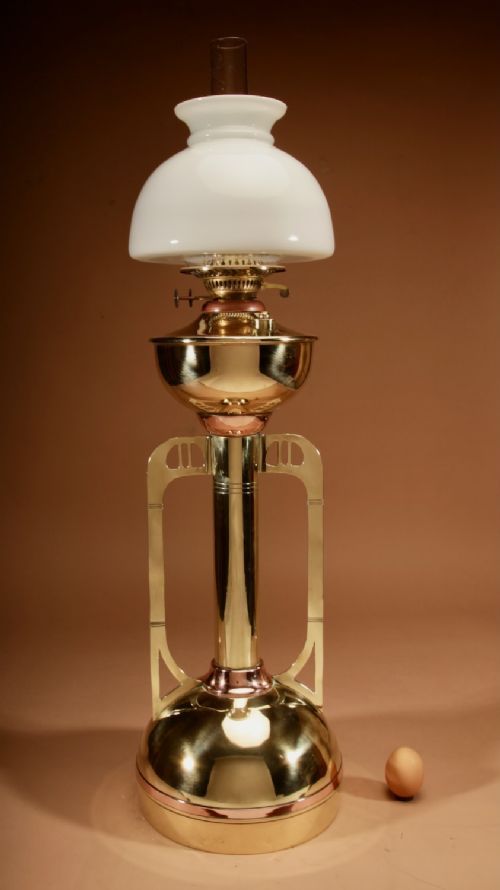
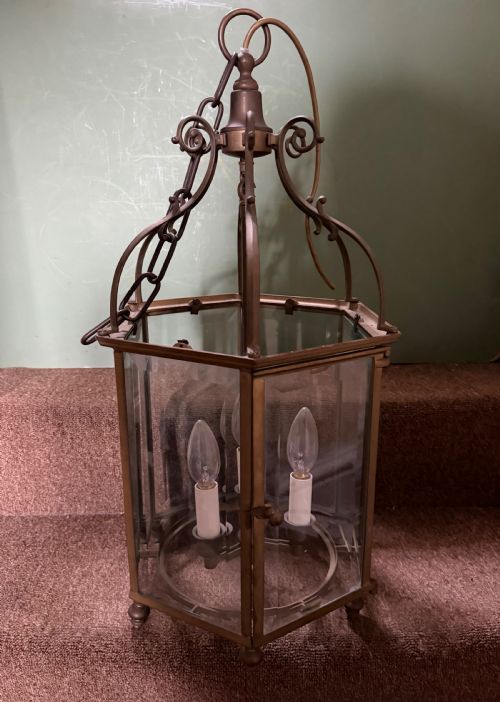
Victorian and Edwardian examples dominate the selection, often taking the form of brass oil lamps with frosted glass or cut crystal ceiling lights. French chandeliers and various styles of hanging lanterns also appear frequently across the inventory.
Buyers encounter diverse stylistic influences ranging from Art Nouveau and Art Deco to Regency and Gothic Revival. Each piece reflects the interior illumination needs of its original era, from domestic table lamps to grand hall lanterns.
Materials and construction
Makers shaped glass through cutting, moulding and frosting to create bowls, shades and crystal lustres that diffused light effectively. Clear and cut glass paired with silver-plated or gilded bronze elements to maximise reflection in formal rooms.
Metalworking formed the structural backbone of these fixtures, utilising cast brass, beaten copper, iron and ormolu. Artisans joined these components into complex frames for chandeliers, heavy wall brackets and weatherproof lanterns.
Period Glass Lighting Retail Price Guide 2026
Typical asking prices for period glass lighting among the pieces listed under this phrase on Sellingantiques today, from the lower quarter to the upper quarter. They describe what is for sale here now, not the wider market.
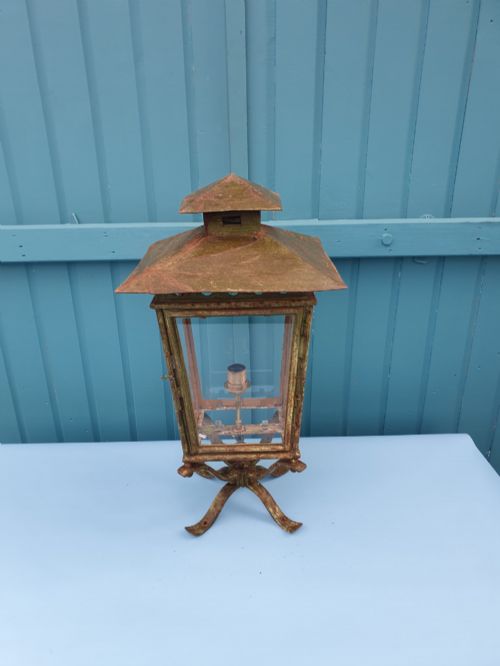
Several lanterns on display began their working lives lighting nineteenth-century gas streets before finding new homes indoors.
Assessing quality
Quality rests upon the depth of the glass cutting and the purity of the metal casting. Crisp hand-cut facets on crystal lustres and substantial gauge brass or bronze separate finer examples from standard production pieces.
Proportion and the integrity of the original mounts dictate the overall success of a fixture. Pieces that retain matching components and sophisticated decorative bronze work command greater regard among collectors.
Gustave Serrurier Bovy·F and C Osler
The Period Glass Lighting Glossary
- Chandelier
- A branched hanging light fixture designed to hold multiple candles or bulbs. These suspended fittings often incorporate crystal drops and metal frames.
- Lustre
- A decorative table ornament hung with cut glass prisms designed to reflect candlelight. They operate on a similar decorative principle to chandelier drops.
- Ormolu
- Finely ground high-carat gold applied to a bronze base metal. This technique imparts a rich golden finish to decorative mounts.
- Frosted glass
- Glass treated to impart a cloudy or opaque surface texture. It softens bulb glare in Victorian and Edwardian lamps.
Period Glass Lighting: Frequently Asked Questions
How do I clean period glass shades?
Remove delicate glass components carefully and wash them in lukewarm water using mild soap. Avoid harsh chemical cleaners that can damage antique patination on adjacent metal fittings.
Dry each piece thoroughly with a lint-free cloth before reassembly to prevent water spotting on cut crystal or frosted surfaces.
How do I date a glass chandelier?
Examine the mounting hardware, screw threads and glass cutting techniques for clues to the era of manufacture. Hand-cut crystal and heavy cast bronze mounts usually indicate nineteenth-century production.
Compare the overall decorative style, such as Art Deco geometric lines or Victorian floral motifs, against known period design patterns.
Where should I hang a hall lantern?
Large copper and brass lanterns suit high-ceilinged entrance halls or vestibules where their proportions can be appreciated. Ensure adequate ceiling clearance for hanging chain lengths.
Consider the weight of bronze and glass frames when selecting structural fixing points in older properties.