


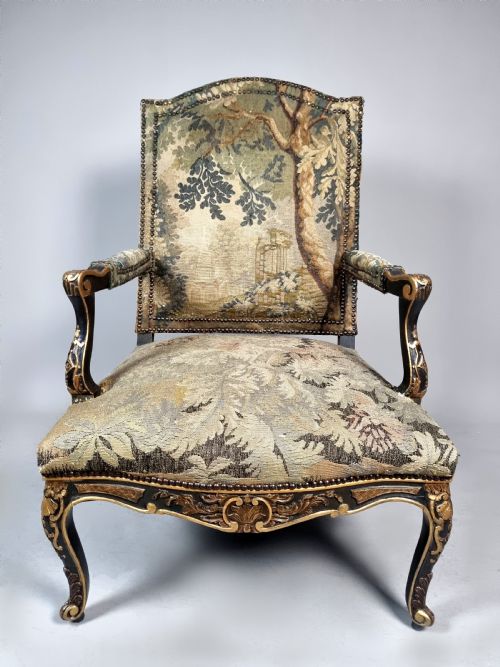


Period Gilt Chair
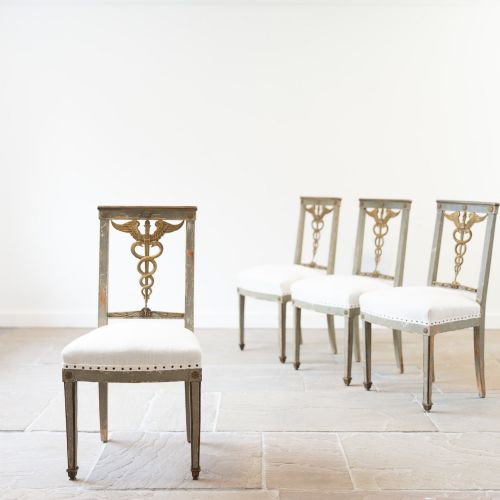
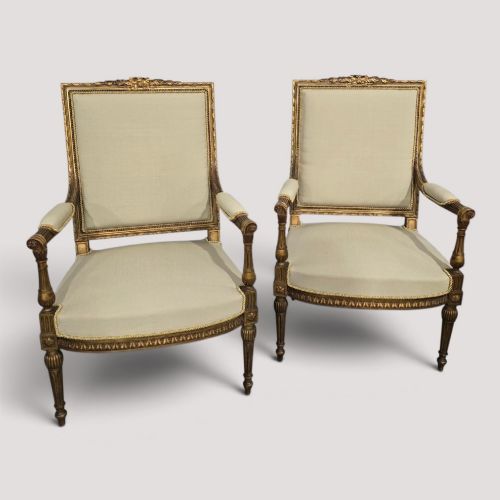
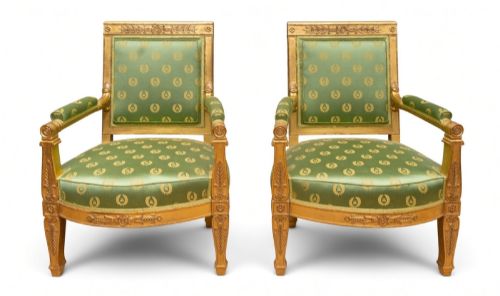
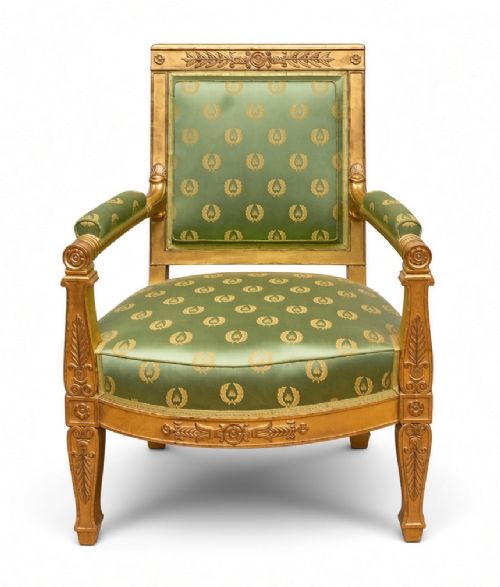
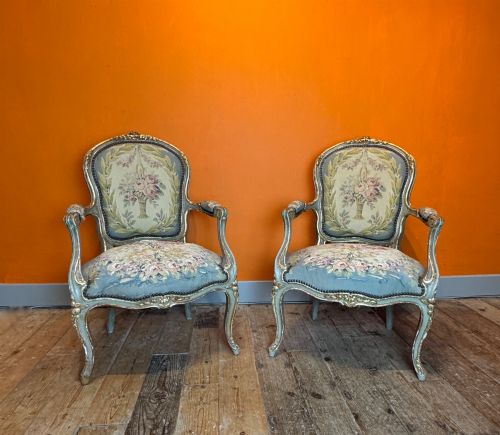
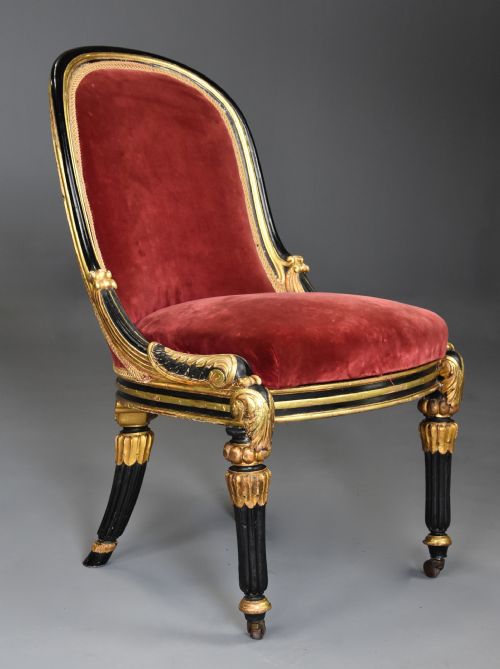
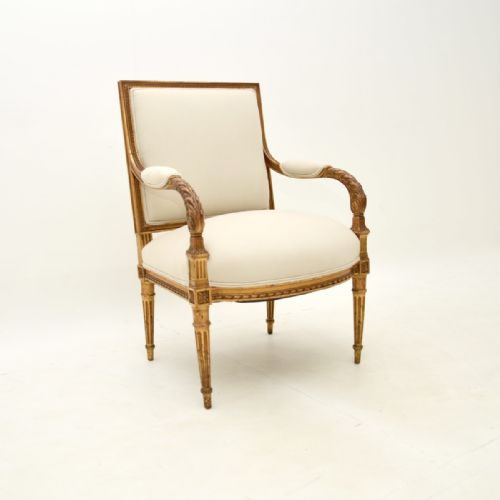
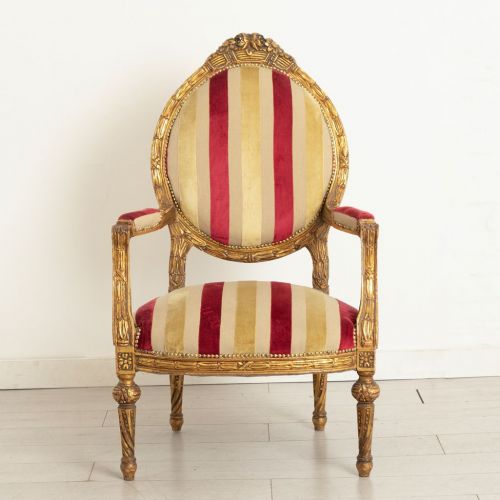
A period gilt chair brings neoclassical lines and gleaming gold leaf directly into a room, offering both decorative presence and historic seating.
Period Gilt Chair
A period gilt chair encompasses seating forms ranging from open armchairs and bergères to side chairs, salon suites, and settees. Buyers search for these pieces to add a touch of French Chateau elegance or Regency formality to their interiors.
The selections available here span the eighteenth, nineteenth, and early twentieth centuries, drawing heavily upon French Louis XVI, Regency, and Aesthetic Movement designs. French open armchairs and giltwood fauteuils appear frequently alongside ebonised and parcel gilt alternatives.
Makers and workshops across England and continental Europe produced these items for formal parlours, libraries, and withdrawing rooms. Surviving examples retain various original or replacement textile upholsteries, including tapestry and velvet.
How They Were Made
Craftsmen shaped these frames from solid timbers such as wood and walnut, applying intricate carved details before finishing the surfaces. Gilding involved the careful application of gold leaf over prepared grounds, sometimes combined with painted or ebonised wood elements.
Upholstery techniques matched the formal function of the seating, securing fabrics like textile, velvet, and tapestry over supportive interior webbing and stuffing. Brass hardware and decorative studs frequently secured the edges of the coverings on salon chairs and armchairs.
Period Gilt Chair Retail Price Guide 2026
Typical asking prices for period gilt chair among the pieces listed under this phrase on Sellingantiques today, from the lower quarter to the upper quarter. They describe what is for sale here now, not the wider market.
Listings feature materials including giltwood, brass, ebonised wood, gold leaf, velvet, and textile across various historical periods.
What Varies in Quality
The refinement of the hand-carved ornamentation dictates much of the distinction between standard production and top-tier workshop output. Crisp relief work on the wooden frames and the depth of the gilding indicate the level of craftsmanship invested in the piece.
The structural integrity of the joints and the preservation of the original gold leaf surface determine the standing of an individual chair. Surviving historical context, such as documented royal provenance, elevates certain pieces above standard domestic seating.
Jacob Desmalter
The Period Gilt Chair Glossary
- Giltwood
- Wood that has been coated with gold leaf or gold paint. This finish creates a luminous, reflective surface characteristic of formal European seating.
- Fauteuil
- An open-framed armchair with upholstered back and armrests, typically featuring exposed wood. Originating in France, this form is central to many classical salon suites.
- Bergère
- An enclosed armchair with upholstered sides and a loose seat cushion. It provides a deeper, more comfortable sit than standard open armchairs.
- Ebonised
- Wood finished with a dark stain or black lacquer to imitate ebony. This treatment was particularly favoured during the Regency and Aesthetic periods.
- Parcel Gilt
- A decorative technique where only specific raised portions or carved details of a painted or stained wooden surface are gilded.
Period Gilt Chair: Frequently Asked Questions
How do I clean a giltwood frame?
Dust the gilded wooden surfaces gently with a very soft, dry brush to remove particles without disturbing the delicate metal leaf.
Avoid using any moisture, commercial polishes, or cleaning solvents, as these substances can strip the gold leaf finish entirely.
Were these chairs meant for daily use?
Many of these formal salon chairs and settees were designed primarily for display and polite company in reception rooms rather than heavy lounging.
Their lightweight carved frames require mindful handling to prevent structural strain over years of domestic life.
Can I mix different periods in one room?
Combining pieces from different decades, such as an eighteenth-century frame with nineteenth-century salon chairs, creates a layered and authentic interior.
Matching the scale and the unifying warmth of the gilt finish helps disparate seating styles sit comfortably together.