







Period Furniture Vanity
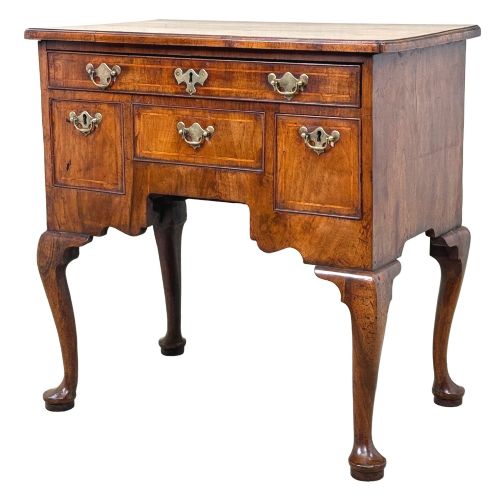
Period furniture vanity pieces are historical dressing tables, washstands, and lowboys crafted in timber, designed to hold grooming implements and provide personal staging surfaces.
Period Furniture Vanity
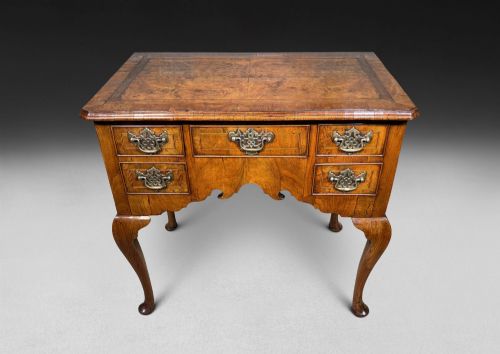
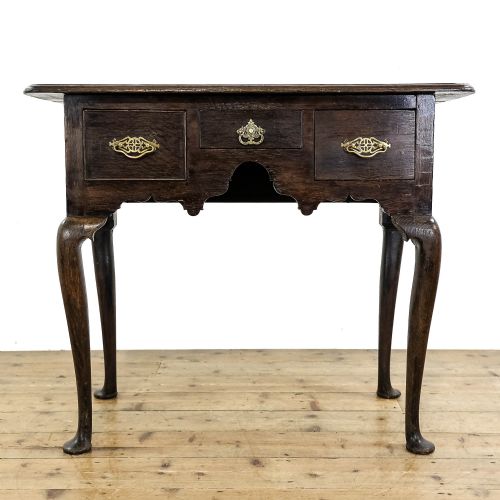
When you search for period furniture vanity, you encounter pieces spanning from the eighteenth century through the Edwardian era, including Georgian lowboys and Victorian washstands. The selection on this page centres heavily on mahogany, walnut, and oak forms designed for personal grooming and writing.
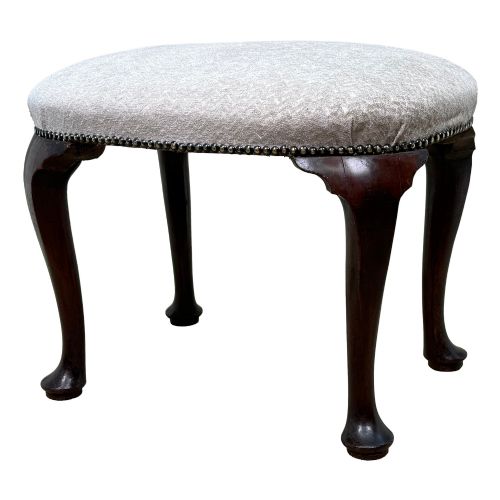
The most common formats you will meet are dressing tables, dressing chests, and washstands, often accompanied by matching stools. These objects trace the evolution of domestic bedrooms across distinct historical periods like Regency, George II, and the Aesthetic Movement.
Materials and construction methods
Cabinet makers utilised dense hardwoods such as mahogany, oak, and walnut as the primary structural foundations. Veneers in burr walnut, satinwood, and satinbirch were frequently applied to flat surfaces to create decorative grain patterns.
Detailing often incorporated brass hardware, glass elements, ebonised wood, and gilt highlights. Construction methods relied on traditional joinery techniques appropriate to each century, from early eighteenth-century oak framing to later veneered panels.
Period Furniture Vanity Retail Price Guide 2026
Typical asking prices for period furniture vanity among the pieces listed under this phrase on Sellingantiques today, from the lower quarter to the upper quarter. They describe what is for sale here now, not the wider market.
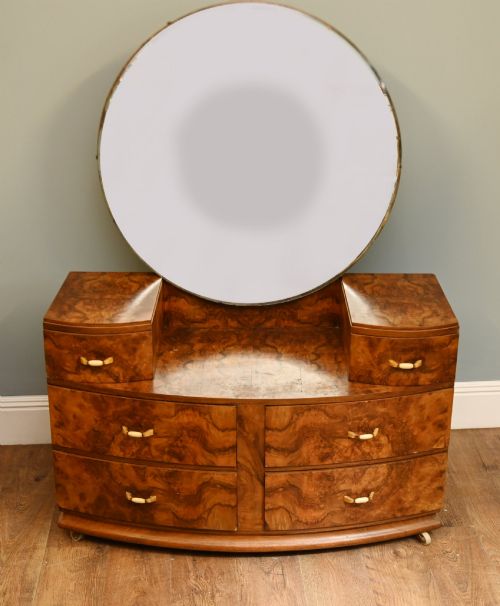
The listings span from 18th-century oak lowboys to 1930s burr walnut Art Deco dressing tables.
Judging quality in period vanities
Quality rests upon the selection of timber figures, such as burr walnut or figured mahogany, and the precision of the underlying cabinet work. Superior examples demonstrate careful alignment of grain patterns across drawers and harmonious proportions between legs and surface tops.
The integrity of original brass fittings, raised galleries, and secondary woods like oak or pine inside drawer boxes distinguishes finer workshop output from standard domestic furniture. Integration of stylistic details, whether Georgian moulding or Aesthetic Movement ebonising, indicates the skill of the maker.
The Period Furniture Vanity Glossary
- Lowboy
- A small oak, walnut, or mahogany table with drawers, originating in the early eighteenth century and used as a dressing table or side table.
- Washstand
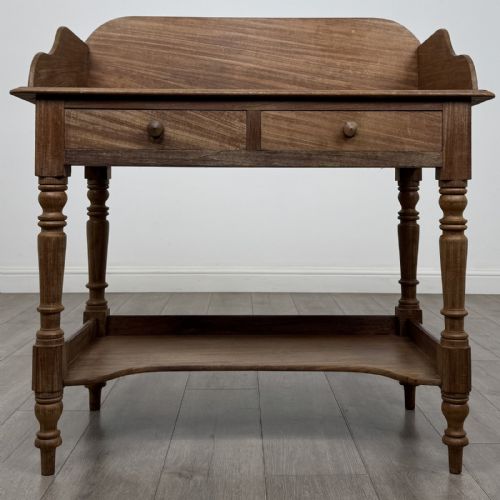
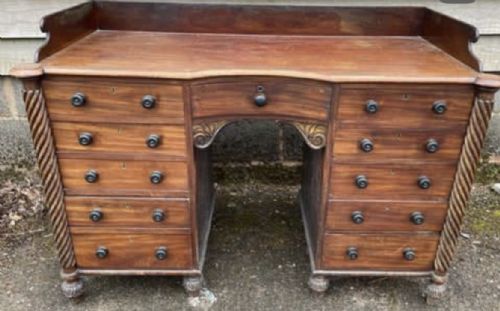
- A piece of bedroom furniture designed to hold a basin and pitcher for personal washing, often featuring a raised splashback gallery.
- Dressing Chest
- A chest of drawers combined with a mirror and surface space for grooming items, common in Victorian and Edwardian bedchambers.
- Bonheur Du Jour
- A light lady's writing desk with a small cabinet or shelving superstructure on top, popular during the eighteenth and nineteenth centuries.
- Faux Bamboo
- Wood turned and painted to imitate natural bamboo stems, seen in nineteenth-century fancy furniture and occasional pieces.
Period Furniture Vanity: Frequently Asked Questions
What is the difference between a lowboy and a dressing table?
A lowboy is a compact table with one or more rows of drawers underneath, typically dating from the eighteenth century. They served multipurpose roles in rooms before dedicated multi-drawer dressing suites became common.
Later dressing tables often integrated mirrors, tiered superstructures, and larger storage footprints. Both fulfil similar functional categories within historical bedroom layouts.
How do I identify a Victorian washstand?
Victorian washstands generally feature timber structures in mahogany, satinbirch, or ebonised wood with protective raised galleries to guard walls against water splashes. They often include marble tops or tiled backs for durability during washing routines.
These pieces reflect nineteenth-century hygiene practices before plumbed bathrooms were standard in homes. Their lower shelves frequently held basins and ewers.
What woods were used in Georgian dressing furniture?
Georgian cabinet makers predominantly worked with mahogany and walnut, frequently selecting figured or burr veneers for visual depth. Oak and pine served as secondary timbers for drawer linings and internal framing.
These materials provided the structural stability required for intricate drawer construction and delicate cabriole or straight leg supports.