








Period Furniture Tier
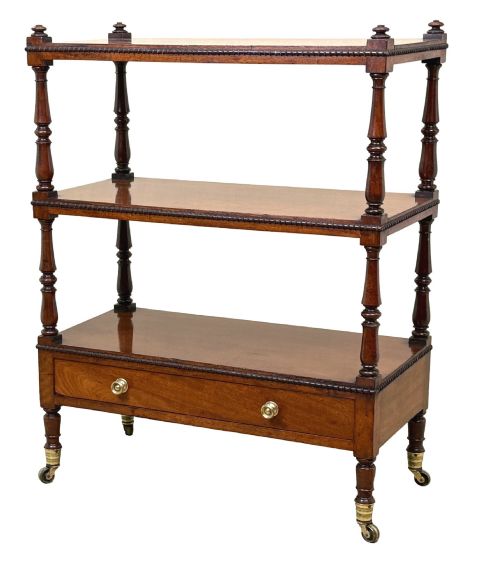
Period furniture tier describes stepped shelving pieces like whatnots, etageres, and dumb waiters that bring vertical display and storage.
Period Furniture Tier
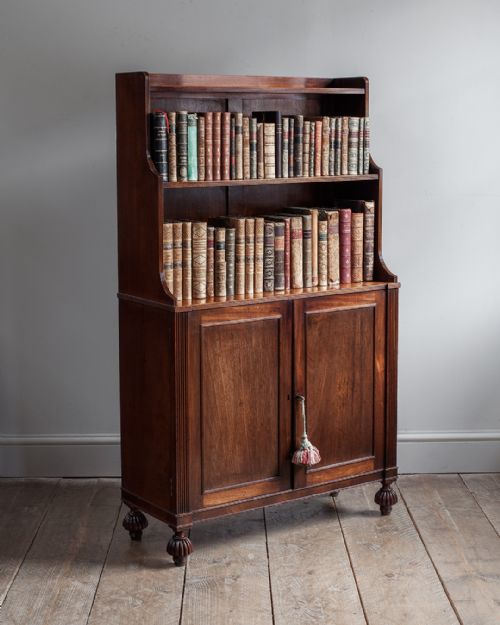
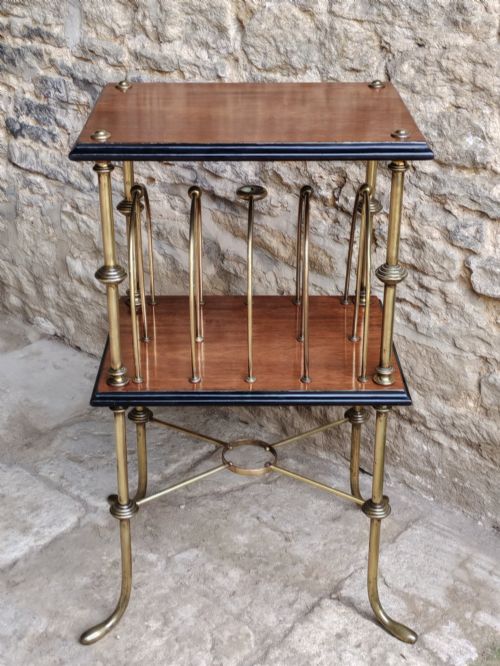
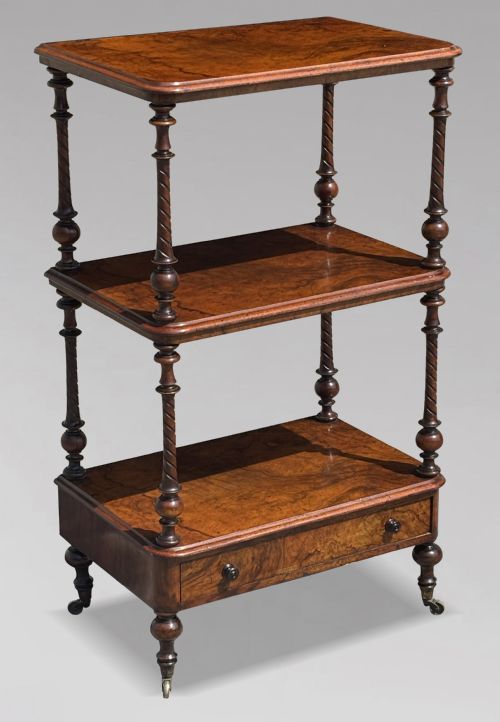
When searching for period furniture tier, a buyer encounters multi-level wooden pieces designed for display and serving across several centuries. The selections focus heavily on whatnots, etageres, and dumb waiters spanning the Georgian, Regency, and Victorian eras.
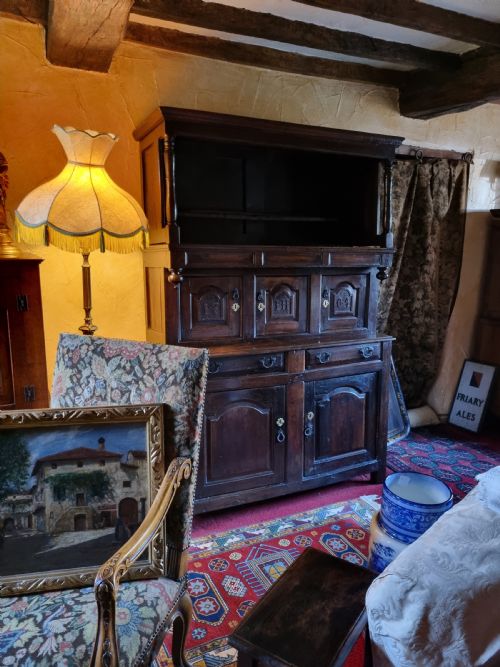
Most items appearing here take the form of three-tier stands constructed for books, magazines, or serving. The heritage ranges from early eighteenth-century oak tridarns to late nineteenth-century walnut and ebonised examples.
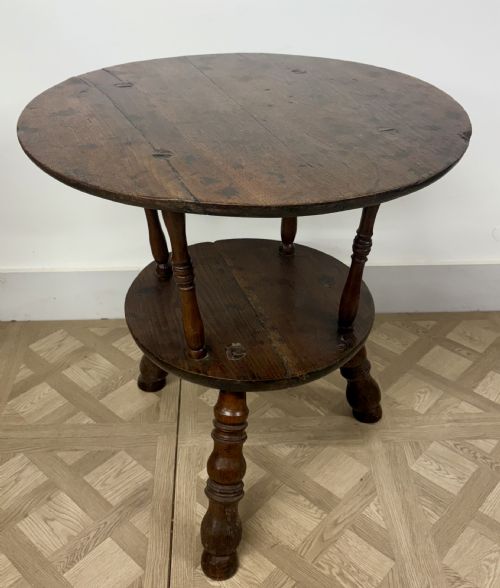
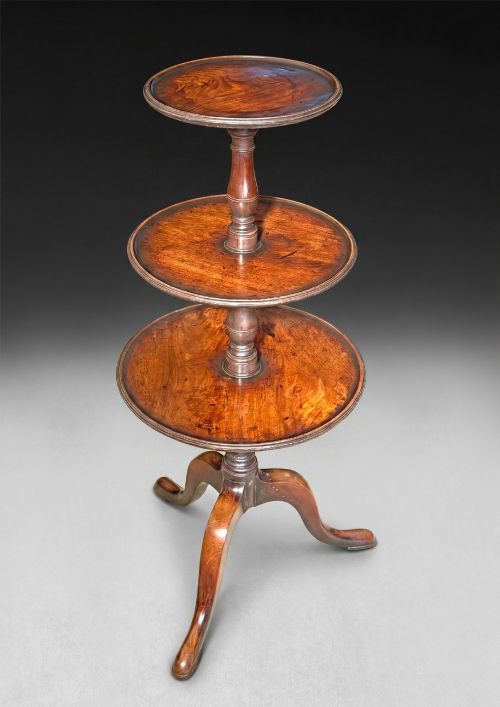
The assortment includes specialised variants like cricket tables, hanging shelves, and revolving dumb waiters. These practical multi-level designs originated to serve domestic needs in sitting rooms, dining spaces, and libraries.
Materials and construction methods
Mahogany and rosewood dominate the construction of these tiered pieces, particularly during the Regency and Georgian periods. Walnut and oak appear alongside them, reflecting regional workshops and earlier domestic traditions.
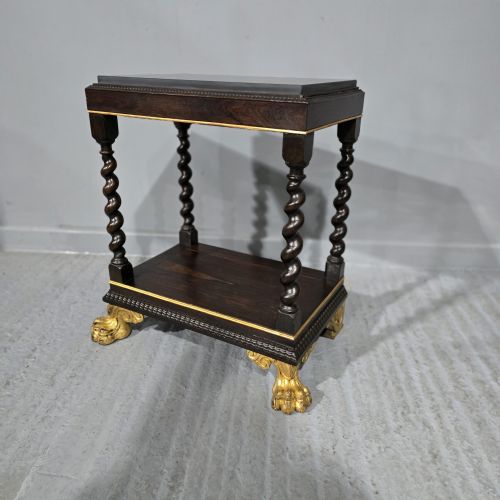
Cabinet makers utilised brass inlays, castors, and ormolu mounts to accent rosewood and mahogany surfaces. Structural joints rely on traditional carpentry suited to supporting multiple upright levels without sagging.
Period Furniture Tier Retail Price Guide 2026
Typical asking prices for period furniture tier among the pieces listed under this phrase on Sellingantiques today, from the lower quarter to the upper quarter. They describe what is for sale here now, not the wider market.
The listings span eight distinct periods and styles, with Regency and Georgian items forming the majority of the available multi-tiered stock.
Judging build and material standards
The distinction between tiers rests on timber selection and grain figuring, especially in rosewood and mahogany surfaces. Selected veneers and solid cuts show superior attention to natural wood patterns.
Fine turnings on upright supports and crisp brass details elevate the standard of construction. Proportions remain balanced across all levels on better examples, whereas lesser pieces can feel heavy or utilitarian.
Gillows
The Period Furniture Tier Glossary
- Whatnot
- An open shelved piece of furniture designed for displaying ornaments, books, or small objects on multiple tiers.
- Etagere
- A piece of furniture consisting of a set of open shelves for displaying small articles, closely related to the whatnot.
- Dumb waiter
- A tiered stand with revolving or fixed circular trays used for serving food or holding tableware without servants.
- Tridarn
- A large three-section Welsh cabinet featuring tiered display sections above enclosed cupboards, dating from the early eighteenth century.
Period Furniture Tier: Frequently Asked Questions
What is a period furniture tier?
A period furniture tier refers to multi-level wooden furnishings such as whatnots, etageres, and dumb waiters designed for stacking and display.
These items provide vertical storage across several surfaces while maintaining an open profile suitable for parlours and dining rooms.
How were dumb waiters used?
Dumb waiters held dishes, bottles, and cutlery during meals to allow diners to serve themselves without domestic staff present.
Their tiered circular trays or rotating shelves kept necessary items within arm reach during long Georgian and Regency dinners.
Where should I place a whatnot?
Whatnots fit well in corners, against empty wall spaces, or beside seating areas where their stepped shelves can hold books or decorative objects.
Their narrow footprints make them practical for adding display space without crowding a room.
How do I date a tiered table?
Dating relies on identifying the timber species, turning styles on the upright supports, and structural assembly methods typical of periods like Georgian or Victorian.
Mahogany and rosewood point towards the late eighteenth and early nineteenth centuries, while heavier walnut often signals late nineteenth-century production.