
Period Furniture Table
Period furniture table designs unite centuries of craftsmanship, offering practical surfaces in timber ranging from seventeenth-century oak to Regency mahogany.
Period Furniture Table
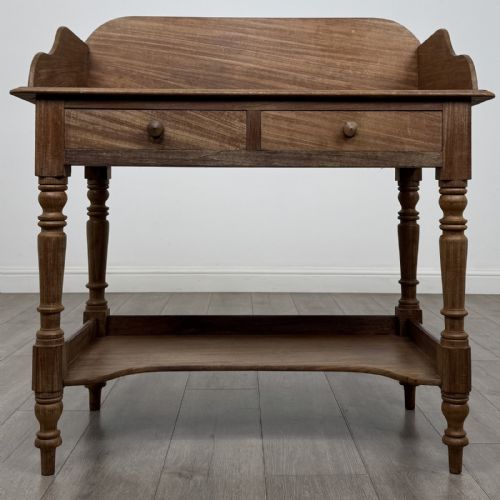
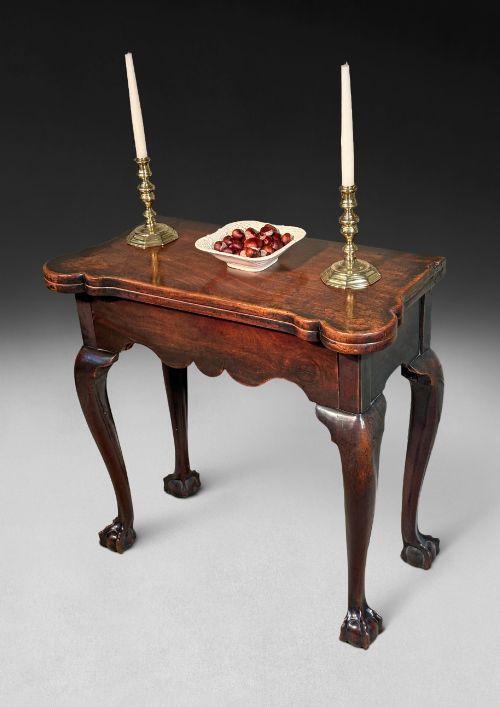
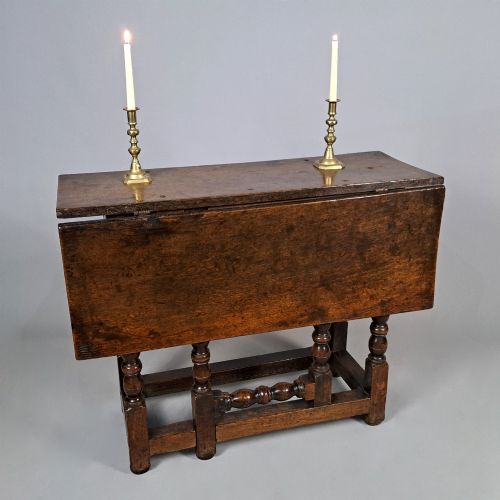
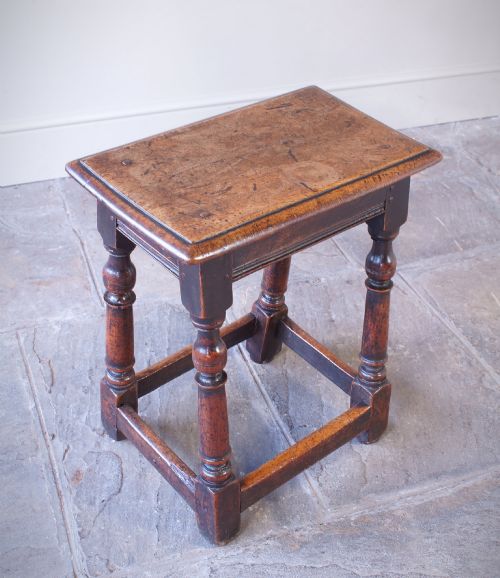
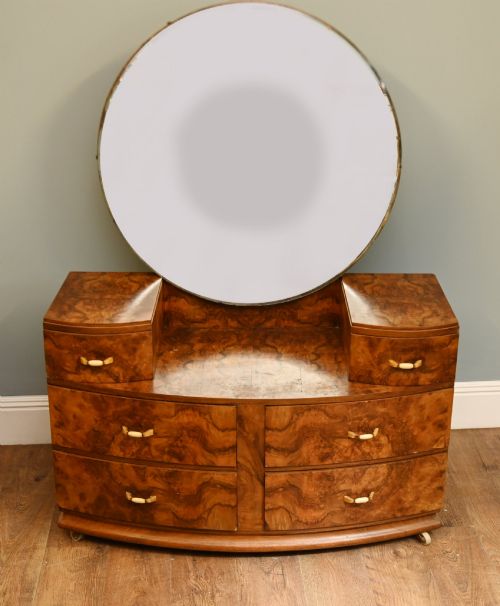
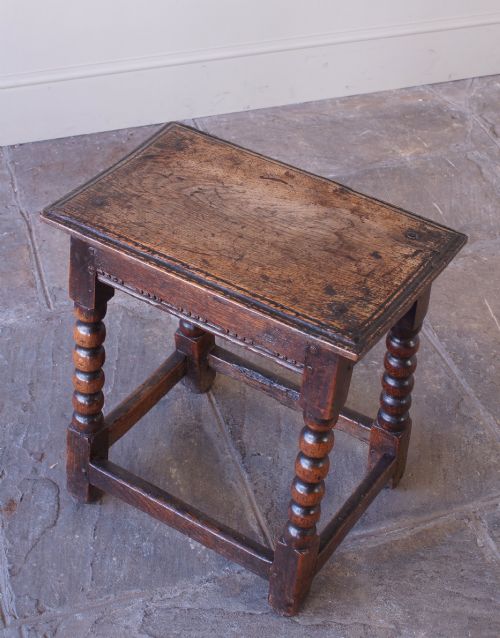
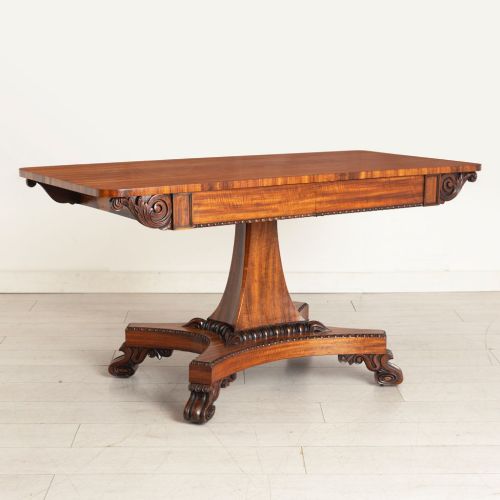
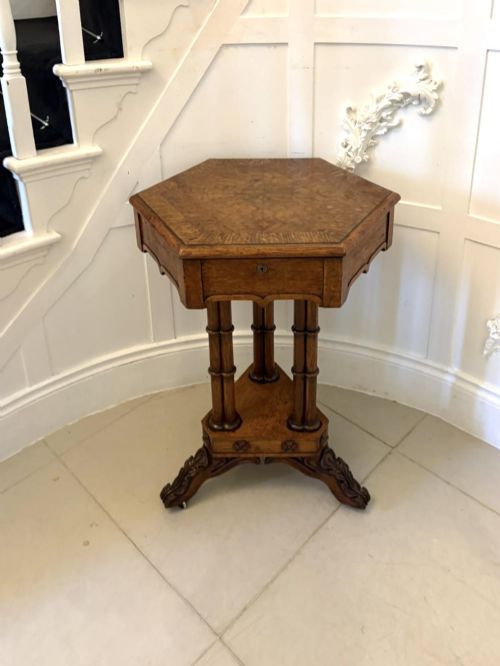
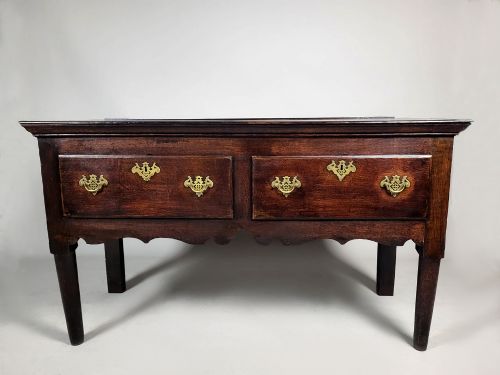
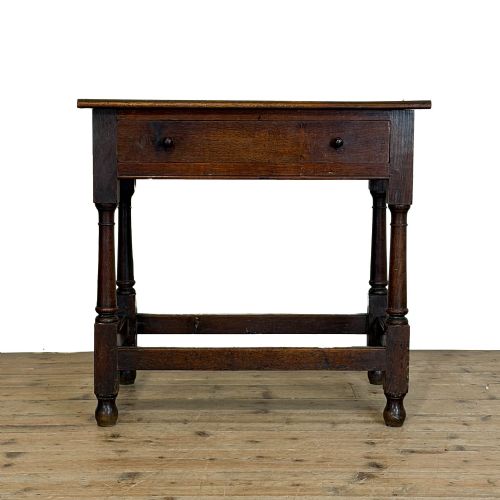
A period furniture table spans domestic forms from seventeenth-century oak side tables and joint stools to eighteenth-century cricket tables, lowboys, and Georgian dining tables. Buyers encountering these pieces choose among writing tables, occasional tables, dressing tables, and refectory formats.
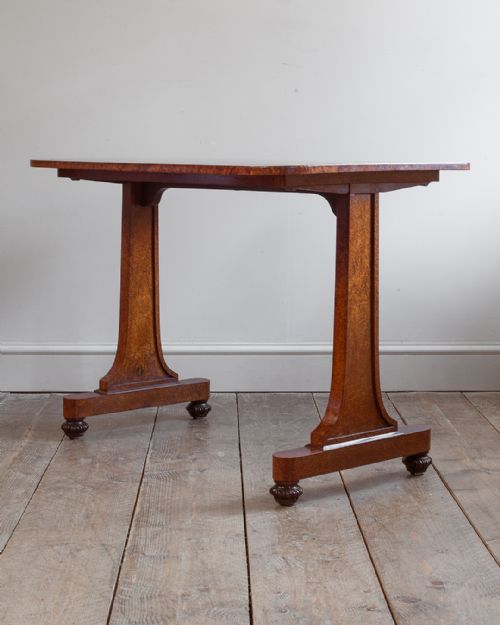
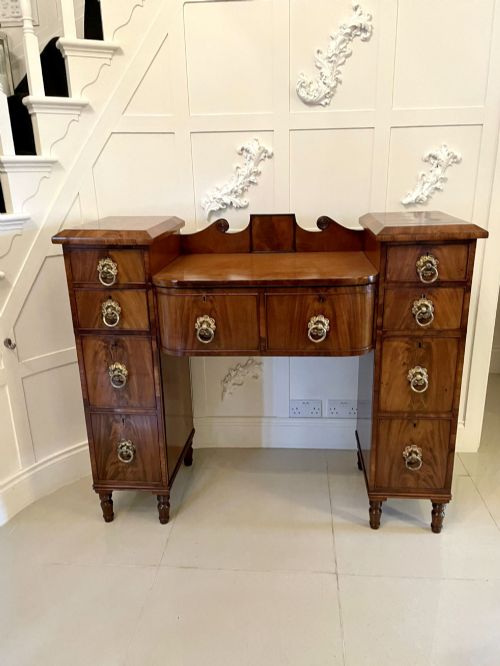
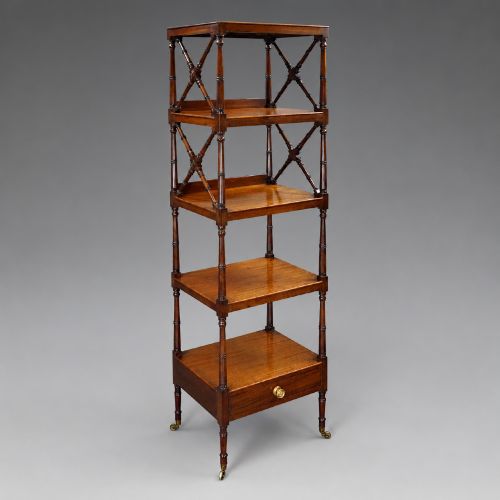
The selection extends through Regency library and sewing tables, Victorian centre tables in exotic timbers, and Edwardian cabinets, alongside nineteenth-century iterations of earlier styles. Oak, mahogany, walnut, and elm dominate the domestic forms originating across British and colonial workshops.
Materials and Construction
Cabinet makers utilised solid native timbers such as oak, elm, and walnut for early pieces, transitioning to figured mahogany, rosewood, and pollard oak during the Georgian and Regency eras. Joinery relied on mortise and tenon joints for structural frames, with single-plank tabletops favoured in early refectory and cricket tables.
Decorative surface techniques included brass hardware, satinwood inlay, penwork, and geometric mouldings on drawer fronts. Secondary woods and precise turning defined the underframes of side tables and lowboys.
Early seventeenth-century joint stools doubled as impromptu seating when unexpected guests arrived for dinner.
Distinctions in Execution
Quality rests in the integrity of the timber selection, such as figured walnut, burr oak, or single-plank elm tops, paired with untouched patination on older surfaces. Superior examples retain original brasses, uncompromised joinery, and crisp carving on bases and legs.
Proportion and structural balance separate standard utilitarian pieces from exceptional designs, particularly in smaller forms like cricket tables and lowboys where line and scale dictate visual success.
The Period Furniture Table Glossary
- Joint stool
- A sturdy wooden stool constructed with pegged mortise and tenon joinery rather than turned legs inserted into a seat. These pieces functioned as seating or small side tables in seventeenth-century households.
- Cricket table
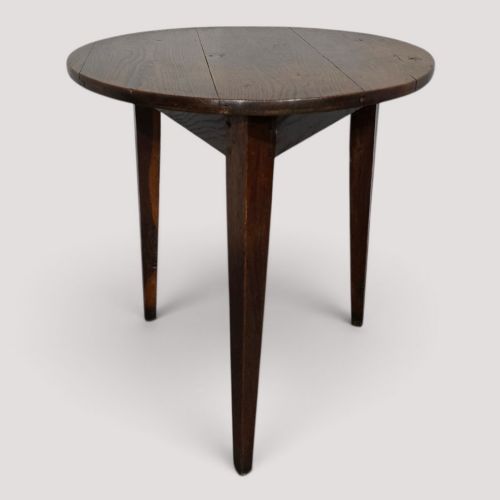
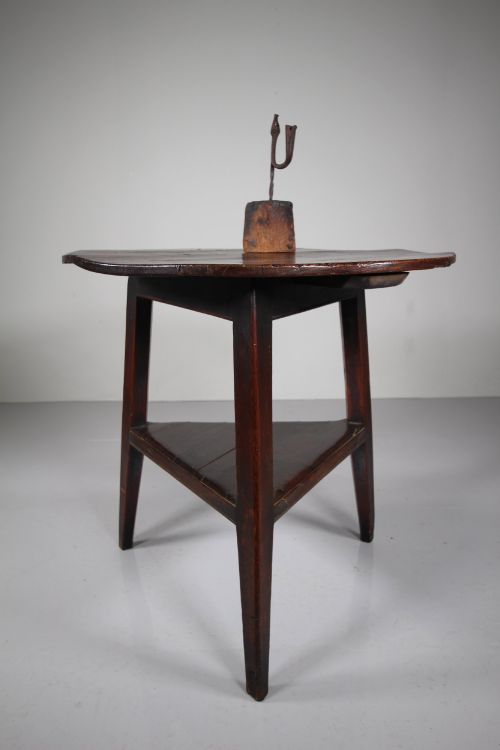
- A small, lightweight occasional table supported by three splayed legs, typically constructed in oak or elm during the eighteenth century. The three-legged design remained stable on uneven flagstone floors.
- Lowboy
- A small dressing table or side table featuring one or more rows of drawers beneath a flat top, dating largely from the Georgian period. They were executed in walnut, oak, or mahogany.
- Refectory table
- A long dining table originating in the seventeenth century, built with heavy wooden legs connected by low stretchers. Surviving examples often feature single-plank elm or oak tops.
- Penwork
- A decorative surface technique utilising ink drawings on wood, common on Regency sewing tables and small decorative items. The inked design is typically protected by clear varnish or polish.
Period Furniture Table: Frequently Asked Questions
What is a cricket table?
A cricket table is a small three-legged occasional table with a round wooden top, commonly made from oak or elm during the eighteenth century. The three splayed legs provided steady placement on uneven domestic floors.
These versatile tables served various everyday household functions, functioning beside chairs or against walls for holding small objects or lighting.
How do I identify a seventeenth century oak table?
Seventeenth century oak tables display heavy pegged joinery, thick timber planks, and substantial stretchers connecting the legs. Tool marks and hand-riven wood surfaces often remain visible on the underside and drawer components.
Patina accumulated over centuries gives the wood a deep, dark lustre that modern reproductions cannot replicate.
What is the difference between a lowboy and a side table?
A lowboy is a specific form of small table equipped with one or more rows of drawers beneath the surface, historically used for dressing or personal grooming. Side tables may have drawers or simply provide an open surface.
Lowboys generally date from the eighteenth century and display finer cabinet work, often featuring shaped aprons and cabriole or straight legs.