



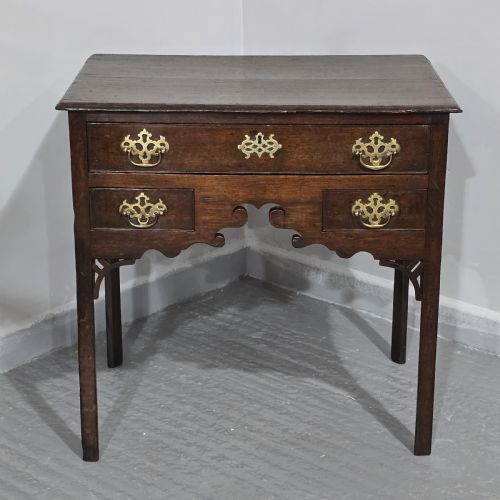


Period Furniture Server
When you search for period furniture server, you enter a world of practical dining room timber built to hold food, plate and wine.
Period Furniture Server
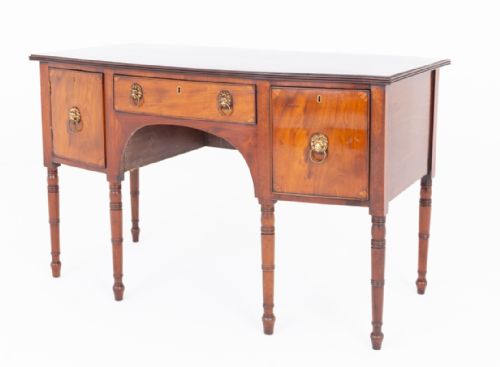
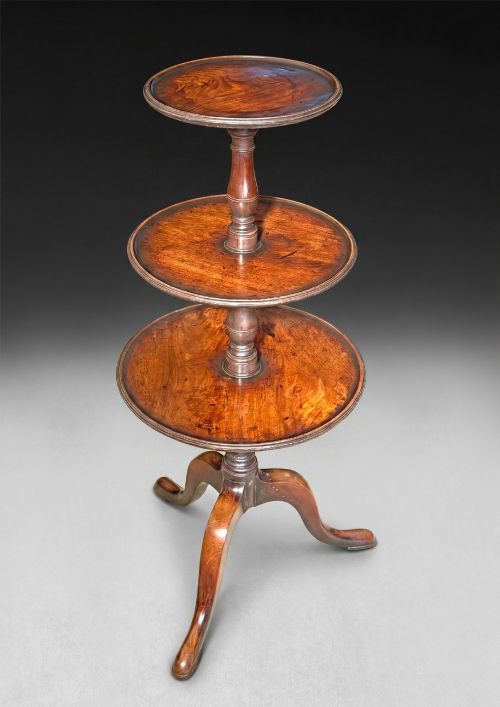
A period furniture server encompasses dining room pieces designed for service, from sideboards and side tables to dressers, lowboys, buffets and dumb waiters.
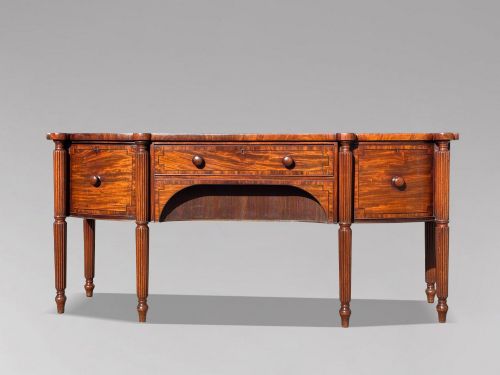
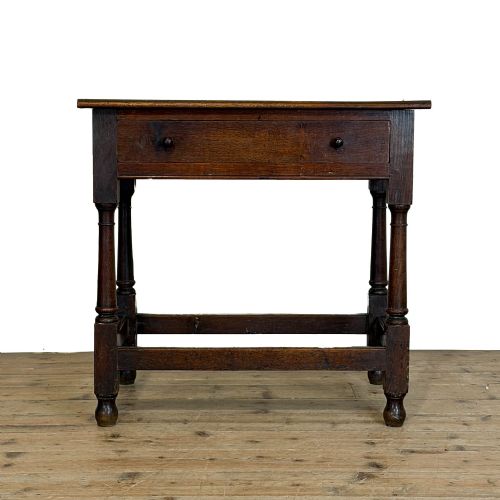
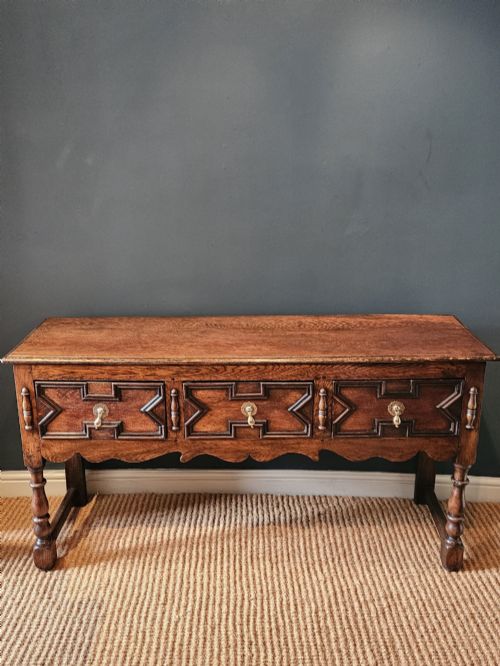
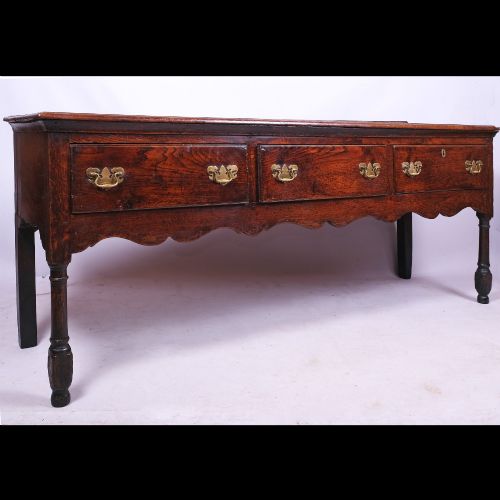
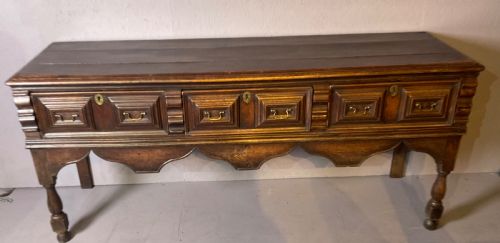
The versions you meet most often on this page span the seventeenth, eighteenth and nineteenth centuries, taking forms such as George III mahogany sideboards, Regency pedestal pieces and early oak dresser bases.
Makers and regional workshops across these eras shaped timber to assist in the dining room, combining utility with decorative styles like Sheraton, Jacobean and Queen Anne.
How they were made
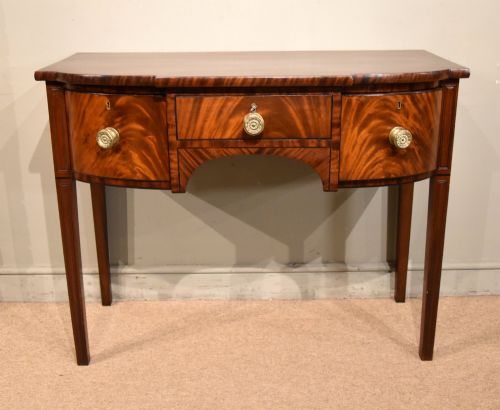
Joiners and cabinetmakers built these servers primarily using solid hardwoods like oak and mahogany, often selecting flame mahogany veneer for figured surfaces.
Decorative detailing relied on contrasting elements, incorporating boxwood inlay, brass fittings and ebonised wood to accentuate the grain and structure of the timber.
Period Furniture Server Retail Price Guide 2026
Typical asking prices for period furniture server among the pieces listed under this phrase on Sellingantiques today, from the lower quarter to the upper quarter. They describe what is for sale here now, not the wider market.
Listings feature oak, mahogany, flame mahogany, cedarwood and ebonised wood across the seventeenth, eighteenth and nineteenth centuries.
What varies in quality
The division between ordinary and exceptional servers rests on the choice of timber and the crispness of its execution, particularly in figured veneers and inlaid details.
Construction methods and original brasses determine the integrity of a piece, separating straightforward utilitarian carpentry from ambitious cabinet work.
Mack Williams And Gibton·Gillows
The Period Furniture Server Glossary
- Dumb waiter
- A tiered freestanding piece with circular rotating trays used for holding dishes beside a dining table.
- Lowboy
- A small low table with drawers, functioning as a side table or serving piece.
- Dresser base
- The lower section of a kitchen or dining room dresser, equipped with drawers and cupboards for storage.
- Chiffonier
- A compact sideboard or cabinet developed during the nineteenth century for the dining room or drawing room.
- Flame mahogany
- Timber cut from the fork of the mahogany tree, producing a distinctive leaping flame pattern on the surface.
Period Furniture Server: Frequently Asked Questions
What is a period furniture server?
A period furniture server is a dining room piece designed to hold food, wine and silver during meals. These items range from side tables and sideboards to dumb waiters and dresser bases.
They developed across several centuries, reflecting changing dining habits and interior fashions from the seventeenth century onwards.
How do I use a server today?
These pieces serve the same practical purpose in a modern dining room as they did centuries ago. They provide surface space for serving food and storage for tableware.
Place a sideboard against a dining room wall or utilise a dumb waiter beside the table for holding glassware and bottles.
What woods were used?
Early pieces utilise oak and cedarwood, displaying robust joinery and geometric mouldings. Later eighteenth and nineteenth century examples favour mahogany and flame mahogany.
Cabinetmakers also incorporated boxwood, brass and ebonised wood to create contrast and decorative inlay.
How do I tell periods apart?
Seventeenth century pieces often feature heavy oak construction and panelled details. Eighteenth century items introduce refined mahogany, bow fronts and delicate inlay.
Regency and nineteenth century pieces show bolder architectural forms, brass inlay and specialised types like pedestals and chiffoniers.