
Period Furniture Drawers
Period furniture drawers span centuries of craftsmanship, offering practical storage through timber chests, bureaux, and commodes crafted by historical hands.
Period Furniture Drawers
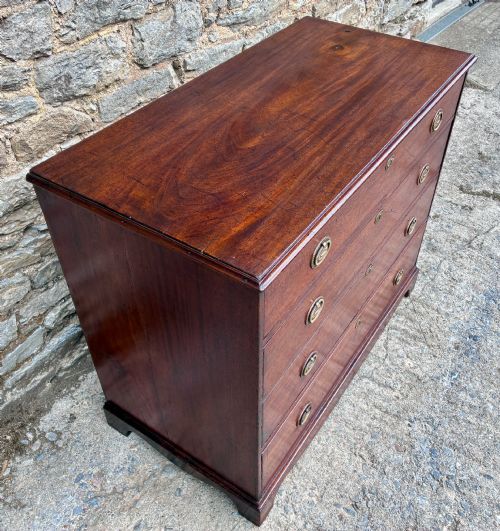
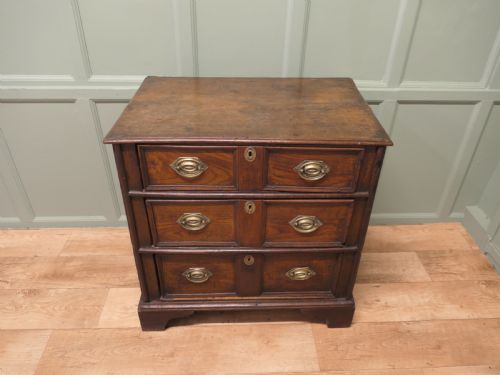
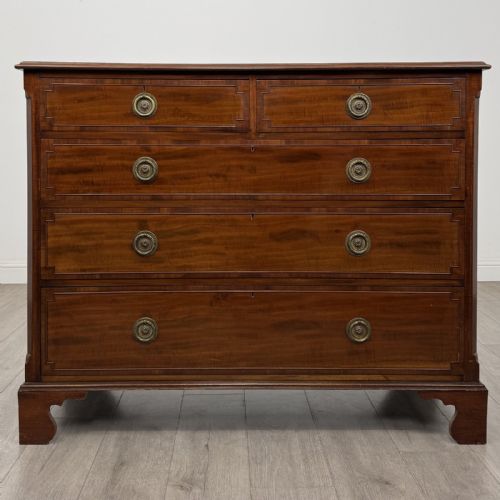
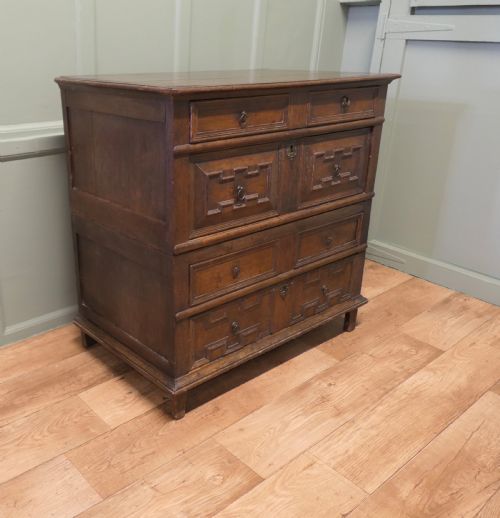
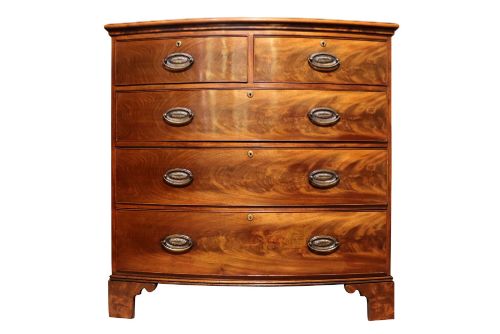
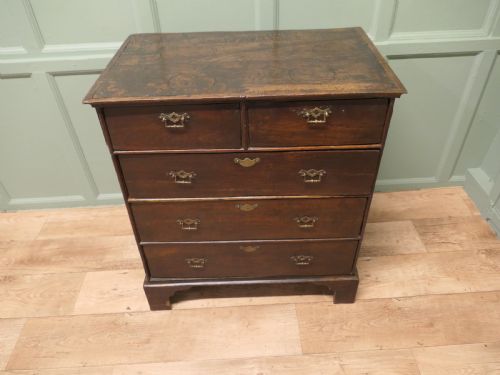
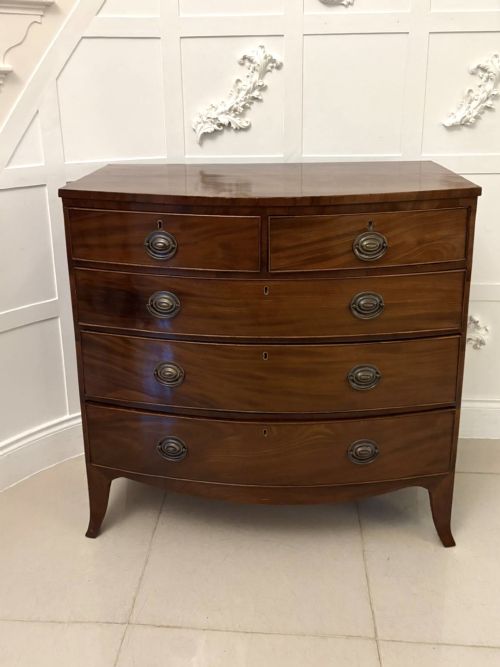
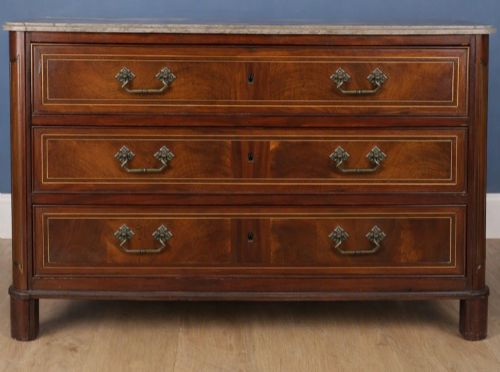
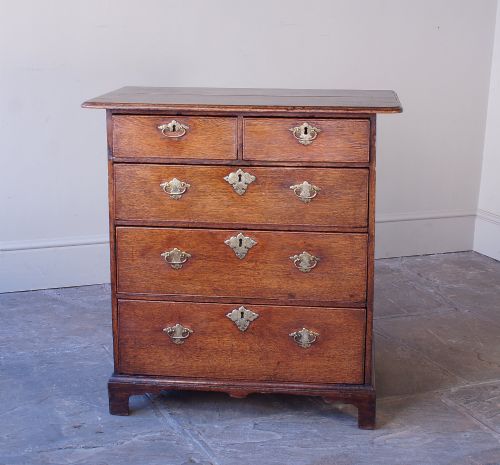
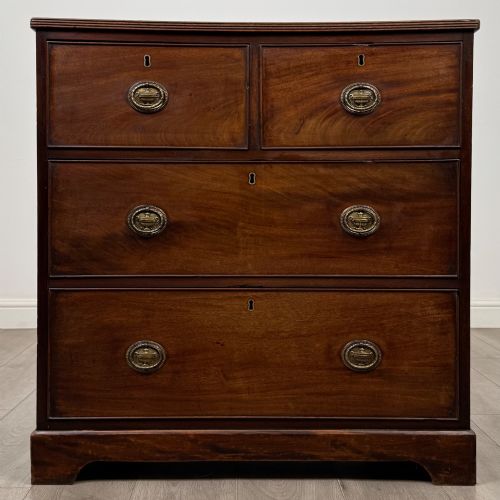
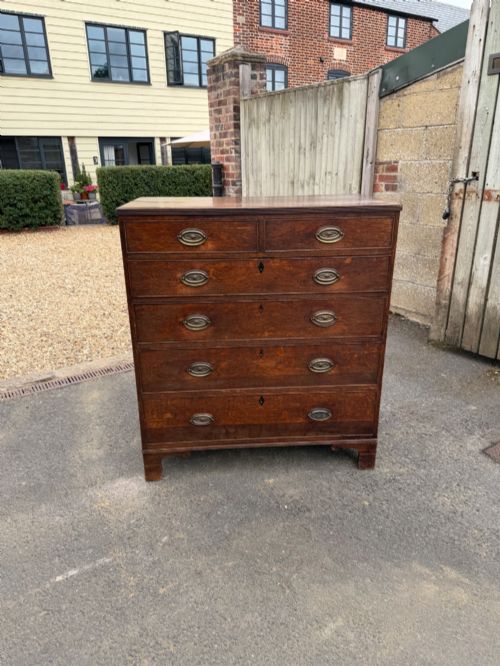
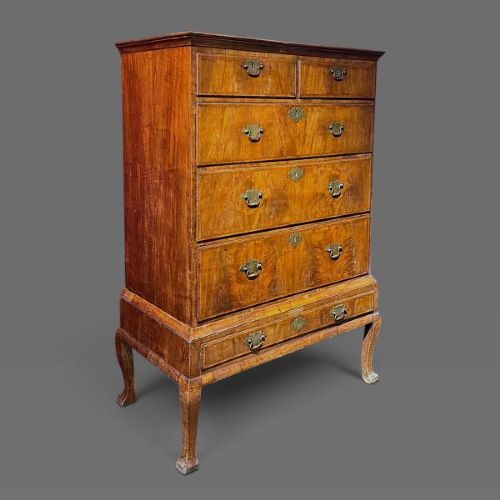
When buyers search for period furniture drawers, they encounter a diverse selection of storage pieces spanning the seventeenth through the nineteenth centuries. These items primarily manifest as chests of drawers, chests on stand, and bureaux constructed during the Georgian, Regency, and Jacobean eras. Oak and mahogany examples dominate the offerings, appearing alongside walnut and elm variants.
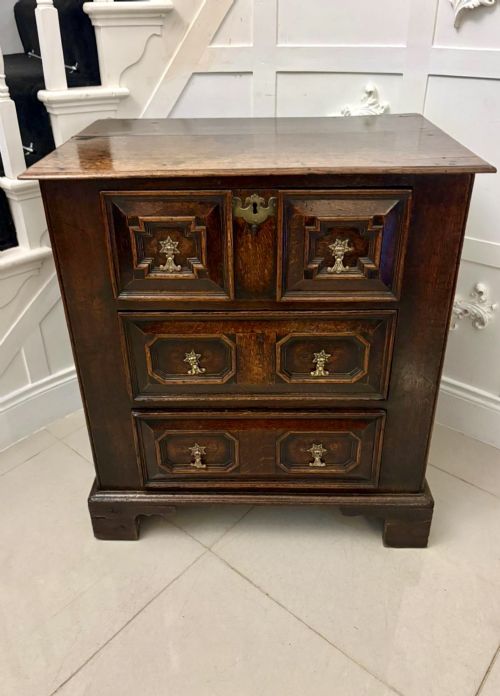
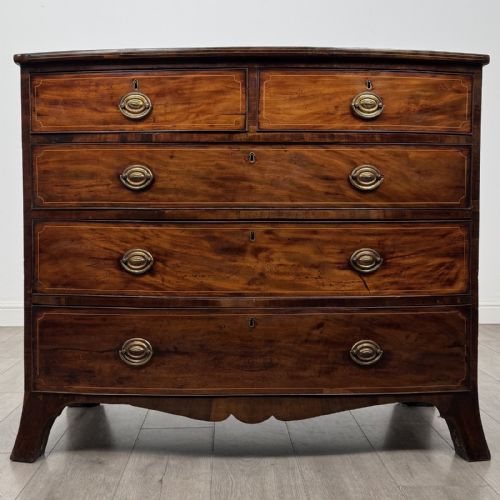
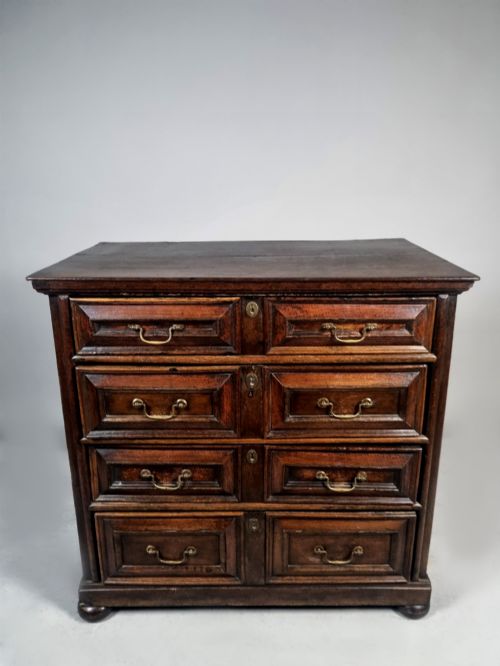
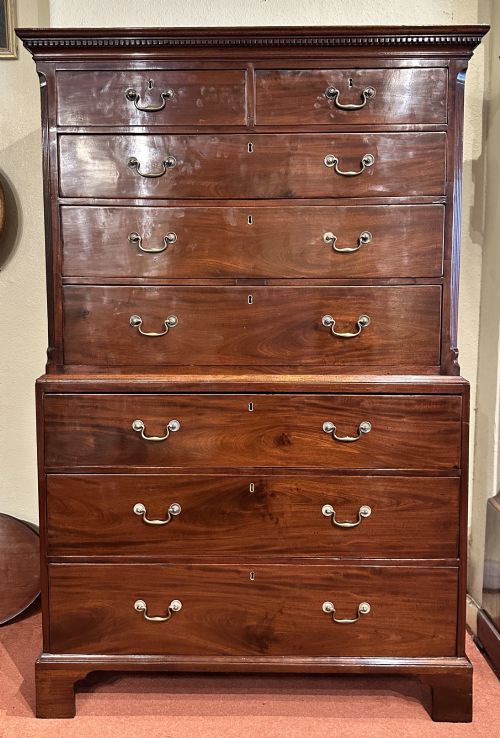
The selection ranges from early geometric oak joinery of the seventeenth century to the refined bow front and straight front mahogany designs of the Georgian epoch. Buyers also encounter specialised forms including mule chests, side tables, and tall chests on chest configurations. These variations provide distinct functional options for modern interiors.
Materials and construction methods
Makers utilised solid regional timbers including oak, elm, and mahogany, selecting each wood for its structural stability and grain pattern. Early pieces rely heavily on dense oak with pegged mortise and tenon joinery, while later eighteenth and nineteenth-century items showcase figured mahogany and burr walnut veneers. Brass handles and escutcheons punctuate the timber surfaces.
Surface ornamentation developed from seventeenth-century geometric mouldings and marquetry inlay to sophisticated veneering techniques in the walnut and mahogany periods. Cabinetmakers applied oyster veneers in circular patterns or aligned grain figures symmetrically across drawer fronts. Dovetail joints secured the drawer carcases, ensuring durability through centuries of daily use.
Object forms include chests of drawers, bureaux, mule chests, side tables, and chests on chest.
Judging the standard of execution
The standard of a piece rests upon the crispness of its timber detailing and the integrity of its primary construction materials. Finer examples display carefully selected grain alignment across multiple drawer fronts and well-proportioned cornices. The choice of dense, highly figured timbers separates standard utility items from exceptional workshop productions.
Internal construction reveals the dedication of the maker, demonstrated through hand-cut dovetails and solid secondary woods within the drawer linings. The retention of original brass hardware and surface finishes further elevates a piece. Subtle proportions and harmonious scale distinguish the most accomplished examples on the market.
The Period Furniture Drawers Glossary
- Bow front
- A convex curved cabinet front popular during the Georgian and Regency periods. This curved profile softens the silhouette of standard rectangular chests.
- Chest on chest
- A tall storage unit formed by stacking a smaller chest of drawers directly upon a larger base chest. This configuration maximises vertical capacity.
- Oyster veneer
- Slices cut transversely from small branches to create circular or oval patterns resembling oyster shells. Cabinetmakers arranged these decorative cuts across seventeenth-century drawer surfaces.
- Mule chest
- A storage chest fitted with one or two functional drawers at the base beneath the main compartment. It bridges the transition between traditional blanket chests and modern drawer units.
- Dovetail
- A traditional interlocking joint formed by interlocking wedge-shaped fingers. This method secures drawer corners with mechanical strength.
Period Furniture Drawers: Frequently Asked Questions
How do I date a wooden chest?
Dating relies on examining the timber species, joinery methods, and hardware styles. Early pieces utilise oak with hand-sawn boards and pegged construction.
Later eighteenth and nineteenth-century examples introduce mahogany, machine-cut elements, and refined dovetailing. Secondary woods inside the drawers also offer clues to the origin and date.
How were these drawers used originally?
These pieces served as primary domestic storage for clothing, linens, and personal valuables in period bedchambers and parlours. Taller configurations like chests on chest held extensive household wardrobes.
Bureaux combined writing surfaces with secure drawer storage for correspondence. Smaller side tables and commodes functioned in reception rooms for general utility.
How do I care for antique timber?
Protect antique wood by maintaining stable room temperatures away from direct heat sources and strong sunlight. Sudden environmental shifts cause timber to warp and split.
Apply traditional beeswax occasionally to nourish the surface finish. Avoid modern silicone polishes that degrade historic polishes over time.