

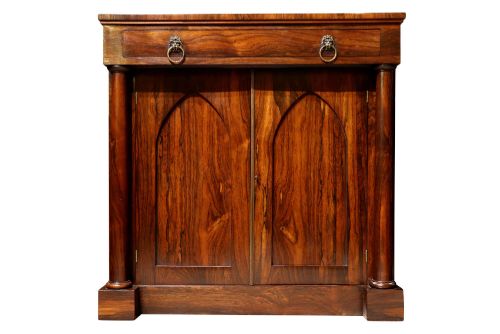
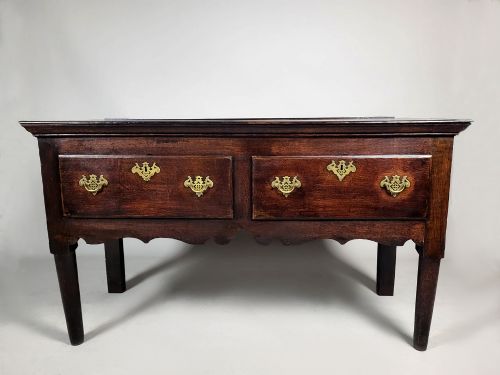
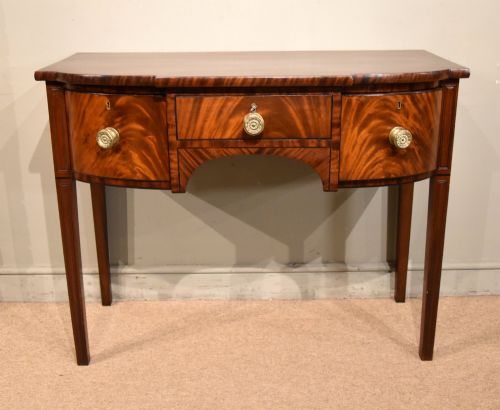
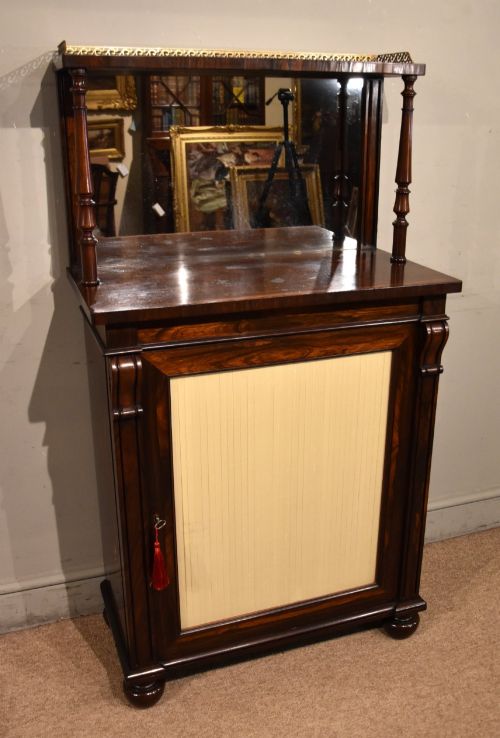
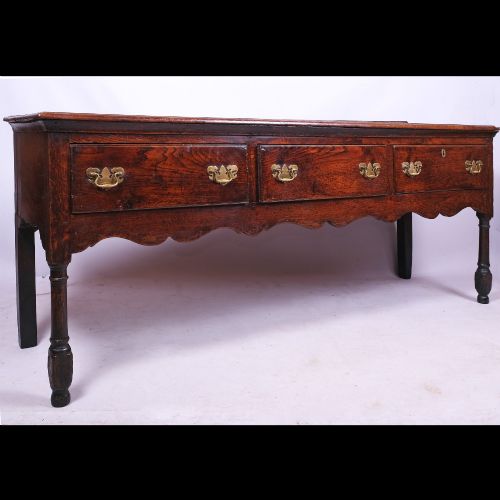

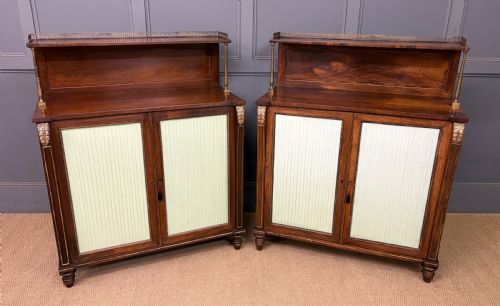

Period Furniture Credenza
Period furniture credenza pieces unite the architectural presence of the nineteenth century with rich rosewood, mahogany, and brass-inlaid surfaces.
Period Furniture Credenza
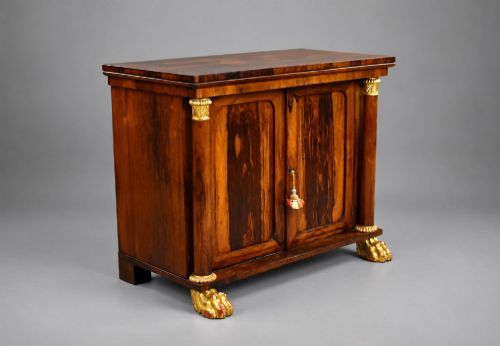
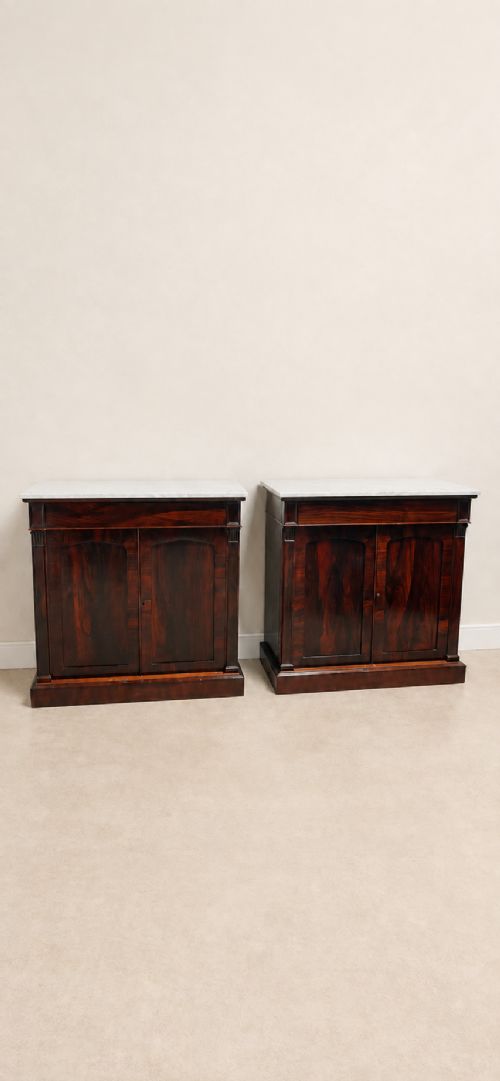
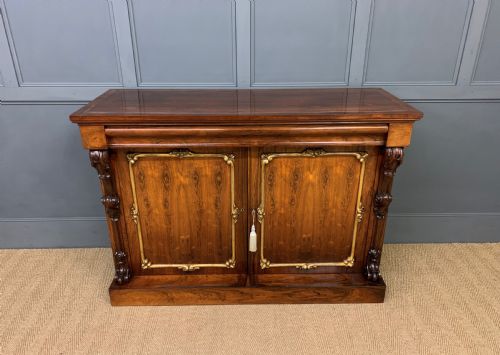
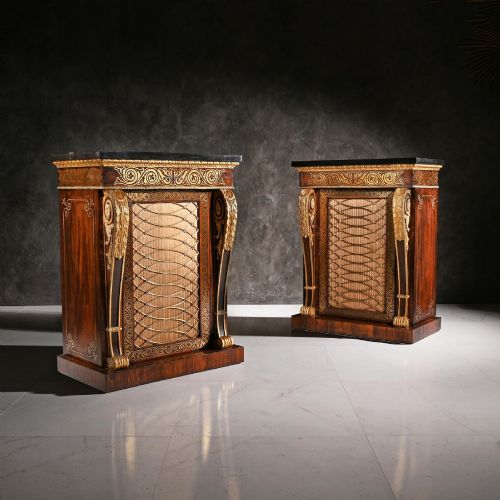
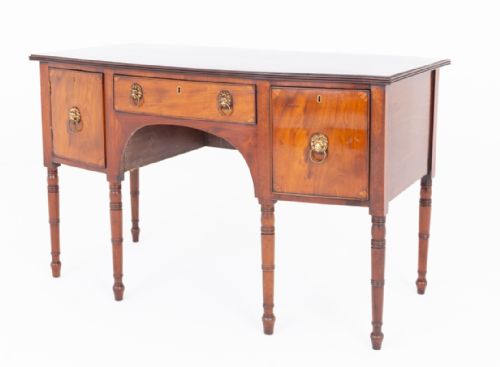
When searching for a period furniture credenza, buyers encounter a diverse selection of low storage forms including chiffoniers, side cabinets, and sideboards spanning the seventeenth, eighteenth, and nineteenth centuries. The majority of items available on this page belong to the Regency period, showcasing the era's distinct preference for figured timbers and neoclassical lines.
These low cabinets evolved from dining room and drawing room serving pieces, often featuring enclosed shelving behind panelled or glazed doors. The selection heavily incorporates forms associated with Regency rosewood and mahogany craftsmanship, alongside earlier oak dresser bases and walnut cabinets from continental workshops.
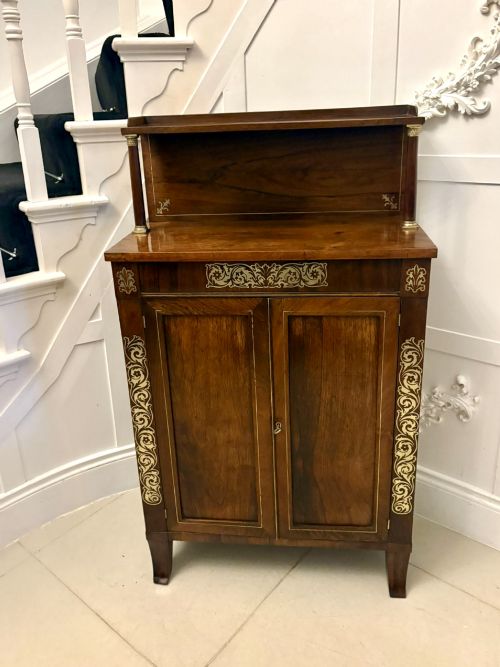
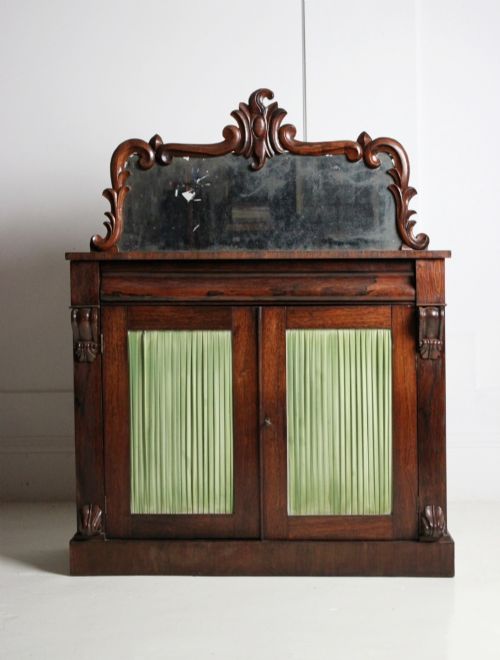
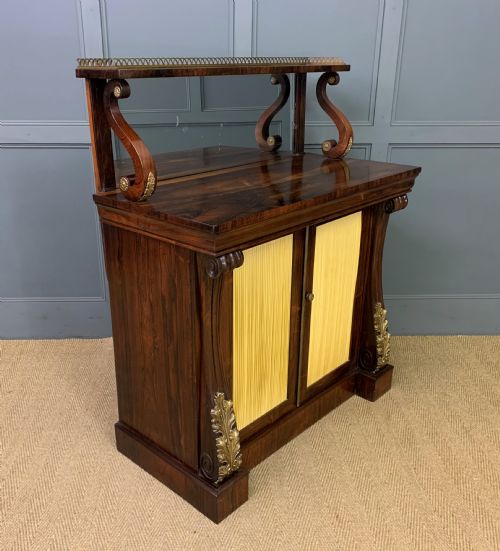
Makers and designers of the period utilised exotic woods to create focal storage furniture that doubled as display surfaces for decorative objects. Buyers find everything from compact chiffoniers with mirrored galleries to large flame mahogany sideboards designed for formal entertaining.
Materials and Construction
Cabinetmakers relied on solid timbers such as oak and walnut for structural carcases, while applying expensive decorative veneers like rosewood, amboyna, and flame mahogany to visible surfaces. The grain patterns were carefully matched across doors and drawer fronts to create symmetrical visual effects.
Metal mounts, brass inlay, and gilded details required precise hand-cutting to fit flush into wood channels, often complemented by cast brass gallery rails and handles. French polishing and pen-work techniques completed the exterior finish, sealing the timber while highlighting natural colour contrasts.
Period Furniture Credenza Retail Price Guide 2026
Typical asking prices for period furniture credenza among the pieces listed under this phrase on Sellingantiques today, from the lower quarter to the upper quarter. They describe what is for sale here now, not the wider market.
Listings feature Regency, Victorian, and 18th-century pieces constructed from rosewood, mahogany, oak, and walnut.
Distinguishing Quality
The standard of a piece rests upon the crispness of its brass inlay, the precision of veneer matching, and the integrity of the underlying timber carcase. Superior examples maintain original surface patination and retain contemporary brass mounts rather than later replacements.
Construction details inside drawers, such as hand-cut dovetails and cedar or mahogany linings, separate standard utility pieces from high-status cabinet work produced by leading workshops of the era.
Louis Constantin Le Gaigneur·Gillows
The Period Furniture Credenza Glossary
- Chiffonier
- A low sideboard or cabinet, typically featuring a raised shelf or mirrored back above enclosed storage cupboards. These pieces became popular during the Regency and Victorian periods for drawing room use.
- Credenza
- A low dining or reception room cabinet, originating from Italian and French furniture traditions, used for serving food and displaying plate. The term frequently overlaps with side cabinets and sideboards in nineteenth-century listings.
- Rosewood
- A dense, heavily figured timber valued for its deep brown colour and dark grain markings, extensively utilised during the Regency era for high-status cabinets and tables.
- Flame Mahogany Veneer
- Thin slices of mahogany cut from the fork of the tree where branches meet the trunk, producing a distinctive flickering flame pattern across cabinet doors and drawer fronts.
- Pen-Work
- A decorative surface technique involving fine ink drawings applied directly to prepared wood or gesso grounds, then sealed with varnish to create intricate neoclassical or exotic motifs.
Period Furniture Credenza: Frequently Asked Questions
What is the difference between a credenza and a sideboard?
Credenzas generally refer to lower, more decorative cabinets designed for display and formal reception rooms, whereas sideboards historically served dining rooms with integrated drawers for cutlery and serving.
In nineteenth-century British furniture, these terms often merge, as cabinetmakers adapted low storage forms for various domestic settings.
How do I date a Regency rosewood cabinet?
Regency pieces typically date between the late eighteenth century and the reign of William IV, identified by classical architectural motifs, brass inlay, and rosewood veneers.
Examining internal secondary timbers, such as oak or mahogany drawer linings, helps confirm the period of manufacture alongside structural joinery methods.
Were these cabinets used in dining rooms?
Many sideboards and larger cabinets were designed specifically for dining spaces to hold linens, silver, and serving dishes during meals.
Smaller chiffoniers and side cabinets were primarily placed in drawing rooms or parlours to hold books, glassware, and decorative ornaments.
How should I care for antique veneer?
Antique veneer requires stable indoor humidity levels away from direct heat sources and sunlight to prevent the timber from drying out and lifting.
Applying microcrystalline wax periodically helps nourish the polished surface without building up excessive residues that attract dust.