

Period Furniture Chair
Period furniture chair options bring substantial timber construction and historical forms into domestic spaces.
Period Furniture Chair
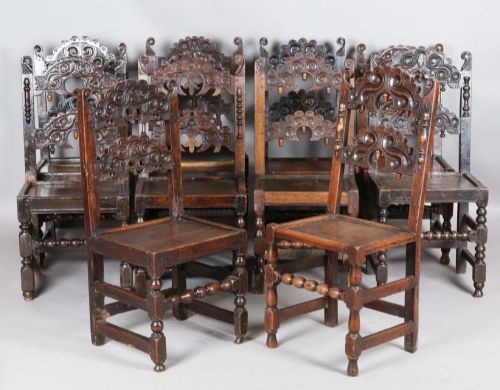
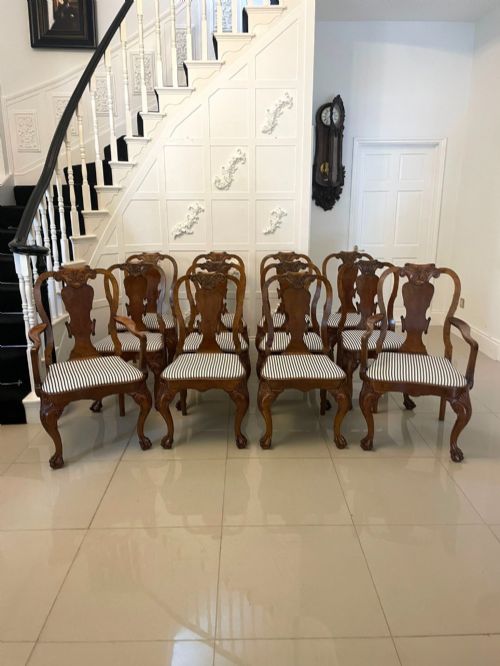
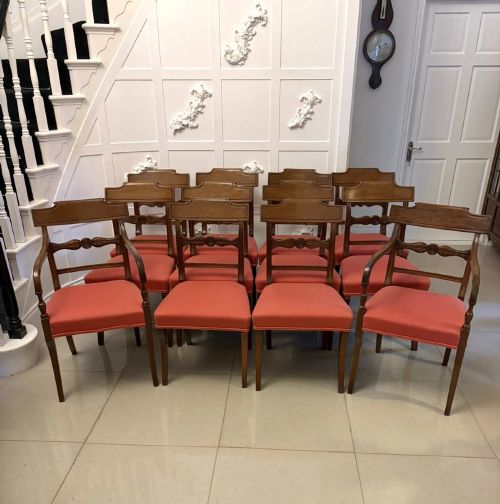
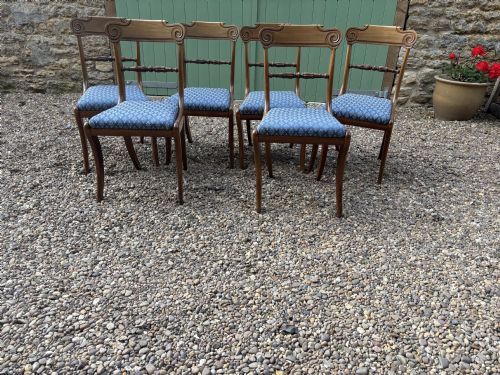
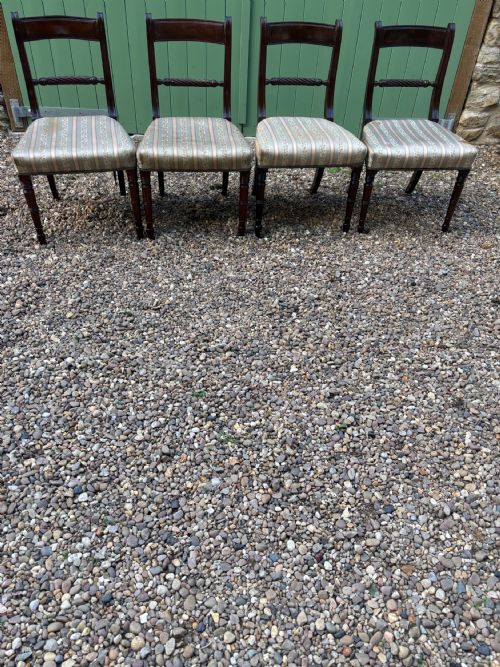
A period furniture chair brings centuries of woodworking heritage into modern rooms, ranging from robust country seating to formal dining sets. Buyers encounter formats such as sturdy oak wainscot armchairs from the seventeenth century and refined mahogany dining chairs from the Regency era.
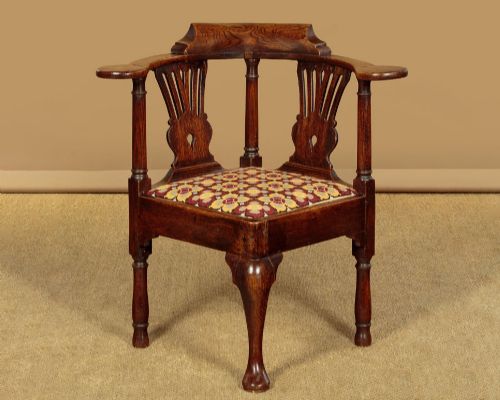
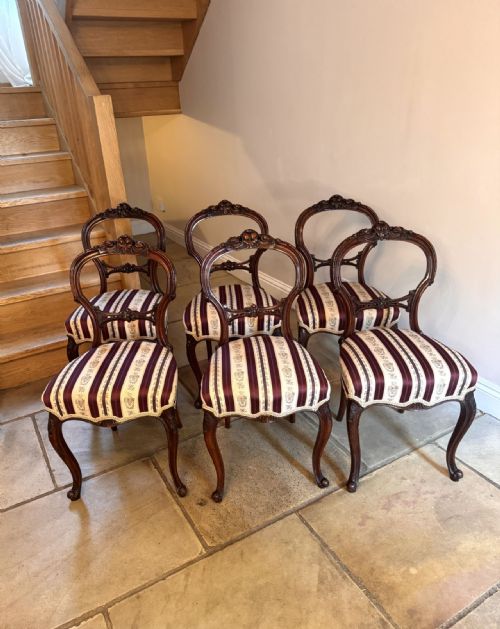
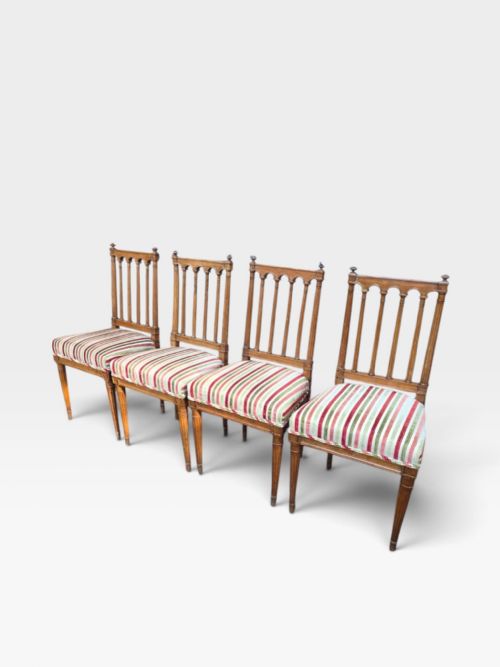
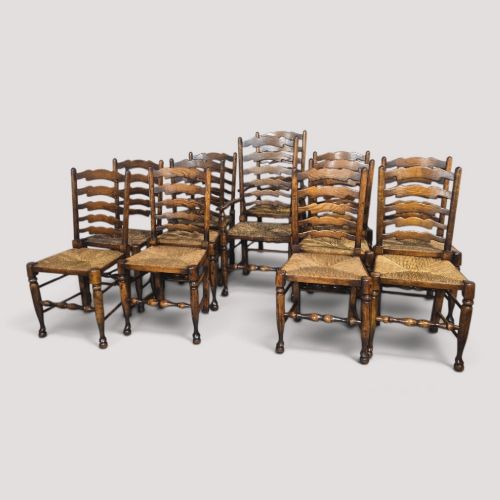
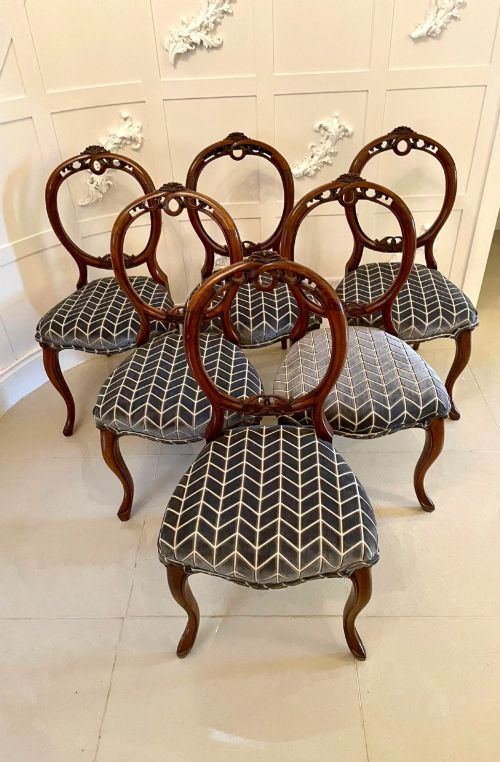
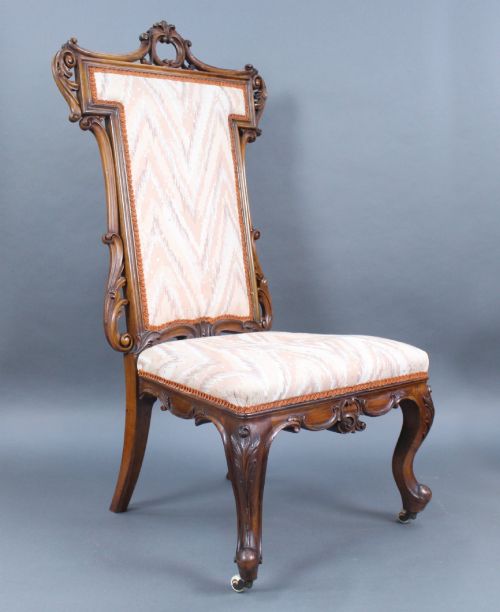
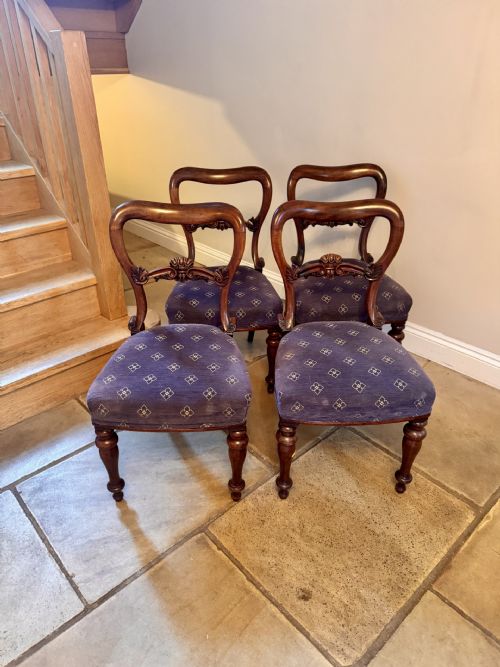
The selection on this page leans heavily towards dining chairs and armchairs shaped across the eighteenth and nineteenth centuries. Examples span walnut balloon backs, fruitwood windsors, and rosewood frames designed for specific domestic roles.
Regional variations appear across the selection, including West Country elm windsors and Scottish birch fan backs. These regional pieces provide distinct alternatives to standard metropolitan workshop productions.
Materials and construction methods
Cabinetmakers utilised dense native hardwoods such as oak, mahogany, walnut, elm, and fruitwood to construct enduring frames. Turning, carving, and joinery techniques varied according to the period, with peg joints appearing in earlier pieces and fine inlay or mahogany veneers dominating later ones.
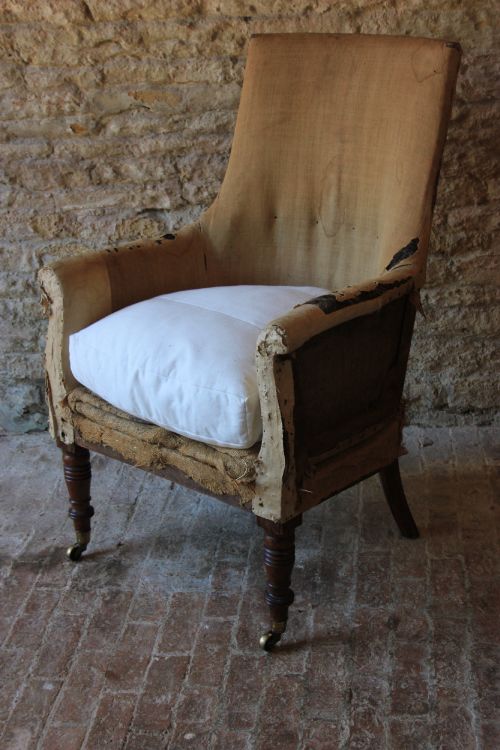
Upholstery materials range from plain leather and horsehair stuffing to decorative velvet, silk, and modern woven fabric. Brass fittings, castors, and caning provide structural and decorative details on select armchairs and library seats.
Period Furniture Chair Retail Price Guide 2026
Typical asking prices for period furniture chair among the pieces listed under this phrase on Sellingantiques today, from the lower quarter to the upper quarter. They describe what is for sale here now, not the wider market.
An eighteenth century fruitwood chair serves double duty as a desk, side, bedroom, and hall seat simultaneously.
Distinctions in craftsmanship and preservation
Quality rests in the integrity of the timber joints, the crispness of carved elements, and the retention of original surface patination. Pieces that retain their structural rigidity without excessive timber replacement hold greater integrity.
Refinement in proportion and the subtlety of turned stretchers or carved splats separate standard production seating from exceptional examples. The harmony between the wood grain and the overall form dictates the visual strength of the chair.
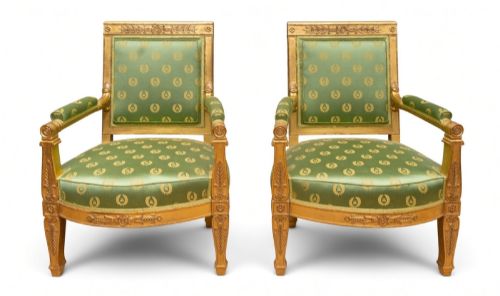
Jacob Desmalter·Strahan
The Period Furniture Chair Glossary
- Carver
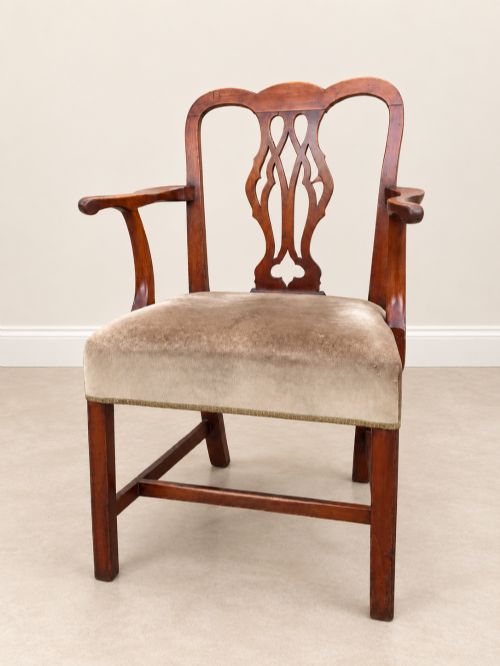
- An armchair designed to match a set of smaller dining side chairs, usually placed at the head of a table. These often feature more elaborate arm supports.
- Balloon back
- A rounded, oval-shaped wooden chair back popular during the Victorian period. This profile curves outward to support the back comfortably.
- Wainscot chair
- A heavy wooden armchair constructed primarily of oak during the seventeenth century. Solid panel backs and turned legs typify this early form.
- Windsor chair
- A wooden seating form featuring a solid saddle-shaped seat into which legs and spindles are wedged. Common variations include hoop backs and comb backs.
- Stretcher
- A horizontal wooden brace connecting the legs of a chair to provide structural rigidity. Crinoline stretchers curve outward in an arc beneath the seat.
Period Furniture Chair: Frequently Asked Questions
How do I identify a seventeenth century oak chair?
Seventeenth century oak chairs, such as wainscot models, typically display heavy timber construction joined by wooden pegs rather than metal screws. They feature solid panel backs, turned legs, and linear geometric carvings.
Surface patination on these early examples shows deep oxidisation accumulated over centuries of handling. The joinery remains stiff and robust, reflecting the heavy domestic requirements of the period.
What distinguishes a Regency dining chair?
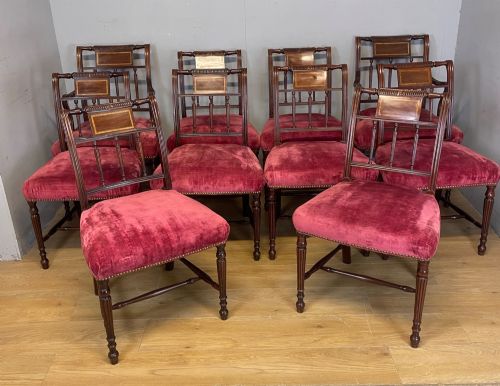
Regency dining chairs generally utilise dark mahogany or rosewood, displaying classical influences derived from Greek and Roman design. Sabre legs, carved top rails, and brass inlay frequently characterise this style.
Proportions tend to be refined and light compared to earlier Georgian heavy timber furniture. Many sets include matching carver armchairs for the heads of the table.
Are Windsor chairs comfortable for daily use?
Windsor chairs are built with sculpted wooden seats shaped to fit the body, providing surprising support without cushioning. Elm and ash timbers give the spindle backs slight flexibility.
Their sturdy frame construction makes them durable enough for continuous use around a kitchen or dining table. Adding a loose pad can increase comfort during longer sittings.
How should I care for antique wood chairs?
Antique wood chairs require stable indoor humidity levels to prevent timber shrinkage and cracking in the joints. Regular dusting with a dry cloth keeps the surface clean without moisture damage.
Applying occasional beeswax feeds the historic finish and maintains the natural lustre of mahogany, oak, or walnut. Avoid placing timber seating near direct heat sources or strong sunlight.