




Period Furniture Base
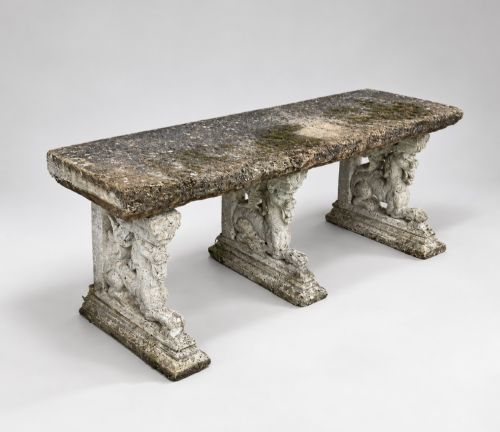
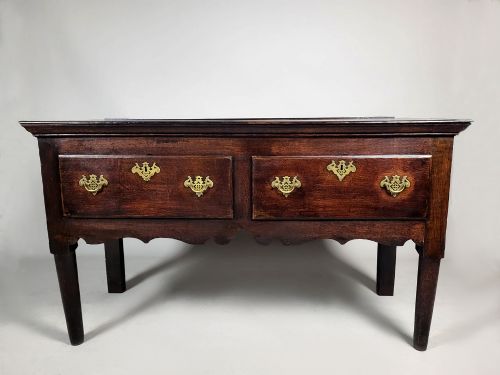
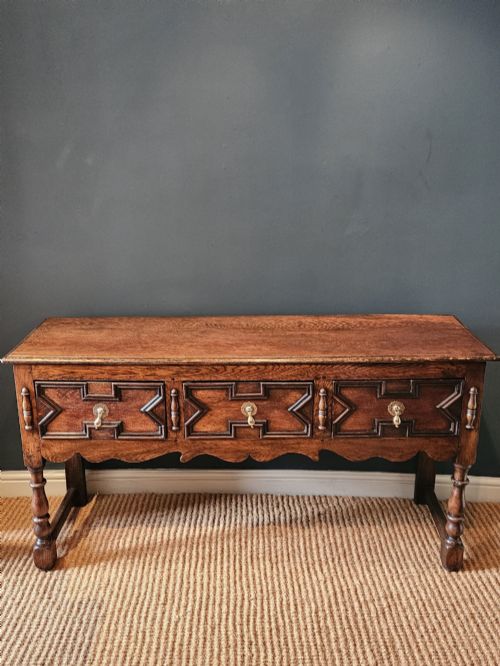
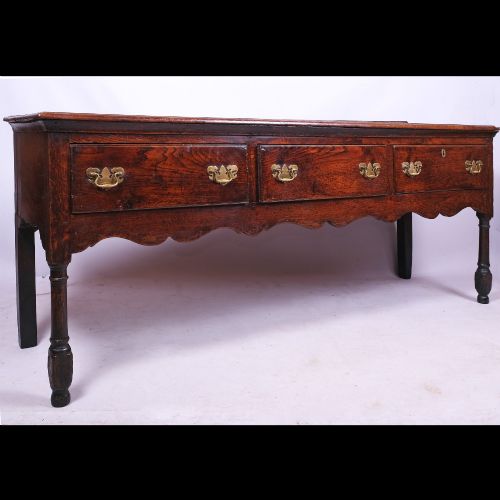
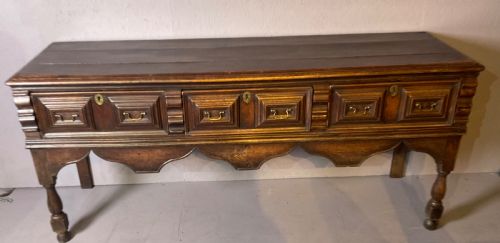
Period furniture base encompasses sturdy oak dresser bases and tables grounded by carved, pedestal, or dolphin forms across the centuries.
Period Furniture Base
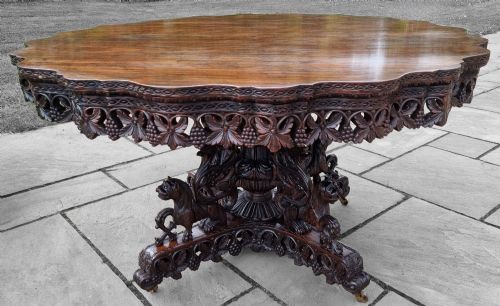
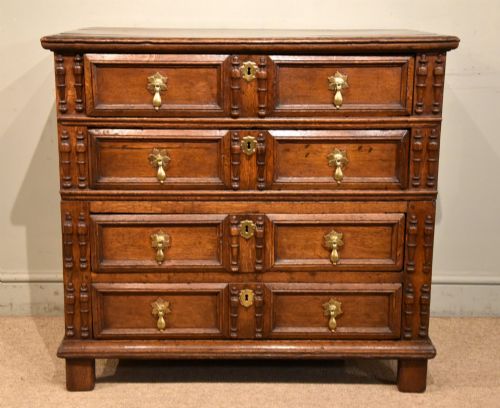
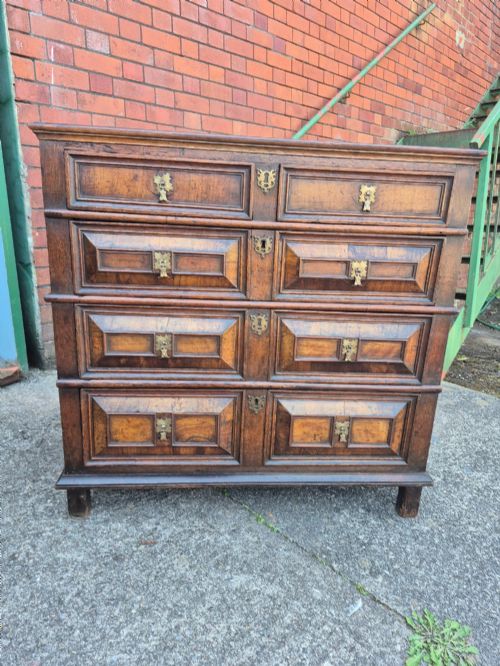
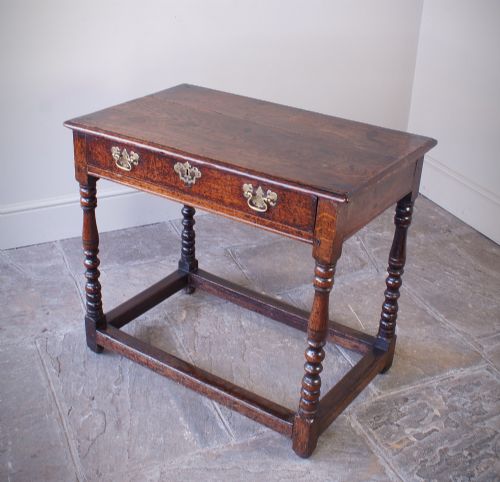
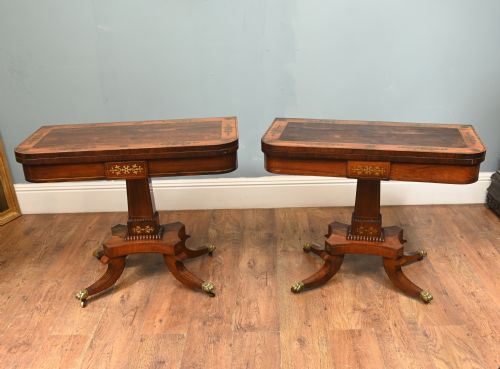
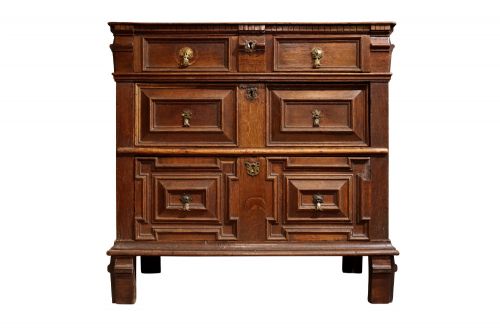
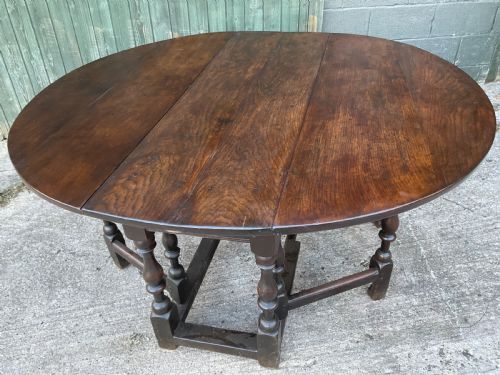
A period furniture base search gathers foundational items ranging from seventeenth-century oak dresser bases and side tables to nineteenth-century rosewood centre tables with carved or pedestal supports.
The heaviest representation on this page consists of seventeenth-century oak furniture, alongside Regency rosewood and mahogany pieces featuring distinctive support structures.
Buyers encounter functional forms built to anchor a room, from dining tables and card tables to serving dressers and chests of drawers.
Materials and construction methods
Construction relies heavily on solid timbers such as oak, mahogany, and rosewood, often enhanced with brass inlay, pollard oak veneers, or geometric mouldings.
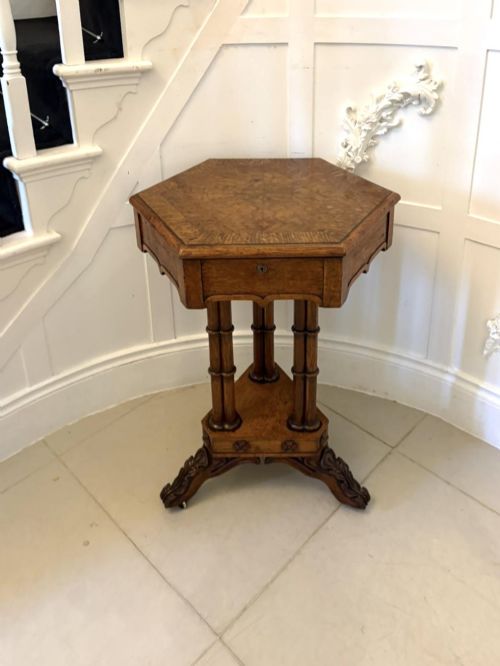
Joinery techniques span early pegged oak frames and drawer linings to later nineteenth-century veneered surfaces on pedestal and tripod structures.
Period Furniture Base Retail Price Guide 2026
Typical asking prices for period furniture base among the pieces listed under this phrase on Sellingantiques today, from the lower quarter to the upper quarter. They describe what is for sale here now, not the wider market.
Listings span periods from the seventeenth century through the Georgian and Regency eras, utilising oak, rosewood, mahogany, and walnut.
Factors determining quality
Quality rests on the crispness of carved details on pedestals and aprons, the integrity of timber grain such as figured rosewood or pollard oak, and the survival of original brasses.
The proportion between the upper surfaces and their supporting bases dictates visual balance, distinguishing standard workshop output from finer cabinet work.
Gillows of Lancaster·Thomas King
The Period Furniture Base Glossary
- Dresser Base
- The lower section of a kitchen or dining storage unit, typically fitted with drawers above cupboards or open space. These pieces served practical domestic storage needs.
- Pedestal Table
- A standalone table supported by a central pillar rising from a stable foot or plinth. This form gained popularity during the Regency and George IV periods.
- Tripod Table
- A small occasional table supported by three legs branching from a central column. They offer mobility and distinct silhouette lines.
- Geometric Moulding
- Raised wooden mouldings applied in rectilinear or geometric patterns to drawer fronts and panels. This technique defines much seventeenth-century oak cabinetry.
- Brass Inlay
- Strips of brass set flush into timber surfaces to form decorative lines or motifs. This ornamentation appears frequently on Regency rosewood furniture.
Period Furniture Base: Frequently Asked Questions
What is a period furniture base?
A period furniture base refers to the foundational structure of antique tables, cabinets, and dressers, or specifically to low oak storage units designed without upper plate racks.
These items provide surface utility and structural support, often showcasing the characteristic woodwork of seventeenth-century or Regency cabinet makers.
How do I date an oak dresser base?
Dating relies on construction methods, timber choice, and hardware, such as pegged joints and geometric mouldings seen in seventeenth-century pieces versus later eighteenth-century proportions.
Original brass pulls and handles also offer reliable clues to the manufacturing decade.
Where were pedestal tables used?
Pedestal and centre tables functioned in reception rooms and libraries as display surfaces, games tables, or breakfast tables where central support allowed unrestricted seating.
Their freestanding nature meant they occupied prominent central positions within a room layout.
What distinguishes Regency rosewood tables?
Regency rosewood tables utilise dark, figured tropical timber often highlighted by brass inlay, lyre forms, or carved dolphin and tripod bases.
These pieces reflect the neoclassical taste of the early nineteenth century and the technical skill of contemporary cabinet makers.