




Period Furniture Bar
These period furniture bar pieces combine traditional craftsmanship with practical utility, offering timeless elegance for storing and serving drinks in style.
Period Furniture Bar
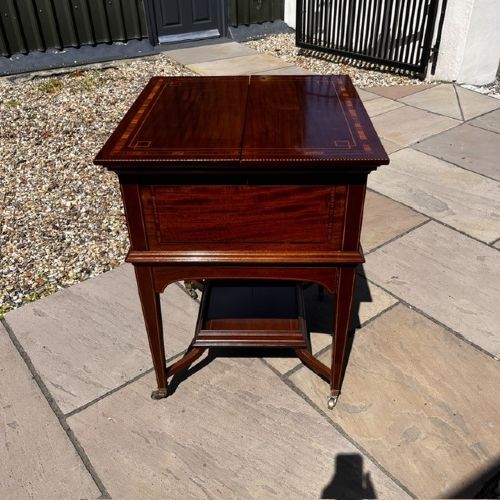
The most common forms seen on this page include mahogany cellarettes and drinks cabinets from periods such as the Regency, Georgian, and Edwardian eras. These pieces often feature fine timber construction intended to house wine and spirits securely.
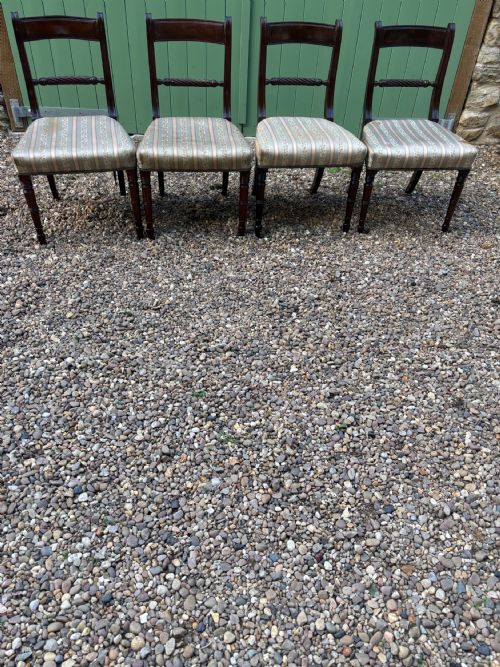
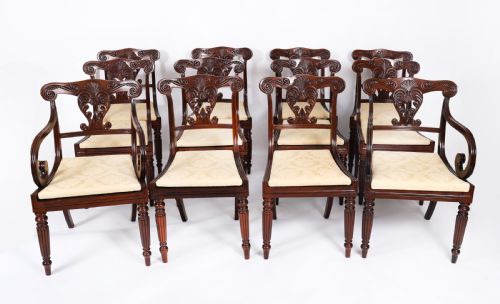
Alongside dedicated beverage storage, the selection occasionally encompasses dining seating associated with bar back designs, reflecting the broader scope of period entertaining furniture. Each object demonstrates the craftsmanship of its specific historical era.
Materials and Construction
The construction of these items relies heavily on rich timbers such as mahogany and satinwood, frequently enhanced with subtle boxwood inlay work. Craftsmen selected these hardwoods for their durability and attractive grain patterns.
Metal fittings in brass provide functional and decorative accents, particularly on cellarettes and door hardware. Joinery techniques from the Georgian and Regency periods ensure structural integrity across centuries of use.
Period Furniture Bar Retail Price Guide 2026
Typical asking prices for period furniture bar among the pieces listed under this phrase on Sellingantiques today, from the lower quarter to the upper quarter. They describe what is for sale here now, not the wider market.
Materials across the inventory include solid mahogany, satinwood, boxwood, fabric upholstery, and polished brass.
Factors of Quality
Quality in these pieces rests upon the selection of timber figures and the precision of decorative inlay work, such as contrasting satinwood and boxwood details. Superior examples display careful timber matching across primary surfaces.
The refinement of original brass mounts and the complexity of internal mechanisms in drinks cabinets separate standard items from exceptional ones. Construction integrity and period-correct hardware define the upper tier of the range.
The Period Furniture Bar Glossary
- Cellarette
- A lockable container or cabinet designed for holding bottles of wine and spirits, typically lined for insulation. These vessels often sit on low stands or castors for mobility.
- Satinwood
- A durable, lustrous timber native to India and Sri Lanka, prized for its golden yellow colour and gentle sheen. Cabinet makers utilised it extensively for contrasting stringing and decorative inlay.
- Regency
- An English design period spanning the early nineteenth century, characterised by classical revival motifs and refined proportions. Furniture from this era often incorporates bold mahogany surfaces and brass detailing.
- Inlay
- A decorative technique where contrasting materials are inserted into recessed cavities on a wooden surface to create patterns. Boxwood and satinwood frequently serve this purpose on Edwardian and Georgian pieces.
Period Furniture Bar: Frequently Asked Questions
What is a cellarette?
A cellarette is a dedicated storage container or small cabinet built to hold wine bottles and spirits securely within a dining room. They often feature fitted interior compartments and substantial timber walls to maintain bottle temperatures.
Historically placed beneath sideboard tables or in corners, these vessels kept beverages close at hand during formal meals. Many examples include lead linings or wooden dividers specifically sized for historical bottle dimensions.
How do I identify Regency furniture?
Regency furniture originates from the early nineteenth century and typically exhibits classical architectural influences inspired by ancient Greece and Rome. You will notice clean structural lines, dark mahogany timbers, and restrained brass mounts.
These pieces focus on balanced proportions and minimal carving compared to earlier styles. The integration of metal fittings and contrasting wood veneers further marks items from this distinct period.
Where were drinks cabinets used?
Drinks cabinets and wine coolers functioned primarily in formal dining rooms, libraries, and drawing rooms of grand houses. They served as secure storage for valuable wines and spirits before the advent of modern refrigeration.
Owners kept these containers locked to restrict access to expensive vintages. Their decorative exteriors ensured they contributed to the aesthetic of the principal reception rooms.
What woods are common?
Mahogany stands as the predominant timber across these listings, valued for its deep reddish-brown tone and strength. Cabinet makers frequently paired it with lighter accents like satinwood and boxwood.
These contrasting woods allowed craftsmen to create geometric borders and delicate inlay patterns on cabinet doors and lids. The combination of dense hardwoods ensured the furniture survived centuries of daily use.