








Period Front Door Knocker
A period front door knocker gives a house immediate character, offering solid metalwork from the Victorian, Georgian and 18th-century eras.
Period Front Door Knocker
A period front door knocker serves as functional architectural hardware designed to announce visitors to a house. Buyers searching this phrase encounter substantial pieces intended for external use on residential entrances.
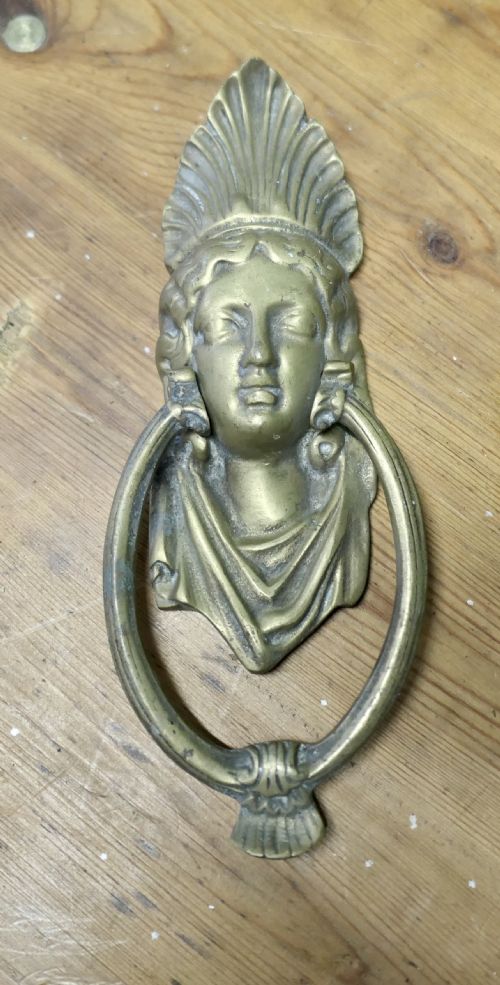
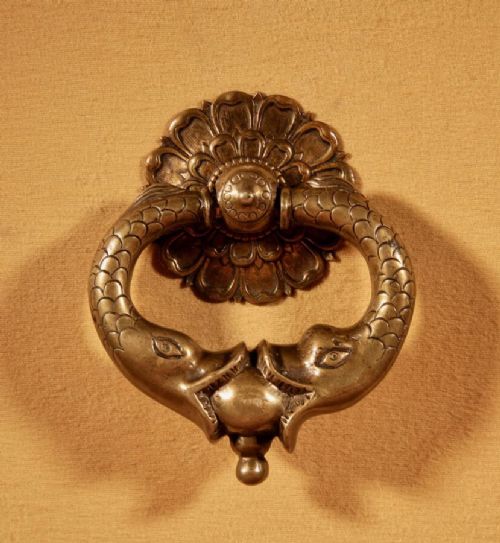
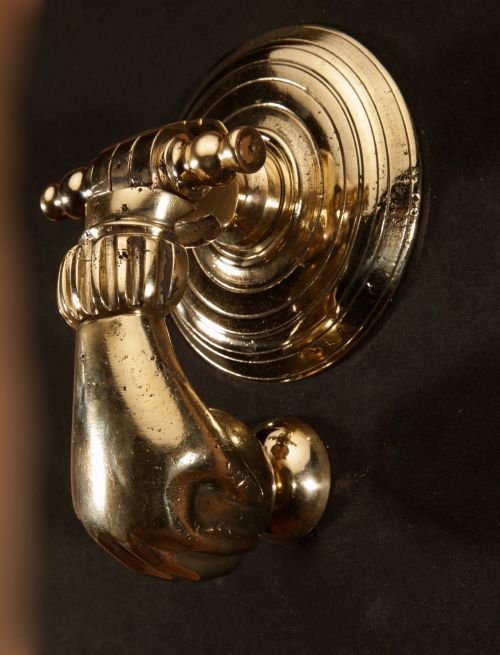
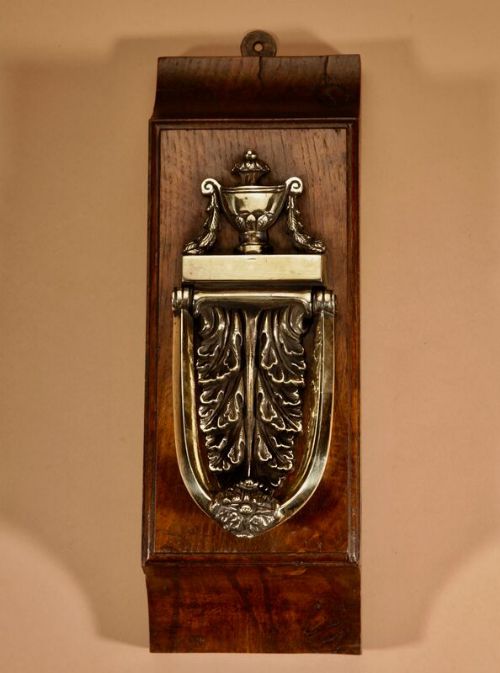
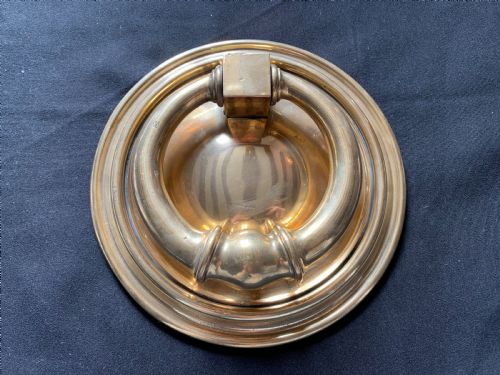
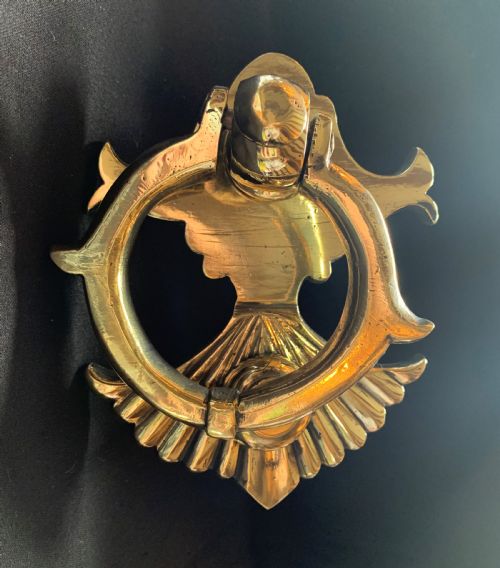
The selection on this page centres heavily on Victorian and 19th-century examples alongside Georgian pieces. Common forms range from simple drop handles and doctors style knockers to sculptural designs shaped like hands, lions, caryatids and Maltese dolphins.
Continental styles also appear, alongside complete assemblies that incorporate letterboxes and striking plates. Most pieces function as standalone door hardware forged or cast in heavy metals.
How they were made
Foundry casting dominates these pieces, utilising durable metals such as brass, bronze, cast brass, solid brass and cast iron. A small number of items incorporate lead or oak.
Foundries shaped these metals into intricate classical revival, Gothic, Louis XVI neoclassical and Regency forms. Artisans finished the raw castings with detailed chiselling and mounting plates to create functional architectural hardware.
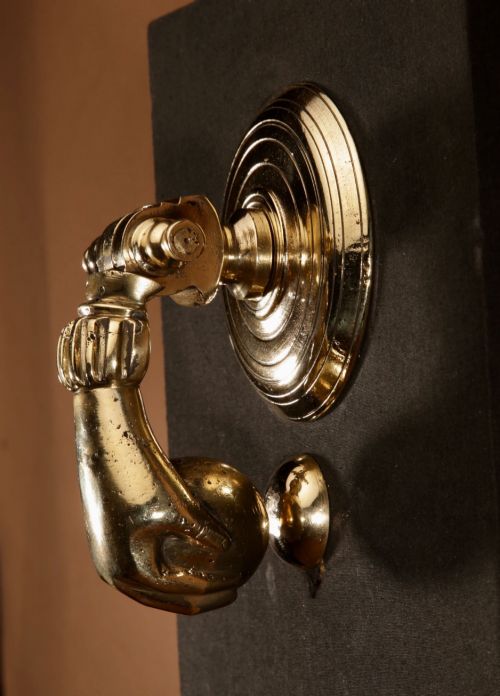
Several heavy brass hands wait to greet your visitors.
What varies in quality
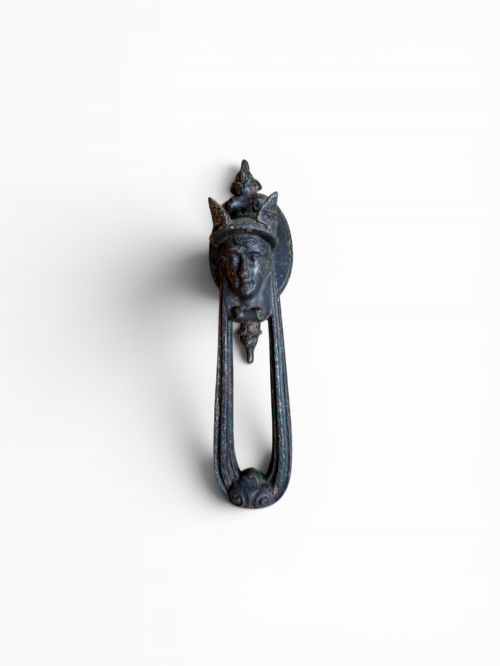
Quality rests in the crispness of the casting detail and the weight of the metal used. Sculptural motifs like Hermes heads, laurel wreaths and caryatids show sharper relief on superior pieces.
Completeness also dictates value, with items retaining their original striking plates and integrated letterboxes commanding greater interest. The choice between solid bronze, heavy brass and cast iron alters the tactile experience of using the hardware.
The Period Front Door Knocker Glossary
- Caryatid
- A sculpted female figure serving as an architectural support. These appear on Victorian brass knockers.
- Striking plate
- The metal plate mounted on the door where the knocker falls. This protects the wood from impact.
- Regency
- An English design style spanning the early 19th century. Pieces from this era draw heavily on classical motifs.
- Doctors style
- A specific Victorian door knocker design featuring a long vertical bar. These were traditionally fitted to medical practitioners' homes.
- Maltese dolphin
- A traditional marine motif frequently cast in brass for coastal or island architectural hardware. This form appears on Victorian door knockers.
Period Front Door Knocker: Frequently Asked Questions
How do I install an antique door knocker?
Most period door knockers mount directly through the wood using rear screw fixings or bolts.
Ensure the accompanying striking plate aligns properly with the hammer mechanism to prevent damage to the door surface.
Are these knockers suitable for outdoor use?
These pieces were originally manufactured for exterior placement on residential entrance doors.
Materials like solid brass, bronze and cast iron withstand weathering well while developing a natural patina over time.
How do I identify a Victorian knocker?
Victorian examples often display heavy cast brass construction with Gothic, classical revival or marine motifs such as dolphins and lions.
Many pieces from this period incorporate functional additions like letterboxes or doctors style striking bars.
What is the difference between brass and bronze knockers?
Bronze contains a copper and tin alloy that typically yields a deeper, darker tone and heavier weight.
Brass consists of copper and zinc, producing a brighter golden finish that was widely utilised across 19th-century architectural hardware.