


Period French Chair
These period french chair designs combine historic craftsmanship with formal seating traditions, offering rich upholstery and carved frames for elegant interiors.
Period French Chair
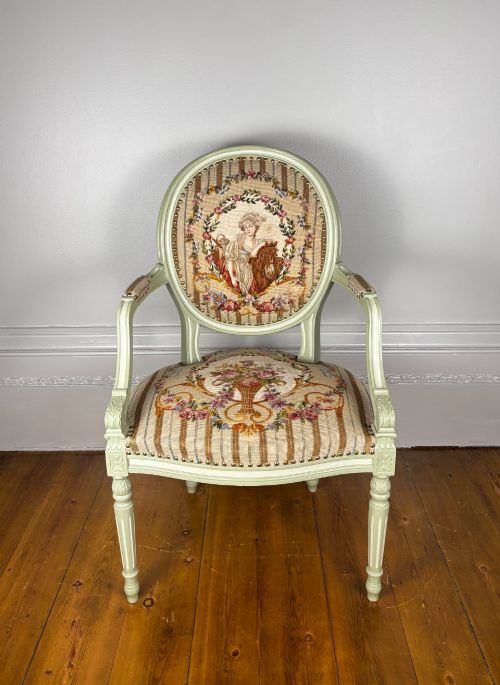
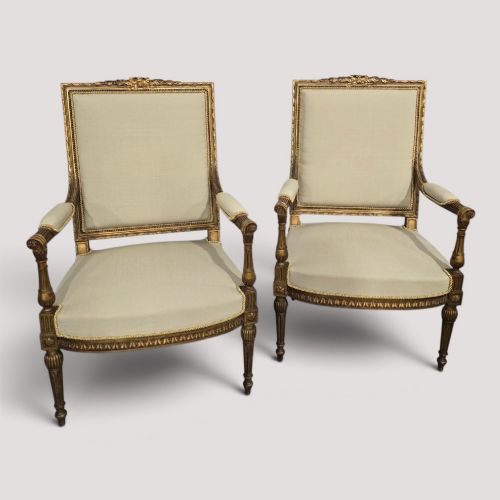
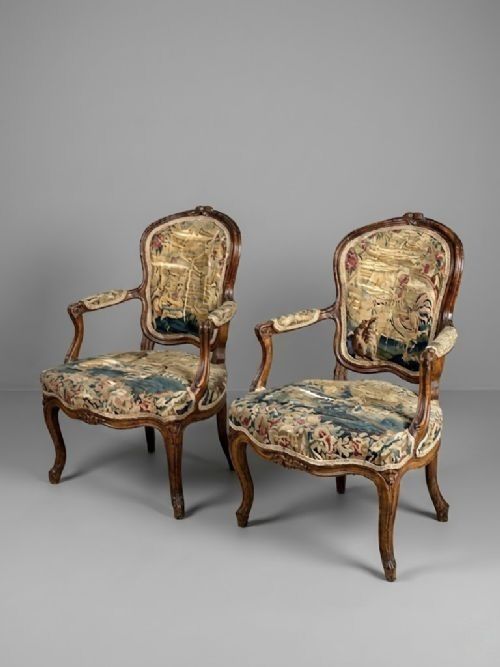
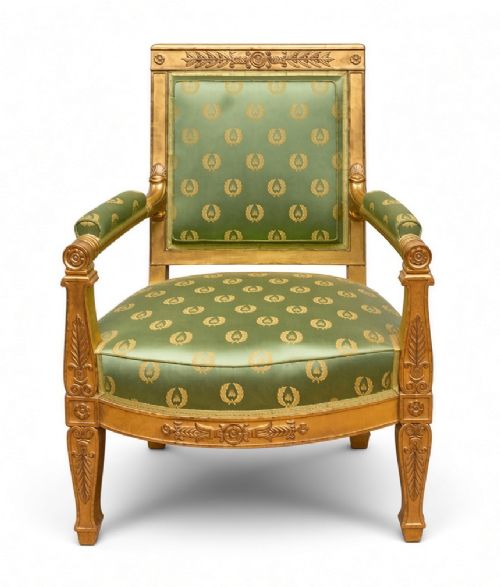
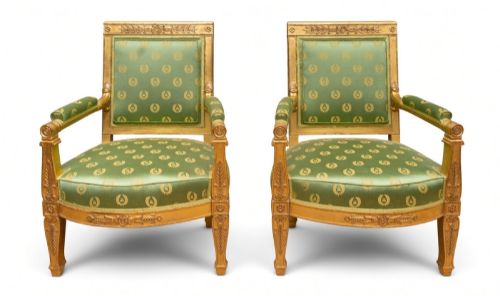
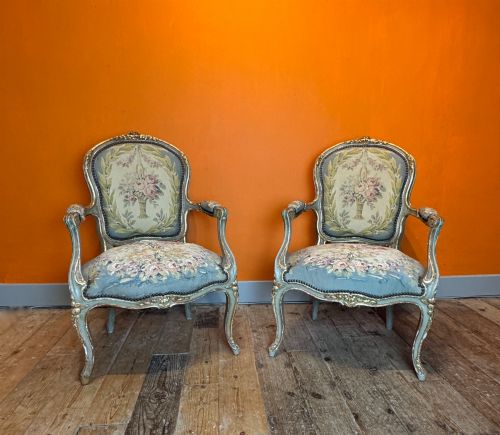
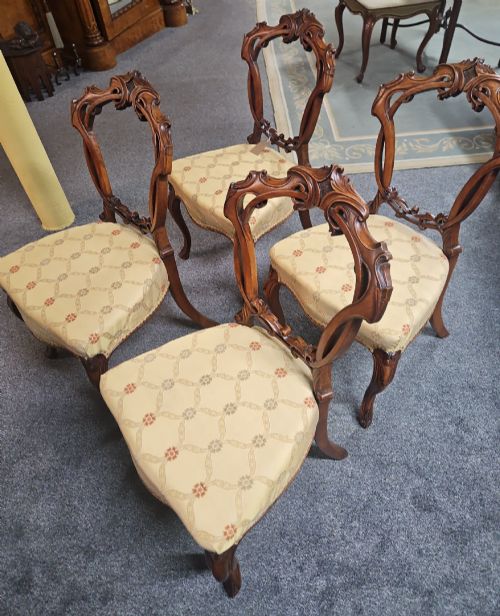
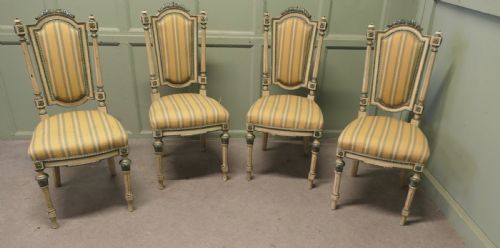
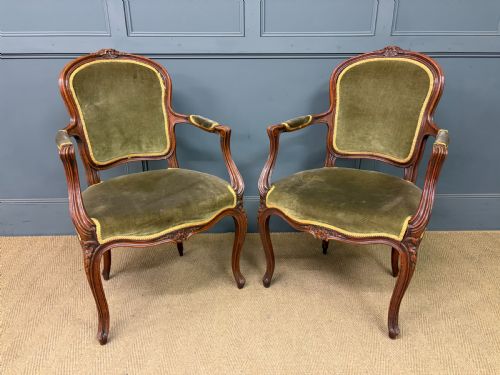
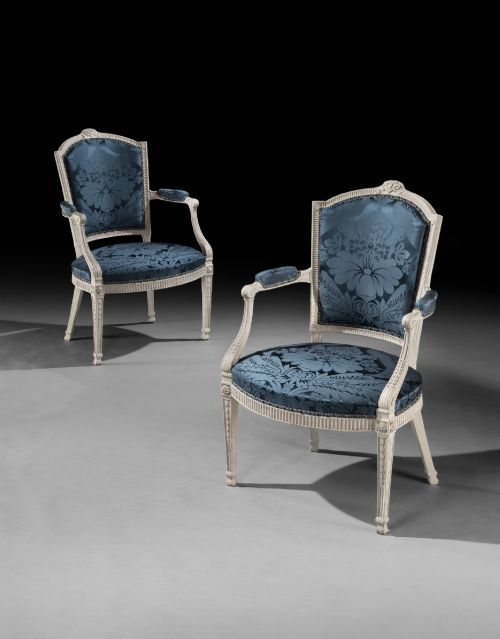
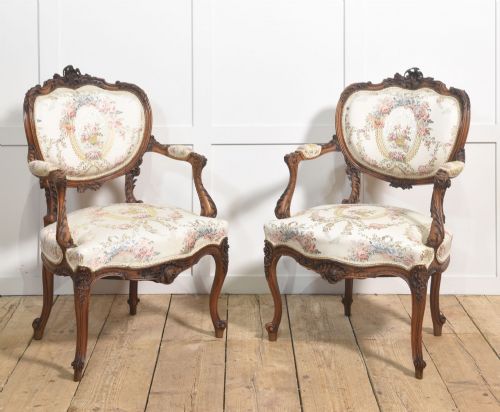
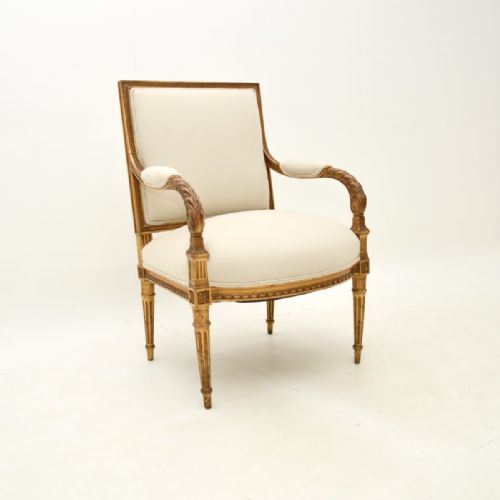
A period french chair encompasses formal seating forms such as fauteuils, bergères, and salon chairs originating from centuries of European design. Buyers searching for a period french chair typically encounter pieces framed in giltwood, walnut, or painted beech, drawing on Louis XVI, Regence, and Art Deco styles.
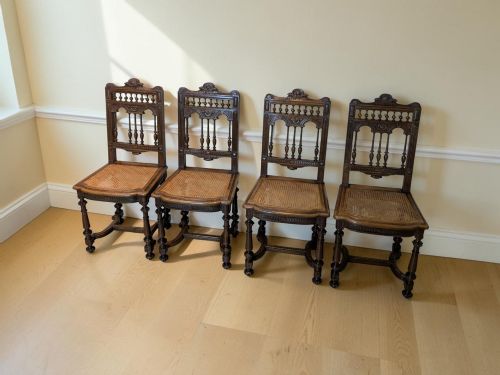
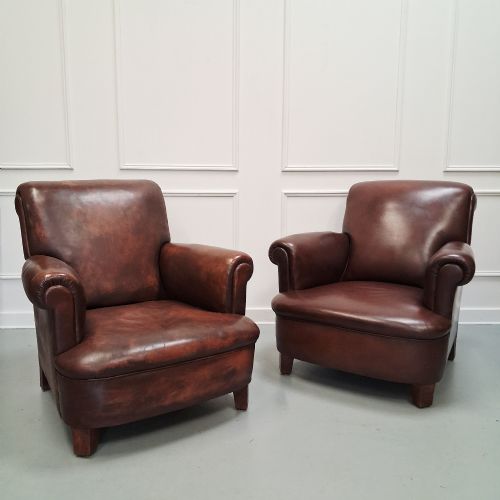
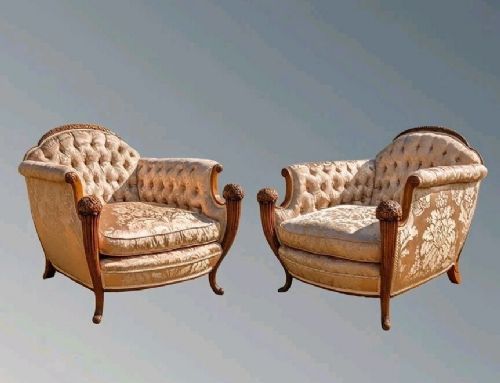
The selections span from 18th-century giltwood armchairs to 19th-century salon suites and 1930s club chairs. These seats served in formal drawing rooms, parlours, and dining spaces, reflecting the shifting tastes of French decoration from ornate rococo revival to clean geometric lines.
How They Were Made
Frames rely on traditional timbers such as walnut, beech, mahogany, and oak, carved by hand with floral motifs, scrolls, or fluted legs. Giltwood surfaces feature layers of gold leaf applied over gesso, while painted frames often display parcel gilt highlights.
Upholstery techniques involve traditional stuffing secured to webbing, finished with textiles including silk, leather, needlepoint, and tapestry. Joinery utilises mortise and tenon construction to ensure structural rigidity across open armchairs and closed bergères.
Period French Chair Retail Price Guide 2026
Typical asking prices for period french chair among the pieces listed under this phrase on Sellingantiques today, from the lower quarter to the upper quarter. They describe what is for sale here now, not the wider market.
The recorded periods span from 18th-century pieces to 1930s Art Deco club chairs.
What Varies in Quality
The depth and crispness of hand-carved ornamentation separate exceptional frames from standard production, as skilled artisans achieved greater definition in acanthus leaves and ribbon twists. Original gilding and untouched historic paint surfaces carry higher regard than later redecoration.
The integrity of the timber frame and the survival of period textiles, such as 18th-century needlepoint or pure silk, heavily influence the standing of an individual chair. Proportion and balance between the open arms, backrest, and cabriole or tapered legs dictate the overall harmony of the design.
Jacob-Desmalter·Blaise Maucuy
The Period French Chair Glossary
- Fauteuil
- An open-arm armchair with upholstered back and seat, typically featuring exposed wooden framing. These chairs became central to French salon culture during the 18th century.
- Bergère
- An enclosed upholstered armchair featuring padded sides and a loose seat cushion. This form provides deeper comfort than standard open-arm seats.
- Giltwood
- Timber coated with a thin layer of gold leaf. This finish defines high-status furnishings across multiple European decorative periods.
- Rococo
- A decorative style characterised by asymmetrical curves, scrollwork, and organic motifs. It heavily influenced mid-18th-century French seating design.
- Tapestry
- A heavy hand-woven textile depicting pictorial scenes or geometric patterns. These fabrics were frequently utilised for high-end period upholstery.
Period French Chair: Frequently Asked Questions
How do I identify a true period french chair?
Authentification relies on examining the timber species, hand-carved joint details, and traditional construction methods beneath the upholstery. Historic tool marks and period-appropriate finish layers provide clear indicators of age.
Comparing the stylistic vocabulary, such as Louis XVI straight fluted legs or Regence cartouche backs, against documented historical examples confirms the era of production.
Were these chairs used for dining or lounging?
Seating forms varied by function, with dining chairs designed for upright posture around a table, while salon chairs, fauteuils, and bergères offered comfort for conversation and leisure.
Formal rooms featured matching suites of armchairs and side chairs arranged to facilitate social gatherings and entertaining.
How should I care for historic upholstery?
Preserving antique textiles requires protection from direct sunlight to prevent fading and fibre degradation. Regular gentle vacuuming with a low-suction attachment removes dust without stressing delicate fabrics.
Professional textile conservators should handle any deep cleaning or structural repairs to fragile silk and tapestries.