


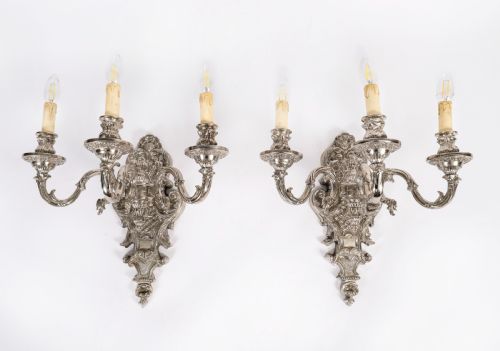


Period French Bronze Lighting
Period french bronze lighting brings warmth and architectural presence to a room through heavy cast metal and rich surface gilding.
Period French Bronze Lighting
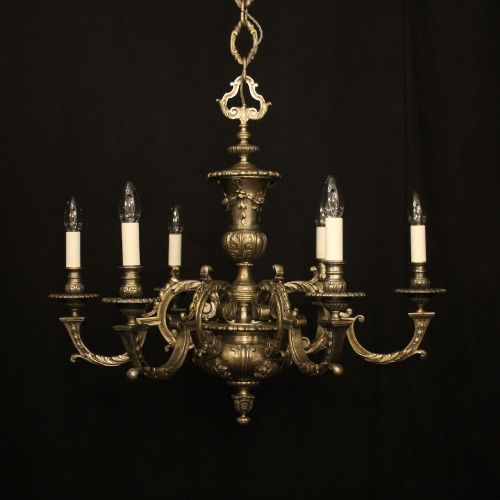
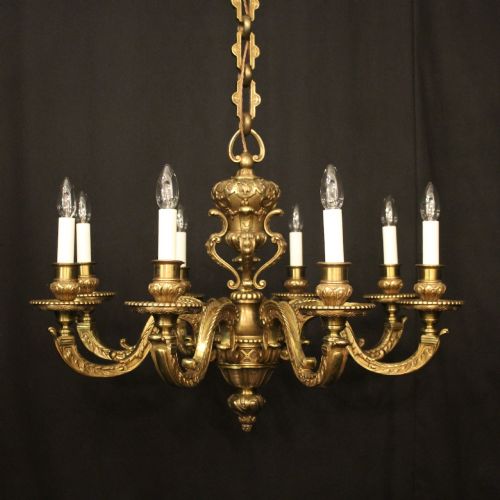
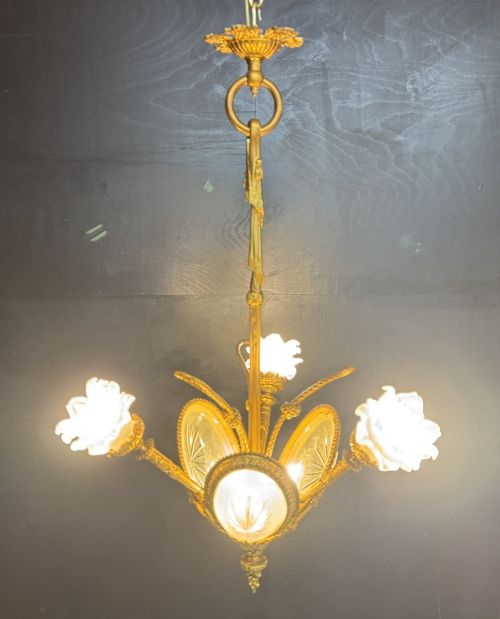
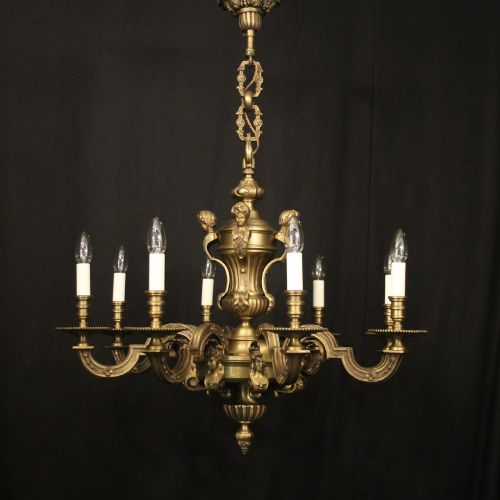
Period french bronze lighting encompasses chandeliers, candelabra, wall lights, and candlesticks originating from French workshops across the eighteenth, nineteenth, and early twentieth centuries. Buyers seeking these fixtures encounter heavy metal forms designed to hold multiple candles or electric bulbs, shaped according to classical and revival aesthetics.
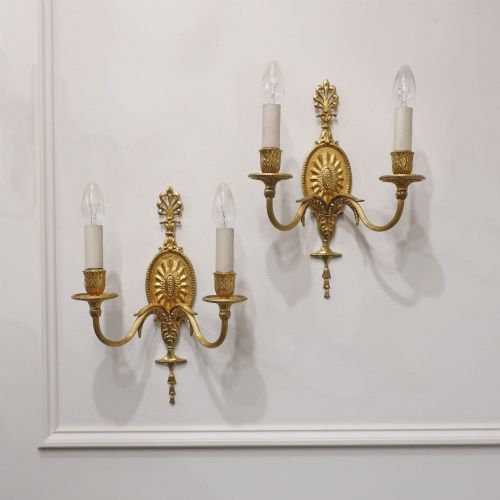
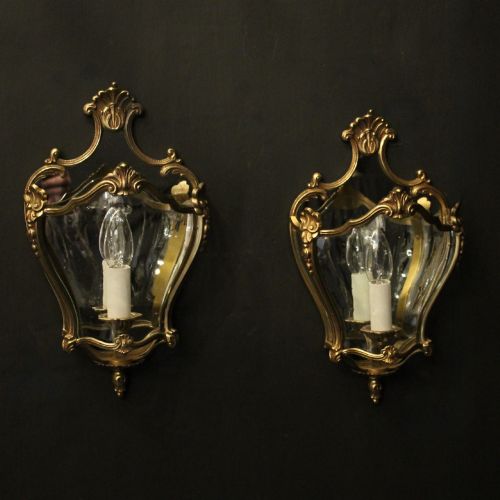
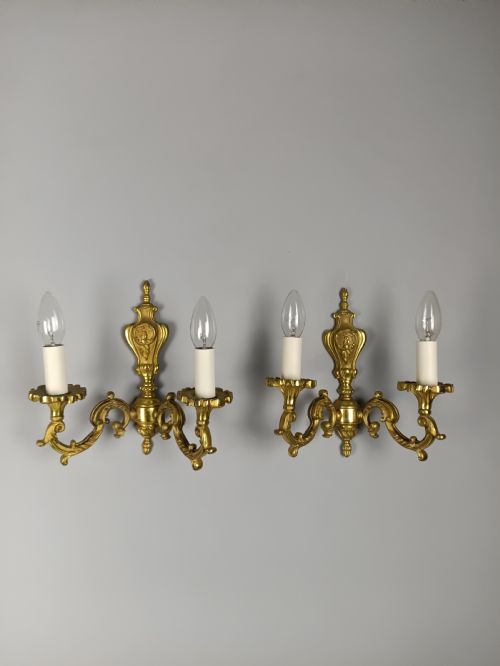
The most common survival on this page is the pair of wall lights or candelabra cast in bronze or brass and finished with ormolu or gilding. These domestic pieces range from simple single-arm sconces to large multi-light chandeliers dripping with crystal drops.
Origins trace directly to continental design movements, including French Empire, Regency, and Louis XVI period styles. Makers utilised heavy casting methods to create durable fixtures that survived centuries of domestic use.
Materials and technique
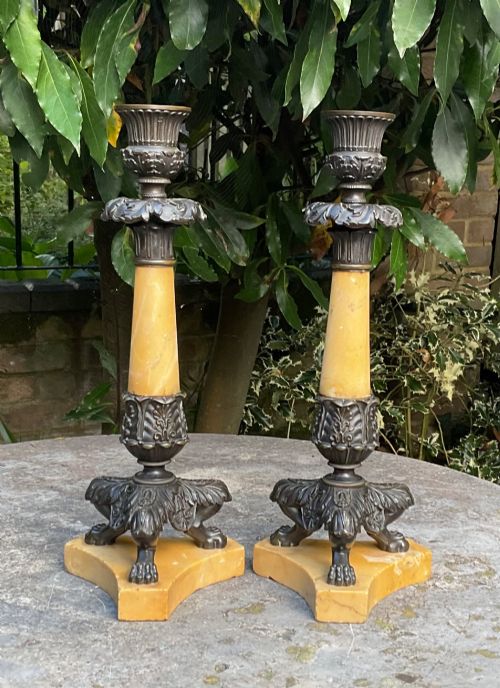
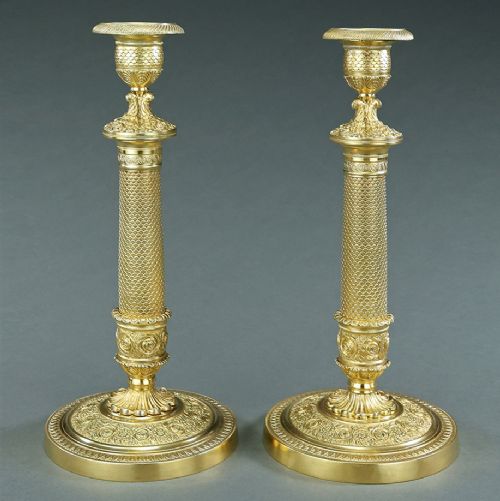
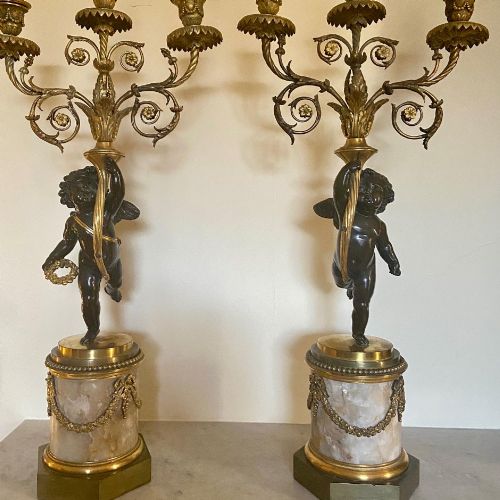
Foundries produced period french bronze lighting by casting bronze, brass, and copper alloys into detailed moulds before applying mercury gilding or ormolu finishes. Artisans combined patinated dark bronze with bright polished gilt sections to create contrast across the surface of candelabra and wall lights.
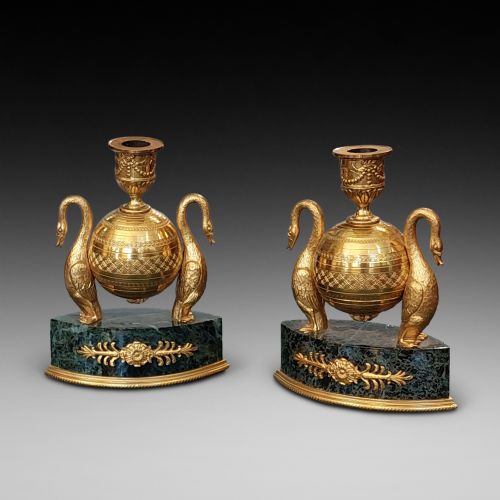
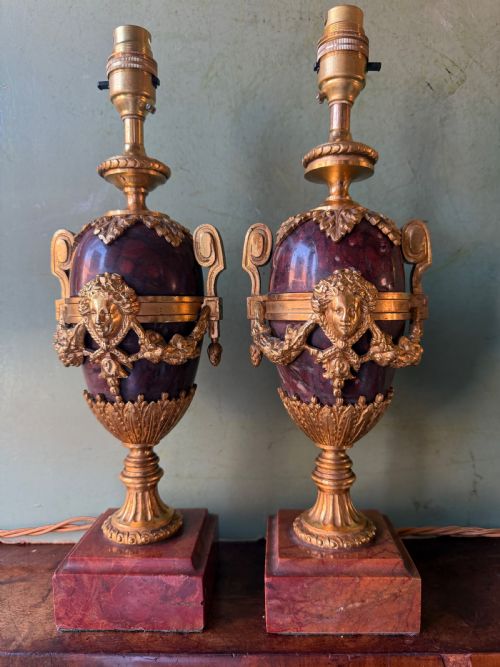
Decorative elements incorporate inserted mineral components such as marble plinths, fluorspar, and slate beneath mounted metal figures. Chandeliers and wall sconces frequently integrate cut glass and crystal pendants suspended from metal armatures.
Assembly relied upon threaded pins, screws, and hand-chasing to refine the cast details after removal from the foundry moulds. Subsequent centuries brought rewiring for electricity while retaining the original cast metal bodies.
Period French Bronze Lighting Retail Price Guide 2026
Typical asking prices for period french bronze lighting among the pieces listed under this phrase on Sellingantiques today, from the lower quarter to the upper quarter. They describe what is for sale here now, not the wider market.
Several heavy nineteenth-century candelabra feature cast bronze dolphins serving as structural scroll feet.
Quality variations
Quality in period french bronze lighting rests upon the crispness of the hand-chiselling after casting and the depth of the original mercury gilding. Superior examples display sharp relief in acanthus leaves and figural details, whereas lower tiers show softer, blurred contours from worn moulds.
The weight of the metal and the integrity of the joins separate standard production from exceptional foundry work. Signed pieces with documented maker attributions demonstrate superior craftsmanship in the internal assembly and mounting of marble or crystal components.
Francois Redmond·Rabiat
The Period French Bronze Lighting Glossary
- Ormolu
- A technique of applying finely ground high-carat gold amalgam to a bronze object before firing. This produces a durable golden surface finish characteristic of fine French metalwork.
- Candelabra
- A branched candlestick designed to hold multiple taper candles simultaneously. These fixtures often feature removable central finials or figural shafts.
- Patinated Bronze
- Metal treated with chemicals and heat to darken the surface to a deep brown or black tone. This contrasts with bright gilt highlights on classical figures.
- Fluorspar
- A halide mineral used as an ornamental base or decorative mount on eighteenth-century lighting. Its natural colour banding adds visual variety to stone plinths.
- Chasing
- The hand-tooling of cast metal with small punches and chisels to sharpen surface details. Master metalsmiths used this step to define hair, drapery, and foliage.
Period French Bronze Lighting: Frequently Asked Questions
How do I clean period bronze lighting?
Dust bronze and ormolu fixtures gently with a dry microfibre cloth to protect the fragile surface finish. Avoid chemical metal polishes, which strip away historical gilding.
Maintain crystal drops by washing them separately in warm soapy water before reattaching them to the chandelier frame.
Are these lights wired for electricity?
Many surviving wall lights and chandeliers have been adapted for modern electrical supplies over time. Rewired fixtures allow for safe integration into contemporary domestic wiring systems.
Some candelabra and candlesticks remain configured exclusively for taper candles in their original state.
How do I identify Empire style lighting?
Empire pieces draw inspiration from classical antiquity, featuring motifs like military trophies, sphinxes, swans, and formal acanthus leaves. The metalwork relies on a strict contrast between dark patinated bronze and bright gilt bronze.
Marble plinths and strict symmetrical arrangements further define this nineteenth-century design vocabulary.
Can wall sconces be mounted outdoors?
Period French wall lights and lanterns were constructed for indoor domestic drawing rooms and salons. Their delicate gilding and historical wiring components are unsuited to exterior weather exposure.
Install these antique fixtures indoors in protected hallways, dining rooms, or living spaces.