


Period Framed Artwork
Period framed artwork brings historical depth to a room through centuries of painted portraiture, delicate watercolours and striking prints.
Period Framed Artwork
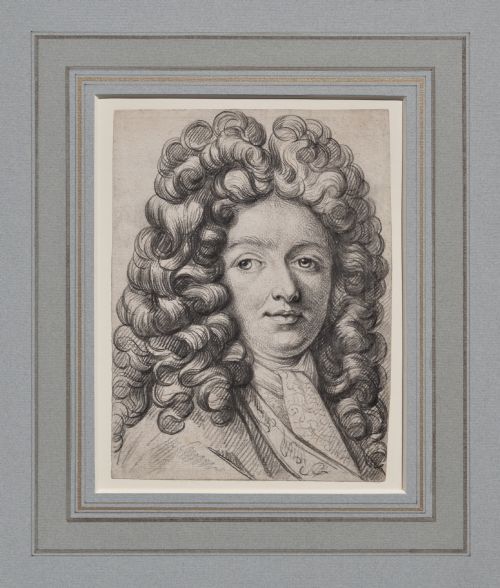
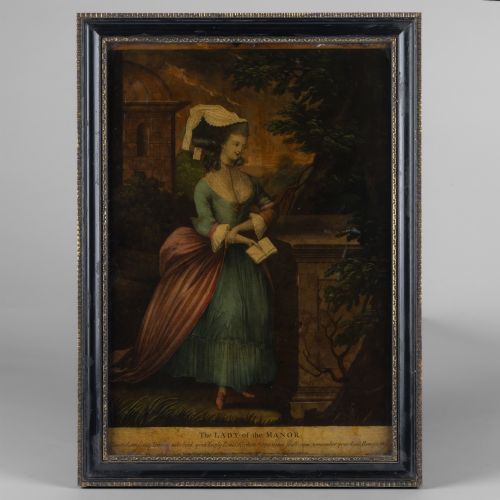
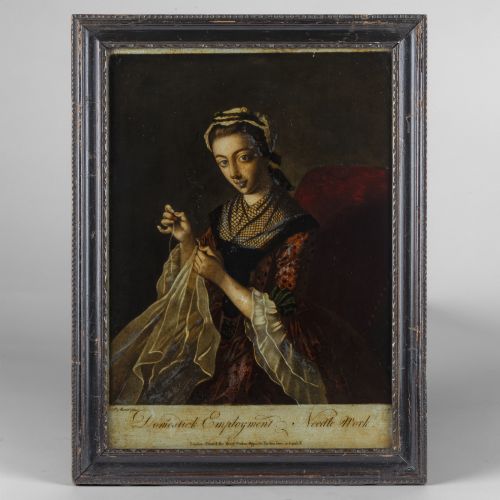
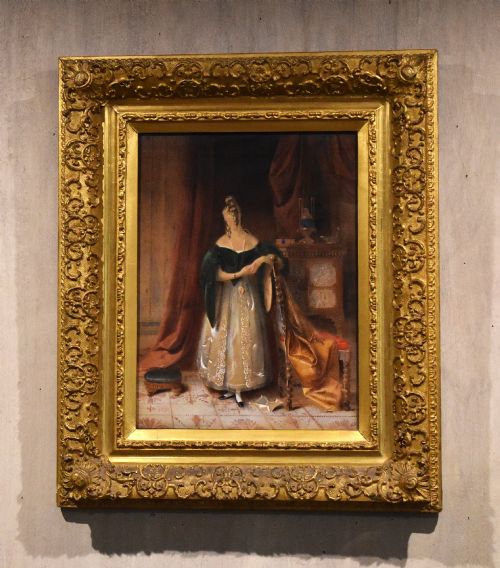
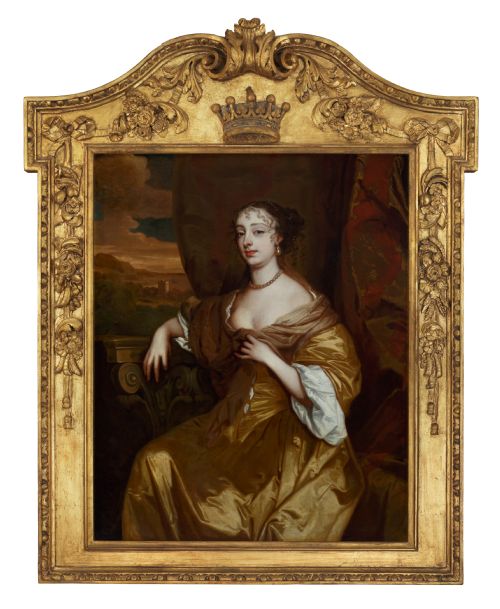
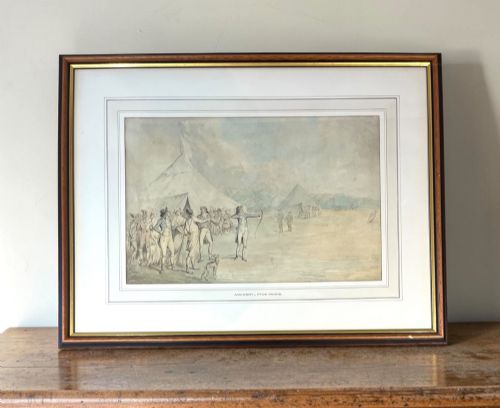
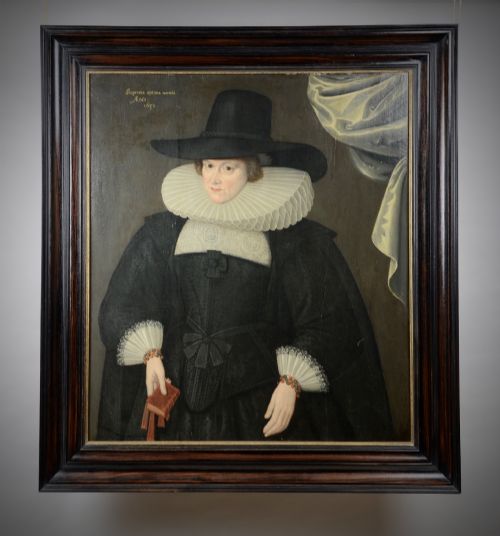
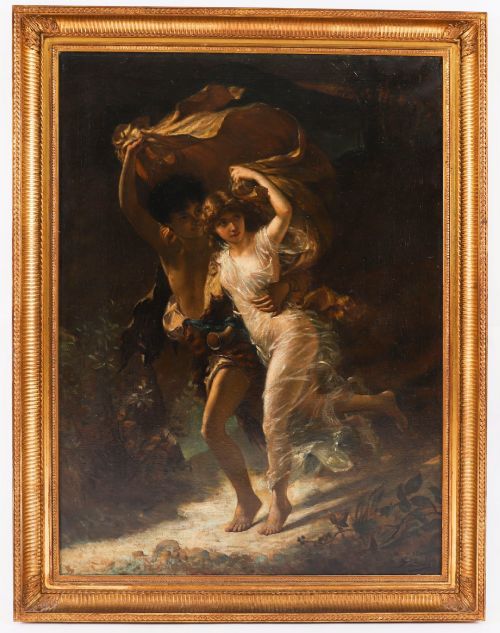
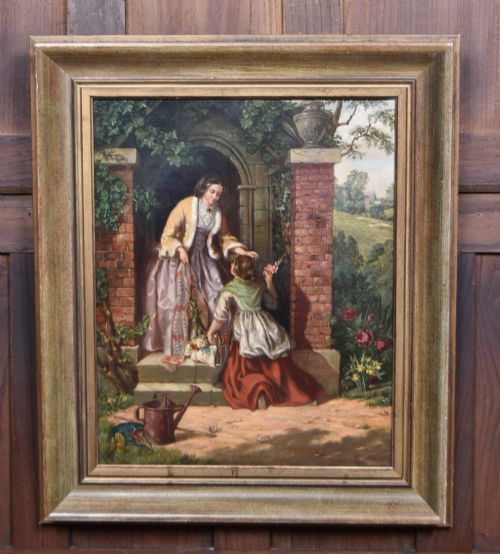
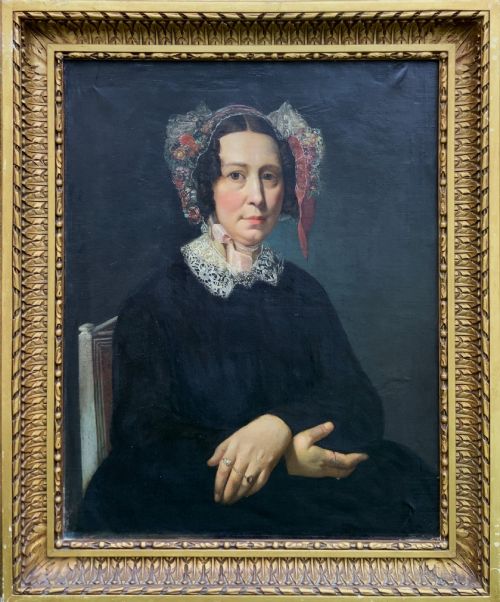
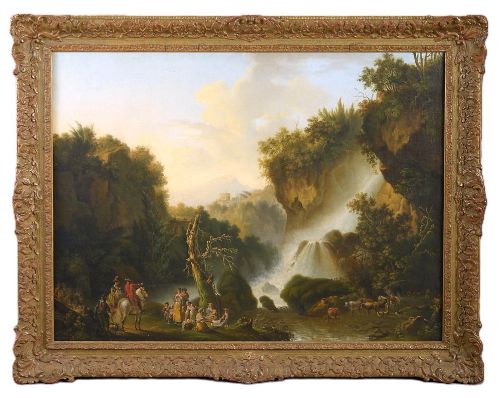
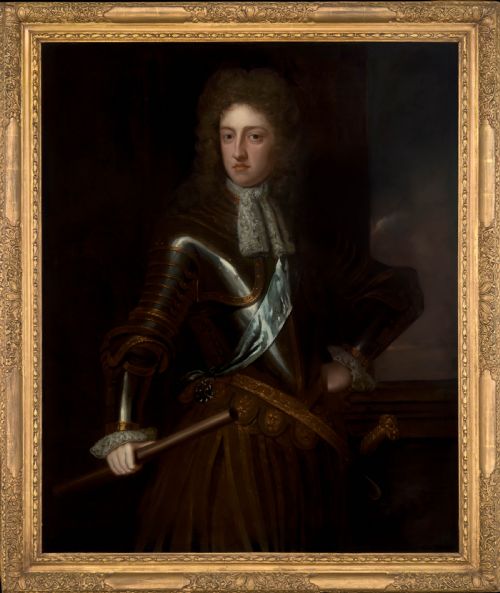
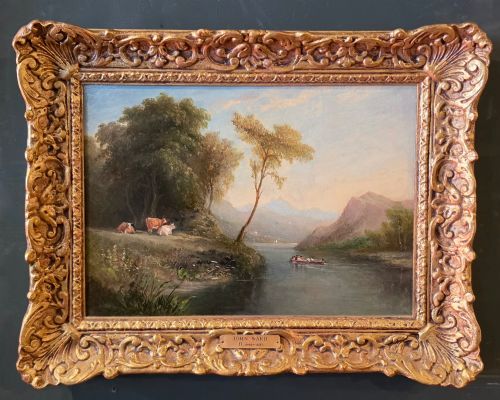
When searching for period framed artwork, a buyer encounters a rich assortment of historical paintings, drawings and prints housed in their original or period-appropriate surrounds. Oil on canvas portraits dominate the selection, spanning from the seventeenth century through the Victorian era.
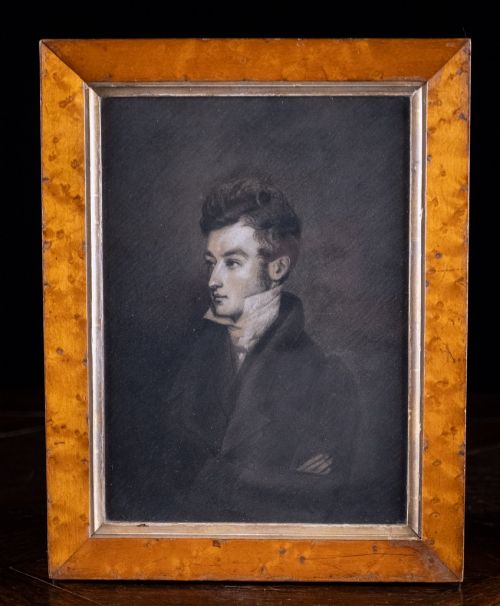
The assortment includes works from various European schools, alongside Japanese woodblock prints and detailed watercolours. Portraiture forms the backbone of these offerings, depicting noble figures, children and gentlemen from distinct historical moments.
Materials and Techniques
Makers utilised traditional oil paints on stretched canvas or wooden panels, often building up rich layers of pigment to capture fabric textures and facial expressions. Watercolours and pastels on paper represent alternative techniques employed for intimate miniatures and studies.
Frames are constructed from wood and finished with giltwood or gold leaf, providing structural support and decorative brilliance. Glass frequently protects works on paper, such as prints, engravings and silhouettes.
Period Framed Artwork Retail Price Guide 2026
Typical asking prices for period framed artwork among the pieces listed under this phrase on Sellingantiques today, from the lower quarter to the upper quarter. They describe what is for sale here now, not the wider market.
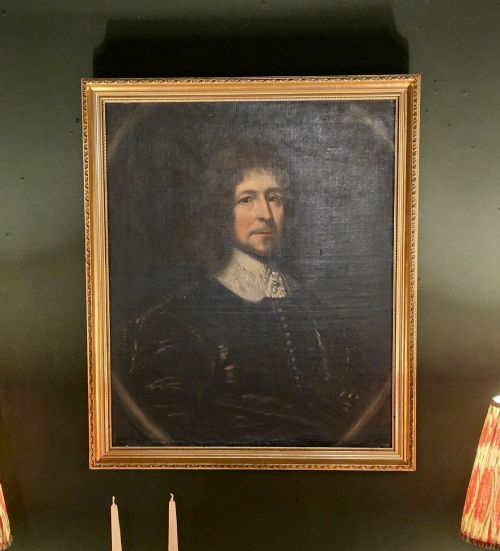
A seventeenth-century portrait preserves a noble subject brandishing a pistol, proving that historical ancestors enjoyed a dramatic pose.
Evaluating Quality
The distinction between tiers rests upon the skill of the brushwork and the anatomical accuracy achieved by the artist or studio. Superior pieces display confident handling of light, shadow and fabric folds, whereas lesser examples exhibit stiffer execution.
The integrity of the surrounding frame and its harmony with the artwork contribute significantly to the overall merit. Original frames that retain their initial gilding elevate the piece above those housed in later replacements.
Studio of Sir Godfrey Kneller·Studio of Sir Peter Lely·Katsukawa Shunshō
The Period Framed Artwork Glossary
- Giltwood
- Wood carved and covered with a thin layer of gold leaf or metal powder. This finish brings a warm, reflective border to historical paintings.
- Mezzotint
- A printmaking process where the copper plate is roughened to achieve rich tonal gradations. This technique allows for subtle shadows in portraits.
- Woodblock print
- An image carved into a wooden block, inked, and transferred onto paper. Japanese examples from the Edo period utilise this method.
- Oil on canvas
- Pigment mixed with drying oil applied to a woven fabric support. This combination offers durability and depth of colour.
- Baroque
- An artistic style characterised by drama, tension and grandeur. Pieces from this era often feature rich, dark backgrounds with strong illumination.
Period Framed Artwork: Frequently Asked Questions
How do I hang a heavy oil painting?
Heavy oil paintings require secure picture hooks fixed directly into wall studs or heavy-duty cavity wall anchors. Using two separate hanging points distributes the weight evenly and keeps the frame straight.
Ensure the hanging wire or cord attached to the frame is robust and properly secured to the wooden stretcher bars. Professional framing services can supply appropriate hardware for substantial giltwood frames.
Where should I place period artwork?
Period framed artwork thrives in principal living spaces, hallways or studies where lighting can be controlled. Avoid placing delicate watercolours, pastels or prints in direct sunlight to prevent fading of the paper and pigments.
Maintain stable room temperatures and avoid hanging pieces against damp exterior walls or directly above active radiators. Consistent environmental conditions protect both the canvas and the wooden frame from warping.
How do I date a frame?
Dating a frame involves examining the construction methods, corner joints and the composition of the gesso or plaster beneath the giltwood. Hand-carved wooden mouldings often indicate earlier craftsmanship, while later Victorian versions utilise different casting techniques.
Signs of age, such as shrinkage cracks in the gesso and oxidation of the gold leaf, help confirm the period. Comparing the style of the frame to the date of the artwork provides further context.