

Period Folding Table
A period folding table provides flexible surface area through ingenious hinges and leaves, bringing centuries of adaptable English cabinet-making into a modern room.
Period Folding Table
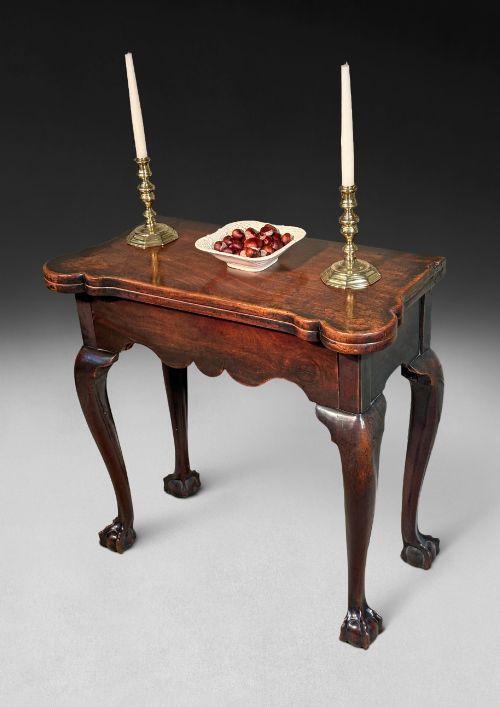
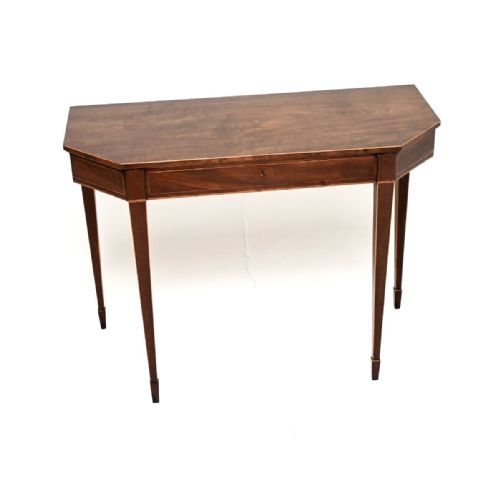
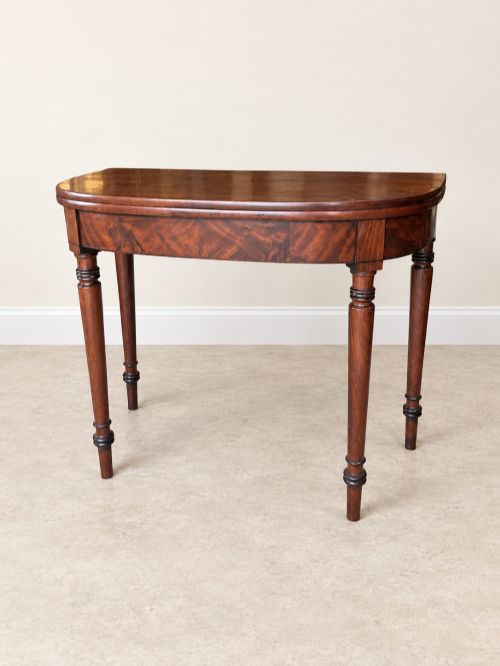
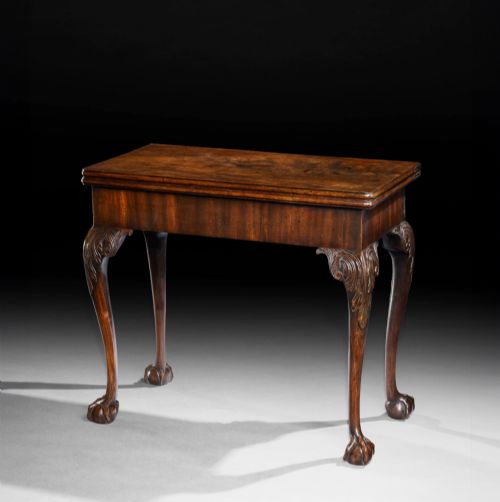
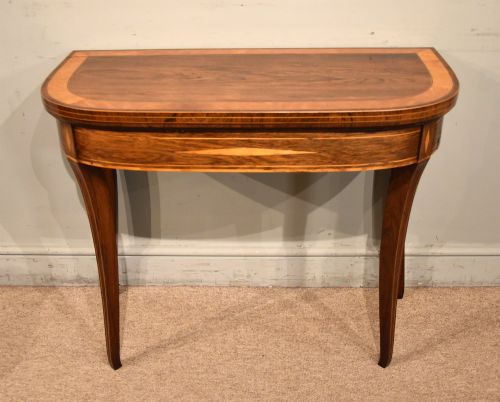
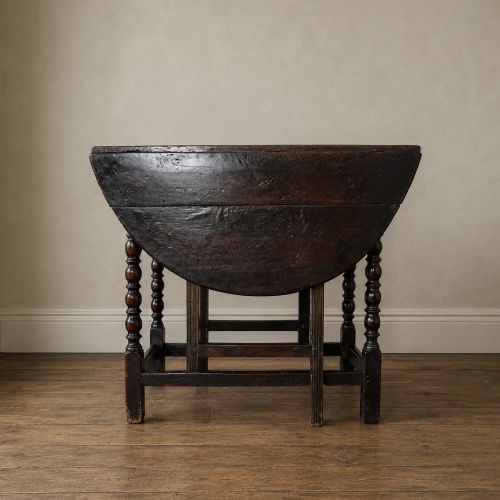
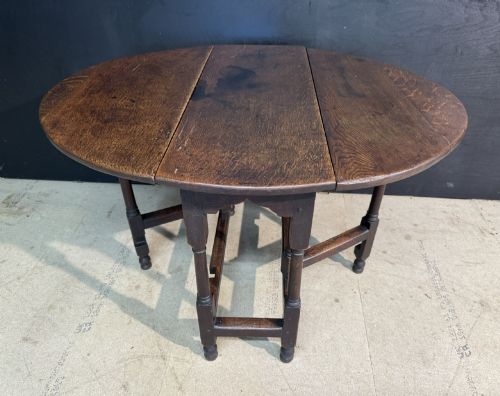
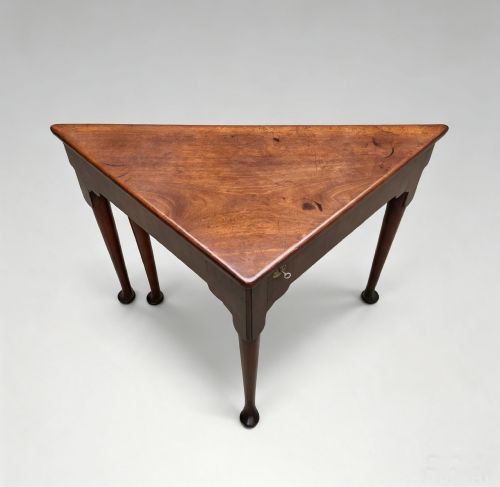
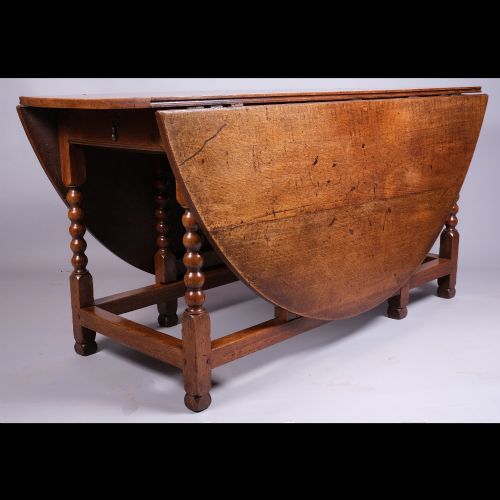
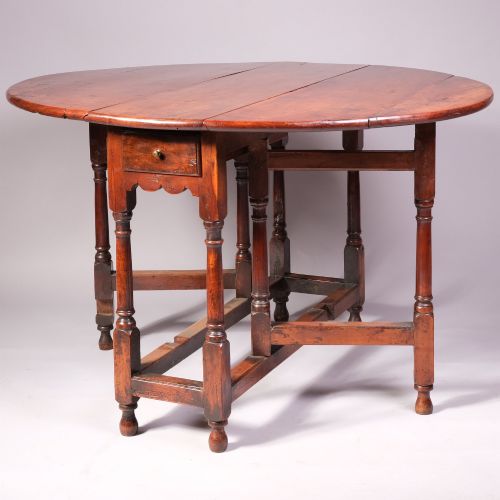
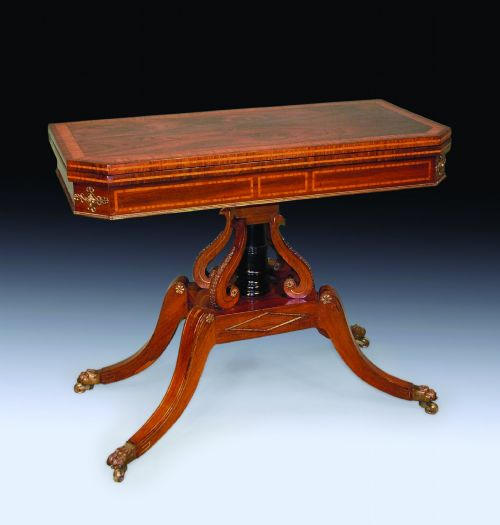
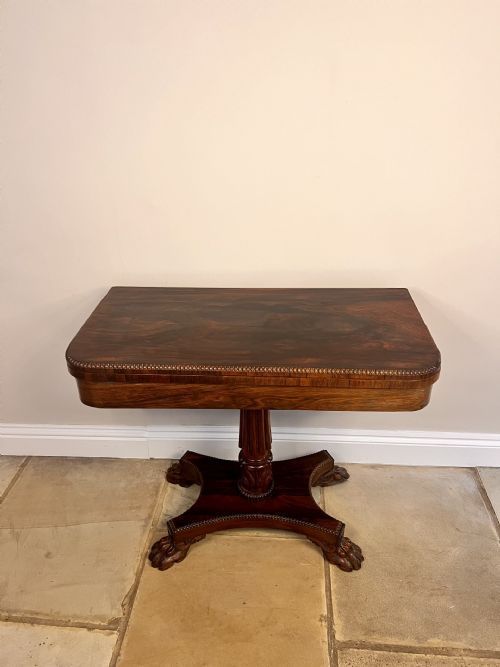
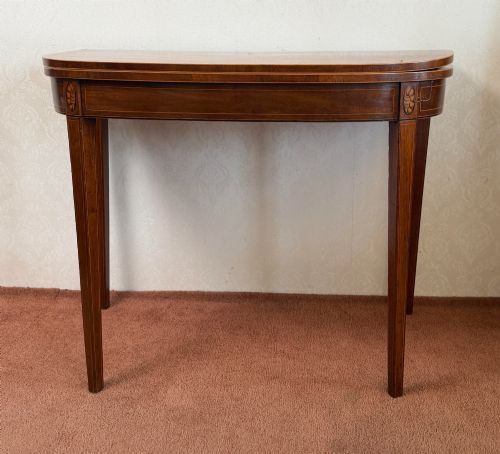
When someone searches for a period folding table, they encounter a diverse array of antique designs intended to save space when not in use. The selections span from sturdy 17th century oak gateleg dining tables to refined 18th century George II and Georgian mahogany card tables, tea tables, and butler's trays on stands.
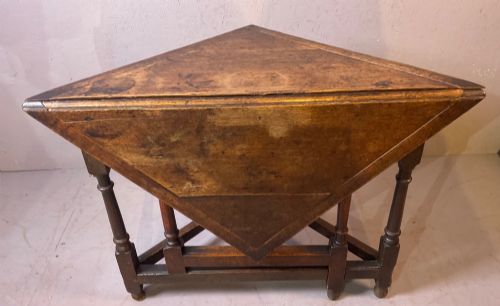
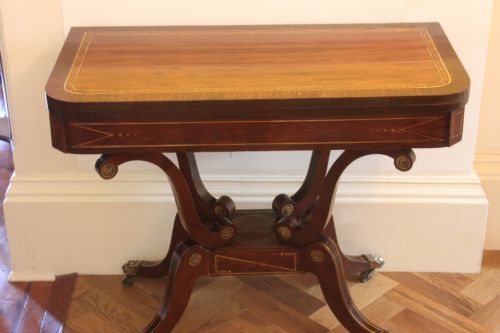
Buyers frequently meet 19th century Regency rosewood and satinwood card tables alongside earlier oak drop-leaf formats. These pieces served various domestic functions in period homes, transforming quickly from compact consoles or side tables into full dining surfaces or gaming tables.
The forms range from small occasional pieces to large dining tables supported by turned baluster legs, scroll pedestals, or double gatelegs. Each piece demonstrates how historical makers solved the problem of accommodating guests in houses with limited floor space.
How they were made
Cabinet-makers relied heavily on dense hardwoods, constructing carcasses and tops from mahogany, oak, and rosewood. Decorative elements often incorporated contrasting veneers of satinwood, boxwood, and flame mahogany veneer, supplemented by intricate brass inlay.
Structural stability depended on specialised mechanisms such as concertina actions, gatelegs, and foldover hinges that allowed leaves to pivot smoothly. Joinery utilised traditional methods appropriate to each era, from sturdy pegging on 17th century oak frames to precision pivoting joints on Regency gaming tables.
Some ingenious 18th century card tables feature clever concertina frames that stretch out like accordions just to keep the legs positioned correctly.
What varies in quality
The standard of a folding table rests upon the choice of timber and the natural figuring displayed in the grain. Superior examples exhibit carefully selected Honduras mahogany, rich rosewood, or finely figured satinwood that enhances the visual depth of the top.
Execution of the mechanical components distinguishes finer pieces from ordinary ones. Smoothly operating concertina actions, well-fitted brass inlay, and stable, robust gateleg hinges reflect superior workshop proficiency during construction.
Giles Grendey
The Period Folding Table Glossary
- Gateleg table
- A drop-leaf table featuring hinged legs that swing outward to support the raised leaves. This form gained prominence during the 17th century in sturdy oak.
- Concertina action
- An expanding frame mechanism used on card tables that pulls outward like an accordion when the top unfolds. It provides support for the open leaf without obscuring the legs.
- Credence table
- A folding table with a semicircular top that swings open to reveal a concealed compartment or flat surface. These early pieces typically date to the 17th century in oak.
- Butler's tray
- A removable wooden tray with shaped handles, designed to sit upon a folding wooden stand. They appear frequently in 18th century Georgian mahogany.
- Flame mahogany veneer
- A thin slice of wood cut from the fork of a mahogany tree to produce a flickering flame pattern. Cabinet-makers applied this to enhance the surfaces of tea and card tables.
Period Folding Table: Frequently Asked Questions
What is a period folding table used for?
These tables served multiple domestic purposes in earlier centuries, functioning as compact side furniture before expanding for dining, tea, or card games.
Owners adapt them today as versatile console tables that quickly open up when guests require extra surface area.
How do I identify a 17th century oak gateleg table?
Seventeenth century examples typically feature heavy oak construction, pegged joinery, and thick turned baluster legs that support swinging gate sections.
Their rich, patinated timber surfaces and utilitarian drop-leaf designs distinguish them clearly from later mahogany dining furniture.
What is the difference between a card table and a tea table?
Card tables generally feature fold-over tops lined with baize or felt, accompanied by specialised internal mechanisms or corner pockets for gaming counters.
Tea tables focus on display surfaces, often showcasing highly figured mahogany or satinwood veneers intended to hold porcelain tea services.
Where should I place a foldover table in a home?
These pieces fit naturally against hallway walls or living room corners in their closed, folded configuration to conserve floor space.
Opening the top reveals a generous surface suitable for occasional dining, desk work, or display when hosting visitors.