



Period Fine Art
Period fine art gathers centuries of portrait paintings and decorative items, offering a direct link to historical sitters and skilled workshops.
Period Fine Art
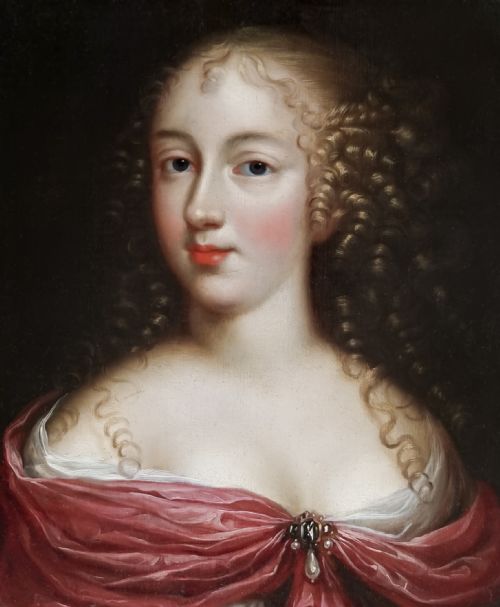
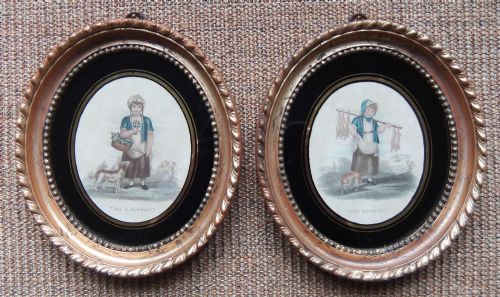
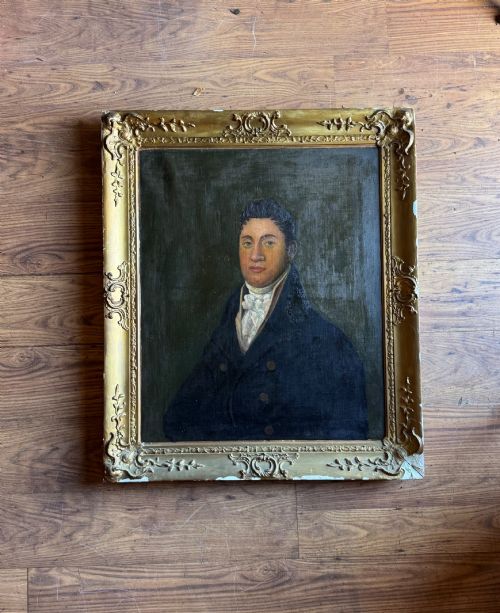
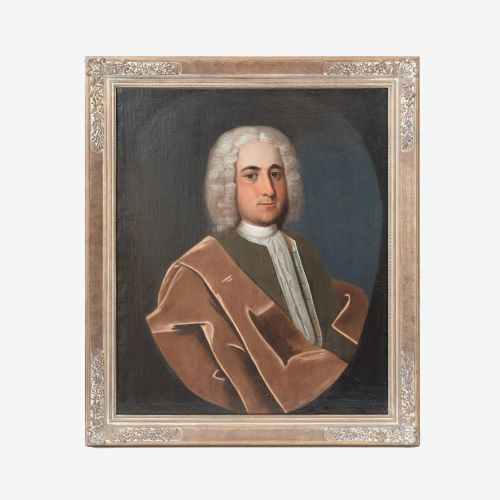
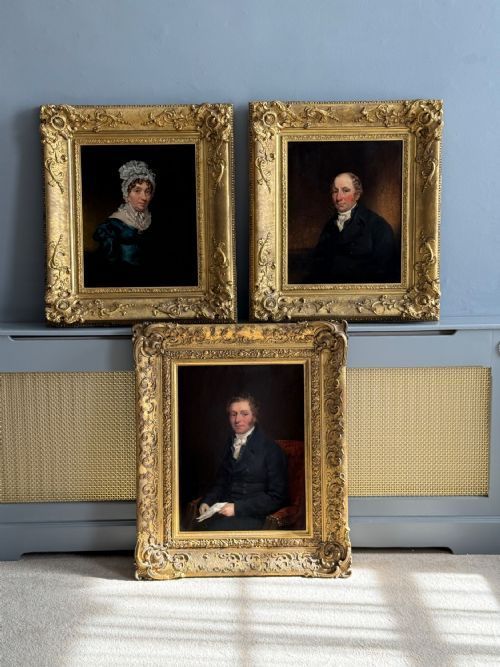
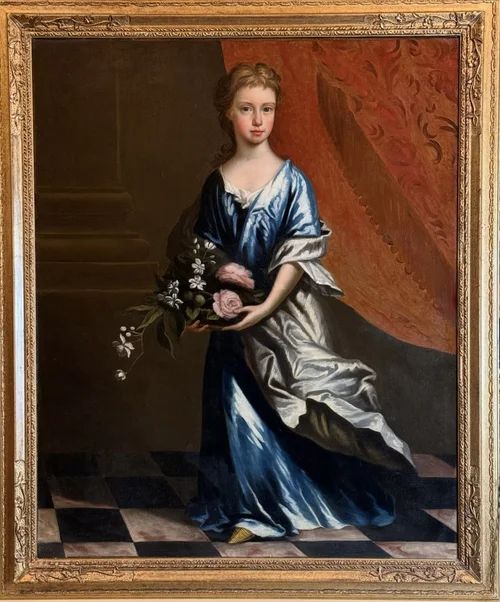
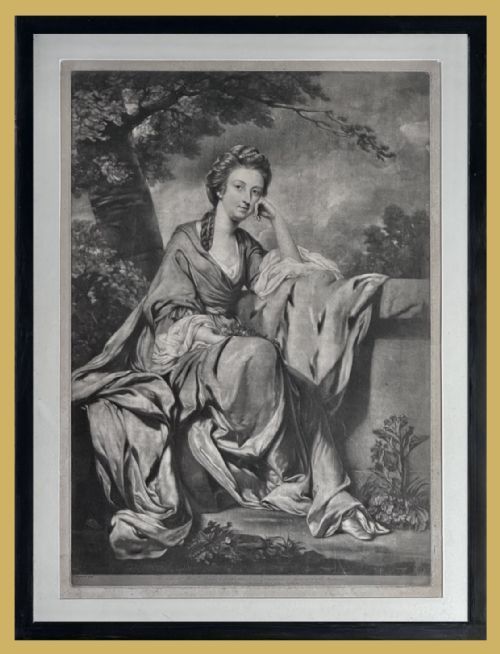
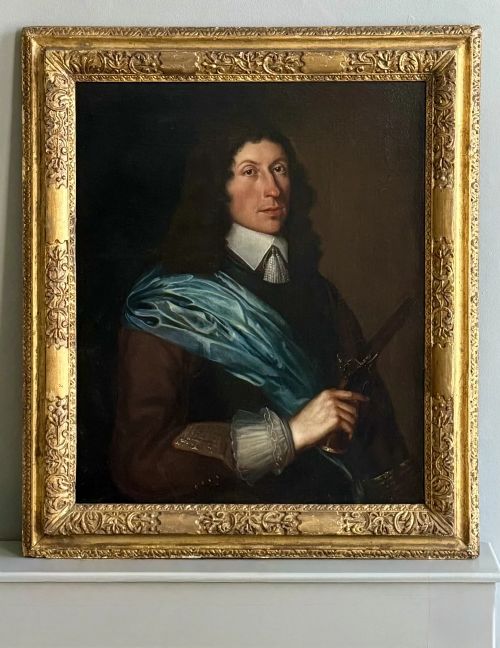
When browsing period fine art, you encounter oil paintings, portraits, plates, and vases originating from historical centuries. The selection centres heavily on oil on canvas portraits spanning the seventeenth and eighteenth centuries, alongside nineteenth-century works and decorative objects.
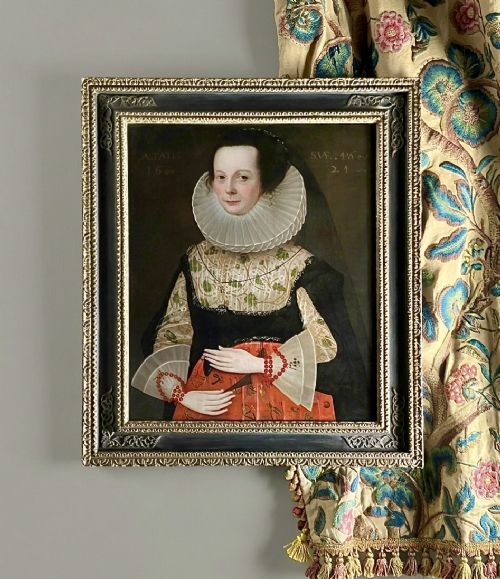
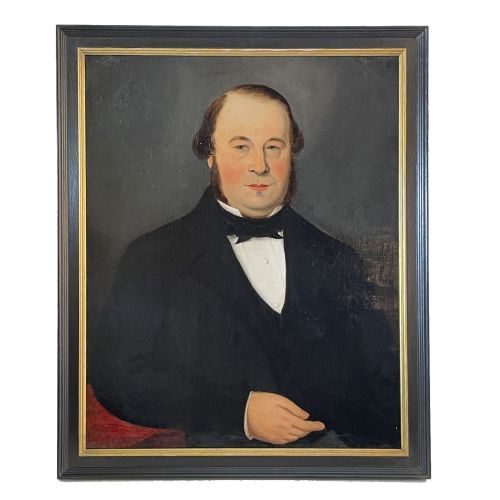
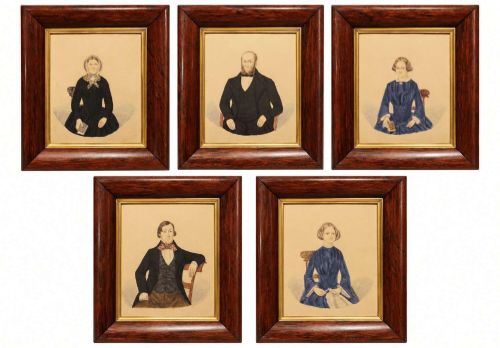
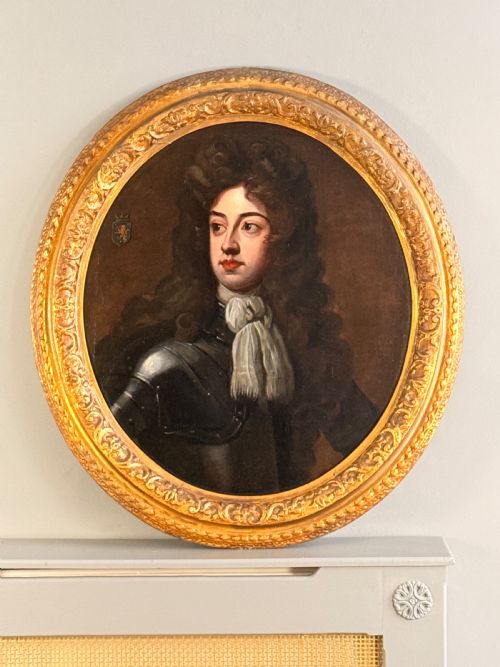
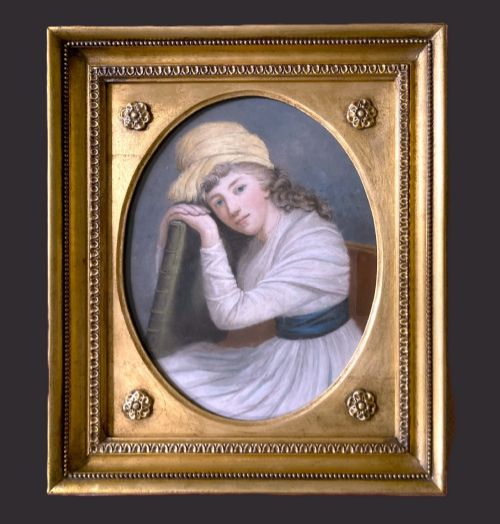
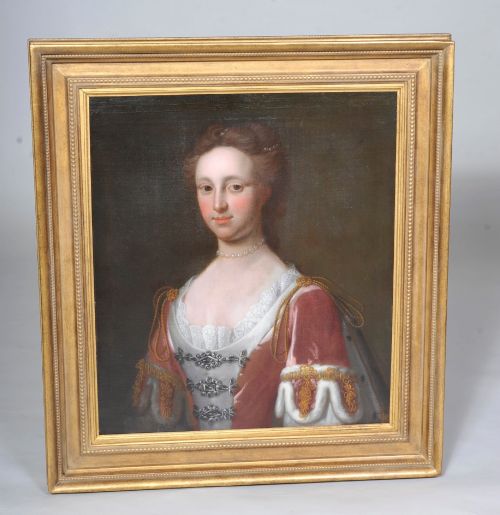
Portraits dominate the available items, depicting nobility, military officers, gentlemen, and ladies in formal attire. These works range from dated seventeenth-century panels to Georgian and Regency canvases, reflecting the shifts in European portraiture over generations.
Alongside canvas paintings, the selection includes ceramic forms such as Japanese Imari plates and cloisonné vases from the Meiji period. This mix provides both grand wall art and detailed decorative pieces for a room.
Materials and Technique
The primary technique relies on oil paint applied to woven canvas or wood panels, building up rich layers of colour and shadow. Artists utilised gold leaf and elaborate giltwood frames to enhance the visual weight and presence of the central portraits.
Ceramic pieces utilise detailed glazes and metallic wires, as seen in cloisonné and Imari decorative plates and vases. These techniques demand precise kiln firing and hand-finishing to achieve their distinct patterns and colours.
Period Fine Art Retail Price Guide 2026
Typical asking prices for period fine art among the pieces listed under this phrase on Sellingantiques today, from the lower quarter to the upper quarter. They describe what is for sale here now, not the wider market.
Portraits on this page include works attributed to British, French, and Bavarian schools.
Quality and Execution
The survival of the original surface, including the condition of the oil paint and the integrity of the canvas or wood panel, dictates the standing of a painting. Similarly, ceramic pieces maintain value through the crispness of their enamel work and the stability of their glaze.
Thomas Hudson·Michael Dahl·Thomas Murray·David Scougall·John Greenhill·Robert Byng·Sir Allan Ramsay·Cornelius Johnson·Mary Beale·Joseph Clover·John Hayls·Edward Fisher·Sir Joshua Reynolds·Francis Hayman·James Maubert
The Period Fine Art Glossary
- Baroque
- An artistic style originating in the seventeenth century characterised by dramatic movement, deep shadows, and rich detail. It often appears in portraits featuring dynamic lighting and elaborate garments.
- Canvas
- A heavy woven fabric stretched across a wooden frame to serve as a sturdy foundation for oil paintings. Traditional grounds were applied to the surface before the artist began painting.
- Giltwood
- Wood that has been treated with a thin layer of gold leaf or gold paint, frequently used for ornate picture frames. This finish adds a warm, reflective border to period oil paintings.
- Jacobean
- A style associated with the early seventeenth-century reign of King James I, notable in portraits for rigid posture and stiff, embroidered costume details. Works from this era document strict court fashion.
Period Fine Art: Frequently Asked Questions
How do I identify a seventeenth-century portrait?
Seventeenth-century portraits typically feature stiff collars, dark backgrounds, and precise attention to the lace or embroidery of the sitter's costume. Artists of this era often used wood panels or coarse canvas as a foundation.
Examining the handling of light on the face helps distinguish these early works from later Georgian or Victorian revivals. Signature styles and recorded provenance in the title also confirm the date.
What subjects appear most often in these paintings?
Portraits of nobility, military officers, gentlewomen, and children form the vast majority of the painted works. Sitters were captured in half-length or bust formats to record their status and lineage.
Occasional pieces place the subject in an extensive landscape or holding specific items like pistols to signify their profession. These visual cues reflect the social standing of the sitter at the time.
Where should I hang an oil painting?
Oil paintings require placement away from direct sunlight and sudden temperature shifts to protect the canvas and pigment. Stable indoor conditions prevent the paint layer from cracking over time.
Pairing the canvas with a traditional giltwood frame enhances its appearance while offering proper structural support on the wall.
How do Imari plates differ from standard ceramics?
Japanese Imari plates utilise a distinct palette of underglaze blue and overglaze iron red, accented with gold. This combination creates a striking decorative surface developed during the Meiji period.
They function well as display pieces on walls or chargers on sideboards, bringing high-contrast colour to a room.