





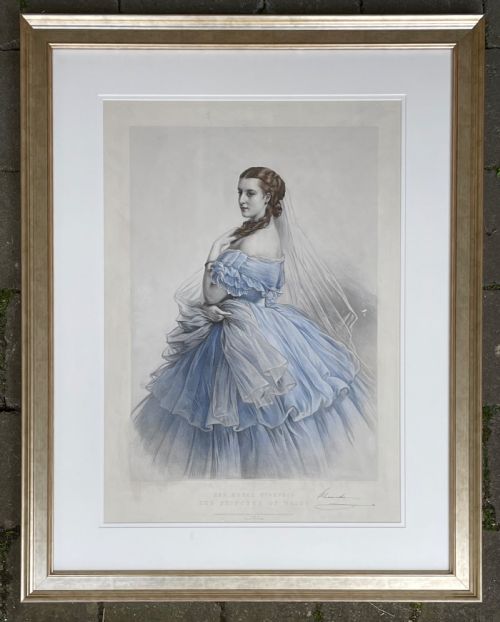
Period Family Portrait
A period family portrait brings centuries of private lineage into a room, offering an intimate glimpse into domestic history through oil and print.
Period Family Portrait
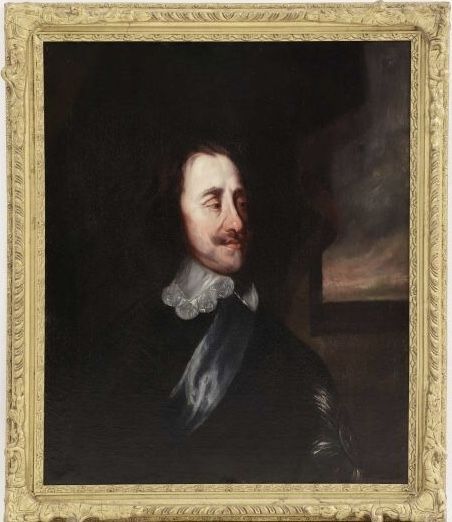
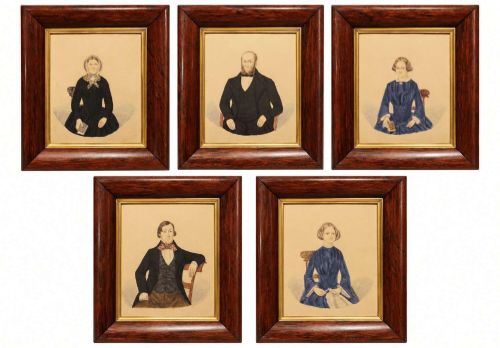
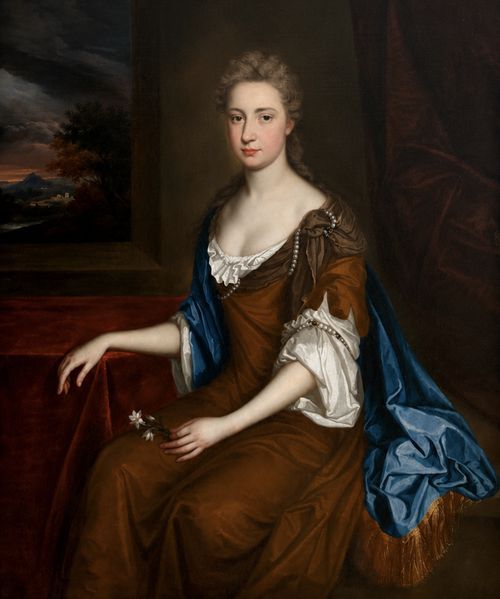
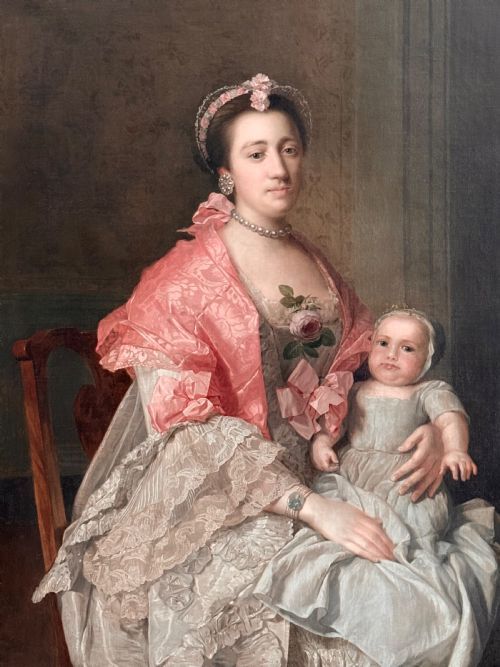
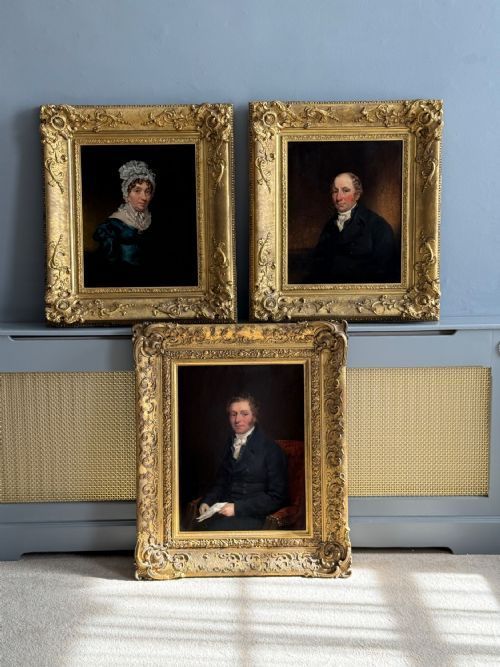
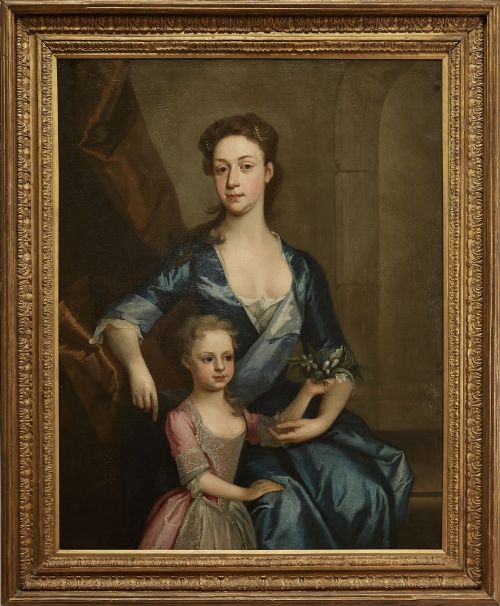
A period family portrait captures relatives, children and lineages across the seventeenth, eighteenth and nineteenth centuries, rendered in oil on canvas, panel or paper. These works document specific family branches such as the Turbutt, Markham, Coleman, Dalbiac, Haworth, Crawley-Boevey and Blunt families.
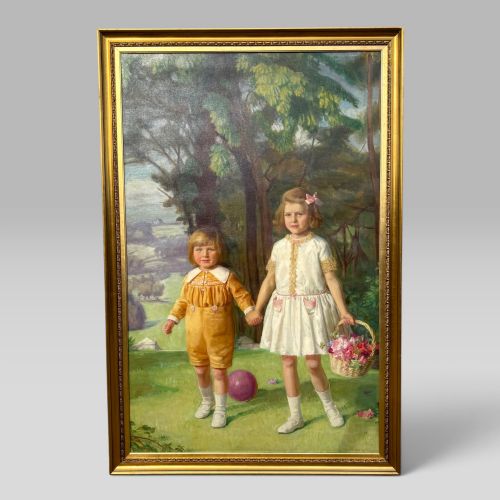
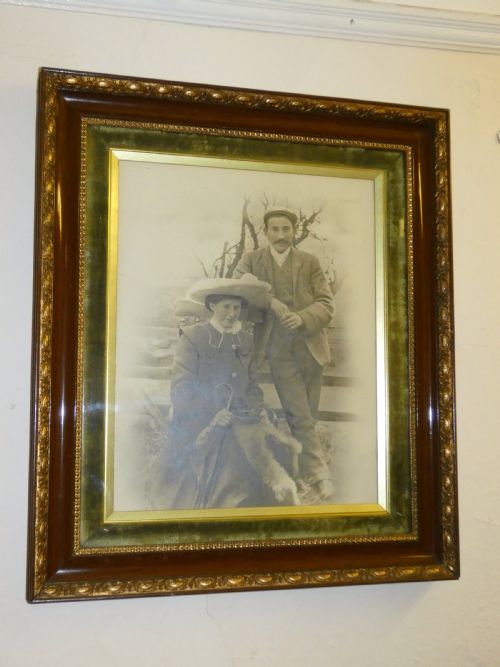
The pieces on this page range from grand oil paintings attributed to prominent hands and studio circles down to intimate portrait miniatures and framed prints. Domestic groups posed in grounds or interiors appear alongside single figures linked by lineage.
The aesthetic shifts from the Baroque gravity of the seventeenth century through the Georgian and Regency eras to Edwardian and interwar British realism. Buyers encounter everything from large canvas groupings in period giltwood frames to delicate works on paper and lithographs.
Materials and construction
Artists relied primarily on oil on canvas or panel, building up pigments to capture fabrics, skin tones and architectural or landscape backgrounds. Works on paper utilise lithography, printmaking or miniature painting techniques for smaller formats.
Frames play a crucial role in presentation, incorporating carved wood, gesso and giltwood. These surrounds often reflect the specific decorative tastes of the Georgian, Victorian or Regency periods in which the portrait was housed.
Period Family Portrait Retail Price Guide 2026
Typical asking prices for period family portrait among the pieces listed under this phrase on Sellingantiques today, from the lower quarter to the upper quarter. They describe what is for sale here now, not the wider market.
Listings span multiple centuries, incorporating seventeenth-century oils, eighteenth-century family groupings, nineteenth-century lithographs and interwar British realism.
Assessing quality in historical likenesses
Quality rests on the fidelity of the brushwork, the psychological depth in the subjects' expressions and the retention of original canvas and pigment integrity. Superior examples display confident handling of hands, textiles and background details by accomplished hands or recognised studios.
The preservation of the original frame, such as period giltwood and gesso mouldings, adds significantly to the integrity of the piece. Lesser works may exhibit heavy restoration, overpainting or replacement frames that detach the image from its historical context.
George F Bird·Sir Allan Ramsay·Joseph Clover·Joseph Highmore·Charles Philips·Francis Alleyne·Jonathan Richardson·Thomas Hudson
The Period Family Portrait Glossary
- Oil on canvas
- A painting medium where pigments suspended in drying oils are applied to stretched fabric. This technique allowed artists to achieve rich textures and deep colour layering.
- Portrait miniature
- A small, highly detailed painting usually executed on vellum, card or ivory. These intimate keepsakes were often commissioned to commemorate family members.
- Giltwood
- Wood carved and coated with gold leaf or a gold-coloured metallic finish. It defines the ornate frames typical of many historic domestic paintings.
- Gesso
- A paint mixture consisting of a neutral binder mixed with chalk, gypsum or pigment. It served as a smooth preparation base for wooden panels and gilt frames.
- Lithography
- A planographic printing process based on the repulsion of oil and water. It enabled the mass production of detailed family prints and royal likenesses during the nineteenth century.
Period Family Portrait: Frequently Asked Questions
How should I hang a period portrait?
Hang the painting at eye level on a wall protected from direct sunlight and dramatic temperature fluctuations. Ensure the weight is supported securely by appropriate fixings suited to the wall type and the heavy gilt frame.
Keep the piece away from radiators and damp zones to protect both the canvas and the wooden support structure. Adequate spacing allows the historical composition to command the room effectively.
What do clothing styles reveal about the date?
Garments, lace collars, wigs and headdresses closely mirror the shifting fashions of the sitter's specific decade. Examining these textiles alongside hairstyles provides a reliable method for verifying the era of the depiction.
Portrait painters recorded contemporary dress with precision to signal status and wealth. Comparing these elements with documented fashion history helps narrow down creation dates.
Why are some subjects unidentified?
Many historical canvases lost their accompanying documentation as estates were dispersed and families moved over the centuries. Surnames occasionally faded from stretcher bars, frames or family Bibles.
An anonymous sitter remains a compelling work of art despite the missing biography. The focus shifts entirely to the artistic merit, costume and technical execution of the period.
How do I care for an oil painting on canvas?
Dust the surface and the carved frame gently with a soft, dry brush or feather duster on a regular basis. Avoid using water, household cleaners or chemical solvents on the fragile painted layers.
Consult a professional conservator if the canvas develops sagging, cracks or accumulation of grime. Professional intervention ensures the long-term stability of the historic pigments.