


Period Dresser Furniture
Period dresser furniture covers centuries of storage pieces in oak and mahogany, built to hold domestic wares with quiet gravity.
Period Dresser Furniture
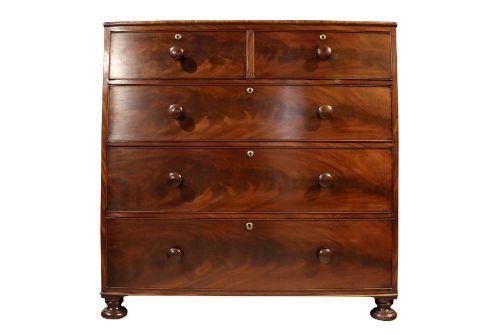
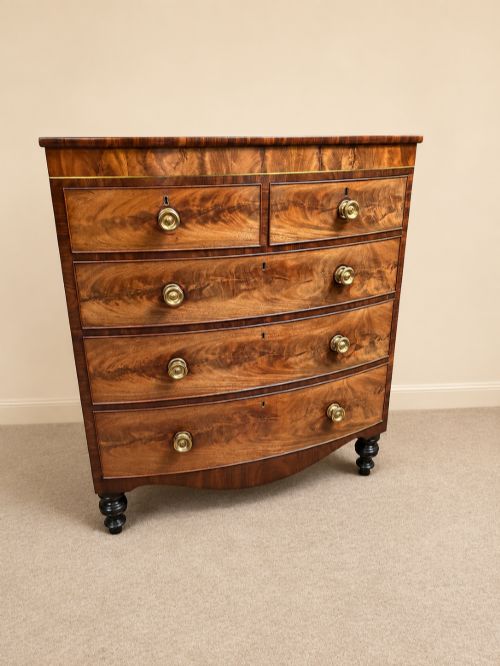
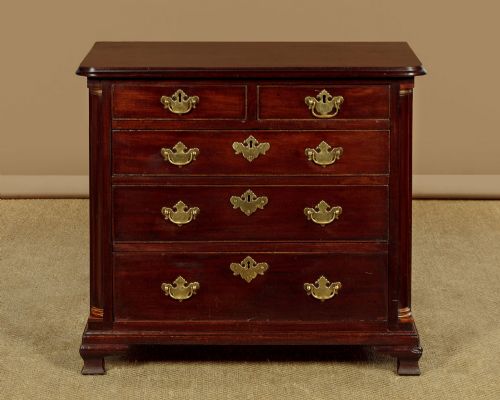
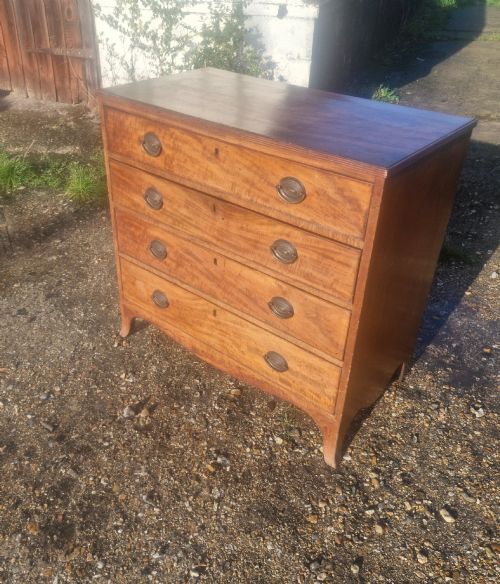
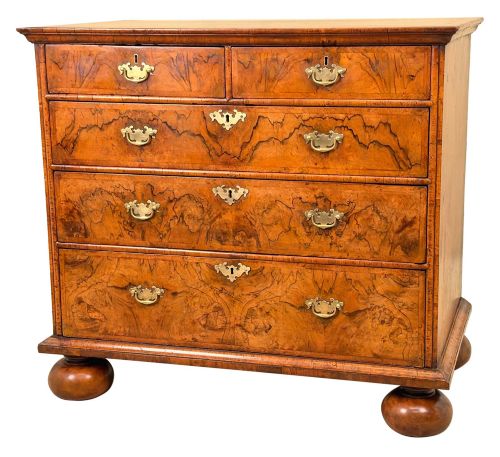
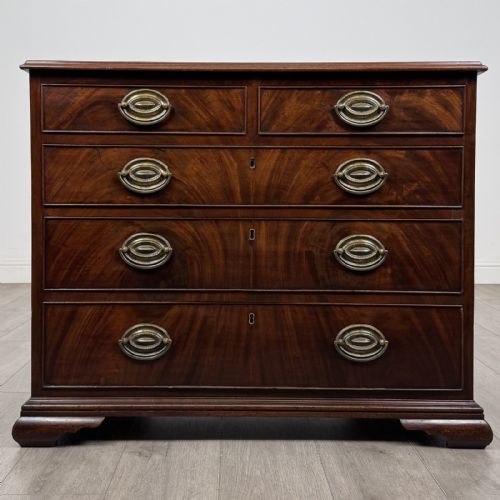
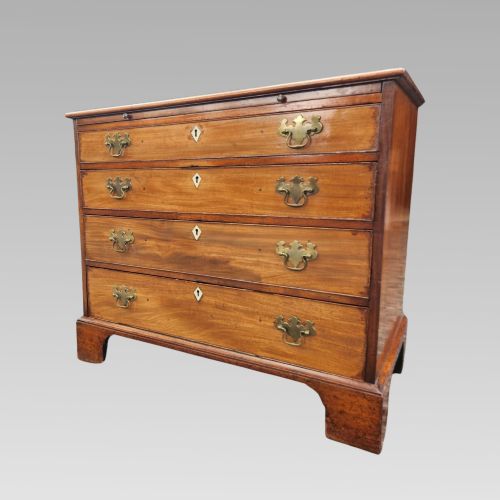
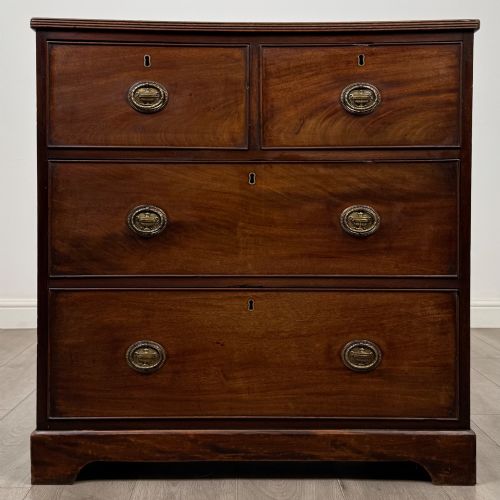
Period dresser furniture centres on chests of drawers and dresser bases spanning the seventeenth, eighteenth, and nineteenth centuries. Buyers encounter numerous mahogany and oak examples, from compact country elm pieces to sophisticated George III bow fronts.
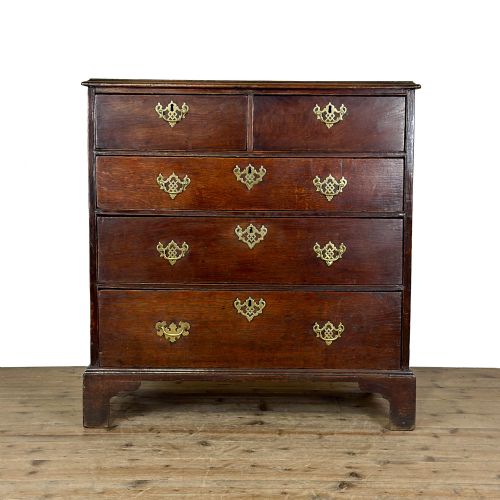
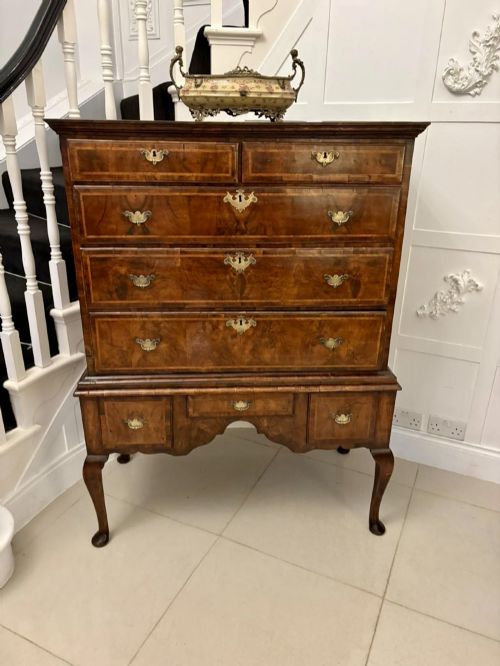
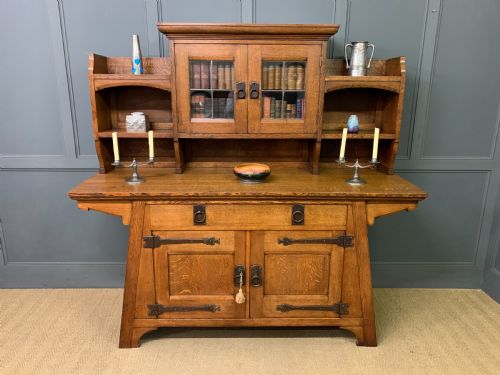
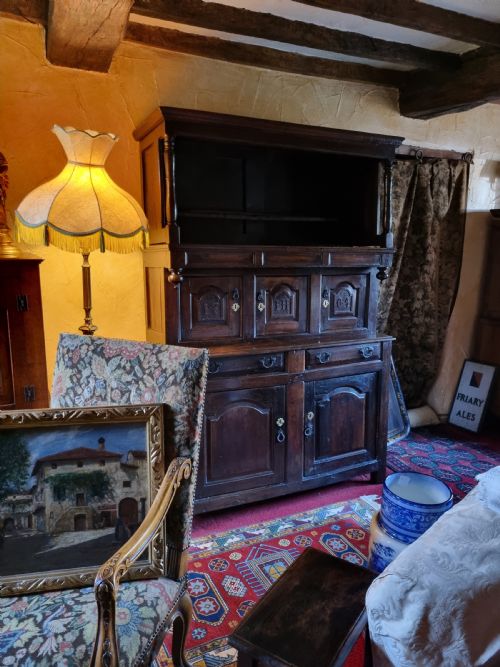
The selection extends to court cupboards, tridarns, and walnut chests on stands built across the Georgian, Regency, and Jacobean eras. Early forms present robust oak constructions with geometric mouldings, while later pieces favour figured veneers and brass hardware.
Materials and construction
Cabinetmakers built these pieces primarily in solid oak during the seventeenth century, shifting toward figured mahogany, walnut, and burr walnut in the eighteenth and nineteenth centuries. Timber selection dictated the structural stability and surface character of each chest or dresser base.
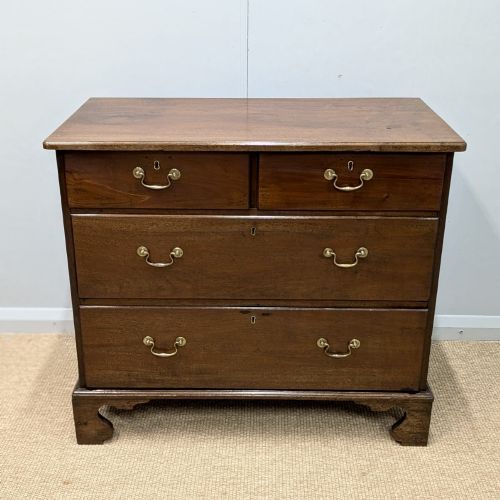
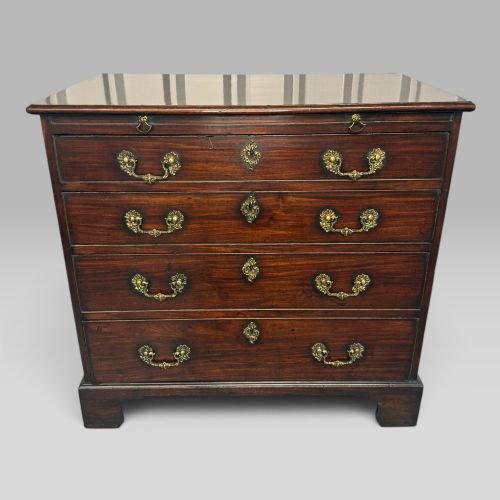
Joinery methods involved traditional hand-cut joints, pegged frames, and carefully fitted drawer linings in pine or oak. Brass drop handles, escutcheons, and bracket or ogee feet completed the construction, utilising iron and brass components suited to each period style.
Period Dresser Furniture Retail Price Guide 2026
Typical asking prices for period dresser furniture among the pieces listed under this phrase on Sellingantiques today, from the lower quarter to the upper quarter. They describe what is for sale here now, not the wider market.
Listings feature pieces spanning the 17th, 18th, and 19th centuries, utilising oak, mahogany, walnut, elm, pine, and iron.
Distinctions in quality
Quality rests upon the choice of timber and the precision of the cabinetmaker's hand execution across mouldings and drawer divisions. Finely figured mahogany and burr walnut veneers demonstrate superior material selection compared to plain secondary timbers.
The survival of original brasses, untouched timber surfaces, and crisp geometric mouldings elevate an example above altered or heavily restored pieces. Proportions also govern the piece, where small proportions and balanced drawer arrangements command attention.
The Period Dresser Furniture Glossary
- Bowfront
- A convex curved cabinet front popular during the Georgian and Regency periods. This shape softens the profile of a standard chest of drawers.
- Dresser base
- A lower sideboard or cabinet featuring drawers, often associated with seventeenth and eighteenth-century oak furniture. These pieces served practical storage functions in domestic interiors.
- Oyster veneer
- Slices of branch wood laid in circular patterns to create a decorative surface on late seventeenth-century furniture. It appears frequently on walnut and olive wood pieces.
- Tridarn
- A large three-section Welsh cabinet dating to the early eighteenth century or earlier. This architectural form combines cupboards and display shelving.
Period Dresser Furniture: Frequently Asked Questions
How do I date a mahogany chest?
Examine the timber species, drawer construction, and foot style to determine the era of manufacture.
Early Georgian pieces often use oak secondary timbers and bracket feet, while Regency examples introduce refined mahogany veneers and reeded edges.
What is a dresser base?
A dresser base is an independent lower storage unit featuring multiple drawers, typically constructed from oak during the seventeenth and eighteenth centuries.
These pieces functioned as utilitarian work surfaces and storage for domestic kitchen and dining wares.
How do I care for antique oak furniture?
Maintain stable humidity levels in the room and avoid placing the timber in direct sunlight or near heat sources.
Apply a traditional beeswax polish sparingly to nourish the dry wood surface without building up excessive residue.
What defines a George III chest?
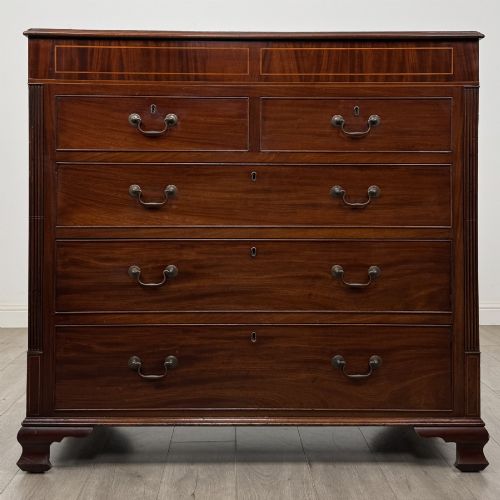
George III chests exhibit formal proportions, clean lines, and high-grade mahogany or oak construction spanning the second half of the eighteenth century.
They frequently feature bracket feet, cockbeaded drawer edges, and original brass hardware.