

Period Doors
Period doors denote architectural fittings and cabinetry fronts spanning from the sixteenth to the twentieth century, sought after for authentic historical interiors.
Period Doors
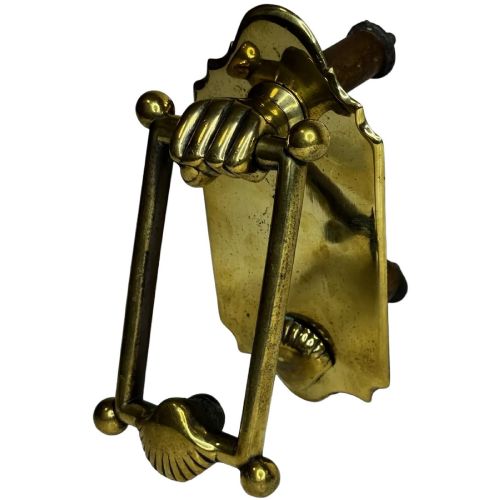
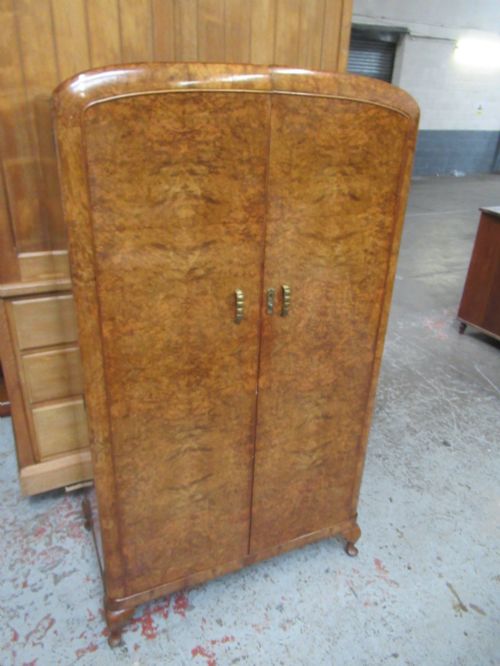
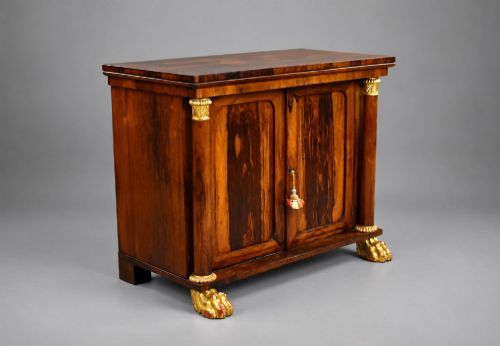
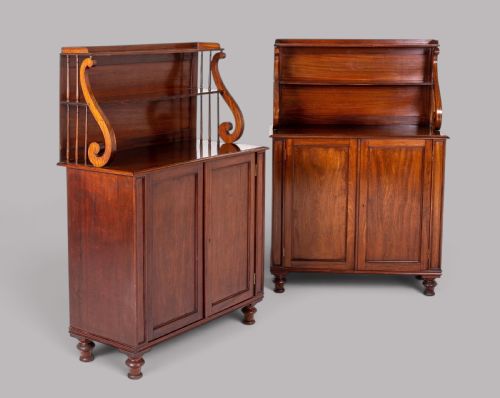
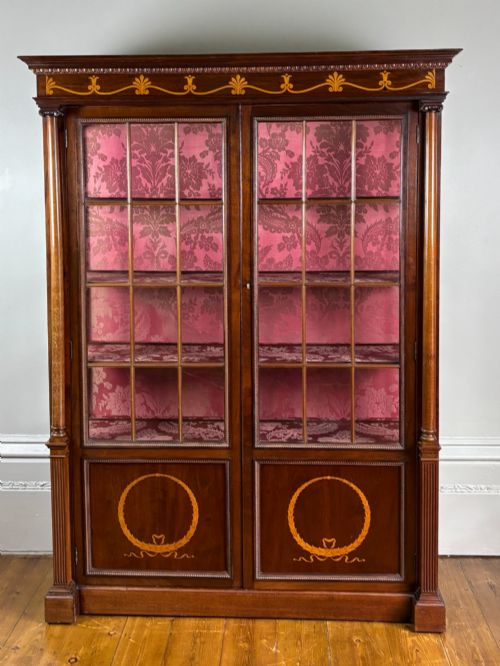
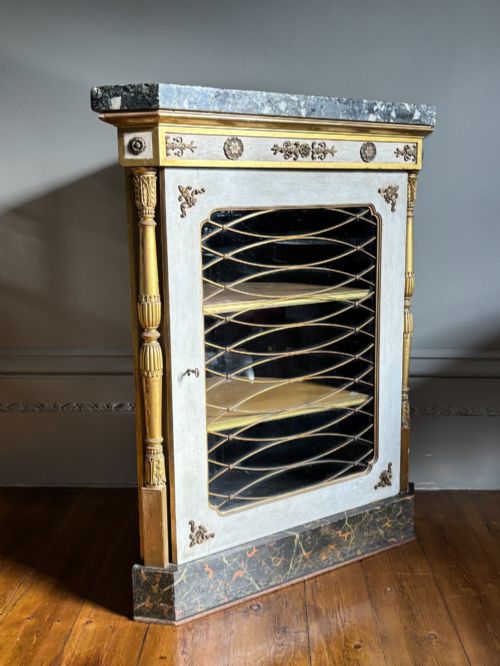
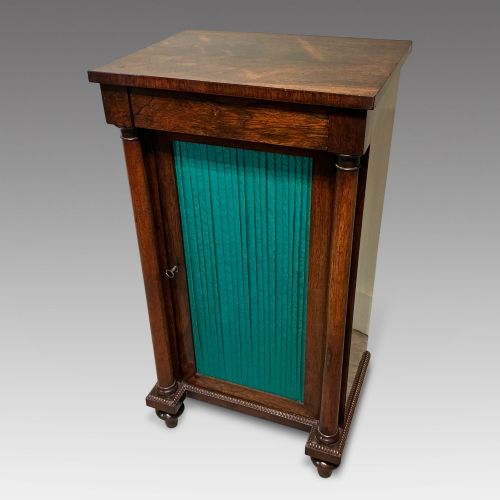
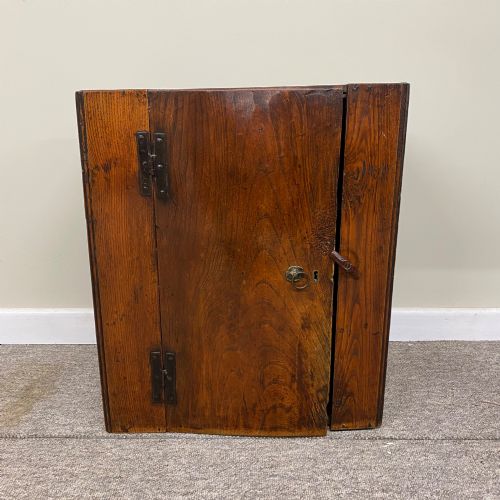
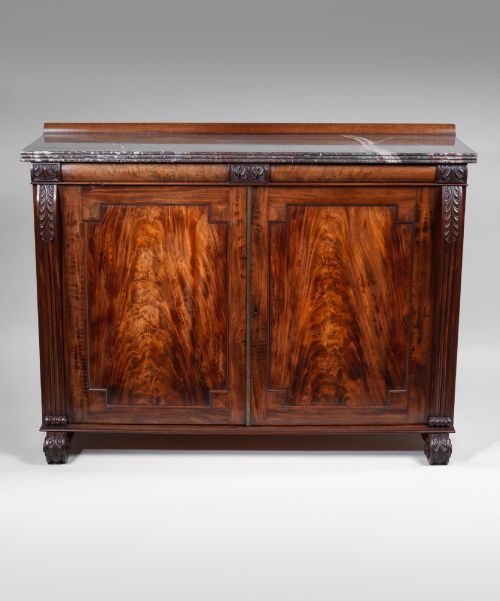
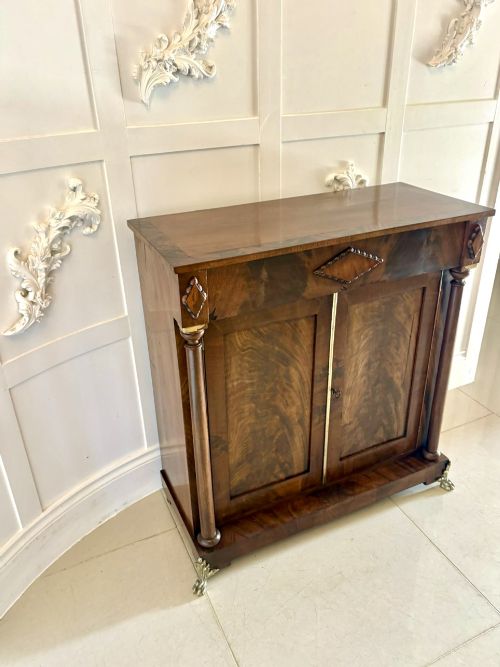
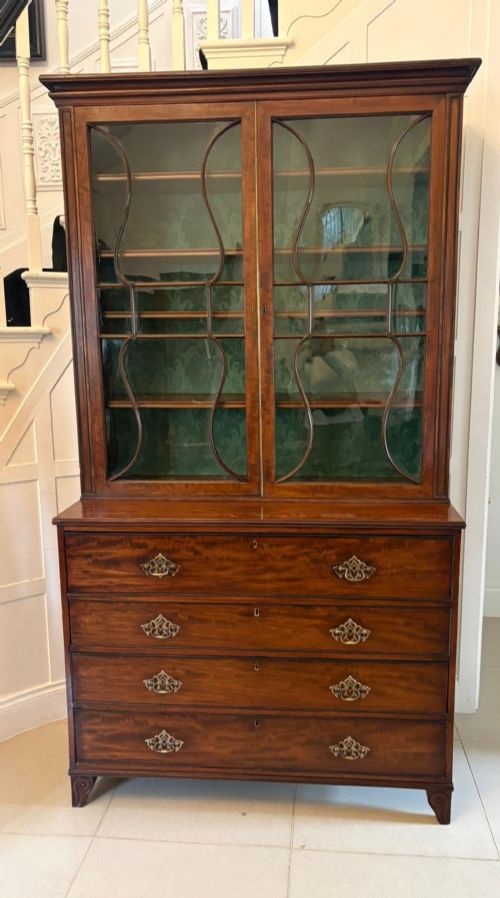
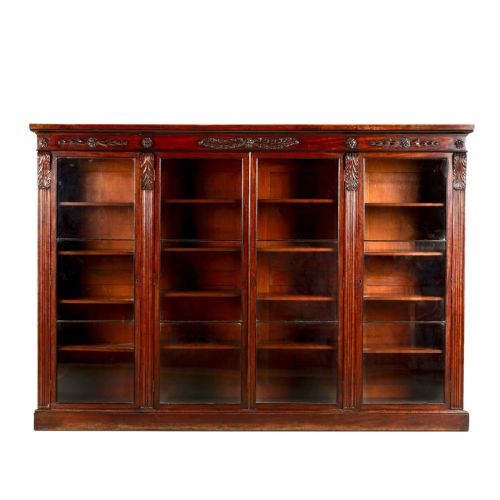
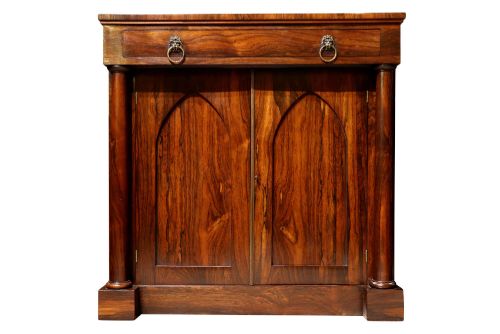
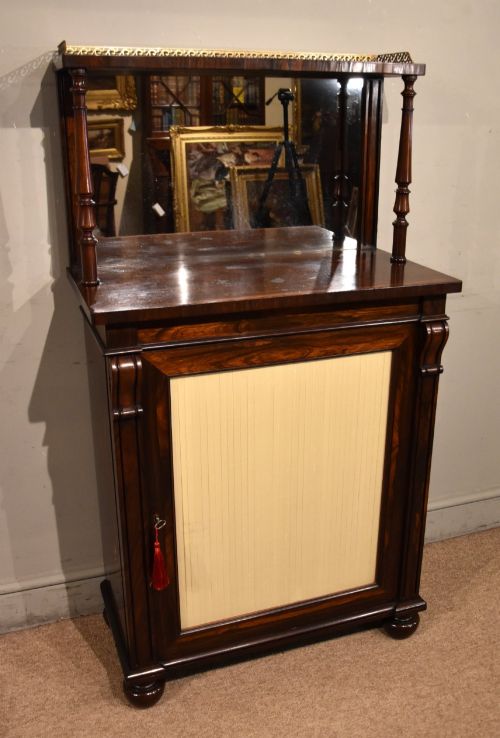
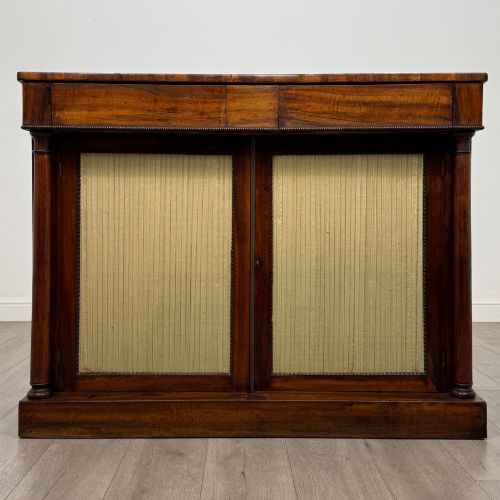
Buyers searching for period doors encounter architectural elements, hardware such as knockers and handles, alongside cabinetry fitted with panelled or glazed doors. The selection ranges from sixteenth-century iron locks and eighteenth-century handles to nineteenth-century bookcases and cabinets with silk or timber panels.
The objects stem from diverse eras including the Georgian, Regency, Victorian, and Edwardian periods, constructed in timber, iron, and bronze. Cabinets and bookcases with original doors dominate the selection alongside standalone ironwork and brass hardware.
Materials and construction
Cabinetry and architectural joinery utilise dense hardwoods like mahogany, rosewood, oak, walnut, and goncalo alves, often enhanced by brass inlay, bronze mounts, and glazed panels. Iron and bronze form the structural base for heavy hardware, rim locks, and doorstops.
Craftsmen shaped these materials through traditional joinery, hand-forging, and casting, incorporating detailed elements like gothic panels, silk linings, and engraved dates or protection marks into the finished pieces.
Period Doors Retail Price Guide 2026
Typical asking prices for period doors among the pieces listed under this phrase on Sellingantiques today, from the lower quarter to the upper quarter. They describe what is for sale here now, not the wider market.
Listings span from the 16th century to the Edwardian era, featuring woods like mahogany, rosewood, oak, and walnut paired with brass and iron.
Factors influencing quality
Quality rests upon the preservation of original materials, such as untouched brass mounts, period glass, and genuine patinated timber surfaces. Pieces retaining their original hardware, keys, and structural integrity command greater architectural and historical interest.
The refinement of the maker's handwork defines the upper tier, seen in crisp bronze casting, precise brass inlay, and sophisticated cabinet construction by notable workshops rather than standard utilitarian output.
A. Solomon·Gillows of Lancaster·Louis Constantin Le Gaigneur·Harris Lebus
The Period Doors Glossary
- Rim lock
- A mechanical lock designed to be mounted onto the surface of a door rather than mortised inside it. These locks often feature decorative ironwork characteristic of seventeenth-century domestic architecture.
- Chiffonier
- A low cabinet developed during the Regency period, typically featuring doors enclosing shelves and sometimes topped with a small mirror or superstructure. They frequently incorporate silk or panelled doors.
- Secretaire bookcase
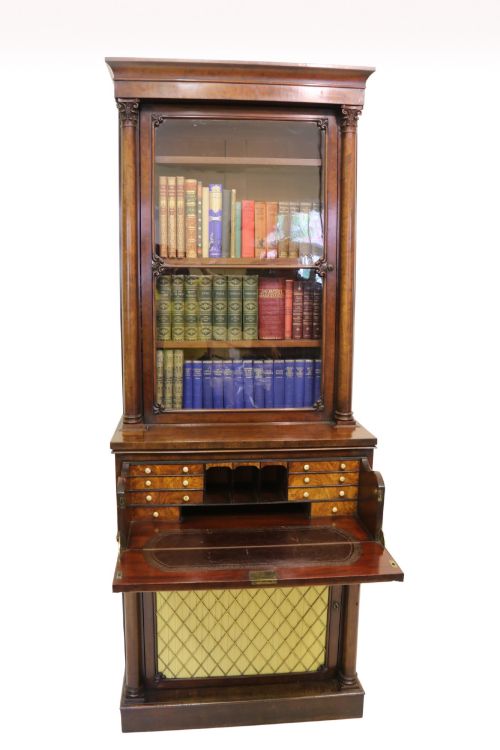
- A tall storage unit combining a writing drawer with a drop-front desk surface and upper shelving enclosed by glazed doors. They appear predominantly in figured mahogany from the Georgian and Regency eras.
- Caryatid
- A sculpted female figure serving as an architectural support instead of a column or pilaster. In door furniture, they appear cast in brass on knockers and hardware.
- Boot scraper
- A heavy iron or stone architectural fixture anchored near an entrance to clean mud from footwear. Examples often date from the Georgian and Regency periods in country houses.
Period Doors: Frequently Asked Questions
What defines a period door?
A period door encompasses original architectural timber and iron entries, alongside cabinetry and hardware associated with specific historical eras from the sixteenth century onwards.
These pieces derive their authenticity from period construction methods, traditional materials like oak and mahogany, and historical decorative details.
How do I date period hardware?
Dating relies on material composition, manufacturing marks, and stylistic indicators such as brass casting techniques or iron-forging methods.
Evidence like inscribed dates, maker attributions, and design motifs typical of the Regency or Georgian eras help pinpoint the precise timeframe.
How do I care for antique wood?
Antique timber surfaces require stable indoor humidity levels away from direct heat sources to prevent warping and cracking of woods like rosewood and mahogany.
Routine maintenance involves gentle dusting and occasional application of traditional wax to preserve the natural patina without sealing the grain.