



Period Desk Lighting
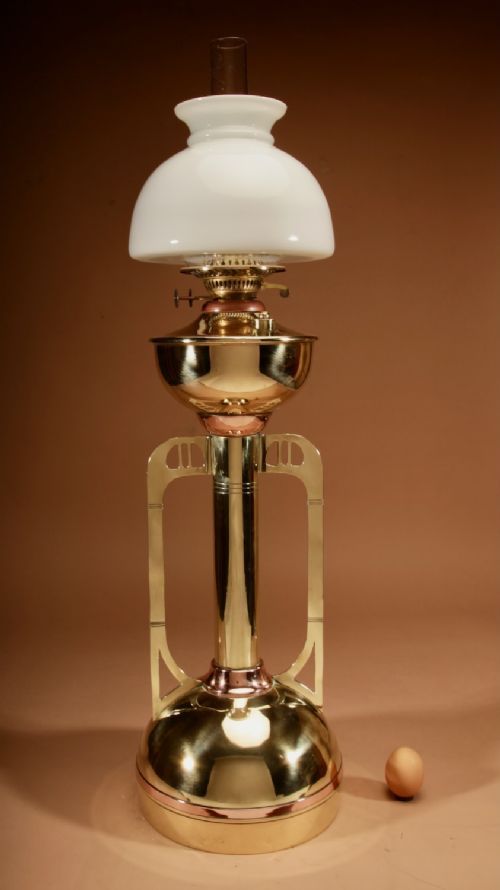
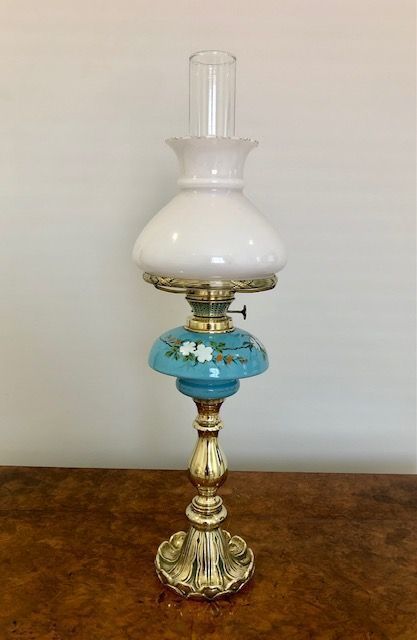
Period desk lighting brings together converted vases, oil lamps and candlesticks in brass, bronze and porcelain to light a workspace with history.
Period Desk Lighting
Period desk lighting on this page covers functional items adapted for illumination alongside dedicated lamps from the seventeenth century onwards. Buyers find table lamps, converted oil burners and candlesticks drawn from Victorian, Regency and earlier eras.
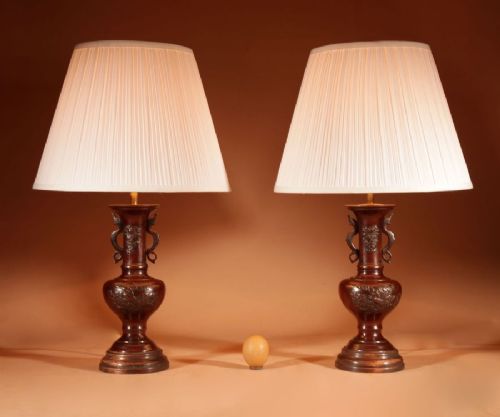
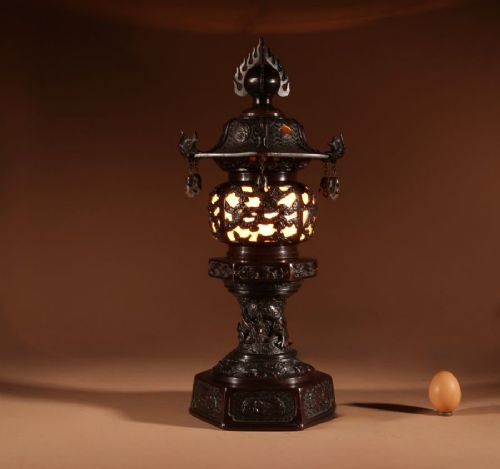
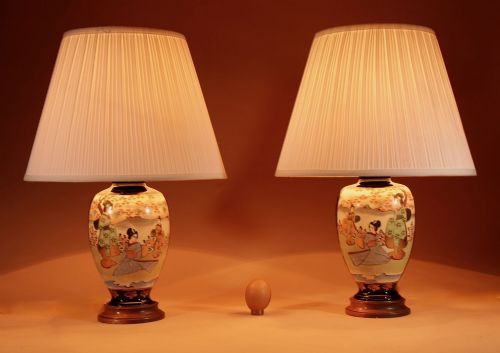
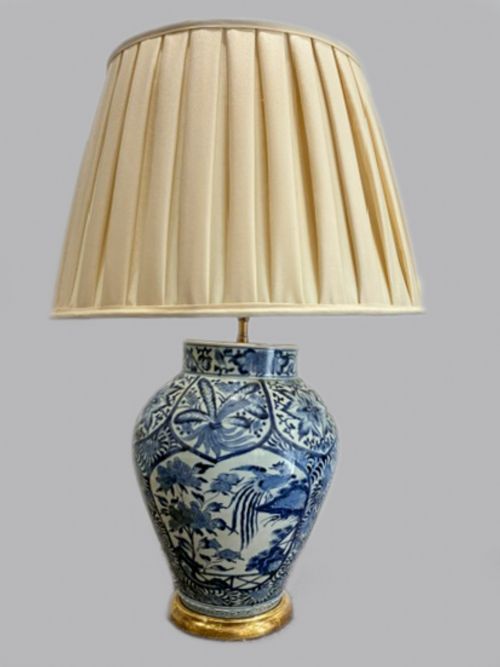
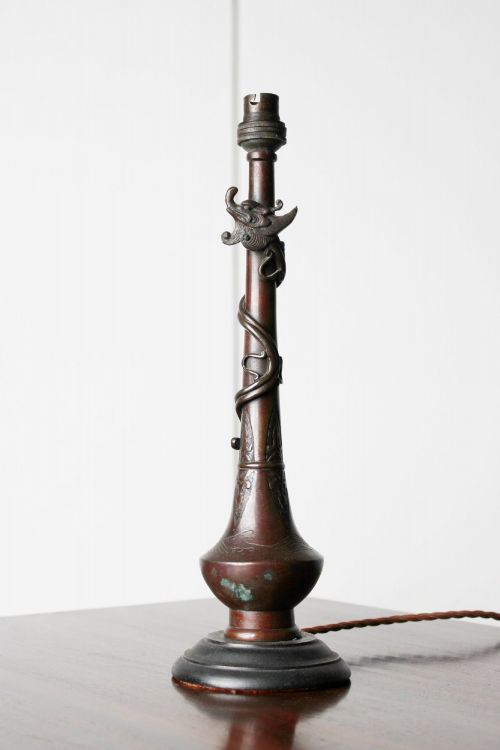
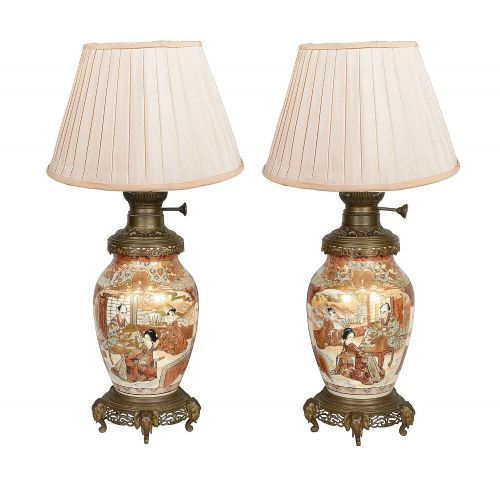
The selection leans heavily toward Japanese Meiji period bronzes, Satsuma ceramics and Imari porcelain alongside French Empire ormolu and English brass. Many pieces began life as vases, spill vases or candlesticks before conversion to electricity or paraffin use.
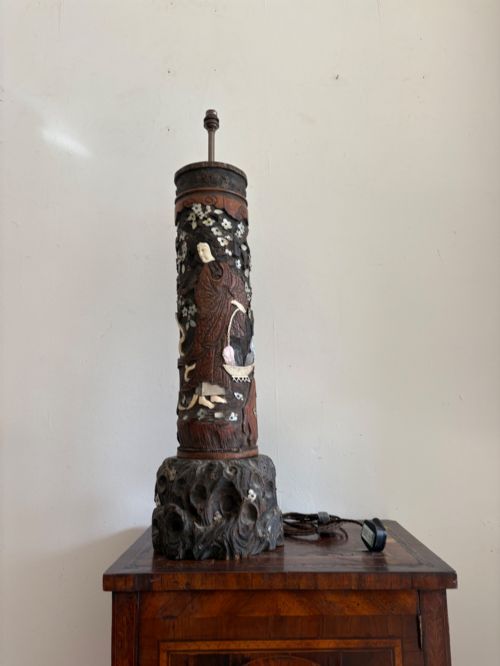
Forms vary from pairs of heavy bronze griffins and marble columns to carved brush pots and cloisonne vessels. These objects bring varied cultural influences, including Chinoiserie and French styling, directly onto a writing surface.
How they were made
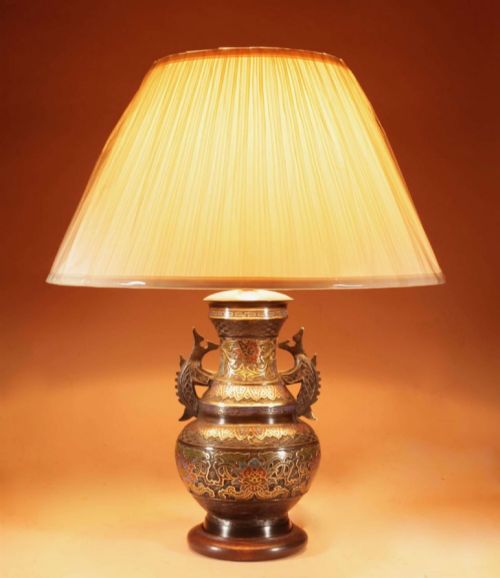
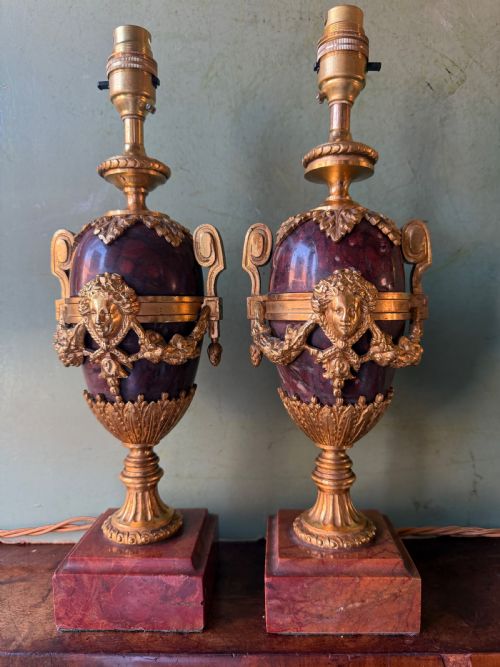
Metal components rely on cast bronze, brass, ormolu and copper, often finished with detailed champleve or cloisonne enamel work. French and English pieces utilise marble bases and gilded highlights to add weight and presence.
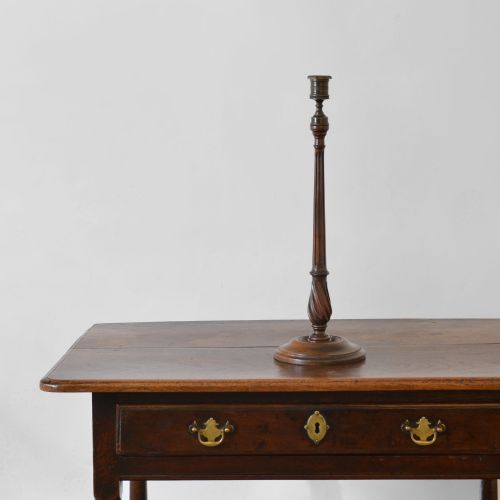
Ceramic bodies draw upon Satsuma, Kutani, Arita and turquoise-glazed porcelain, occasionally paired with silk or fabric shades. Craftspeople also utilised organic materials such as root wood and mahogany in candlesticks and brush pots.
A surprising number of these heavy desk lights began life as seventeenth-century vases or nineteenth-century root carvings.
What varies in quality
The standard of a piece depends upon the crispness of the original metal casting and the depth of hand-applied enamel or glaze. Superior items display intricate carving, balanced proportions and harmonious mounts that reflect their primary period of manufacture.
The conversion method matters greatly, as clean adaptation of a ceramic vase or oil reservoir preserves the integrity of the original antique. Coarse drilling or poorly fitted electrical components diminish the decorative harmony of the finished lamp.
Gustave Serrurier Bovy
The Period Desk Lighting Glossary
- Ormolu
- Gilded bronze, widely utilised in French Empire and Regency decorative metalwork. This technique produces a rich golden finish on mounts and candlesticks.
- Cloisonne
- Enamelling technique where thin metal wire creates cells on a bronze or copper base before filling with coloured paste. It appears frequently on Meiji period pieces.
- Champleve
- Enamelling method where troughs are dug into the bronze surface and filled with vitreous enamel. It adds rich colour and texture to decorative lamps.
- Imari
- Traditional Japanese porcelain style characterised by underglaze blue and overglaze iron red, gold and black. Many of these export vases find new life as lamps.
Period Desk Lighting: Frequently Asked Questions
Can antique oil lamps be used safely today?
Many oil lamps and candlesticks undergo professional conversion to electricity to make them practical for daily desk use. This allows historical metal and ceramic bodies to function with modern wiring.
Buyers should check that the conversion respects the original structure of the antique without causing permanent damage to the vessel or base.
How do I identify a Meiji period lamp?
Meiji period pieces date between eighteen sixty-eight and nineteen twelve, often featuring detailed bronze casting, Satsuma pottery or intricate cloisonne work. These Japanese items frequently arrived in Europe as vases before conversion.
Look for expressive animal figures, complex enamel patterns and rich patination that mark the output of this era.
Are converted porcelain vases fragile?
Porcelain bodies from the eighteenth and nineteenth centuries require careful placement on a busy desk to avoid accidental knocks. Satsuma, Kutani and Arita wares have survived centuries of handling but remain ceramic objects.
Permanent mounting on marble or brass bases adds necessary stability for daily use.
What is the difference between French Empire and Regency lighting?
French Empire pieces often employ heavy gilt bronze, ormolu and rouge marble with classical architectural motifs. Regency items from England share a similar neoclassical elegance, frequently incorporating bronze griffins and lustres.
Both styles suit formal desk settings where heavy metalwork and polished stone provide a strong visual anchor.