



Period Desk Accessories
Period desk accessories are functional objects crafted for writing and study, bringing centuries of craftsmanship and utility to any writing surface.
Period Desk Accessories
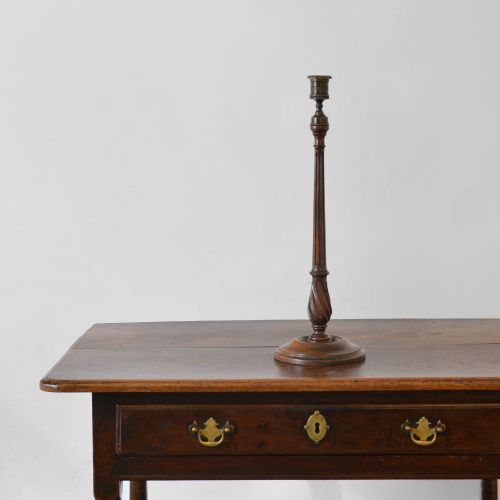
Period desk accessories encompass a variety of utilitarian and scholarly items designed for writing spaces across the seventeenth, eighteenth, and nineteenth centuries. Buyers searching for period desk accessories encounter items ranging from inkwells and pounce pots to brush washers and writing slopes.
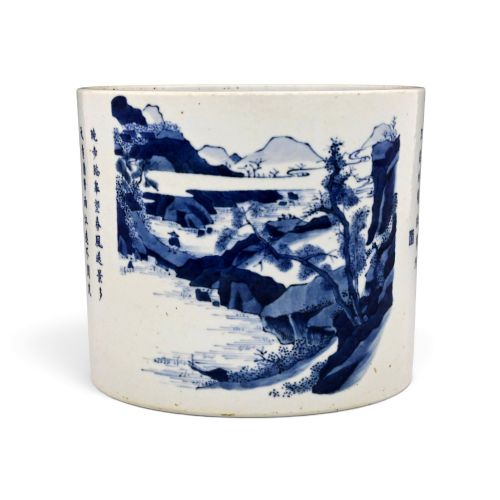
The pieces listed on this page span diverse geographical origins and cultural traditions, including English Regency mahogany boxes, Chinese porcelain brush pots, and Japanese boxwood paperweights. Among these, nineteenth century examples and Georgian items emerge most frequently.
Scholarly objects and practical writing equipment share space here, reflecting both Western writing habits and Eastern scholarly traditions. Each item served a specific daily purpose in the study or office before becoming a decorative antique.
How they were made
Materials utilised in these desk accessories include dense hardwoods like mahogany and boxwood, alongside metals such as brass and bronze, and fired ceramics including porcelain and pearlware. Artisans shaped these materials using traditional techniques appropriate to each medium, from hand-carving soapstone and horn to turning timber on a lathe.
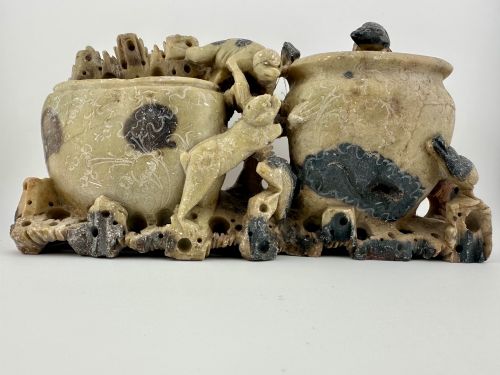
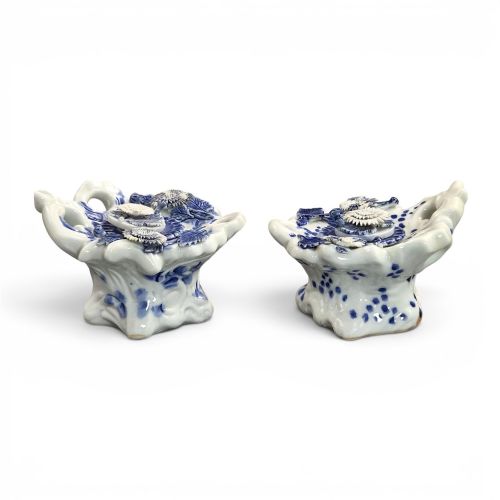
Glass, opaline glass, and carved soapstone introduce varied textures and translucent qualities to the selection. Decoration often involves cobalt underglaze painting on porcelain or intricate boxwood carving.
Composite constructions, such as Empire period desk stands combining marble and bronze, demonstrate the assembly of disparate materials into unified functional objects.
Period Desk Accessories Retail Price Guide 2026
Typical asking prices for period desk accessories among the pieces listed under this phrase on Sellingantiques today, from the lower quarter to the upper quarter. They describe what is for sale here now, not the wider market.
What varies in quality
Quality in period desk accessories rests upon the precision of the maker's hand and the selection of materials. Finely carved details on boxwood paperweights or soapstone brush washers distinguish superior examples from simpler utilitarian pieces.
The integrity of construction, especially in hinged writing boxes and fitted stationery cases, marks the difference between standard workshop output and high-grade cabinetwork. Well-preserved original surfaces and crisp decorative motifs further elevate an object's standing.
Lefebvre of Belgium
The Period Desk Accessories Glossary
- Pounce pot
- A small container with a perforated lid used to sprinkle resin powder over rough paper to prepare it for ink. This prevented ink from feathering across the page.
- Writing slope
- A portable slant-topped box designed for writing letters, containing compartments for paper, pens, and ink. These boxes often featured leather-lined writing surfaces that folded flat.
- Brush washer
- A vessel used in East Asian calligraphy and painting for cleaning brushes after use. They are frequently carved from materials such as soapstone, porcelain, or horn.
- Bitong
- A cylindrical brush pot used by scholars in China to hold writing brushes upright on the desk. They are commonly carved from porcelain, bamboo, or wood.
Period Desk Accessories: Frequently Asked Questions
What is a pounce pot used for?
A pounce pot held fine powder, such as powdered cuttlefish bone or sand, which writers sprinkled over newly written manuscript pages. This absorbed excess moisture and smoothed the paper surface.
After drying the ink, the powder was brushed away, leaving the paper ready for further writing without blotting.
How do I use a writing slope?
A writing slope opens to reveal an angled writing surface, often lined with leather or velvet, designed to provide a comfortable angle for handwriting. Internal compartments store stationery, inkwells, and spare nibs securely.
When closed, the box protects the writing materials and serves as a portable desk for travel.
What distinguishes scholar's objects from standard desk items?
Scholar's objects originate from East Asian traditions and include specialised items like brush washers, bitong brush pots, and carved weights. These pieces were created for the literati to practice calligraphy and painting.
Western desk accessories, by contrast, focus on administrative tasks such as correspondence and record keeping with inkwells, seals, and stationery boxes.
How can I date a mahogany desk accessory?
Dating mahogany pieces relies on examining timber grain, construction methods, and hardware styles associated with periods like the Georgian or Regency eras. Hand-cut dovetails and turned components indicate earlier craftsmanship methods.
Comparing the object's form to documented examples helps narrow down the decade of manufacture.