




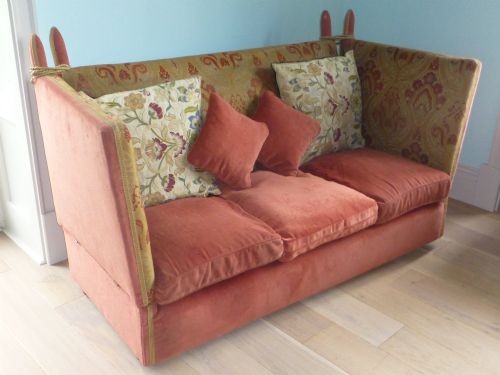
Period Couch
A period couch brings historic character to a room, offering deep seating shaped by centuries of craftsmanship.
Period Couch
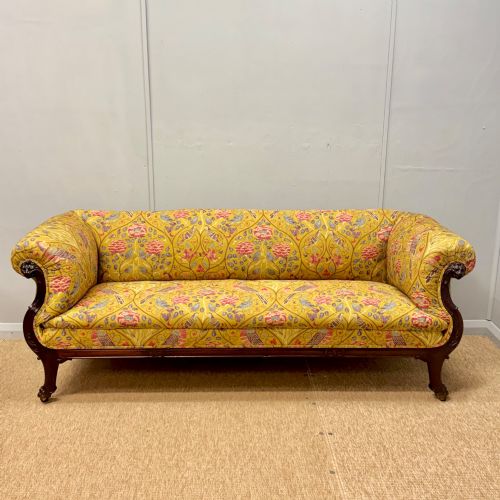
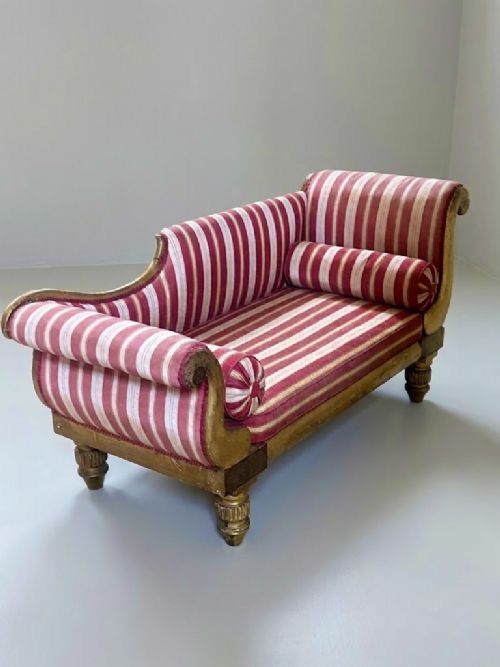
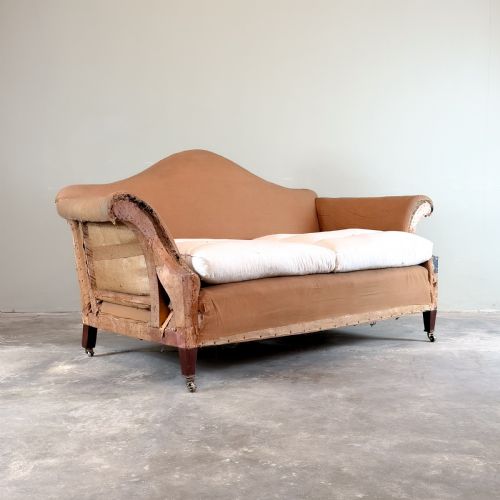
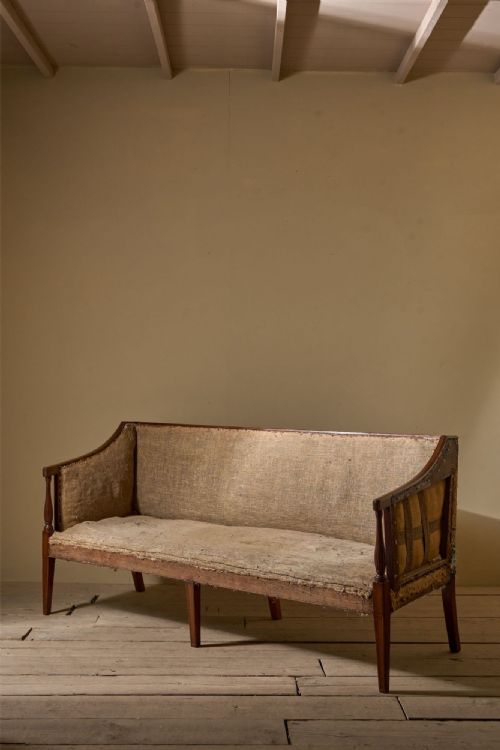
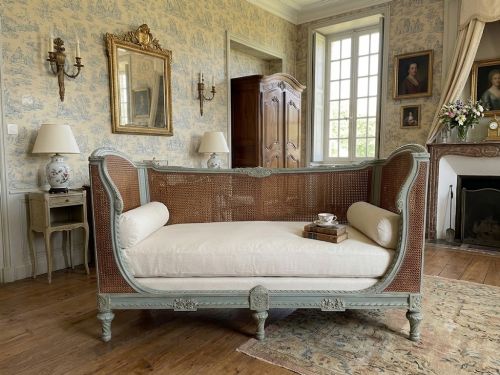
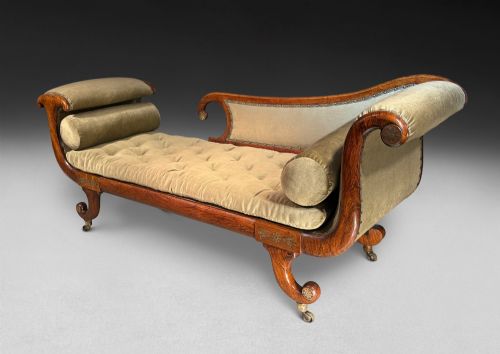
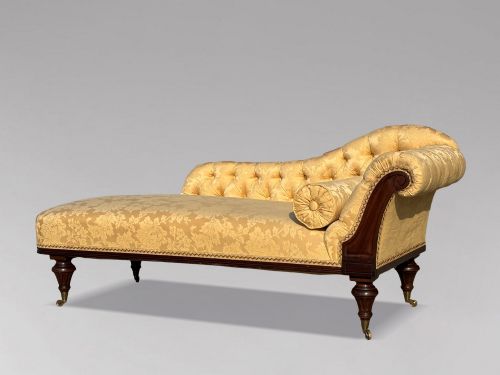
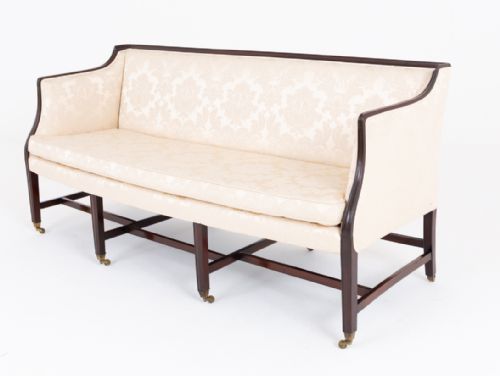
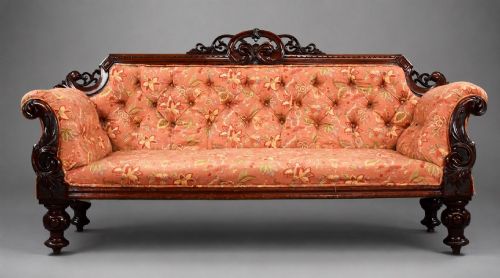
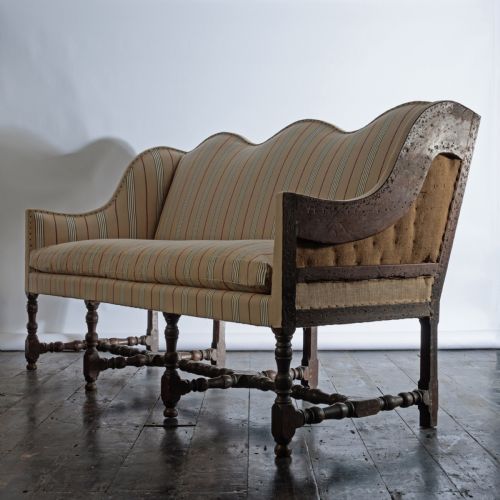
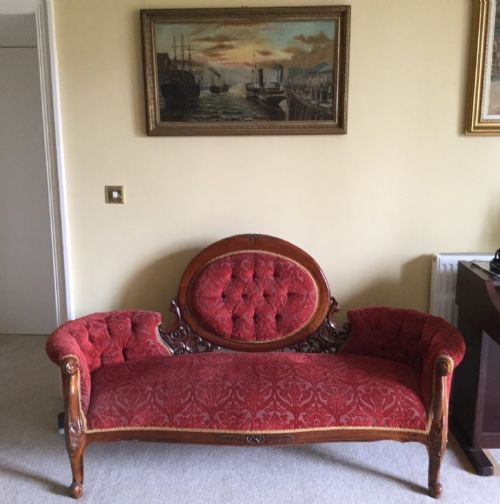
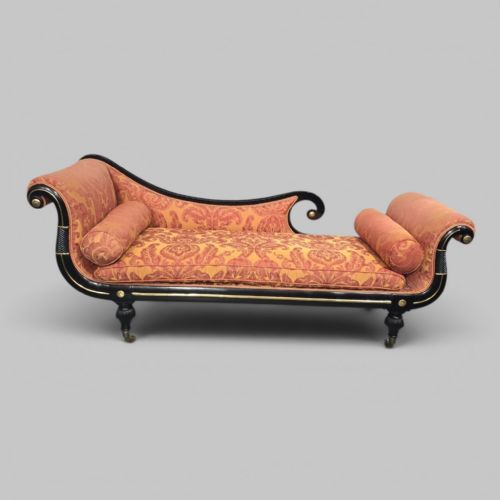
A period couch encompasses an array of historical seating forms, including scrolled settees, chaise longues, and grand camel-back sofas. Buyers searching for a period couch encounter designs rooted in Georgian, Regency, and Victorian aesthetics, alongside Edwardian interpretations.
The selection ranges from mahogany frames with brass inlay to giltwood creations and walnut framework. These seating pieces function as central statements in traditional interiors, combining functional lounging space with distinct historical lineage.
Materials and Construction
Upholstery relies on historic textiles including silk, velvet, damask, brocade, and leather. Interior support structures utilise traditional springs and feather inners to achieve the characteristic profiles of each era.
Period Couch Retail Price Guide 2026
Typical asking prices for period couch among the pieces listed under this phrase on Sellingantiques today, from the lower quarter to the upper quarter. They describe what is for sale here now, not the wider market.
Feather inners tucked inside antique linen backs offer a remarkably soft landing after a long day.
Distinction in Craft
Quality rests in the precision of the timber carving, the integrity of the frame joints, and the authenticity of the materials used. Superior examples display crisp detail in scrollwork, lion mask motifs, or brass inlay.
The fidelity of the upholstery materials and the retention of original frame contours elevate specific pieces. Hand-carved flourishes and balanced proportions distinguish high-calibre historical seating from simpler regional output.
Giles Grendey·Howard and Sons
The Period Couch Glossary
- Settee
- A bench-like seat with upholstered back and arms, designed for multiple occupants. It serves as a precursor to the modern sofa.
- Giltwood
- Wood that has been coated with gold leaf or a gold-coloured substance. This finish is common on formal decorative frames from the 18th and 19th centuries.
- Damask
- A reversible figured fabric woven on a jacquard loom, frequently utilised for period upholstery. It displays patterns formed by contrasting warp and weft threads.
Period Couch: Frequently Asked Questions
How do I identify a Regency period couch?
Regency pieces often display classical motifs, scroll ends, brass inlay, and simulated rosewood finishes. They reflect the early 19th-century taste for ancient Greek and Roman forms.
Look for lyre shapes, sabre legs, and giltwood highlights which typify the furniture produced during this distinct stylistic phase.
What is the difference between a settee and a sofa?
Historically, a settee tends to denote a lighter, more formal wooden-framed seat with upholstered panels, popular in 18th-century homes. A sofa usually implies a larger, more deeply upholstered structure built for lounging.
Over time these terms overlap in listings, though the underlying scale and framing often maintain the distinction.
Can I use an antique couch every day?
Many period pieces retain sturdy hardwood frames that withstand daily use if handled with reasonable care. Modern re-upholstering often reinforces internal webbing and spring systems.
Placing the furniture away from direct sunlight protects delicate silk, damask, and velvet coverings from fading over time.
How do I care for antique wood frames?
Maintain polished mahogany and walnut frames with a soft cloth and periodic applications of appropriate wax. Avoid harsh chemical cleaners that strip historic finishes.
Keep wooden frames away from sudden temperature fluctuations to prevent the timber from warping or splitting.