



Period Commode Cabinet
Period commode cabinet designs combine deep timber drawer banks and fitted bedside cupboards across Georgian, Regency, and earlier centuries.
Period Commode Cabinet
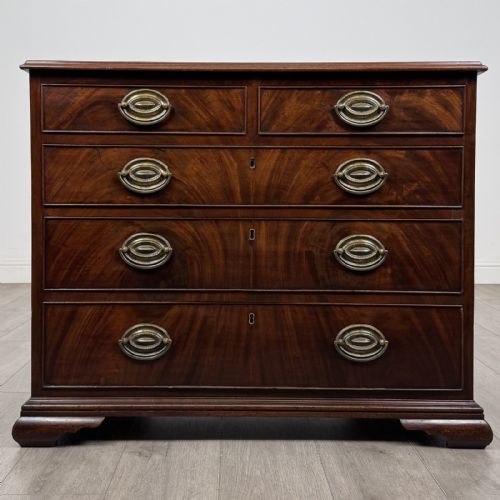
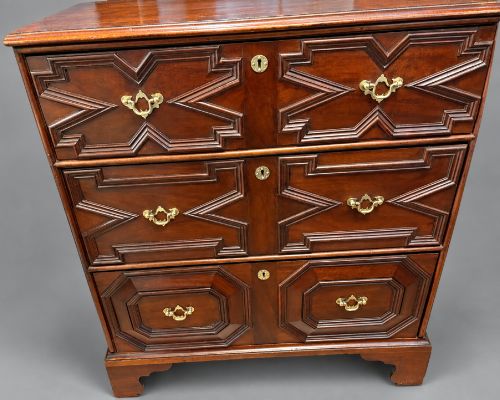
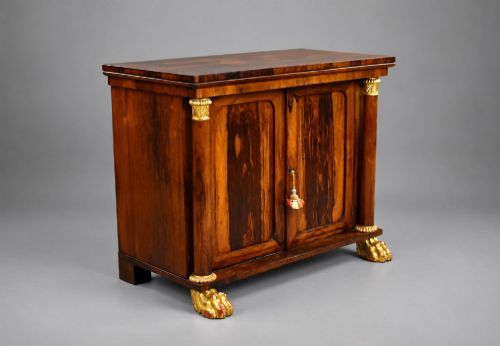
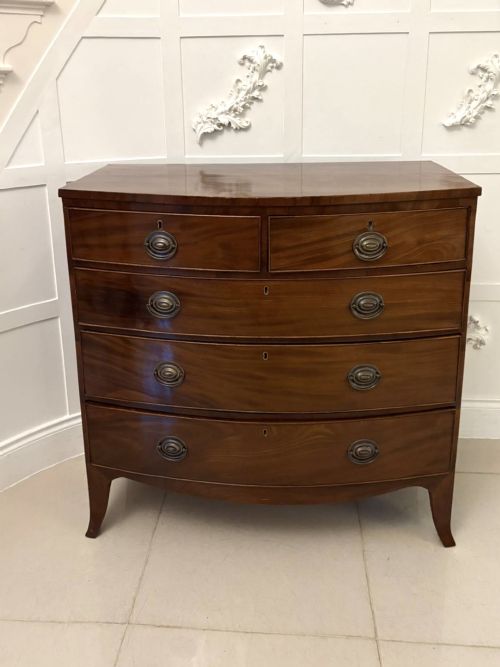
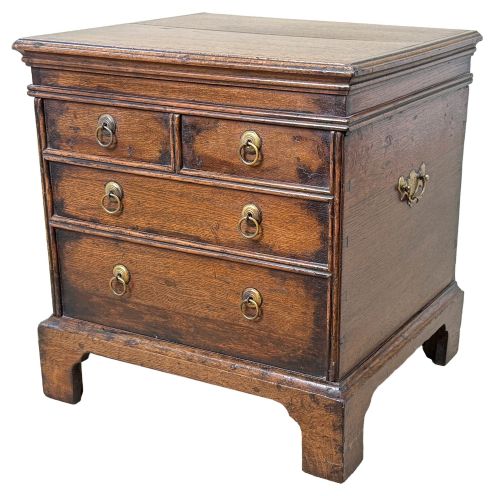
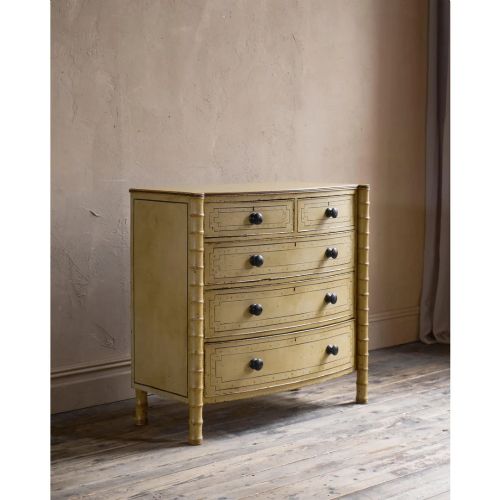
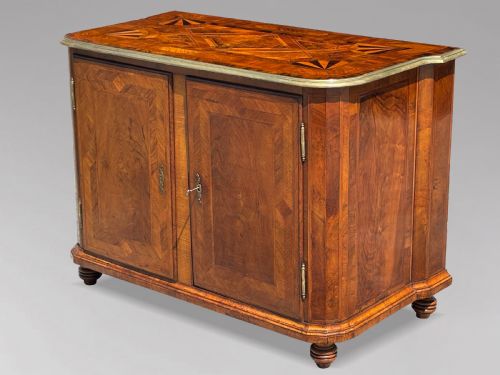
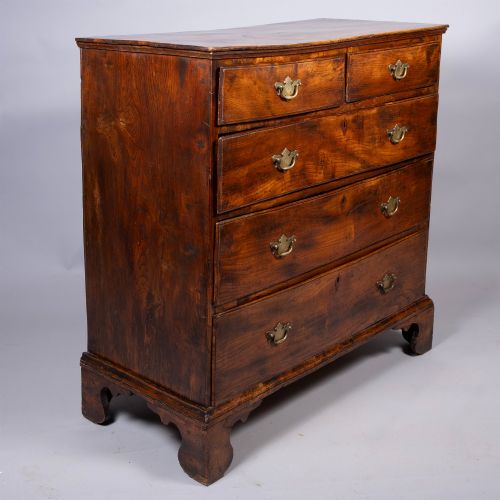
A period commode cabinet encompasses a broad variety of storage forms, ranging from towering chests of drawers to compact bedside cupboards and intimate close stools. The versions most frequently encountered on this page span the 18th century and the Regency era, constructed in formats such as bow fronts, serpentine edges, and demi-lune shapes.
Makers and cabinetmakers of these past eras built pieces designed for specific household rooms, giving rise to specialised variations like cylindrical bedside cupboards, tray top commodes, and marble-topped continental commodes. The selection includes substantial George III mahogany chests alongside walnut designs from the William and Mary period.
Buyers exploring this category encounter both tall drawer units and low bedside cabinets that utilise traditional joinery and proportion. Each individual object reflects the domestic requirements of its respective century, bridging the gap between utilitarian storage and formal reception room furniture.
Materials and construction methods
Cabinetmakers relied heavily on dense timbers such as mahogany, walnut, and oak, frequently selecting figured veneers like flame mahogany, burr elm, and oyster olive for primary display surfaces. Secondary woods provided structural stability inside drawer linings and carcass frames.
Decoration relied on contrasting inlay techniques using satinwood, rosewood, tulipwood, kingwood, and ebony line work to define panel borders and drawer edges. Brass handles, escutcheons, and occasional faux bamboo turning added textural contrast to the polished timber exteriors.
Period Commode Cabinet Retail Price Guide 2026
Typical asking prices for period commode cabinet among the pieces listed under this phrase on Sellingantiques today, from the lower quarter to the upper quarter. They describe what is for sale here now, not the wider market.
Some Georgian bedside chests disguised their utilitarian origins as close stools entirely behind tidy banks of small drawers.
Distinctions in construction and timber selection
The upper tier of pieces is distinguished by superior timber selection, utilising richly figured veneers and tight grain patterns that have matured evenly over centuries. Lesser examples employ plain secondary timbers or display heavier restoration work to the outer surfaces.
Superior execution shows in the precision of the joinery, the crispness of the inlaid line work, and the original retention of brass hardware or marble tops. Construction integrity in the drawer divisions and internal framing separates standard utility items from high-status cabinet work.
A. Solomon
The Period Commode Cabinet Glossary
- Commode
- A low chest of drawers or cabinet designed for bedroom or reception room use. Many early examples evolved from close stools or French bedside furniture.
- Bow front
- A convex curved cabinet front that projects outward in the centre. This configuration gained popularity during the Georgian and Regency periods.
- Tray top
- A raised rim around the upper surface of a bedside cabinet or commode. It prevents items from sliding off the polished timber top.
- Oyster veneer
- Circular slices cut transversely from small branches or roots to create an oyster-shell pattern. This decorative technique is seen on late 17th century walnut pieces.
- Demi-lune
- A half-moon shape used for the footprint and top of specialised commodes. It allowed cabinets to sit flush against walls while offering curved drawer fronts.
Period Commode Cabinet: Frequently Asked Questions
What is a period commode cabinet?
A period commode cabinet is a vintage or antique storage piece, typically encompassing low chests of drawers, bedside cupboards, and decorative commodes from past centuries.
These items served practical functions in bedrooms and sitting rooms, ranging from clothing storage to housing wash basins or close stools.
How do I date a mahogany chest?
Dating relies on observing structural characteristics, timber choices, handle styles, and construction methods associated with specific reigns like George III or the Regency era.
Secondary woods and dovetailing techniques also provide clues regarding whether a piece originates from the 18th century or later.
Where were bedside cabinets placed?
Bedside cabinets and tray top commodes sat adjacent to sleeping quarters to hold chamber pots, candles, or personal items during the night.
Many featured enclosed cupboards or pull-out steps to assist occupants in larger Georgian and Regency bedrooms.
How should I care for antique walnut?
Antique walnut furniture benefits from stable indoor humidity levels and protection from direct sunlight to prevent timber shrinkage and veneer lifting.
Occasional application of traditional wax helps nourish the polished surface without building up excessive residues.