
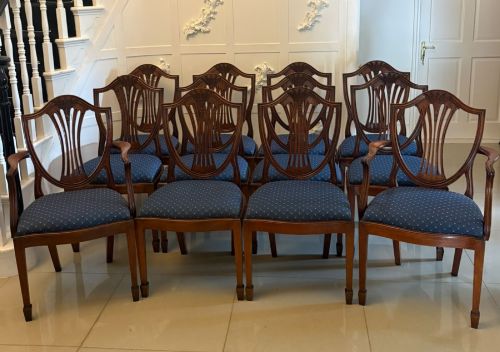
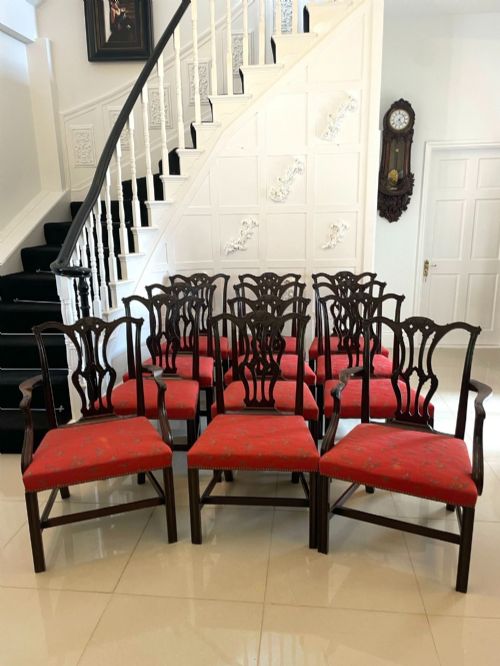
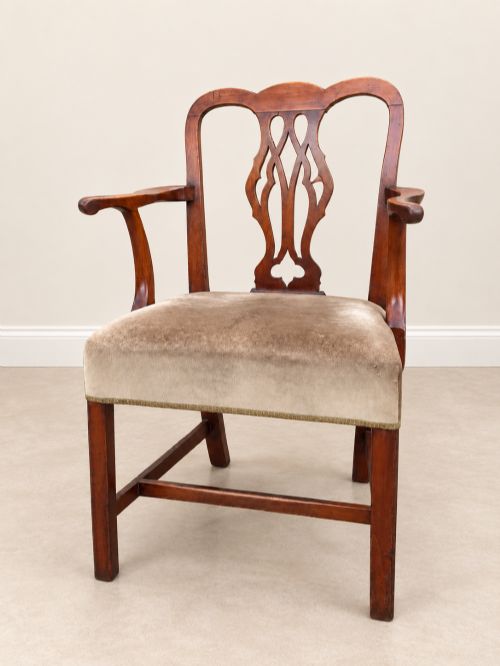
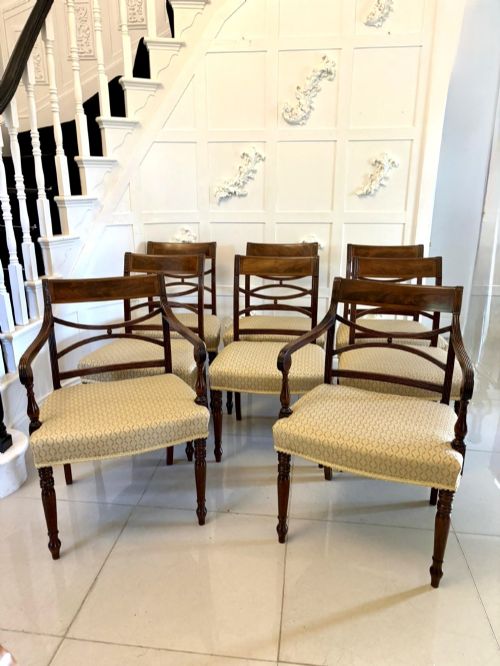
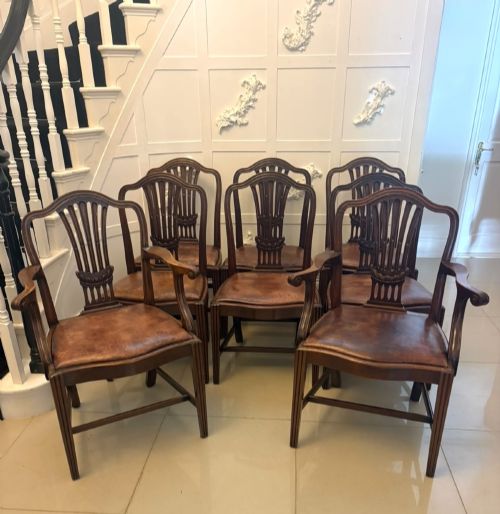
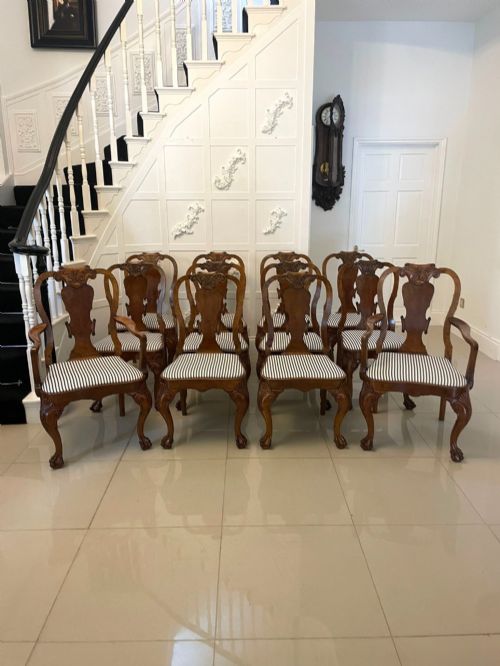
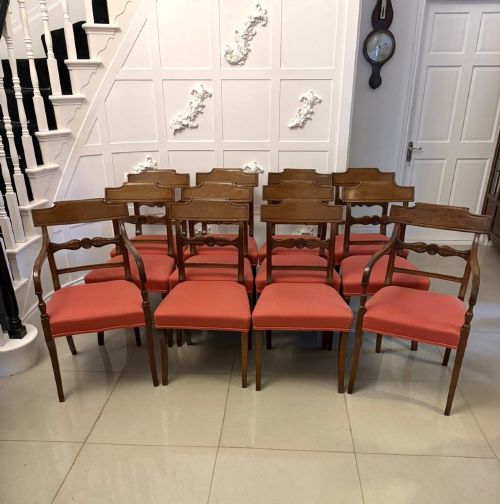
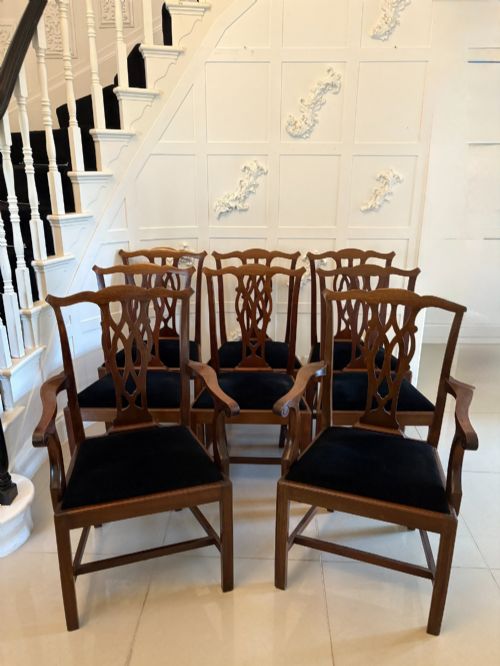

Period Carver Chair
A period carver chair brings architectural line and comfortable arm support to a dining table or study desk.
Period Carver Chair
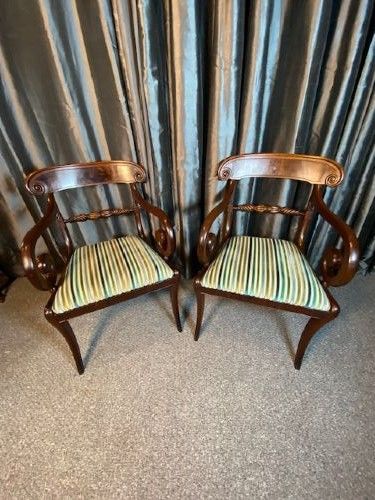
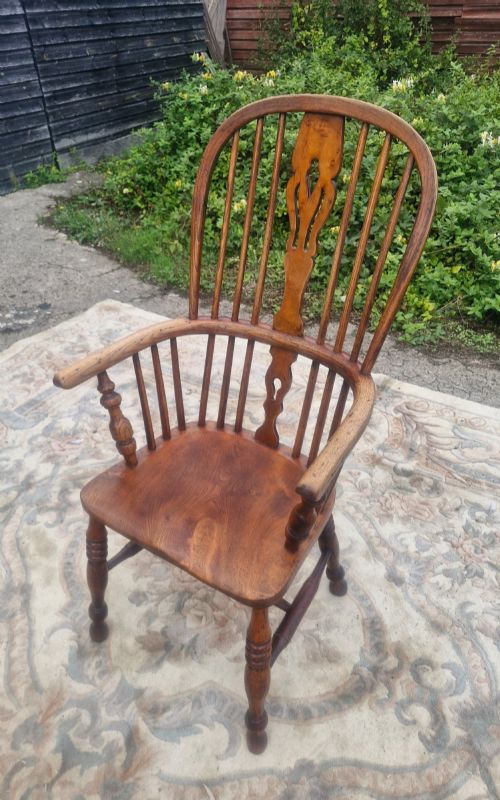
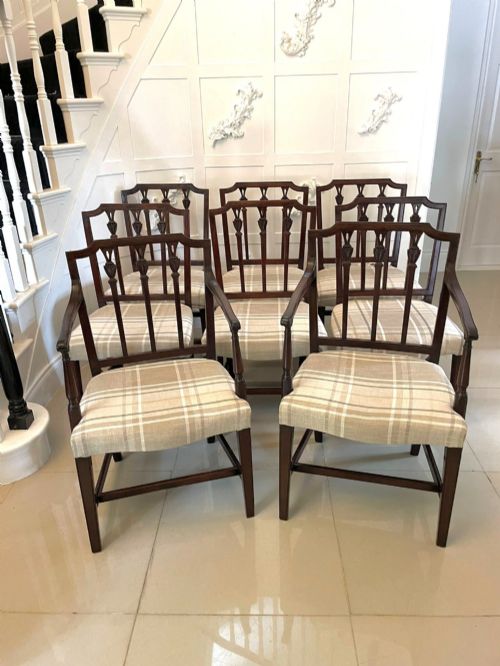
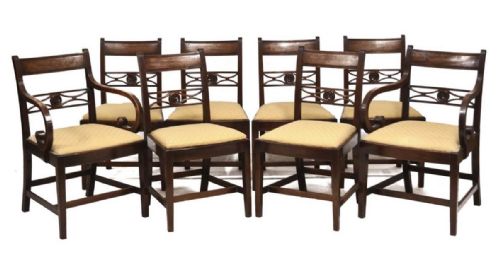
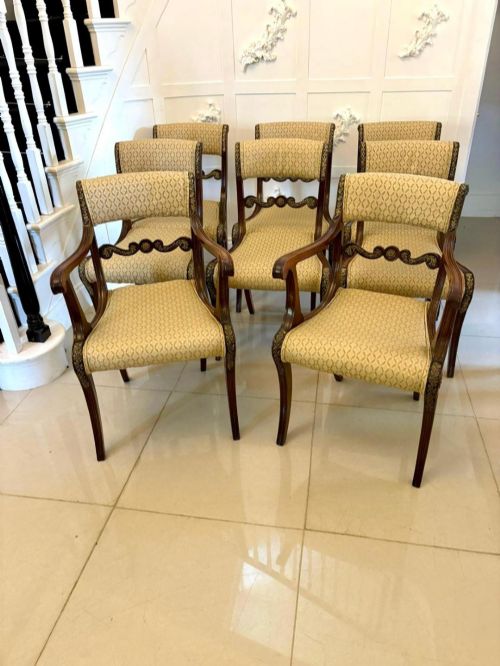
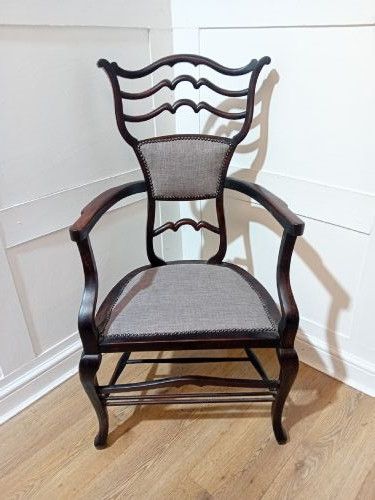
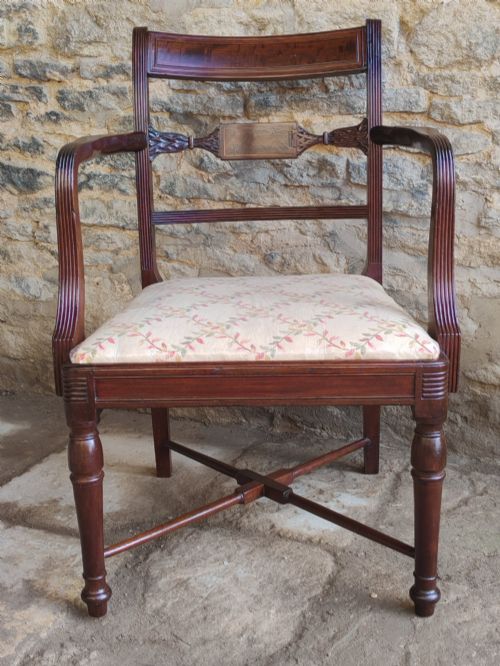
A period carver chair is an armchair designed to match a set of dining chairs or to stand alone at a desk, appearing frequently in mahogany across 18th-century, Georgian, and Regency eras. These seating forms range from shield-back and ladder-back dining armchairs to library seats with cane panels.
The versions most commonly met on this page date from the Georgian and Regency periods, constructed in rich timber with scrolled or open arms intended to accommodate the clothing fashions of the time.
How they were made
Cabinetmakers built these chairs primarily using solid mahogany, walnut, elm, and birch, often selecting figured grains for the back splats and crest rails. Joinery relied on precise mortise and tenon construction to ensure the arms remained rigid under daily use.
Seating portions were traditionally webbed and stuffed with upholstery fabric, velvet, or fitted with woven cane inserts, sometimes accented with brass details along the framework.
Listings feature mahogany predominantly, alongside walnut, elm, birch, and oak across Georgian and Victorian periods.
What varies in quality
The distinction between tiers rests upon the crispness of the hand-carved ornamentation, such as acanthus leaves on the knees or reeding along the legs. Timber selection also dictates grade, with dense, deeply patinated wood outlasting lighter or secondary cuts.
Proportion and structural integrity define the higher end, where the arms join the uprights seamlessly without unsightly reinforcement.
Alfred Allen of Birmingham·Maple and Co
The Period Carver Chair Glossary
- Carver
- An armchair, usually larger than its companion dining chairs, designed with elbow rests for the head of the table.
- Splat
- The vertical wooden strip down the centre of a chair back, frequently carved in shield, ladder, or lyre shapes.
- Sabre leg
- A curved, outwardly tapering chair leg resembling a cavalry sword, common in Regency design.
- Shield back
- A chair back shaped like a heraldic shield, popularized by designers in the late 18th century.
- Cane
- Split rattan woven into an open mesh pattern to form lightweight seats and back panels.
Period Carver Chair: Frequently Asked Questions
What is a carver chair?
A carver chair is an armchair traditionally placed at the head of a dining table to match the smaller side chairs.
The term distinguishes the seated host from other diners by providing structural elbow supports.
How do I date a carver chair?
Dating relies on examining the timber species, leg geometry, and backrest construction against known historical design eras.
Mahogany and straight lines point toward the Georgian period, while curved sabre legs typically indicate Regency manufacture.
Can I use these chairs daily?
These seating pieces were built for functional domestic use from hardwood timber and tolerate normal daily sitting.
Regular checks on joint stability and gentle cleaning will preserve the original frame and upholstery over time.