



Period Brown Cupboard
Period brown cupboard furniture encompasses timber storage pieces spanning several centuries, offering genuine historical utility and rich patinated character.
Period Brown Cupboard
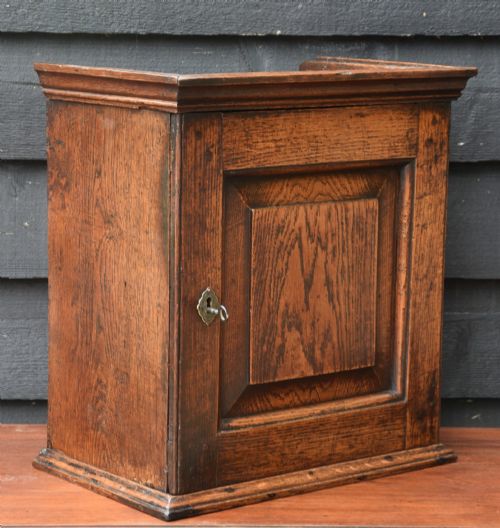
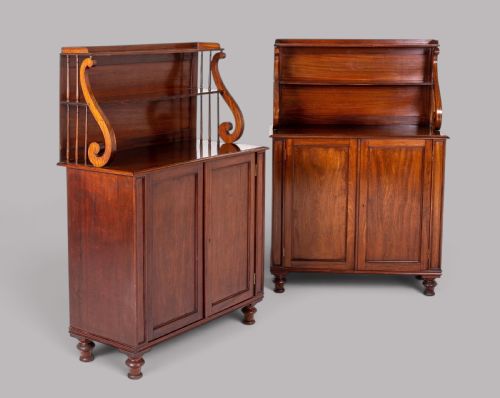
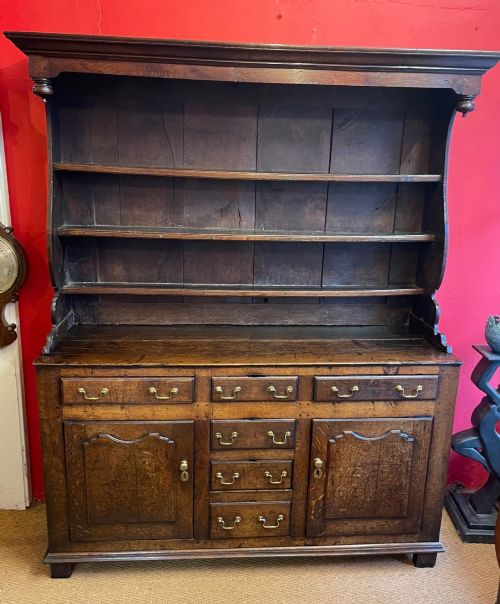
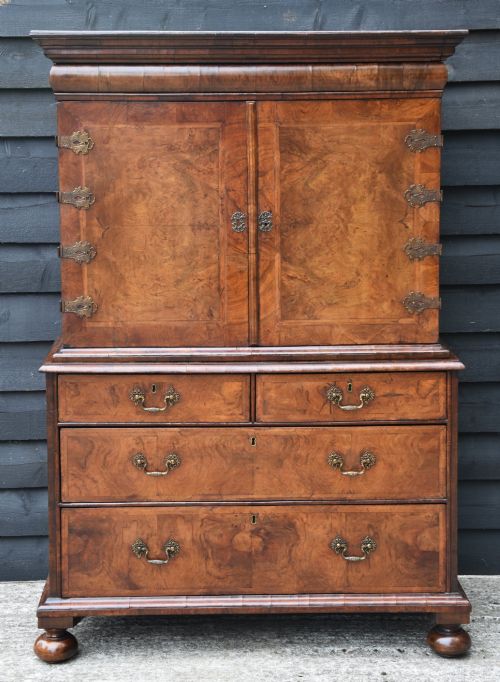
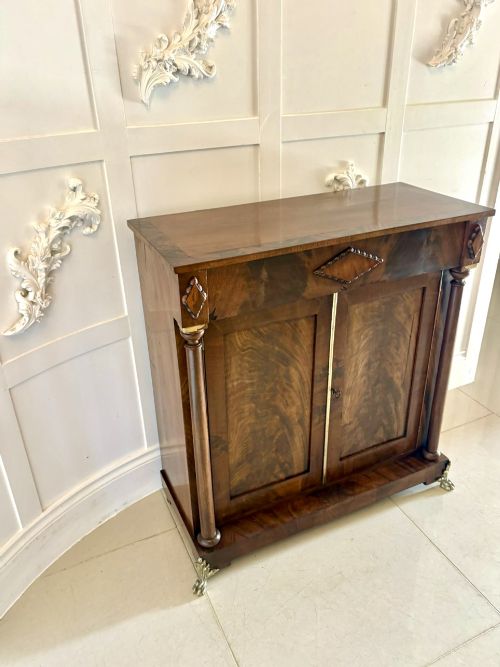
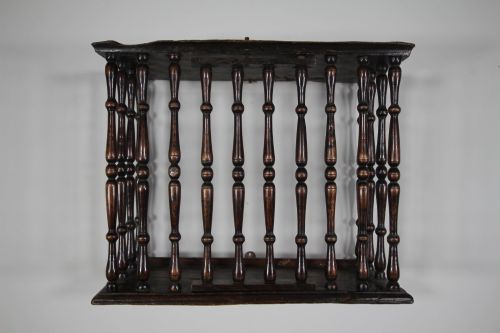
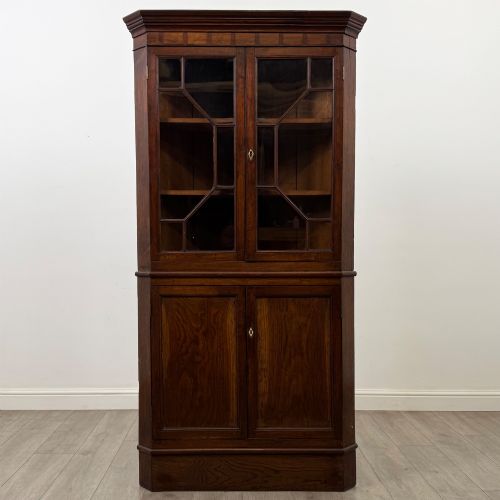
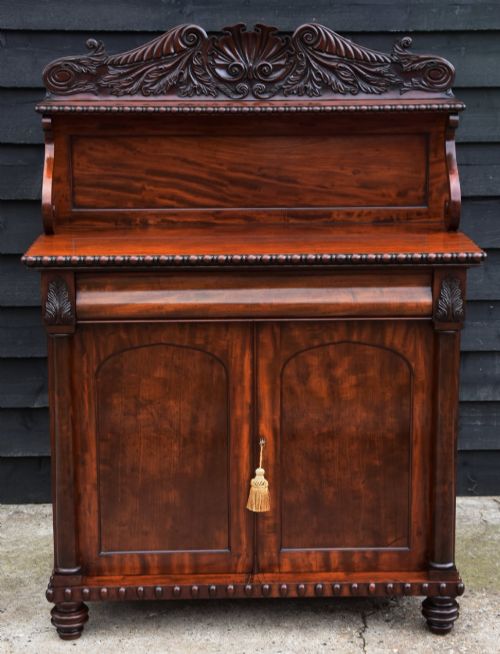
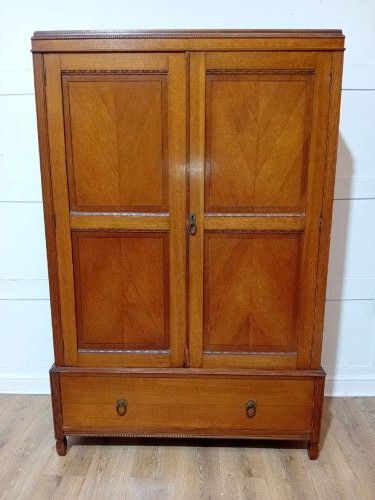
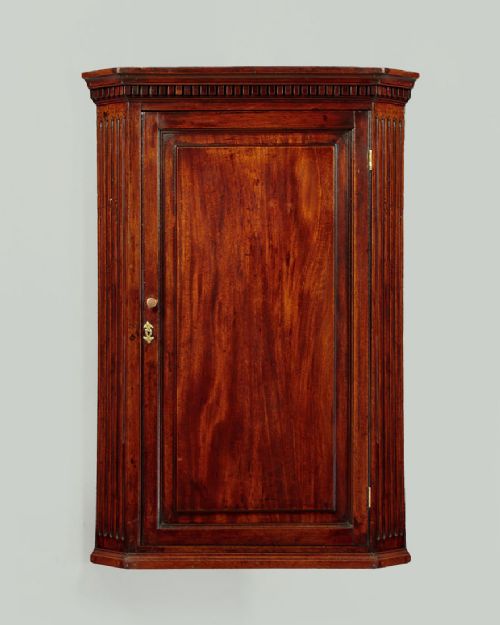
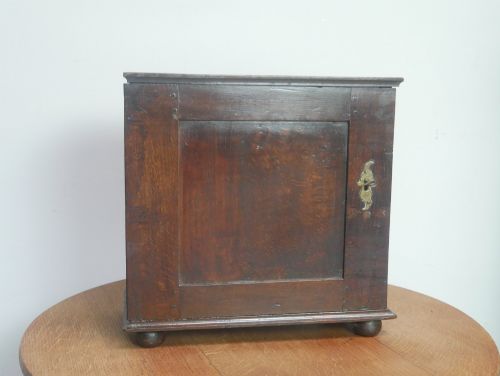
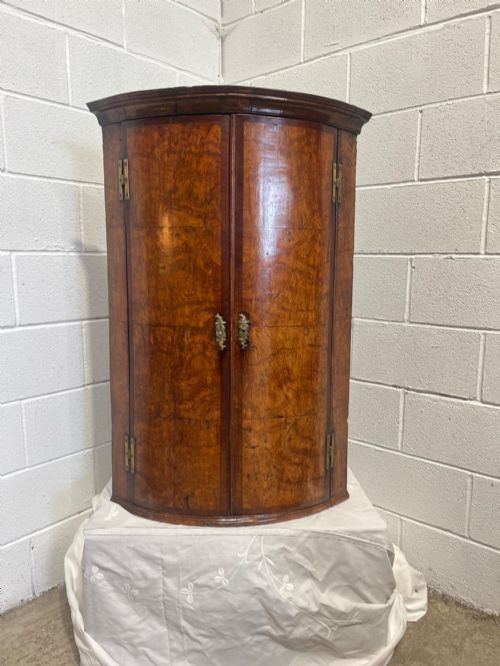
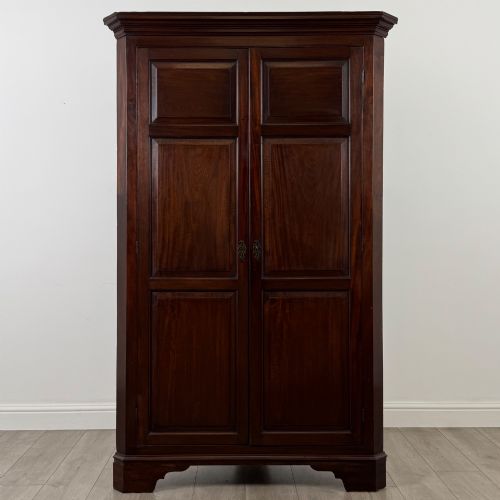
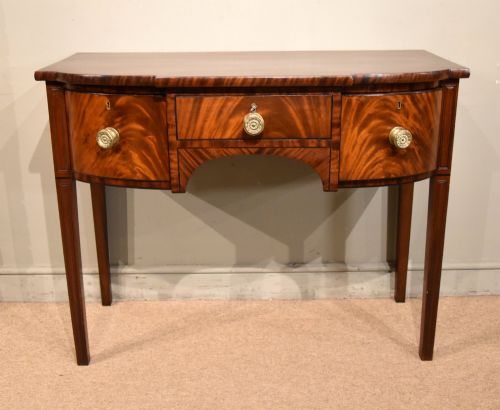
A period brown cupboard brings substantial timber storage into a room, taking forms such as corner cabinets, wall cabinets, sideboards, bookcases, and specialised spice or court cupboards. When you search for period brown cupboard, you encounter diverse domestic containers built to house provisions, linens, books, or tableware.
The pieces on this page lean heavily toward 18th century and Georgian oak and mahogany examples, alongside Regency rosewood, walnut, and 17th century pieces. You are most likely to meet corner cabinets, side cabinets, and compact cupboards shaped by centuries of domestic use.
Materials and construction
Cabinet makers utilised dense hardwoods, predominantly oak in earlier centuries and richly grained mahogany, walnut, rosewood, and amboyna in later Georgian and Regency periods. Brass fittings, iron hardware, and glass panels frequently complete the assembly.
Joinery techniques relied on traditional framing, paneling, and dovetailed drawers designed to withstand generations of daily handling. Timber surfaces were polished or waxed to highlight the natural figuring of the grain.
Period Brown Cupboard Retail Price Guide 2026
Typical asking prices for period brown cupboard among the pieces listed under this phrase on Sellingantiques today, from the lower quarter to the upper quarter. They describe what is for sale here now, not the wider market.
One listed 18th century oak close stool cleverly disguises private plumbing as a charming little bedside chest.
Judging the timber and build
Quality rests upon the selection of the timber, where figured mahogany, burr oak, or plum pudding mahogany elevate a piece far above plain utility versions. The crispness of carved details and the retention of original brass hardware distinguish finer workshops from standard production.
Proportion and structural integrity define the enduring merit of these storage pieces. Refined proportions in cornice mouldings and tight joinery separate high status furniture from simpler regional items.
Harris Lebus
The Period Brown Cupboard Glossary
- Chiffonier
- A low sideboard or cabinet featuring shelves or a small superstructure, popular during the Regency period.
- Court cupboard
- An antique 17th or 18th century storage piece, typically constructed from oak with upper and lower tiers.
- Corner cabinet
- A triangular storage unit designed specifically to fit neatly into the corner of a room.
- Compactum
- A large fitted wardrobe or multi-compartment storage cabinet designed to maximise internal capacity.
- Spice cupboard
- A miniature wall or tabletop cupboard containing small internal drawers intended for valuable spices and condiments.
Period Brown Cupboard: Frequently Asked Questions
What is a period brown cupboard used for?
These items served various historical storage needs, from housing dry goods and spices to displaying treasured porcelain and storing household linens.
Today, they function effectively in modern interiors as statement storage units in dining rooms, hallways, or living spaces.
How do I identify a Georgian cupboard?
Georgian pieces typically display rich mahogany or oak timbers, classical proportions, and understated decorative moulding rather than heavy ornamentation.
Examining the construction methods, such as hand-cut dovetails and original hardware, helps confirm the 18th century origin.
Are oak cupboards older than mahogany ones?
Oak predominantly appears in 17th century and early 18th century pieces, reflecting the primary hardwood available to English cabinet makers at that time.
Mahogany gained widespread favour later in the 18th century following increased trade imports, shifting the typical palette of brown furniture.
How should I care for antique timber?
Protect antique wood by placing it away from direct sunlight and maintaining stable room humidity to prevent timber splitting or warping.
Regular applications of traditional beeswax help nourish the finish and preserve the natural patina developed over centuries.