


Period Brown Cabinet
A period brown cabinet brings together rich timbers and functional storage, offering a practical centrepiece for traditional and modern rooms alike.
Period Brown Cabinet
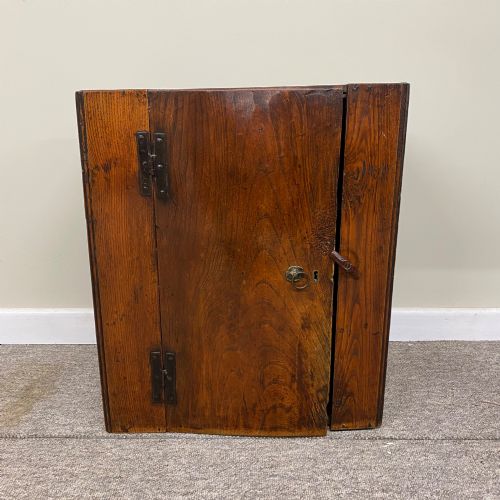
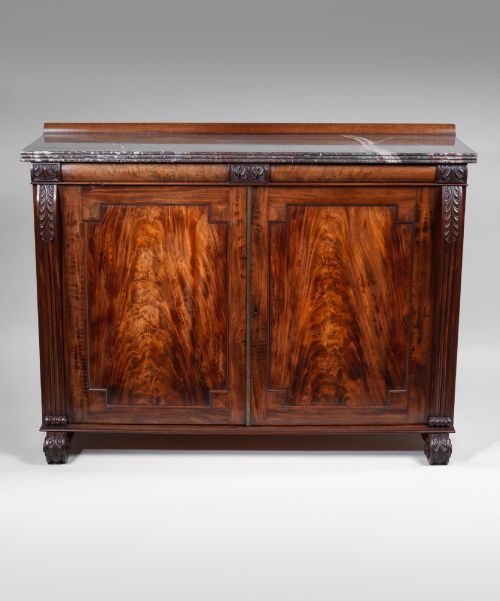
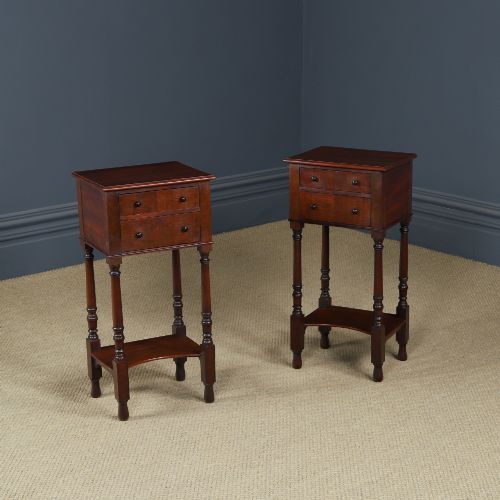
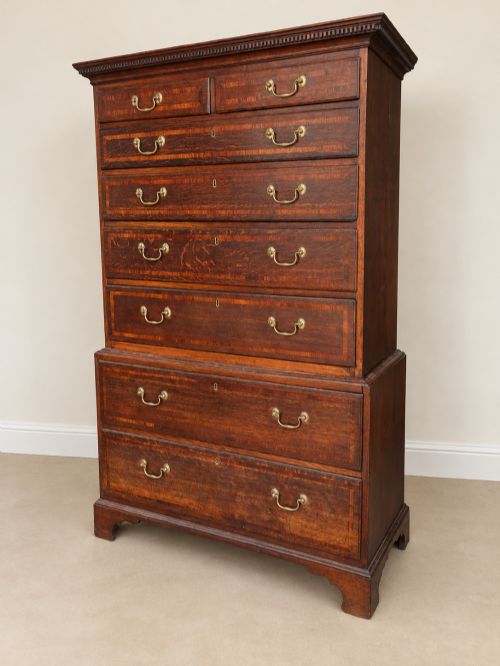
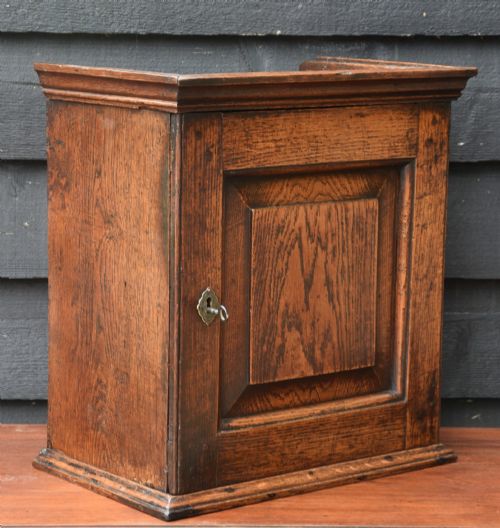
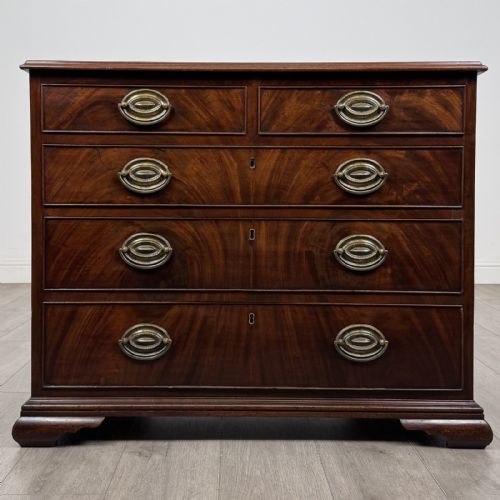
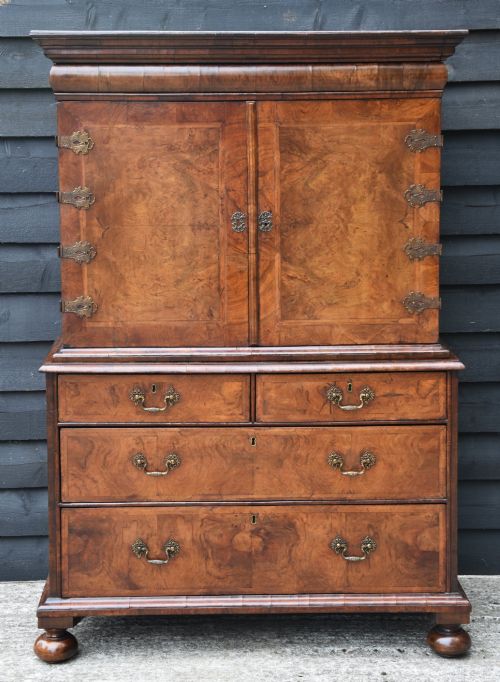
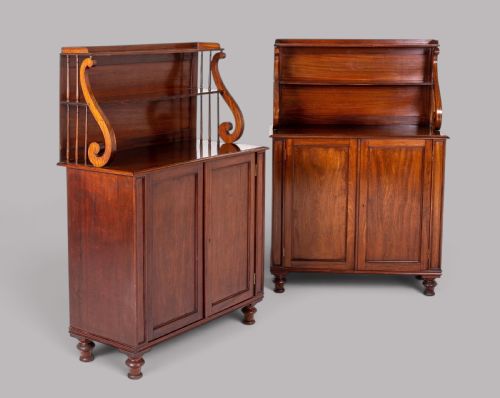
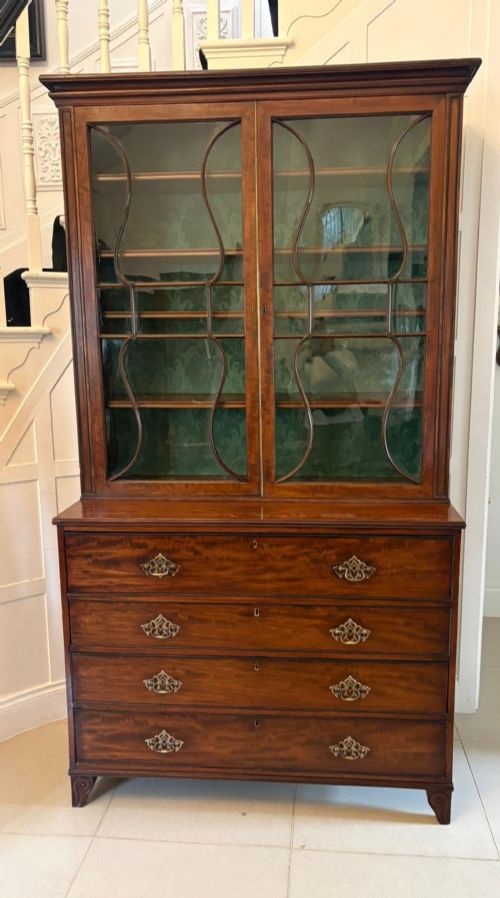
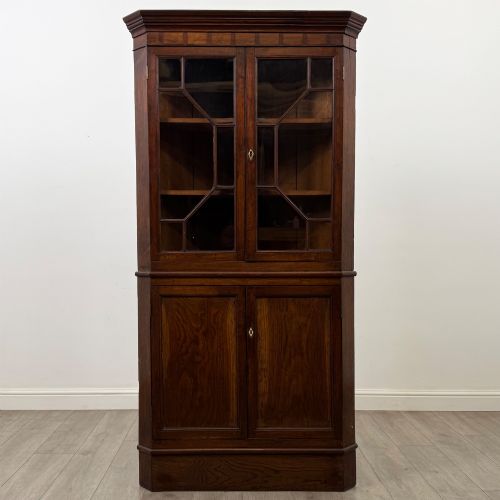
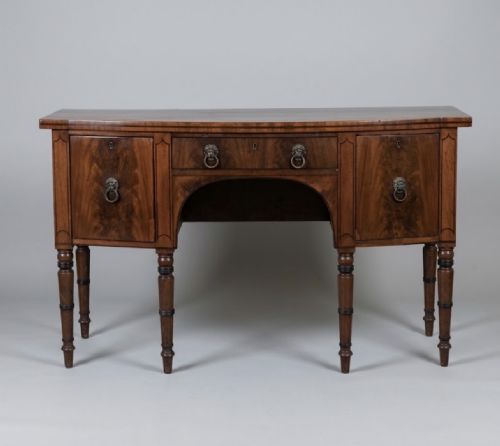
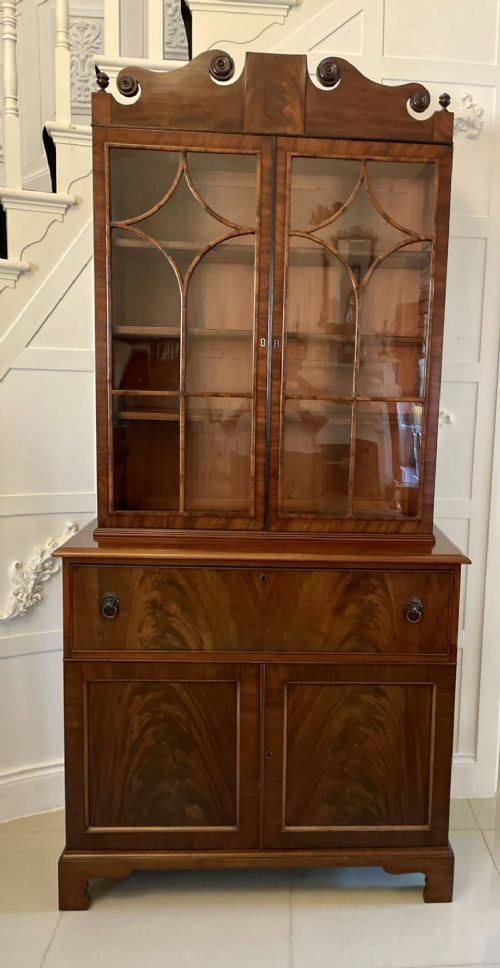
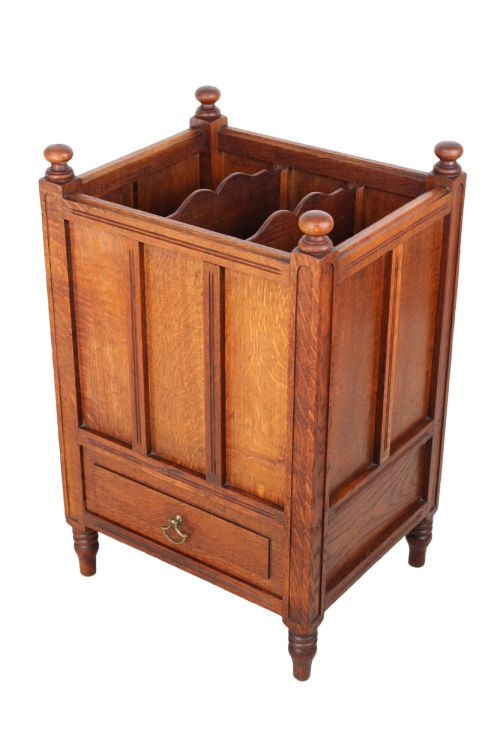
A period brown cabinet encompasses a wide variety of storage furniture including bookcases, side cabinets, chests of drawers, and corner cupboards. When searching for a period brown cabinet, buyers commonly encounter Georgian and Regency pieces constructed from dense, dark hardwoods.
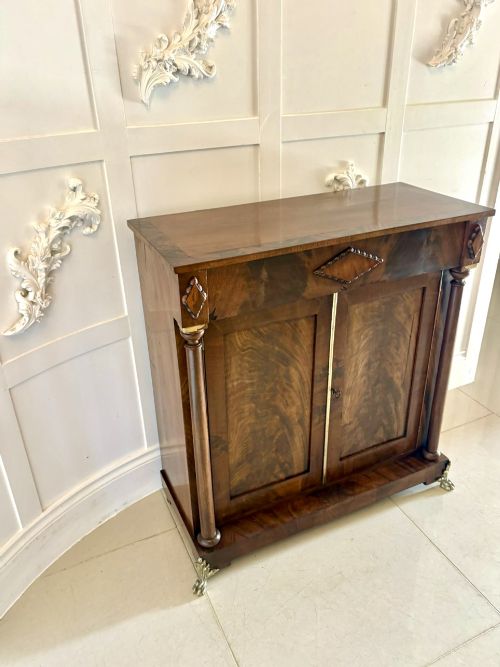
The selection spans centuries of craftsmanship, ranging from seventeenth-century oak hanging cupboards to nineteenth-century mahogany chiffoniers. Form follows function closely in these pieces, with specialised items like secretaire bookcases and bureau cabinets serving multiple domestic purposes.
Originating predominantly from British workshops, the inventory also includes continental walnut chests and Japanese display cabinets. Oak and walnut dominate the earlier periods, while mahogany and burr walnut define the later eighteenth and nineteenth centuries.
Materials and Techniques
Makers utilised solid mahogany, oak, and walnut as structural timber, frequently selecting figured veneers and burr walnut to create striking grain patterns on drawer fronts and doors. Brass handles, escutcheons, and occasional mounts provided functional contrast against the dark timber surfaces.
Glass doors featured hand-blown panes set within intricate wooden glazing bars, while specialised writing surfaces incorporated fitted leather interiors. Construction relied heavily on traditional joinery methods, ensuring stability across centuries of use.
Period Brown Cabinet Retail Price Guide 2026
Typical asking prices for period brown cabinet among the pieces listed under this phrase on Sellingantiques today, from the lower quarter to the upper quarter. They describe what is for sale here now, not the wider market.
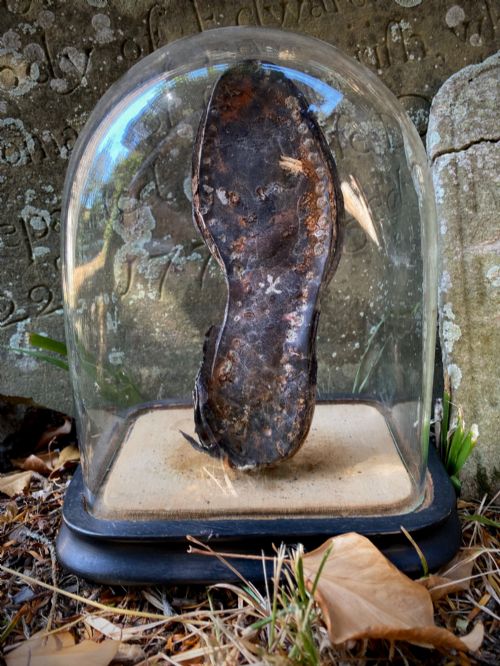
Among the practical storage solutions sits a tiny antique shipwreck shoe preserved safely inside a glass display dome.
Distinctions in Execution
Quality reveals itself in the selection of timber and the precision of the cabinetmaker's joins. Superior pieces display continuous grain matching across drawer tiers and refined carving that enhances rather than overpowers the natural material.
Internal secondary timbers, such as oak drawer linings, and original brass hardware separate standard domestic furniture from exceptional workshop productions. The integrity of the structure and the retention of original glass or leather surfaces dictate the standing of each piece.
The Period Brown Cabinet Glossary
- Secretaire
- A cabinet or desk featuring a pull-down front drawer that conceals a fitted writing interior with small drawers and pigeonholes.
- Chiffonier
- A low cabinet developed during the Regency period, typically fitted with shelves or enclosed doors beneath.
- Burr walnut
- Timber taken from the warted growths on walnut trees, prized by cabinetmakers for its swirling, highly figured grain patterns.
- Glazing bar
- The narrow wooden strip that holds individual panes of glass within a cabinet door or bookcase.
- Commode
- A decorative low cabinet or chest of drawers, often featuring elaborate form or tray tops in eighteenth-century designs.
Period Brown Cabinet: Frequently Asked Questions
How do I identify a Georgian cabinet?
Georgian cabinets typically display classical proportions, substantial timber construction, and restrained decorative carving characteristic of the eighteenth century.
Look for architectural cornices, bracket feet, and mahogany or walnut primary woods that indicate the period of origin.
Where were these cabinets used?
These cabinets served primarily in formal rooms, libraries, and bedrooms of substantial homes for storing books, linens, and personal items.
Corner cupboards utilised awkward room angles effectively, while tall bookcases housed private library collections.
How do I care for antique wood?
Maintain antique brown furniture by keeping it away from direct heat sources and sudden humidity changes that can split timber and veneer.
Apply traditional beeswax occasionally to nourish the surface and preserve the natural sheen of the old wood.