
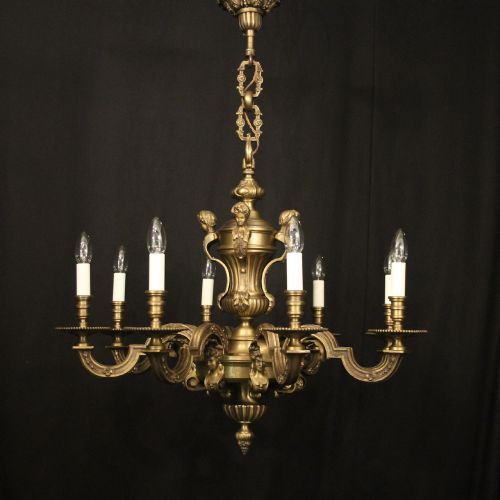
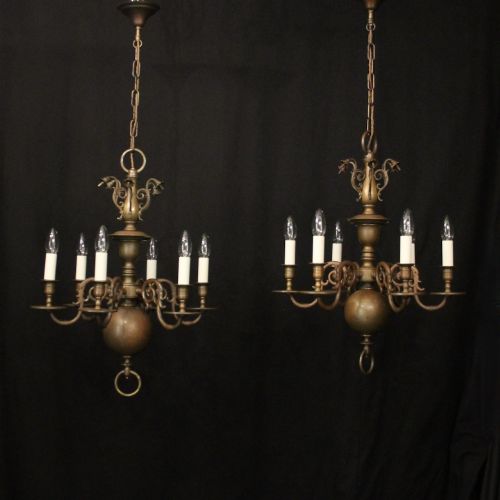


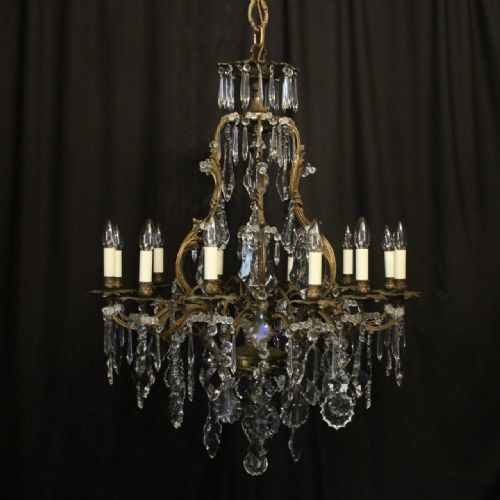


Period Bronze Pendant
A period bronze pendant brings substantial weight and warm metal tones to a room, offering enduring character that modern light fixtures simply lack.
Period Bronze Pendant
When you search for period bronze pendant, you encounter robust overhead lighting fixtures fashioned primarily from bronze, brass, and gilded bronze alongside glass elements. These pieces originate from various eras spanning the nineteenth century through the Art Deco decades of the nineteen-thirties.
The selections available here lean heavily toward substantial multi-armed chandeliers, cage-style fixtures, hall lanterns, and ceiling lights. Styles range from French Rococo Revival and classical designs to geometric Art Deco creations and Edwardian interpretations.
Origin plays a strong role in these listings, with French workshops and English makers well represented. Buyers frequently select these fixtures to anchor high-ceilinged rooms or to introduce authentic period atmosphere into traditional interiors.
How they were made
Metalwork forms the backbone of these fixtures, utilising cast bronze, brass, bronzed brass, and silver-gilded bronze formed into arms, frames, and ornate mounts. Many pieces combine these heavy metal structures with delicate glass components, incorporating crystal drops, frosted glass shades, and cut glass bowls.
Construction techniques rely heavily on traditional casting methods to create sturdy frames capable of supporting numerous lights. Gilding, silvering, and patination are applied to the metal surfaces to achieve specific tonal depths, while glass elements are hand-cut or moulded to catch and refract the illumination.
Listings feature pieces spanning from the early nineteenth century through the Art Deco period of the nineteen-thirties.
What varies in quality
The calibre of a fixture is largely determined by the crispness of the metal casting and the depth of the finish, whether that is rich gilding, patinated bronze, or heavy brass. Finer examples display intricate hand-chased detailing on the metalwork rather than flat, machine-stamped surfaces.
Glass components also drive distinctions in quality, with hand-cut crystal and heavy moulded shades commanding greater appreciation than simpler pressed glass. The structural integrity of the frame and the complexity of the arm configuration further separate standard utility lighting from exceptional decorative works.
G.E.C
The Period Bronze Pendant Glossary
- Bronze
- A heavy alloy primarily composed of copper and tin, valued for its strength and rich patination over time. It serves as the primary structural and decorative metal for many antique chandeliers and ceiling lights.
- Gilded Bronze
- Bronze that has been coated with a thin layer of gold leaf or gold powder, producing a brilliant and luxurious surface finish. This technique was frequently utilised in elaborate French lighting designs.
- Electrolier
- A light fixture designed specifically for electricity rather than converted from gas or candles. These pieces often date from the late nineteenth or early twentieth centuries as homes transitioned to electrical power.
- Cut Glass
- Glass that has been shaped and faceted on a wheel to create sharp patterns that refract light intensely. It is commonly found in drops, bowls, and shades on period chandeliers.
- Cage Frame
- An open metal framework structure enclosing the central lights and crystal drops of a chandelier. This design creates a distinct geometric silhouette often associated with French lighting.
Period Bronze Pendant: Frequently Asked Questions
How do I choose the right size?
Consider both the floor area of the room and the height of the ceiling when selecting a fixture. Larger multi-armed options require adequate clearance and substantial space to look balanced.
Measure the hanging height carefully to ensure the piece clears walkways while remaining visually connected to the living space below.
How should I clean bronze and crystal?
Dust the metal gently with a soft, dry cloth to avoid disturbing the patination. Avoid harsh chemical cleaners that can strip gilding or damage vulnerable bronze surfaces.
Crystal drops and glass shades can be carefully removed and washed in warm, soapy water, then dried thoroughly before being reattached to the frame.
How do I identify Art Deco lighting?
Art Deco pieces from the nineteen-twenties and thirties typically feature streamlined geometric shapes, symmetry, and stylised motifs rather than floral scrollwork. They often pair polished brass or bronze with frosted or moulded glass.
These designs reflect a shift toward modern industrial aesthetics while retaining quality metal craftsmanship.