




Period Brassware
Period brassware brings heavy warmth and centuries of domestic utility into a room, offering tactile handles, rich patination and enduring metalwork.
Period Brassware
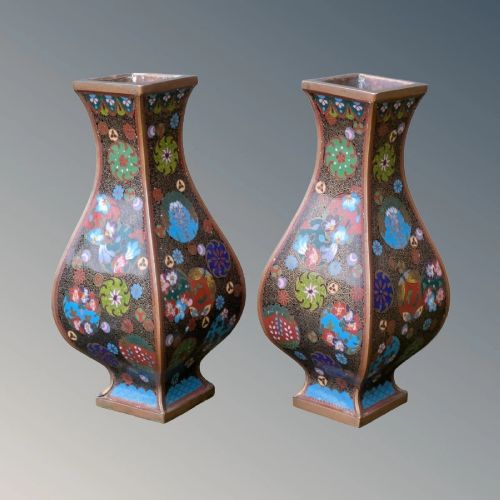
When you search for period brassware, you are looking at utilitarian and decorative metal objects spanning several centuries of European, Asian and Middle Eastern craftsmanship. These pieces range from heavy domestic lighting and hearth equipment to intricate Islamic basins and Chinese cloisonne vessels.
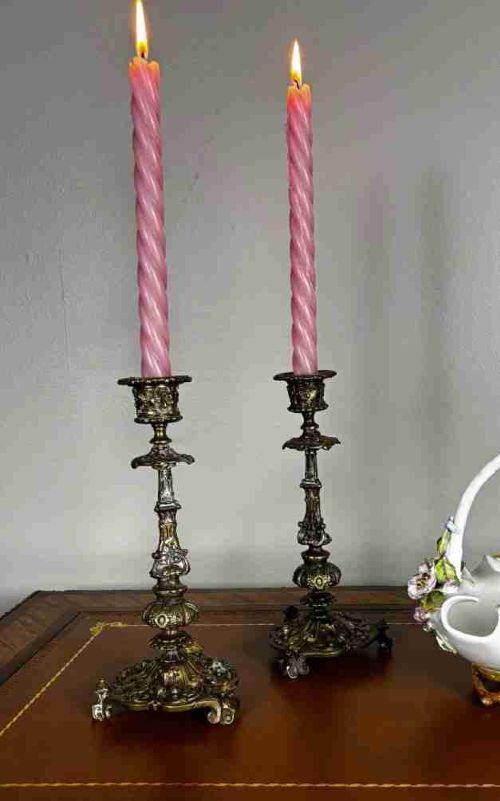
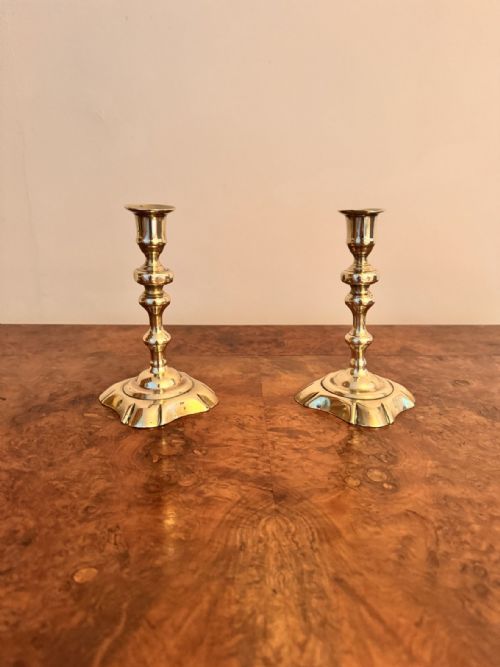
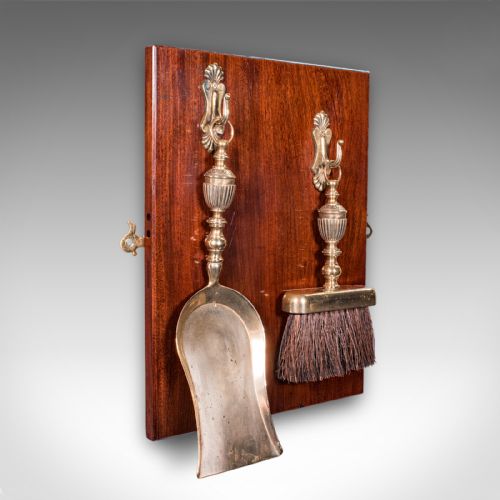
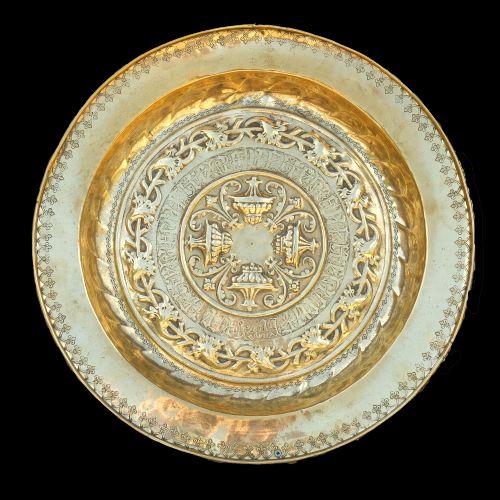
Candlesticks dominate the selection on this page, appearing in forms from Queen Anne baluster shapes to Georgian seamed ejector designs and Victorian iterations. Alongside lighting, buyers encounter fireside maintenance sets, decorative dishes, bowls and jardiniere pieces.
The materials stretch beyond standard brass to encompass latten, cast brass, bronze, enamel, white metal, and nickel silver, occasionally mounted on mahogany. Geographic origins vary widely, touching English domestic workshops, continental European centres, and eastern export markets.
Materials and construction methods
The metalwork relies heavily on casting and hammering techniques, with early pieces utilising latten and cast brass formed in sand or loam moulds. Seamed candlesticks reveal folded and joined sheet metal construction, characteristic of mid-eighteenth-century production methods.
Surface ornamentation on eastern and continental items incorporates hand-engraving, enamelling, and cloisonne work to build complex decorative programmes. Secondary materials such as mahogany bases and white metal or nickel silver alloys appear in later nineteenth- and twentieth-century utility hardware.
Period Brassware Retail Price Guide 2026
Typical asking prices for period brassware among the pieces listed under this phrase on Sellingantiques today, from the lower quarter to the upper quarter. They describe what is for sale here now, not the wider market.
Maids once relied on specialised fireside maintenance sets to keep hearths tidy, proving that even ash disposal had its own Regency style.
Assessing quality in metalwork
Quality in these items rests upon the crispness of casting detail, the integrity of joins, and the depth of natural patination accumulated over generations of handling. Superior examples retain their original components and surface textures without heavy over-cleaning or aggressive modern polishing.
The refinement of hand-engraving and the precision of turned sections separate standard utility hardware from finer decorative items. Weight and balance further distinguish robustly cast domestic pieces from lighter, mass-produced counterparts.
The Period Brassware Glossary
- Latten
- An older term for a durable alloy of copper and zinc, resembling brass, commonly used for medieval and early modern domestic vessels.
- Ejector
- A mechanical device incorporated into the stem of a candlestick to push out the remaining stub of wax.
- Baluster
- An architectural column form with a swelling lower portion, frequently adapted for the stems of lighting.
- Cloisonne
- An ancient technique for decorating metal object surfaces by adding compartments to metal pieces using wire strips.
- Alms dish
- A large metal basin traditionally used for collecting charitable donations in churches or households.
Period Brassware: Frequently Asked Questions
How do I clean old brass?
Historic metal surfaces benefit from minimal intervention, typically requiring only a gentle dusting and occasional soft waxing to protect the aged patination.
Aggressive chemical cleaning or metal polishes strip away historical depth and reduce the long-term desirability of antique items.
What is the difference between brass and latten?
Latten is an older copper alloy containing higher proportions of zinc, common in early European domestic wares before modern brass production standards were established.
Items described as latten often display a deeper, golden-brown tone and heavier cast construction than later nineteenth-century pieces.
How can I date a brass candlestick?
Dating relies on observing base shapes, knop profiles on the stem, and manufacturing marks such as seamed construction lines or push-up ejector mechanisms.
Queen Anne and early Georgian examples show simpler, heavier turning, whereas Victorian pieces often introduce more ornate baluster detailing.
Where were these metal items made?
The selection includes English domestic workshops, continental European centres like Nuremberg, and diverse eastern origins including Persia, Egypt, India, and China.
Each region employed distinct working methods, from European sand-casting to intricate Islamic engraving and Chinese cloisonne enamel.