


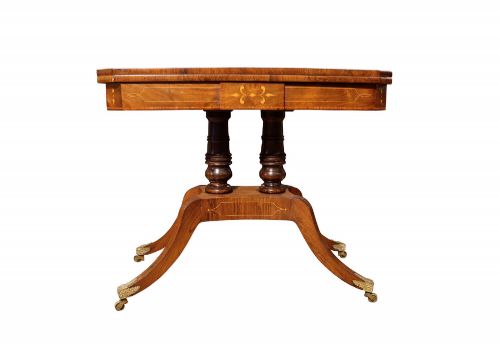


Period Brass Castors
Period brass castors are functional furniture fittings supporting seating and tables from the Georgian, Regency, and Edwardian eras.
Period Brass Castors
When you search for period brass castors, you are looking at the small metal wheel assemblies fitted to the feet of tables, armchairs, and sofas to allow smooth movement. The pieces available span multiple centuries, with a strong representation of Regency and George III designs alongside later Edwardian and Victorian examples.
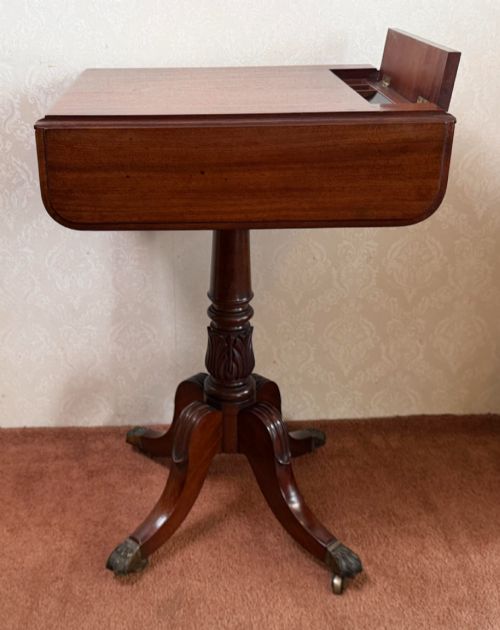
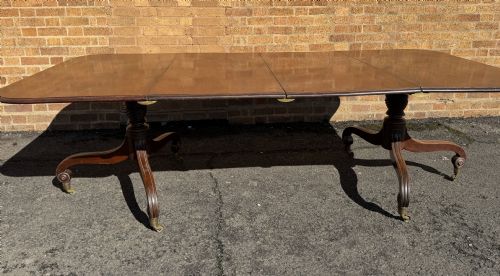
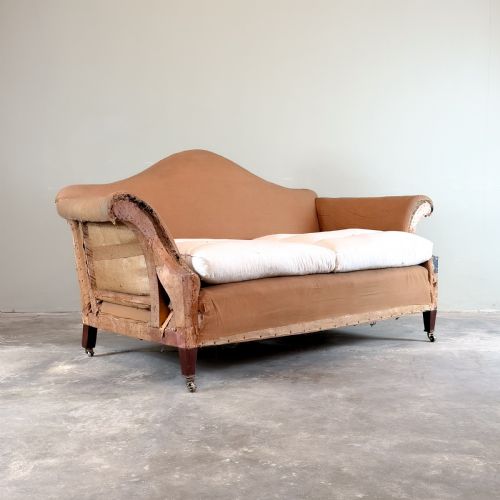
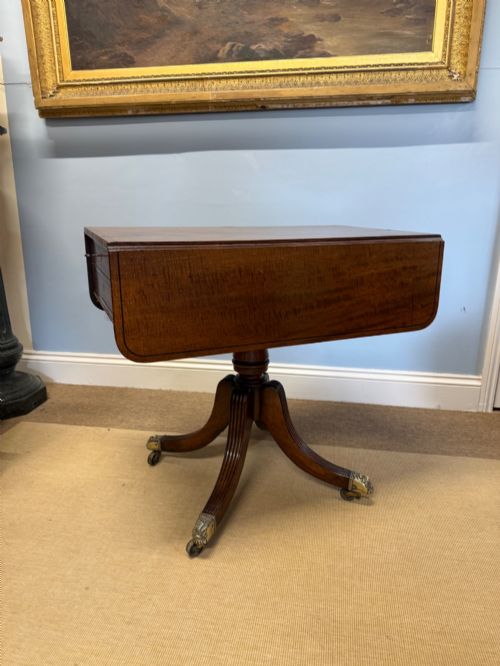
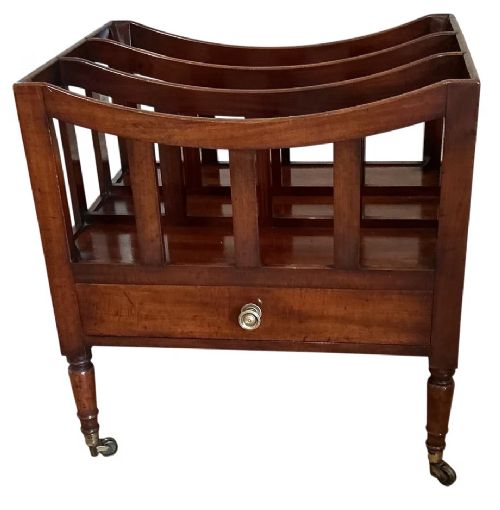
The objects carrying these fittings are predominantly constructed from mahogany and rosewood, taking the form of dining tables, card tables, sofa tables, library armchairs, and canterburys. You will most frequently meet them supporting large furniture pieces designed for formal reception rooms.
Originating primarily from the late eighteenth and early nineteenth centuries, these components demonstrate the heavier framing and portable furniture requirements of the period. Their presence indicates an item designed for practical rearrangement within domestic interiors.
Materials and construction
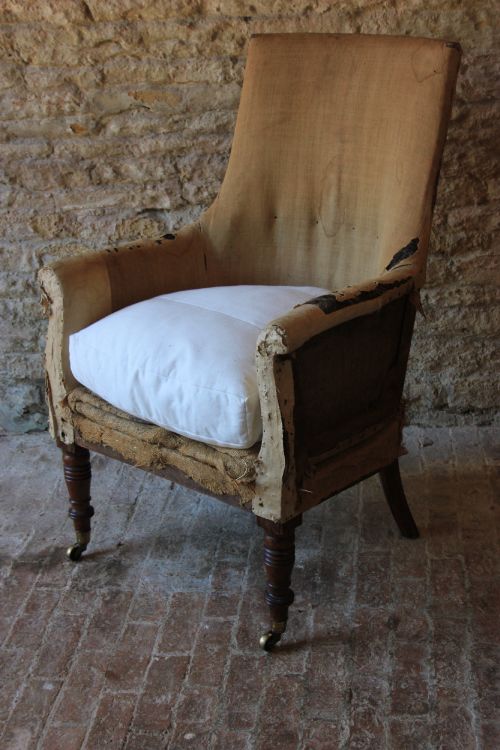
The fittings themselves are cast in brass, often paired with secondary woods like mahogany and rosewood on the main furniture bodies, alongside boxwood stringing and satinwood banding. Upholstered seating also incorporates traditional materials such as leather, fabric, hessian, and cane.
Metalworking techniques of the Georgian and Regency eras produced solid brass wheels and mounts capable of bearing substantial weight on dining tables and library chairs. Woodwork construction relies on figured mahogany and rosewood veneers applied to solid frames, housing the castor stems securely within the furniture legs.
Period Brass Castors Retail Price Guide 2026
Typical asking prices for period brass castors among the pieces listed under this phrase on Sellingantiques today, from the lower quarter to the upper quarter. They describe what is for sale here now, not the wider market.
Listings feature brass castors supporting mahogany, rosewood, and satinwood dining tables, sofa tables, and library armchairs across Georgian and Regency periods.
Judging quality in castors and furniture
Quality rests in the weight and finish of the brass work, the choice of figured mahogany or rosewood for the surrounding timber, and the crispness of inlay like satinwood banding. Superior examples display integration between the mount and the leg, avoiding clumsy replacements.
The distinction between ordinary and exceptional pieces lies in the fluidity of the furniture form, whether a lyre-shaped sofa, a twin-pillar dining table, or a library armchair, paired with matching original metal fittings rather than later substitutions.
Howard and Sons·Gillows
The Period Brass Castors Glossary
- Castor
- A small wheel mounted on a swivel, fitted to the legs of furniture to allow easy rolling. They appear frequently on Regency dining tables and library chairs.
- Regency
- A style period dating roughly from the early nineteenth century, characterised by classical revival motifs and elegant proportions. Furniture from this era often utilises brass mounts and sabots.
- Bergère
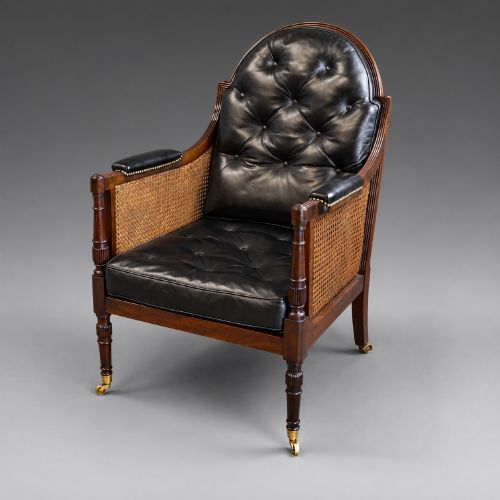
- An enclosed armchair with upholstered sides and a cane or padded back. These chairs frequently stand on low supports with brass fittings.
- Canterbury
- A low stand with partitions used for holding sheet music or books, typically fitted with castors for mobility. They are commonly found in mahogany during the Regency period.
- Cellarette
- A lockable container used for holding bottles of wine, usually positioned beneath a sideboard or table. Period examples often feature robust metal fittings and castors.
Period Brass Castors: Frequently Asked Questions
What furniture uses period brass castors?
These metal fittings appear predominantly on larger items that required movement across floors, such as twin-pillar dining tables, card tables, sofa tables, and drum tables. They are also common on heavy seating including library armchairs, bergere chairs, and chesterfield sofas.
Their presence allowed heavy mahogany and rosewood pieces to be repositioned easily for dining, reading, or entertaining without damaging floor coverings.
How do I identify Regency castors?
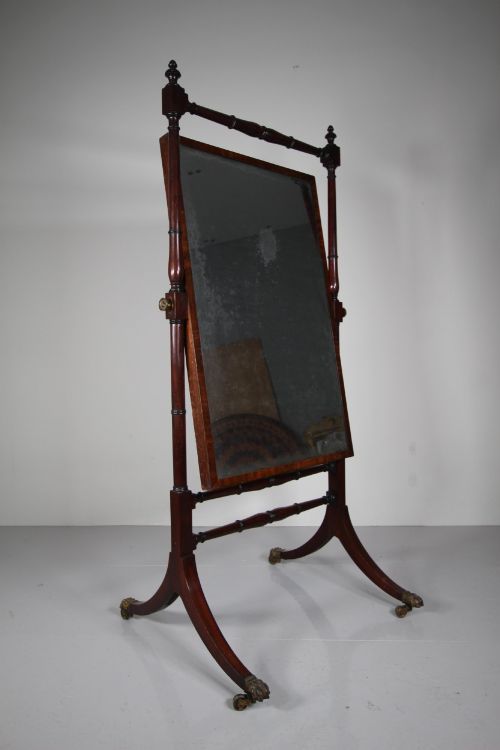
Regency brass castors usually display heavy, solid casting with simple or cup-shaped mounts that fit snugly over tapered or reeded wooden legs. They often accompany dark timber furniture from the early nineteenth century.
Examining the fixing pin and the wear patterns on the brass wheel helps distinguish period originals from later nineteenth-century or modern replacements.
Are brass castors always original to the furniture?
Not all castors on antique furniture are original, as these high-wear components frequently sustained damage or went missing over centuries of use. Replacements were often fitted during subsequent periods to maintain mobility.
Checking the screw holes, timber indentation around the mount, and consistency of wear between the brass and the leg assists in determining originality.
How should I care for brass castors?
Brass fittings benefit from gentle dusting and occasional cleaning with a non-abrasive metal cleaner to prevent oxidation, taking care not to stain surrounding wood like mahogany or rosewood. Keeping the wheels free of lint and grit ensures they roll smoothly.
Avoid harsh chemical polishes that can seep into the timber joints or damage the aged patina of the metal.