



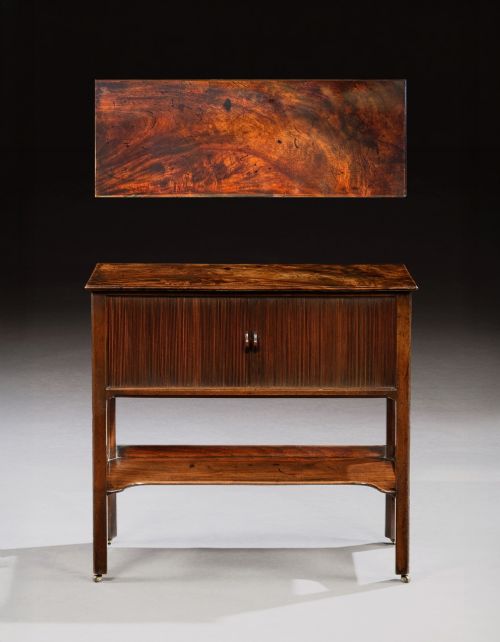


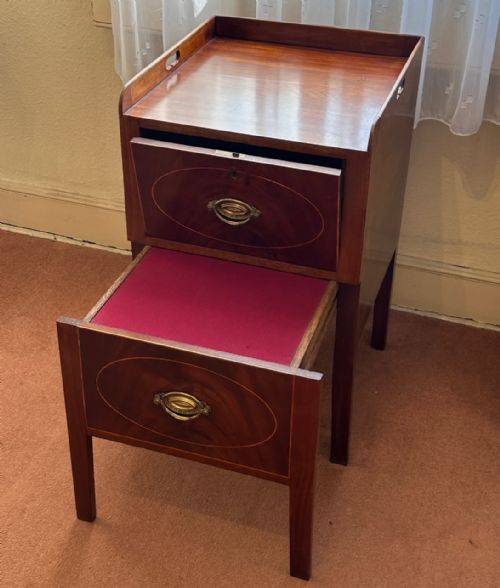


Period Bedside Furniture
Period bedside furniture brings Georgian and Regency craftsmanship right beside the mattress, offering timber quality and practical storage.
Period Bedside Furniture
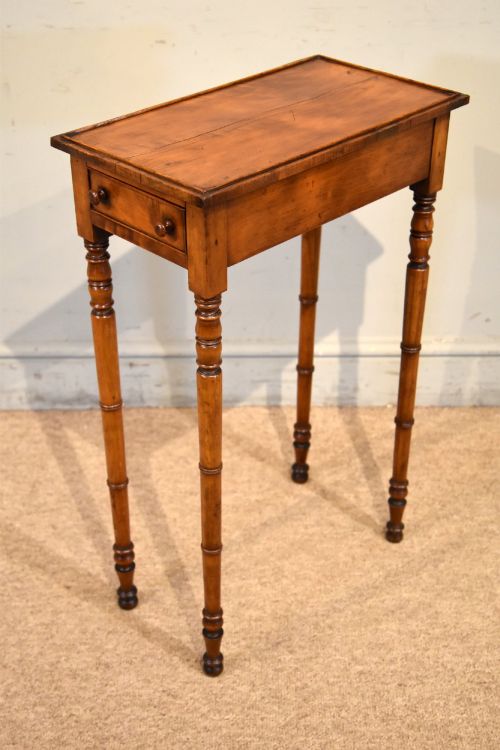
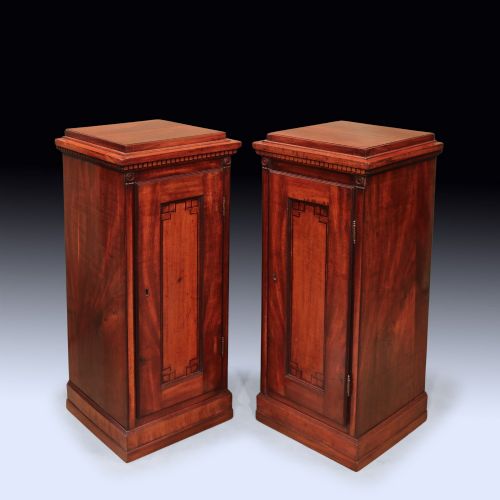
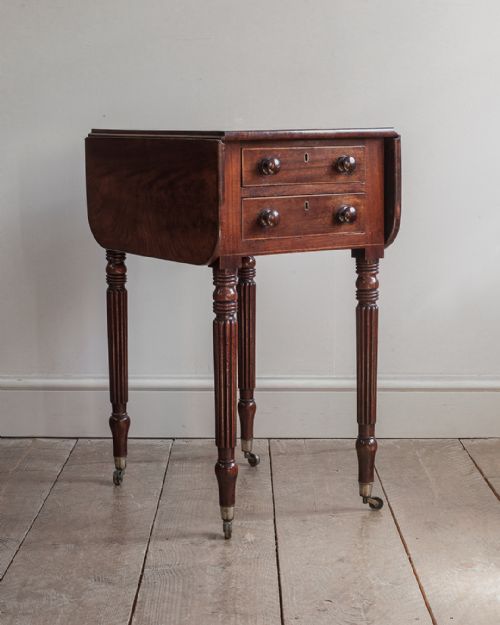
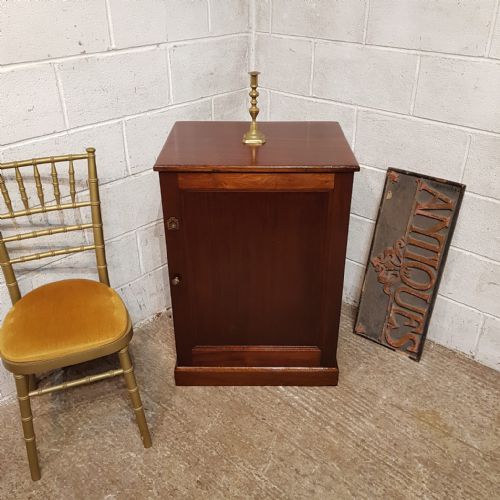
Period bedside furniture encompasses compact tables, cabinets, cupboards, and whatnots from the Georgian, Regency, and French Empire eras. These pieces provide functional beside-surface space and enclosed storage within bedrooms, ranging from simple washstands to elaborate pedestal cupboards.
Buyers most frequently encounter mahogany pieces featuring the characteristic proportions of the late 18th and early 19th centuries. The selection on this page relies heavily on George III and Regency designs, showing how utility met elegance in historical sleeping quarters.
The assortment includes specialised forms like tray top commodes, pull-out step cabinets, and tiered what-nots alongside standard side tables and chests. Each object reflects the specific domestic needs of its period, whether for washing, chamber pots, or bedside reading.
How they were made
Cabinetmakers constructed these pieces primarily using solid mahogany and veneers, often selecting rich grains for visibility on top surfaces and drawer fronts. Walnut and rosewood also appear, providing darker or more figured alternatives for specific commissions.
Decoration relied on fine carpentry details rather than applied ornaments, utilising ebony line inlay to accent curved fronts and structural edges. Brass fittings such as drop handles, knobs, and castors finished the functional elements of cabinets and work tables.
Period Bedside Furniture Retail Price Guide 2026
Typical asking prices for period bedside furniture among the pieces listed under this phrase on Sellingantiques today, from the lower quarter to the upper quarter. They describe what is for sale here now, not the wider market.
One exceptional Regency cabinet hides a pull-out wooden step inside, proving that early morning dignity required proper engineering.
What varies in quality
The distinction between ordinary and superior pieces rests on the selection of timber figures and the crispness of cabinetmaking details. Fine items display continuous grain matching, precise dovetailing on drawer construction, and restrained use of contrasting wood inlays.
Proportion and scale dictate the desirability of smaller items like what-nots and cylindrical pedestal cupboards. Pieces that retain their original brass hardware, fitted interiors, and stable structural integrity command greater appreciation among collectors.
Gillows
The Period Bedside Furniture Glossary
- Commode
- A low cabinet or chest of drawers, often containing a concealed space for a chamber pot in earlier periods. These items sit lower than standard chests to suit bedroom use.
- Pedestal cupboard
- A single-door cabinet built with a vertical, column-like proportion designed to fit neatly beside a bed. They typically conceal shelving or storage space behind the door.
- Whatnot
- A set of open shelves supported by uprights, used for displaying books or small objects. Regency examples often feature multiple tiers on slender supports.
- Line inlay
- A narrow strip of contrasting wood, such as ebony, inserted flush into the surface to create decorative borders. This technique highlights the geometry of cabinet fronts.
- Tray top
- A raised rim around the top surface of a table or commode designed to prevent items from rolling off. It is frequently shaped directly from the solid timber.
Period Bedside Furniture: Frequently Asked Questions
What is a bedside commode?
A bedside commode is an enclosed cabinet dating from the Georgian or Regency eras, originally designed to house a chamber pot.
Today, these pieces function well as standard bedside tables while preserving enclosed storage behind a single door or dummy drawer front.
How do I spot a Regency piece?
Regency items, dating roughly from the early nineteenth century, typically feature dark mahogany, classical proportions, and restrained ebony line inlay.
Unlike heavier earlier furniture, these pieces often incorporate concave fronts, brass ring handles, and slender turned legs or pedestals.
Can I use an antique what-not by a bed?
A what-not provides multiple open tiers of shelving, making it a suitable alternative to a traditional bedside table for books and lamps.
These tiered pieces offer vertical storage space without taking up a large footprint in smaller bedrooms.
What woods were used in these cabinets?
Mahogany forms the primary material for the majority of Georgian and Regency bedside items, valued for its stability and deep reddish-brown colour.
Walnut and rosewood also appear occasionally, offering different grain patterns and richer dark tones for select pieces.