





Period Bedside Cabinet
A period bedside cabinet brings refined storage to a bedroom, offering compact proportions and centuries of cabinet-making skill.
Period Bedside Cabinet
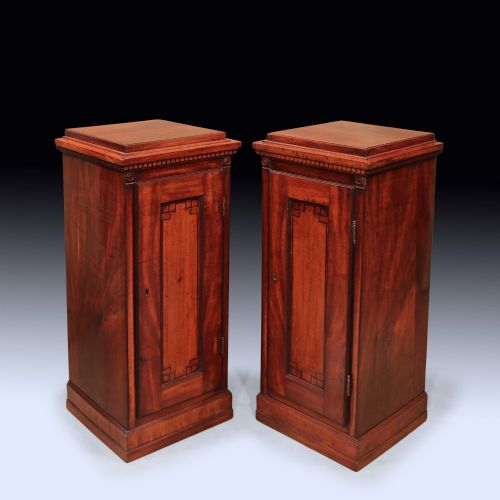
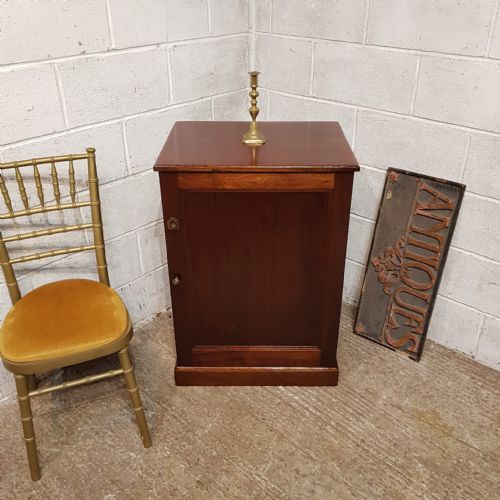
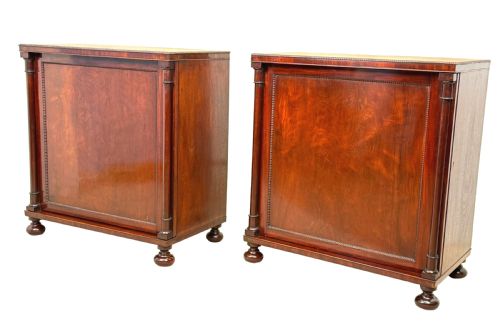
A period bedside cabinet serves as an enclosed or semi-enclosed piece for personal items beside a bed, drawing on designs from the eighteenth and nineteenth centuries. You will most frequently encounter mahogany examples from the Georgian and Regency eras, alongside later Victorian and Art Deco variations.
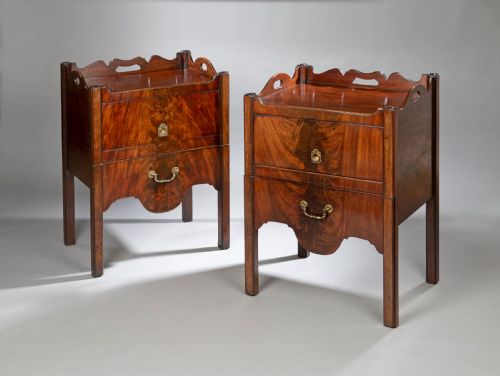
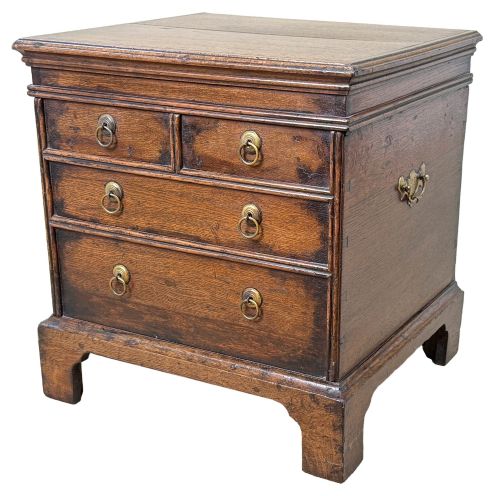
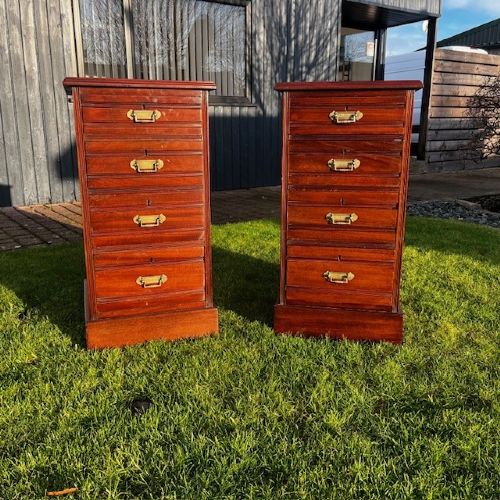
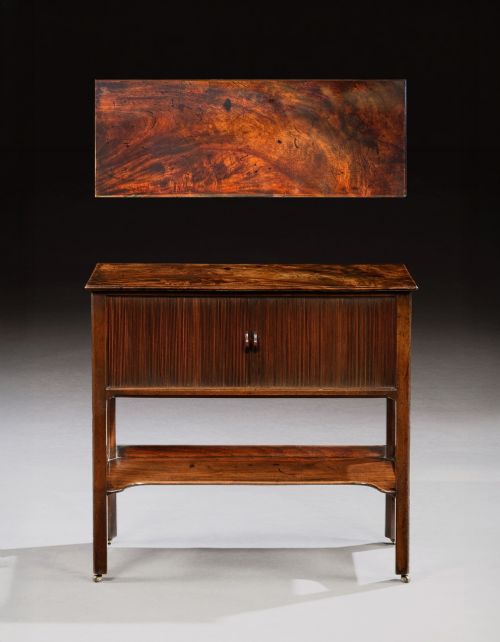
The forms range from traditional pedestal cupboards and tray top commodes to cylindrical designs and compact chests of drawers. Many pieces originate from the Georgian and Regency periods, reflecting formal architectural influences adapted for domestic sleeping quarters.
How they were made
Cabinet-makers relied on solid timber and choice veneers, utilising mahogany as the primary structural and decorative wood across Georgian and Regency pieces. Flame mahogany and satinwood provided striking grain patterns on drawer fronts and cabinet doors, often highlighted by subtle ebony line inlay.
Secondary materials such as brass fittings, glass, and rosewood added functional detail and visual contrast. Joinery techniques from these eras ensured durability, particularly in weight-bearing surfaces like tray tops and pull-out steps.
Period Bedside Cabinet Retail Price Guide 2026
Typical asking prices for period bedside cabinet among the pieces listed under this phrase on Sellingantiques today, from the lower quarter to the upper quarter. They describe what is for sale here now, not the wider market.
Certain Regency cabinets include a pull-out step, designed to help ladies reach high four-poster beds in the chilly mornings.
What varies in quality
Quality rests upon the selection of timber figures, such as matched flame mahogany or birds eye maple, and the precision of the cabinet-maker's joinery. Superior examples maintain crisp carving details on architectural columns and mouldings without soft edges from heavy restoration.
The sophistication of the internal layout and hardware also separates standard production from finer workshop pieces. Original brass handles, smoothly operating pull-out steps, and intact marquetry indicate higher original status and careful preservation.
The Period Bedside Cabinet Glossary
- Commode
- A low cabinet or chest of drawers, often referencing eighteenth-century designs adapted to hold a chamber pot or serve as a bedside table. These pieces frequently feature enclosed cupboards or tray tops.
- Tray top
- A raised rim around the upper surface of a cabinet or table designed to prevent items from rolling off. This feature is common on eighteenth-century commodes.
- Pedestal cupboard
- A tall, narrow freestanding cabinet with a single door enclosing shelving or storage space. They often stand on plinth bases or bracket feet.
- Marquetry
- Decorative patterns formed by inserting thin pieces of wood, shell, or ivory into a veneered surface. This technique appears on later nineteenth-century pieces influenced by earlier French tastes.
- Flame mahogany
- Timber cut from the fork of a mahogany tree to produce a distinctive, flickering grain pattern. Cabinet-makers used this veneer on prominent exterior surfaces.
Period Bedside Cabinet: Frequently Asked Questions
What is a close stool?
A close stool is an eighteenth-century piece disguised as a small chest or cabinet to conceal a chamber pot.
Over time, many of these domestic items were adapted for general bedside storage as household plumbing evolved.
Are bedside cabinets from the Regency period different?
Regency pieces often display cylindrical shapes, concave front panels, architectural columns, and contrasting ebony line inlay.
These designs reflect a shift towards neoclassical influences and bolder geometric forms in British furniture production.
Can I use an antique bedside cabinet daily?
These cabinets were built for daily domestic use from durable hardwoods like mahogany and oak.
Their robust construction allows them to serve effectively as modern bedside storage while retaining their historical character.