
Period Artwork
When you search for period artwork, you encounter centuries of painterly tradition captured in oil on canvas, delicate watercolours, and early prints.
Period Artwork
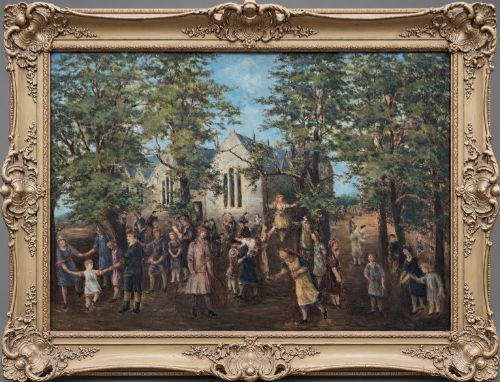
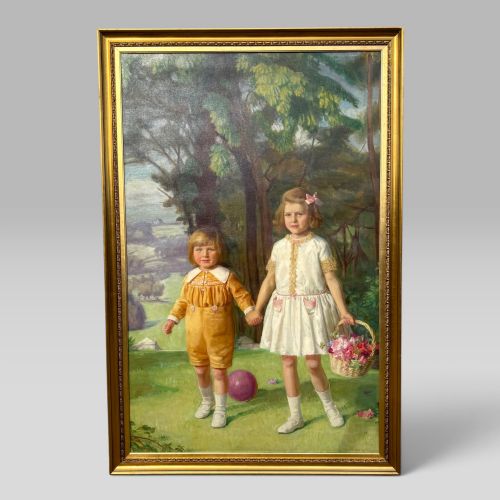
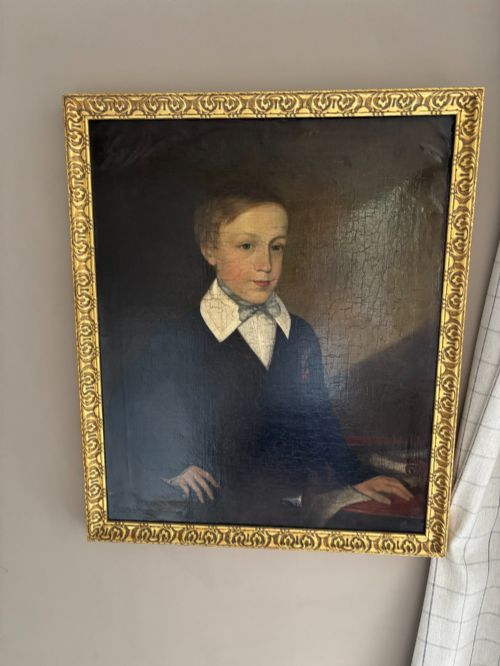
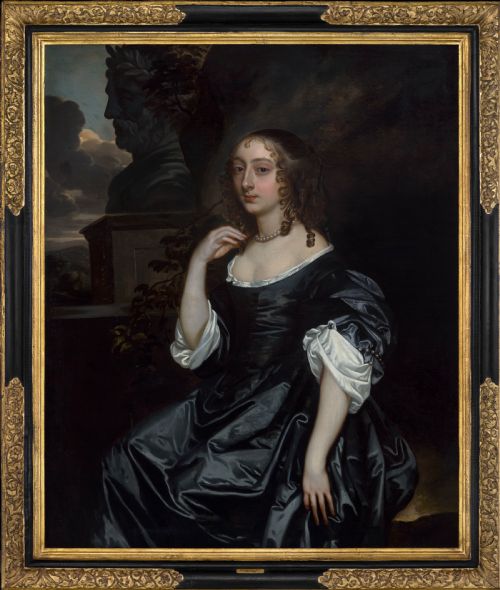
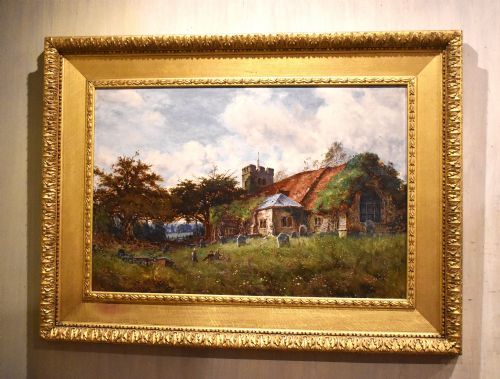
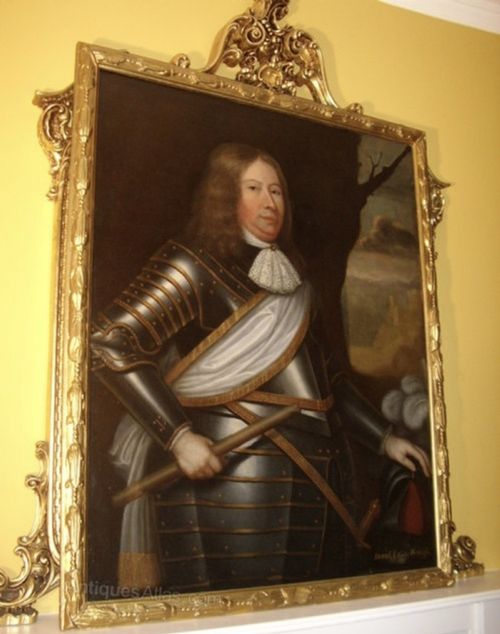
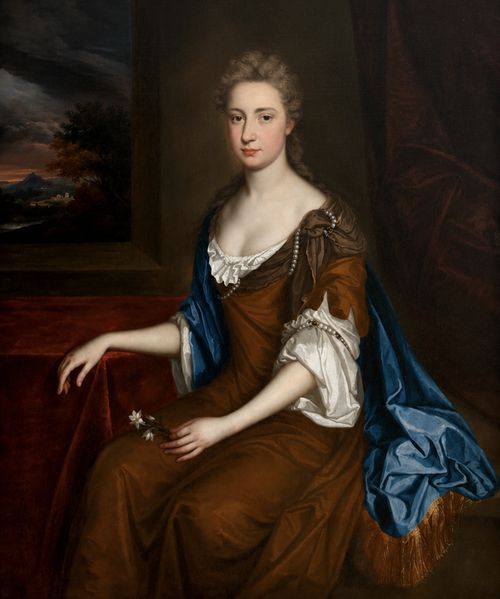
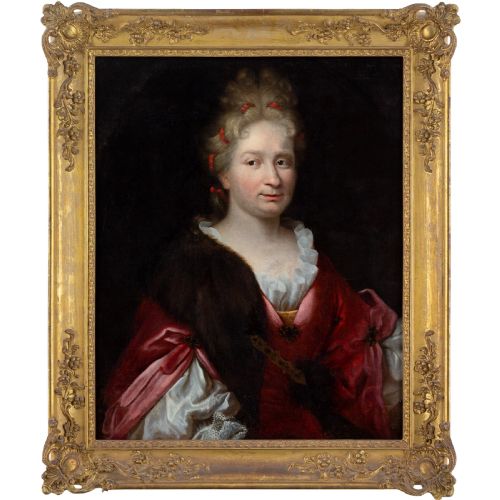
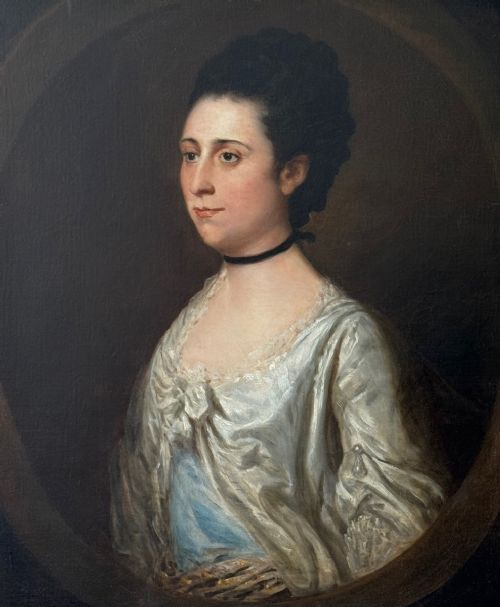
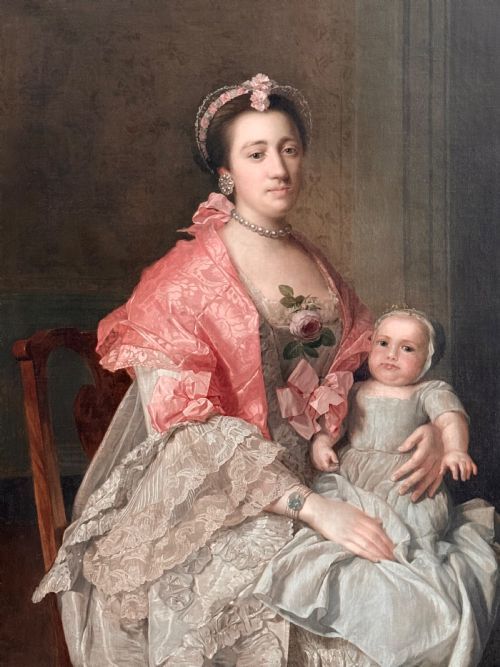
Period artwork covers paintings, prints, and portrait miniatures originating from the seventeenth century through to the early twentieth century. These pieces span British, European, and Asian traditions, capturing likenesses, landscapes, and classical scenes.
Oil paintings on canvas and panel form the core of what you meet in this category, alongside fine engravings and pastel works. Subjects range from formal aristocratic portraits to intimate depictions of everyday life and domestic interiors.
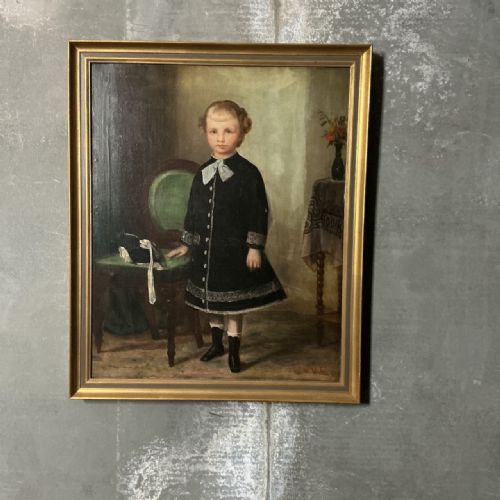
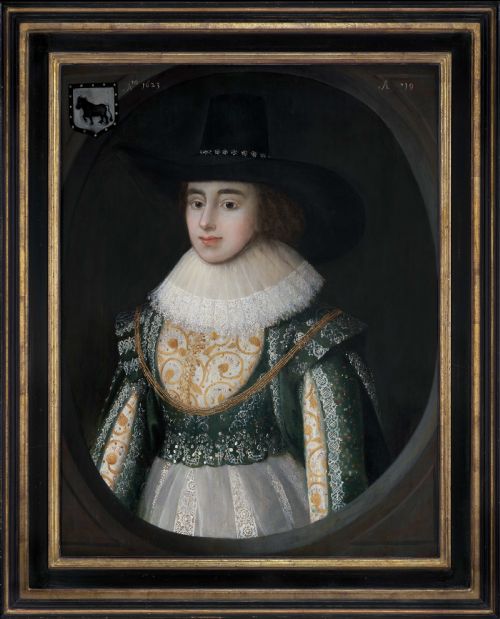
The selection moves from Jacobean formality through Georgian and Regency refinement into Victorian narrative and Edwardian scale. Each piece reflects the aesthetic priorities and social conventions of its specific era.
Materials and methods of construction
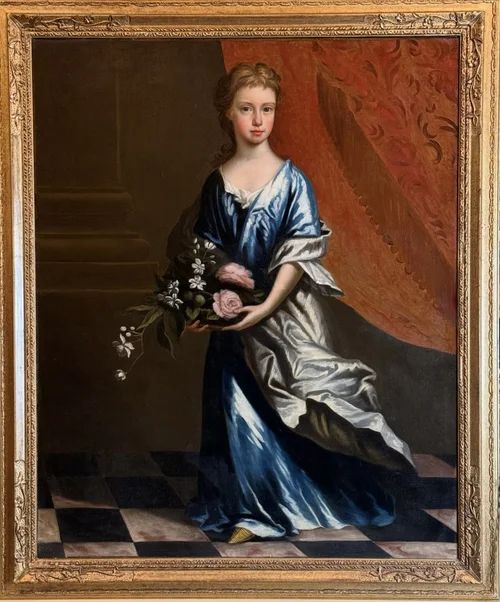
Painters of these centuries utilised oil paint layered upon woven canvas or wooden panels, often building rich depth through successive glazes and fine brushwork. Frames frequently incorporate carved wood and gold leaf, matching the period of the artwork.
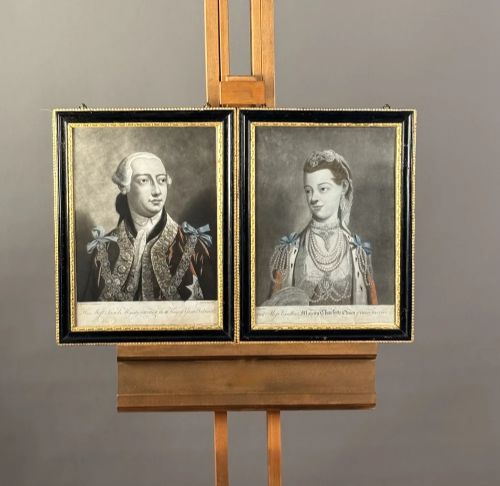
Works on paper rely on watercolour, pastel, or printmaking techniques such as mezzotint and woodblock printing. These methods required precise hand-colouring or inked matrices transferred to rag paper to achieve tonal nuance.
Listings feature oil paintings, watercolours, woodblock prints, and mezzotints spanning the seventeenth through to the early twentieth century.
Distinctions in execution and survival
Quality rests in the anatomical precision of figures, the handling of drapery and light, and the overall integrity of the surface. Master works demonstrate confident draughtsmanship and subtlety of expression, whereas weaker pieces show stiffness or heavy-handed restoration.
The survival of original pigment, minimal craquelure, and the presence of contemporary framing contribute significantly to a piece's historical weight. Works associated closely with documented studios or identified masters command greater attention from collectors.
Studio of Sir Peter Lely·Cornelius Johnson·Thomas Frye·Mary Beale·Sir Joshua Reynolds·Katsukawa Shunshō
The Period Artwork Glossary
- Mezzotint
- A printmaking process of the scraperboard family, allowing smooth gradations of light and shade. This technique was frequently employed for reproducing royal and aristocratic oil portraits in the eighteenth century.
- Jacobean
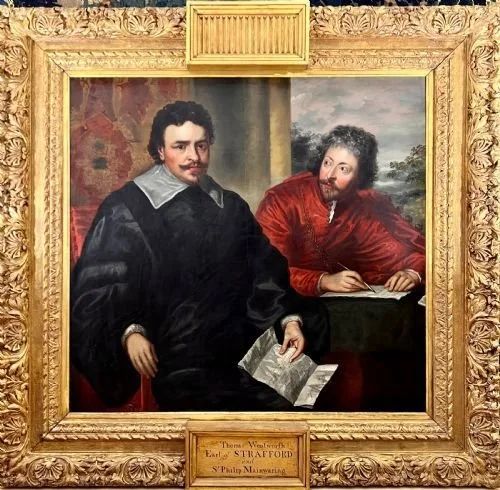
- The stylistic period spanning the reign of James I, characterised by rigid portraiture, stiff costume detail, and flat perspective. Works from this era often emphasise status through elaborate textiles and heraldic elements.
- Giltwood
- Wood carved and coated with gold leaf or gold paint, commonly used for framing historical paintings. Original period frames significantly enhance the contextual integrity of an artwork.
- Craquelure
- The fine pattern of dense cracking formed in the surface of old oil paintings as the paint film ages and hardens over centuries. This natural phenomenon helps verify the age of the canvas.
- Portrait miniature
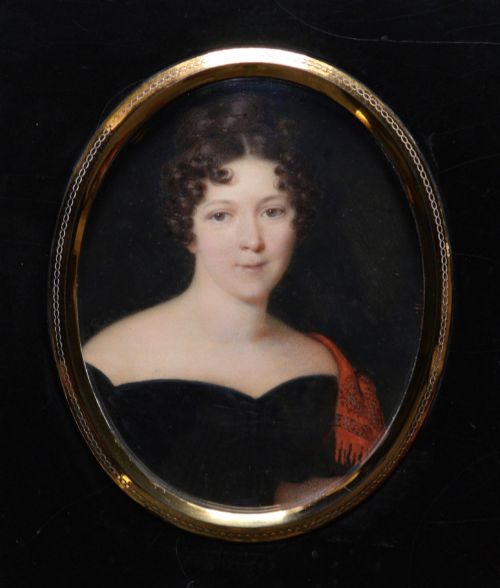
- A small, highly detailed painting executed on vellum, card, or ivory during the eighteenth and nineteenth centuries. These intimate objects were often worn as pendants or kept in protective leather cases.
Period Artwork: Frequently Asked Questions
How do I identify the age of an oil painting?
Examine the canvas weave, stretcher construction, and the presence of natural ageing such as craquelure in the paint layer. Pigment analysis and historical costume details provide further chronological clues.
Secondary indicators include the style of handwriting on the stretcher or reverse of the canvas, along with the construction method of the accompanying frame.
What is the difference between a painting and a mezzotint?
An oil painting is a unique, direct application of pigment to canvas or wood by an artist's hand. A mezzotint is a print created from a metal plate that has been roughened and scraped to produce tones.
While paintings offer textured brushwork and rich colour layers, mezzotints provide reproducible, velvety monochromatic images that were popular for portraiture.
How should I care for historical canvas art?
Keep historical works away from direct sunlight, high humidity, and rapid temperature fluctuations that cause wood panels to warp and canvas to slacken. Maintain stable indoor conditions to protect the fragile bond between the paint and its ground.
Dust surfaces gently with a dry, soft brush and avoid using liquid cleaners or chemical solvents on aged paint layers.
Why do many historical portraits remain anonymous?
Many portraits were produced by regional workshops or itinerant painters who did not sign their canvases. Sitters were also frequently unrecorded if family records became separated from the artwork over generations.
Attributions therefore rely on stylistic comparisons, costume analysis, and occasionally faint inscriptions hidden beneath later framing.