

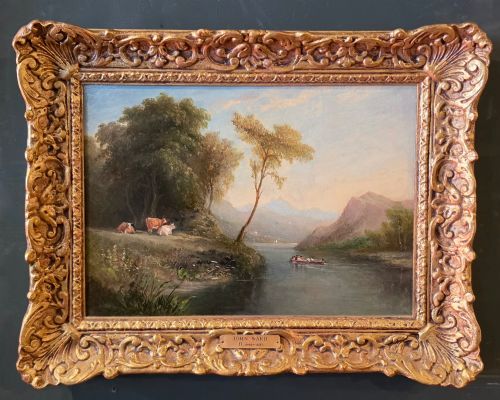
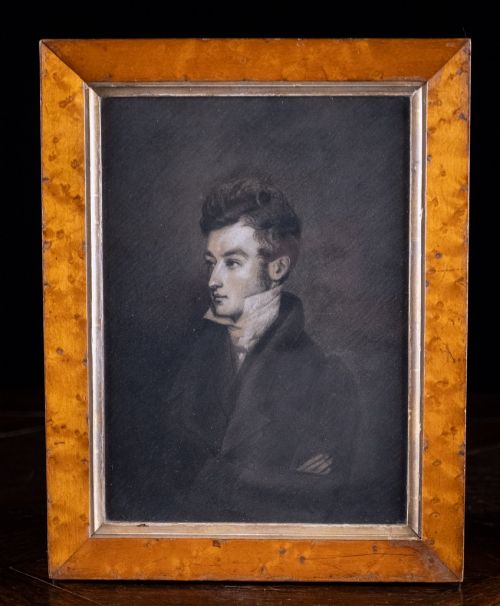
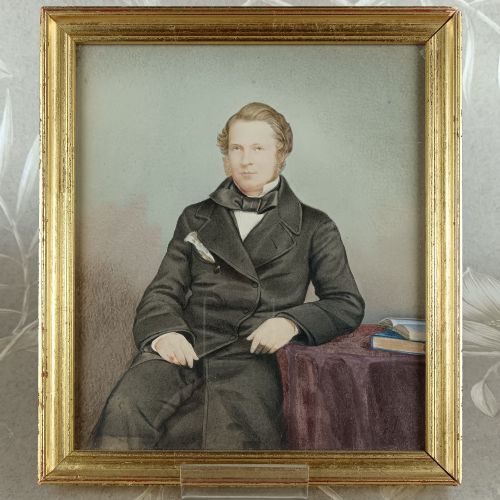
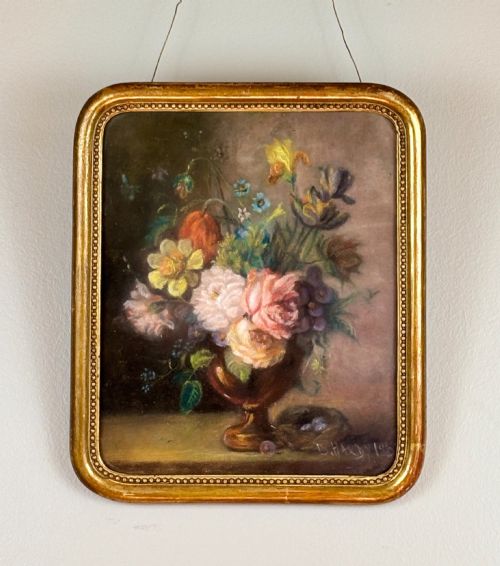
Period Artwork Painting
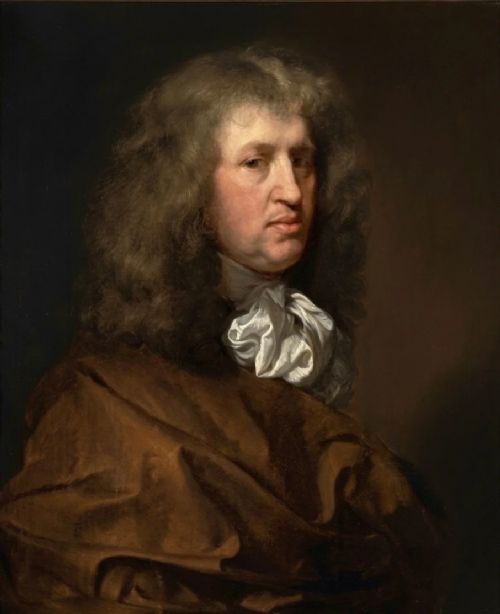
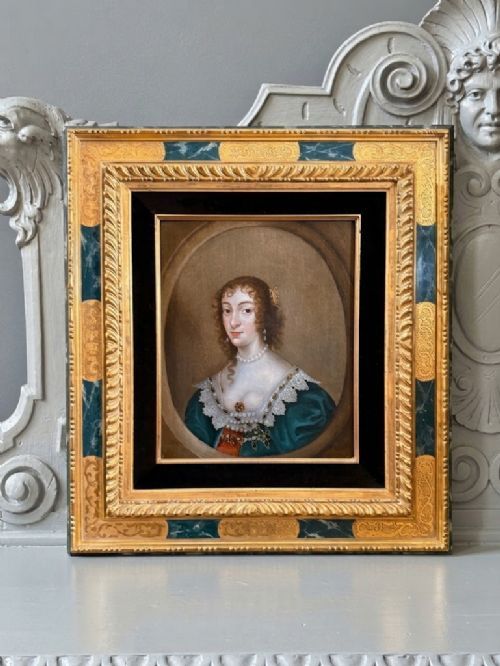
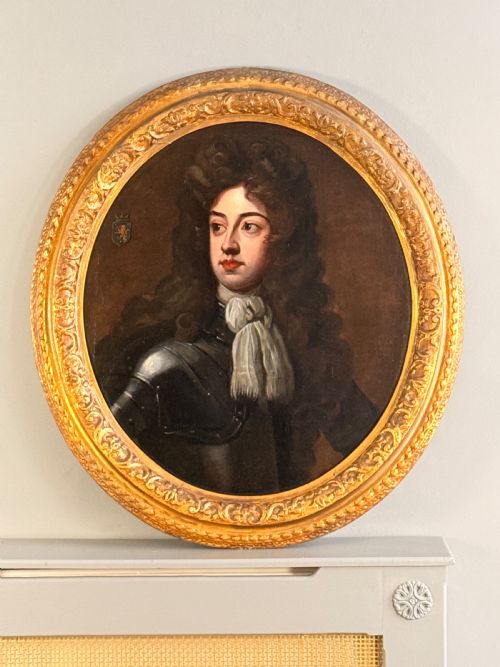
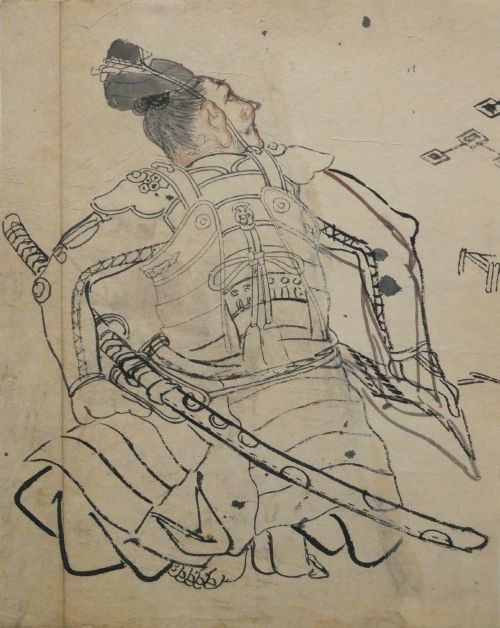
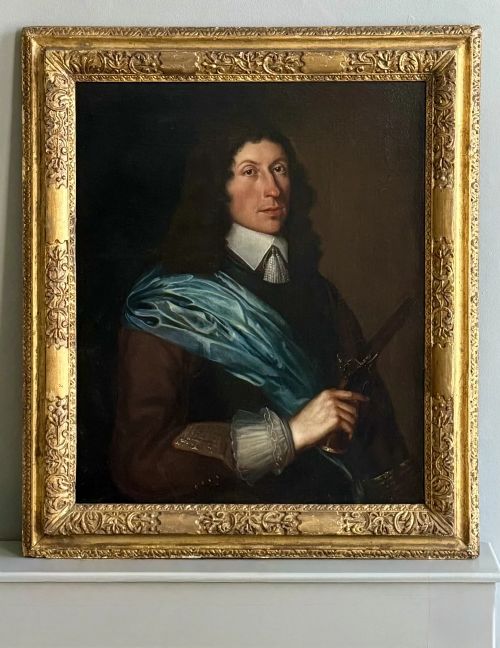
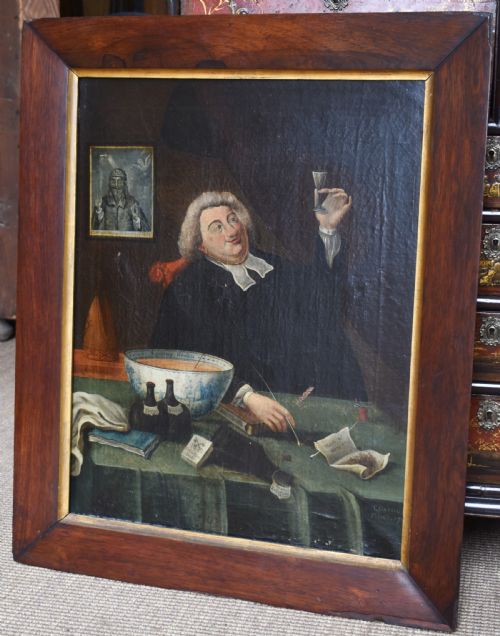
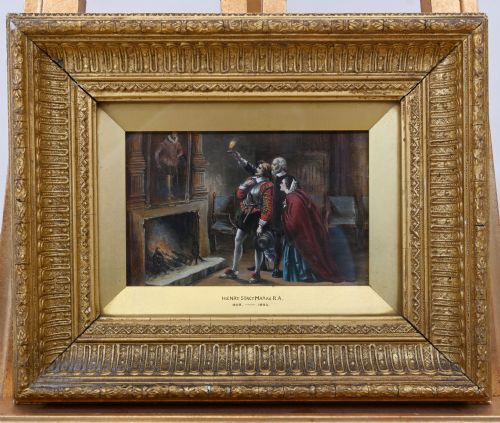
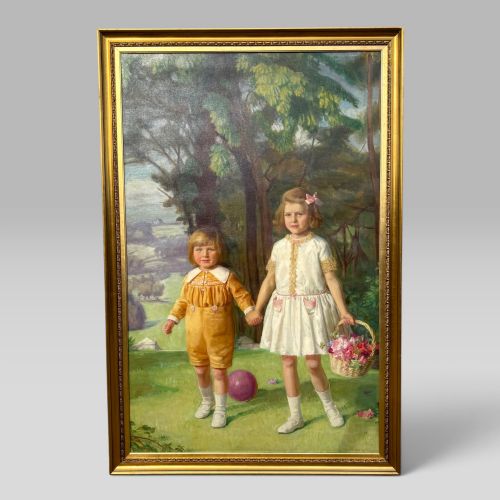
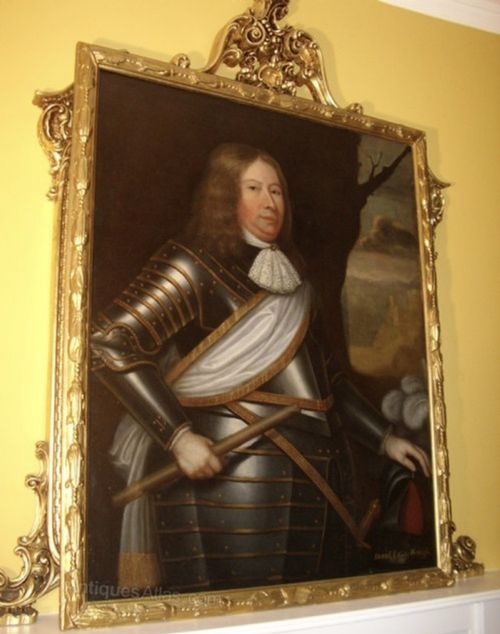
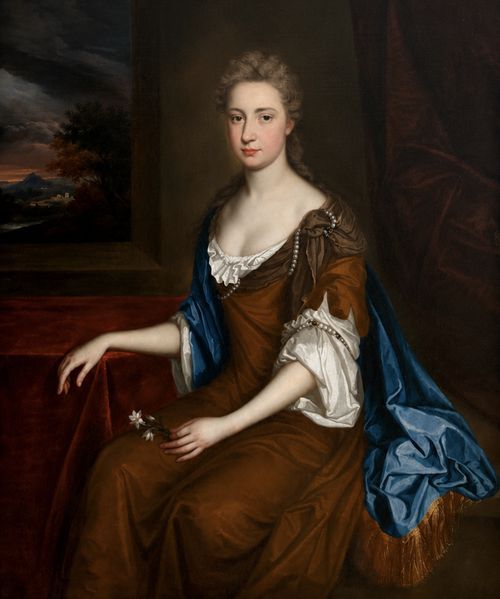
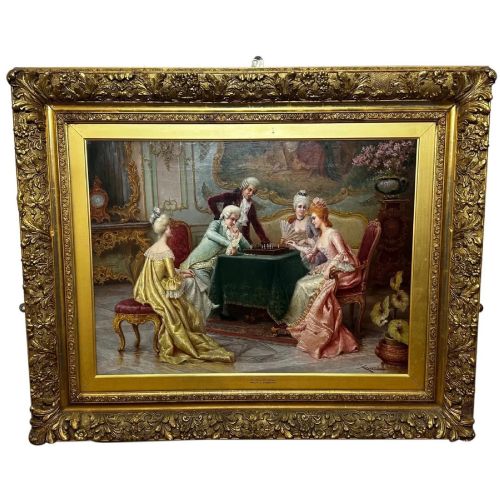
Period artwork painting encompasses centuries of historic portraiture, landscape and still life executed in oil, canvas and wood.
Period Artwork Painting
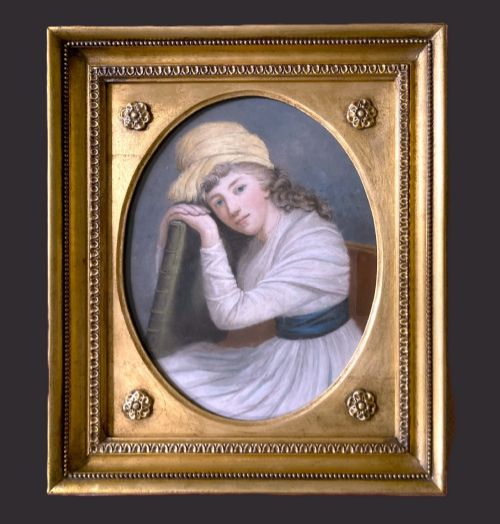
A period artwork painting search brings together historic canvases, panels and works on paper created across the seventeenth, eighteenth and nineteenth centuries. These works span distinct stylistic movements including Baroque, Georgian, Regency and Victorian aesthetics.
Examples originate from British, French, Italian and Bavarian schools, reflecting the diverse portraiture and genre painting traditions of European workshops.
Materials and technique
Artists of these periods predominantly worked with oil paint on prepared canvas or wood panels, utilising natural pigments bound in oil. Giltwood frames, often adorned with gold leaf, frequently complement the presentation of these historic paintings.
Works on paper employ watercolour and pastel applied to rag paper or card, sometimes protected behind glass to prevent atmospheric damage.
Substrates such as wooden panels provide a rigid base for early seventeenth-century works, whereas woven canvas becomes standard for larger eighteenth and nineteenth-century compositions.
Period Artwork Painting Retail Price Guide 2026
Typical asking prices for period artwork painting among the pieces listed under this phrase on Sellingantiques today, from the lower quarter to the upper quarter. They describe what is for sale here now, not the wider market.
Listings feature works spanning the seventeenth century through to the Edwardian era, predominantly executed in oil on canvas.
Variations in quality
Quality in period artwork painting rests upon the skill of brushwork, anatomical proportion and the psychological depth captured in portraiture. Works by established studio circles or named masters demonstrate a superior command of light, shadow and fabric texture.
The condition of the original pigment layer, the presence of stable craquelure and the integrity of the canvas or panel influence the overall merit of a piece. Retaining an authentic, period-appropriate giltwood frame also elevates the standing of an artwork.
Provincial or lesser-known school pieces often display stiffer compositions and simpler application, whereas works produced by prominent portraitists exhibit refined glazing techniques and subtle tonal transitions.
Sir Godfrey Kneller·Sir Peter Lely·Mary Beale·John Michael Wright·Joshua Reynolds
The Period Artwork Painting Glossary
- Oil on canvas
- Pigment mixed with drying oil applied to a woven fabric support. This combination allows for rich blending and textured impasto.
- Giltwood
- Wood carved and coated with gold leaf or gold paint. It provides an ornate, reflective border for historic paintings.
- Portrait miniature
- A small-scale painting executed on vellum, card or ivory. These intimate works were often created as personal tokens.
- Panel painting
- Artwork created on a flat wooden board rather than fabric. Oak and other hardwoods were common supports for early works.
- Provenance
- The documented history of ownership surrounding an artwork. A clear record helps establish authenticity and attribution.
Period Artwork Painting: Frequently Asked Questions
How do I care for an antique oil painting?
Keep the artwork away from direct sunlight and fluctuating humidity levels to protect the canvas and wood. Dust the surface gently with a soft, dry brush without applying pressure.
Avoid using liquid cleaners or damp cloths on the paint layer. Professional conservation is recommended if structural repairs are needed.
What is the difference between an oil and a watercolour?
Oil paintings utilise slow-drying pigmented oils on canvas or wood, allowing for deep colour layering and rich textures. Watercolours use water-soluble pigments on paper, creating a translucent and luminous effect.
Oils are traditionally displayed unglazed, whereas watercolours require glass protection to prevent moisture and dust damage.
Where were most of these historic portraits painted?
Many portraits originated in artist workshops and grand estate houses across Britain and continental Europe. Commissioned works recorded family lineages, military achievements and aristocratic status.
Regional schools in Britain, France and Italy developed distinct palettes and costume details characteristic of their local patrons.