

Period Art Painting
Period art painting brings centuries of portraiture and classical scenes into the room, preserving historical likenesses through traditional oil and watercolour media.
Period Art Painting
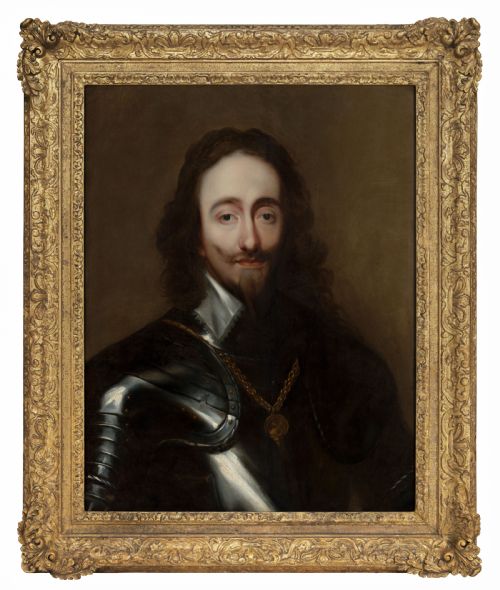
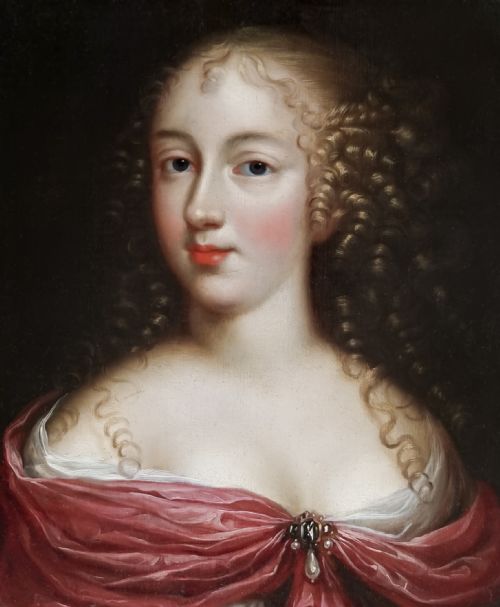
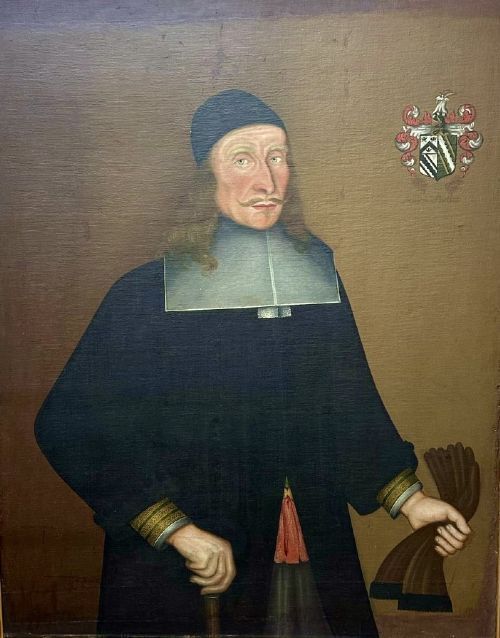
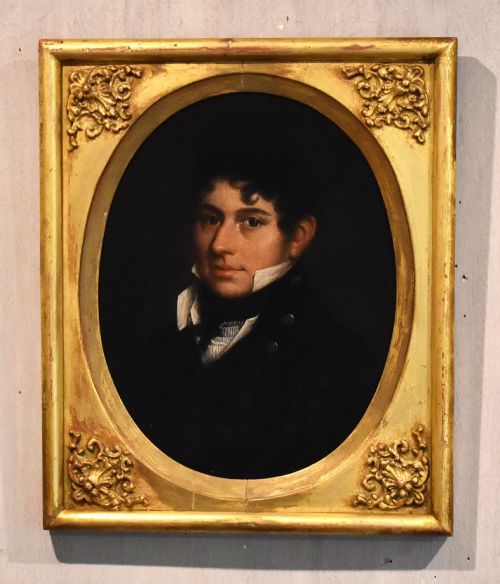
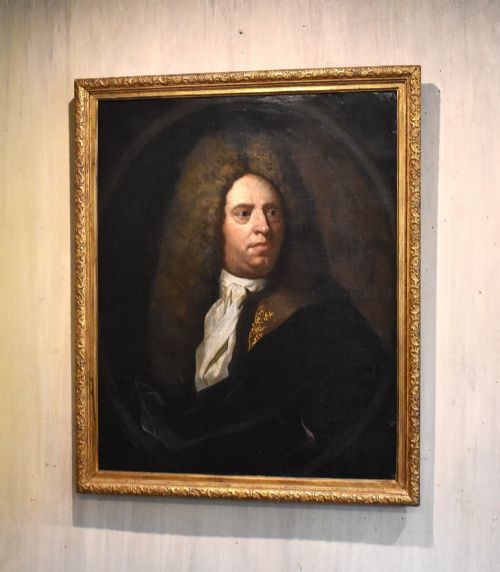
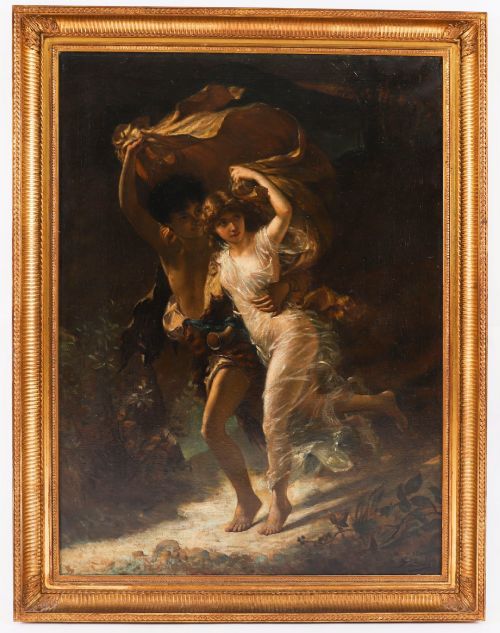
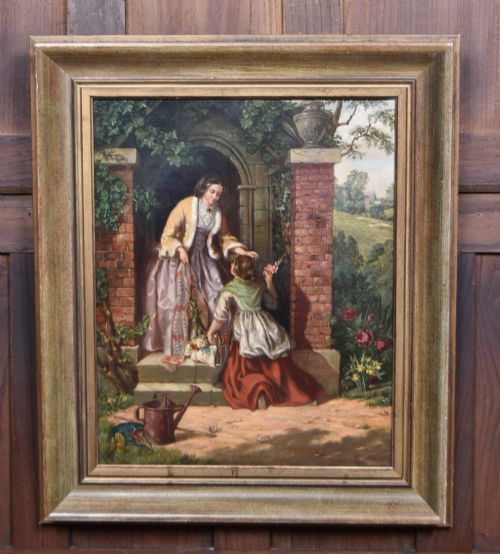
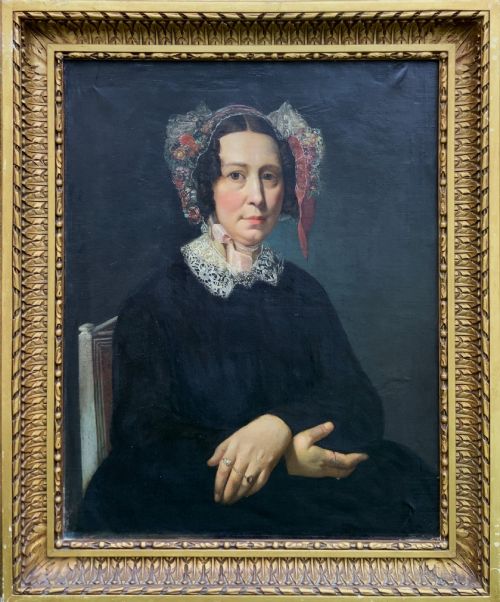
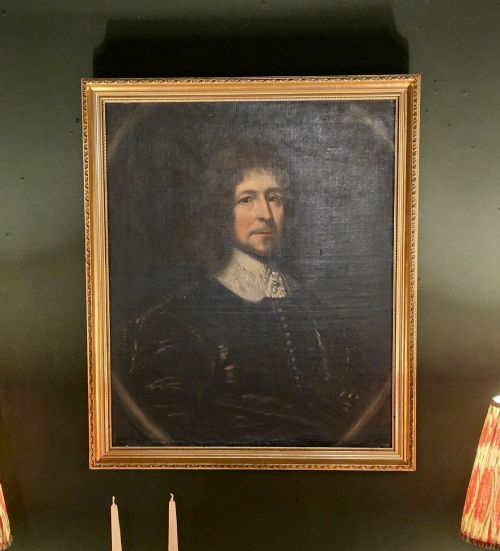
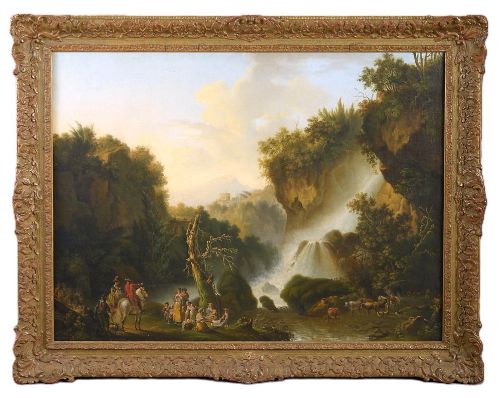
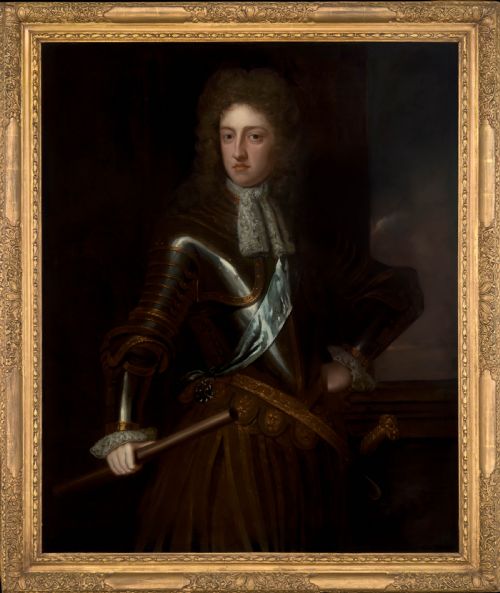
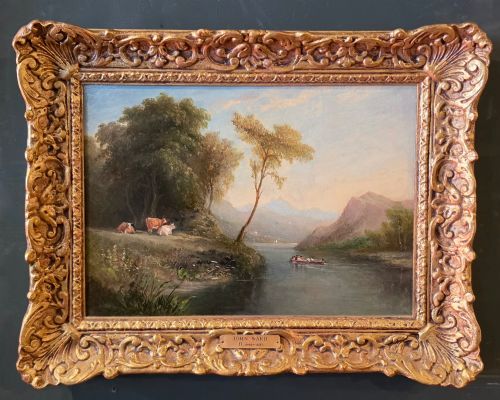
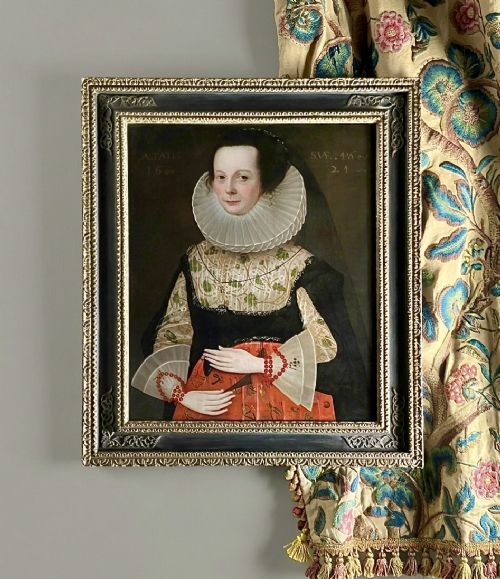
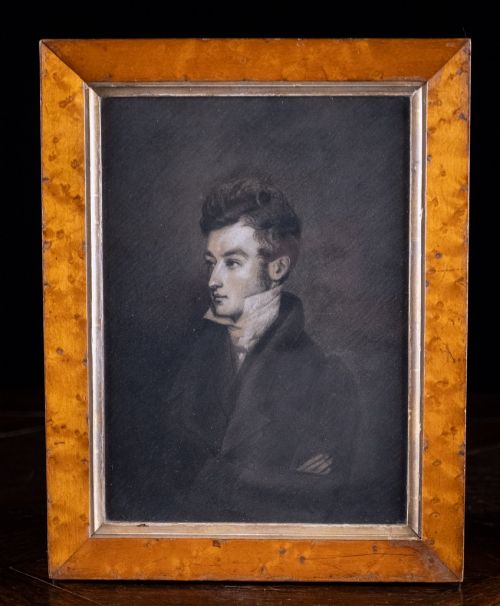
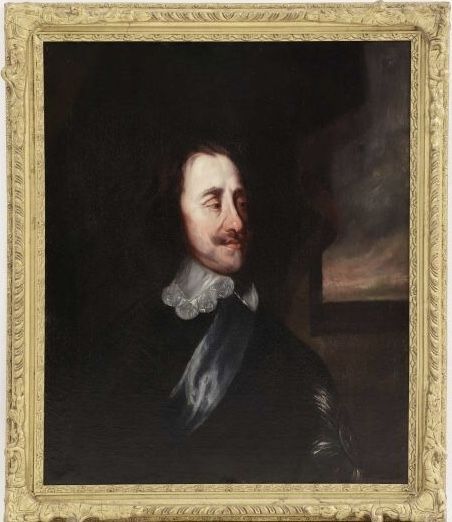
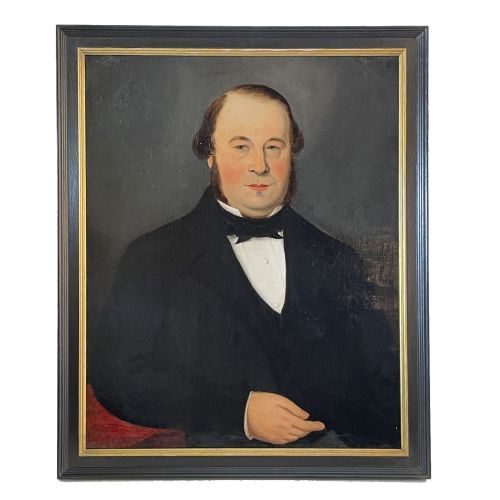
When browsing period art painting, the eye meets a strong lineage of historical portraits and figurative works spanning from the seventeenth century through the Edwardian era. The pieces here are predominantly oil paintings on canvas or panel, alongside watercolours and miniature portraits depicting nobility, scholars, and family groups. Seventeenth-century British and continental portraiture sits alongside eighteenth-century works and later nineteenth-century scenes, reflecting shifting artistic fashions.
The versions most commonly met on this page include oil on canvas portraits executed by regional schools or studio circles. These canvases capture sitters in formal attire, ranging from Jacobean ruffs to Georgian silks, often framed in period wood and giltwood. Alongside these large-scale canvases, smaller watercolour paintings and portrait miniatures appear, offering intimate glimpses into historical domestic life.
Materials and construction
The physical foundation of these works relies on woven canvas or wooden panels prepared with traditional grounds before the application of oil paint. Artists built up their compositions using layered pigments, sometimes employing gold leaf within decorative frames carved from wood or finished in giltwood. Paper surfaces support the delicate watercolour paintings and pastels found among the selections.
Makers utilised glass to protect delicate miniature works and works on paper, housing them within fitted frames. The physical support often dictates the survival condition, with wood panels offering rigid stability while canvas requires careful tension across wooden stretchers. Giltwood frames frequently match the era of the painting, utilising traditional gesso and gilding techniques.
Period Art Painting Retail Price Guide 2026
Typical asking prices for period art painting among the pieces listed under this phrase on Sellingantiques today, from the lower quarter to the upper quarter. They describe what is for sale here now, not the wider market.
Several portraits preserve the intense gaze of seventeenth-century nobles who likely sat motionless for hours smelling faintly of linseed oil.
Judgments of quality
The integrity of the supporting frame also influences the standing of a piece, with period-matching giltwood frames adding contextual harmony. Works attributed to specific studios or documented hands display greater refinement in composition and psychological presence than anonymous school pieces. Subtle details in background landscapes or costume accuracy separate accomplished works from mass production.
Anna Tonelli·Sir Godfrey Kneller·George F. Bird·Sir Peter Lely·Michael Dahl·Thomas Murray·David Scougall·Robert Byng·Trajan Hughes·Thomas Beach·Sir Allan Ramsay·Cornelius Johnson·Carlo Ferranti·Mary Beale·Joseph Clover·John Hayls·Joshua Reynolds·John Russell
The Period Art Painting Glossary
- Oil on canvas
- A painting medium where pigments are suspended in a drying oil, applied to a stretched fabric support. This combination allowed artists to achieve rich tonal gradations and lasting durability.
- Panel painting
- A flat wooden board used as a rigid support for paint rather than stretched canvas. Panels were common in earlier centuries before canvas became the dominant medium.
- Giltwood
- Wood that has been coated with a thin layer of gold leaf or powder. It is frequently seen on decorative frames surrounding historical portraits.
- Portrait miniature
- A small, highly detailed painting, often executed on vellum, card, or ivory. These intimate keepsakes were designed to be carried or worn close to the body.
- Studio of
- A designation indicating a work produced under the direct supervision of a master artist. Assistants often contributed to these pieces using the master's established compositions.
Period Art Painting: Frequently Asked Questions
How do I date an oil painting?
Dating relies on stylistic clues such as costume, hair styling, and the physical materials of the canvas and stretcher. Frame design and inscriptions on the reverse also offer reliable chronological markers.
Comparison with documented works by known schools helps narrow the decade of creation. Pigment analysis further assists specialists in confirming the historical period.
What is a studio piece?
A studio piece refers to a painting produced within the workshop of a recognised master. Assistants or pupils often executed the work under the master's supervision.
These works share the compositional style and technical approach of the principal artist. They provide historical insight into how large workshops operated.
How should I hang oil paintings?
Oil paintings require stable indoor environments away from direct sunlight and excessive humidity. Consistent temperatures prevent the canvas and wooden stretcher from warping.
Secure wall fixings suited to the weight of the giltwood frame are essential for safe display. Professional picture hooks distribute the load evenly across the wall.
What is the difference between canvas and panel?
Canvas consists of woven fabric stretched over a wooden frame, offering flexibility and texture. Panel painting utilises a solid wooden board, providing a completely rigid surface.
Panels are more frequently encountered in earlier centuries. Canvas became preferred as paintings grew larger and easier to transport.