

Pencil Sketch Artwork
Pencil sketch artwork brings direct, hand-drawn character into a room through intimate graphic studies executed on paper.
Pencil Sketch Artwork
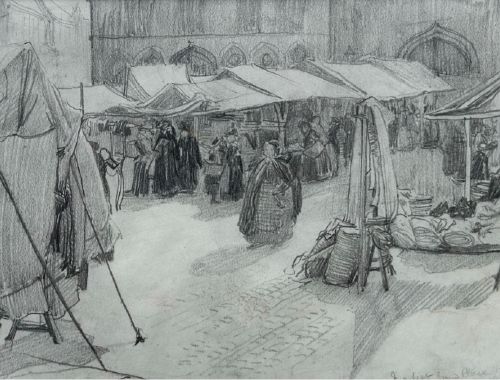
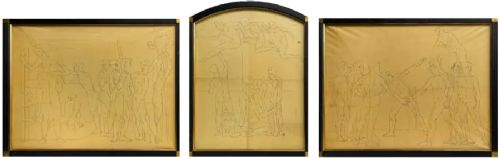
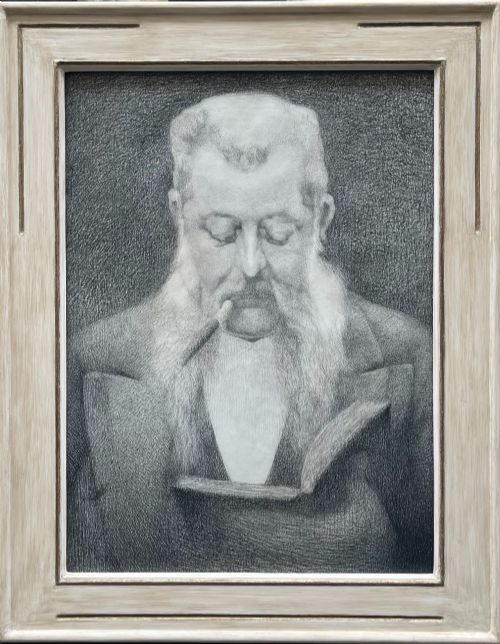
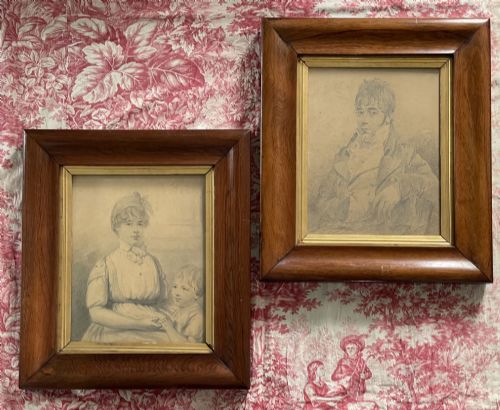
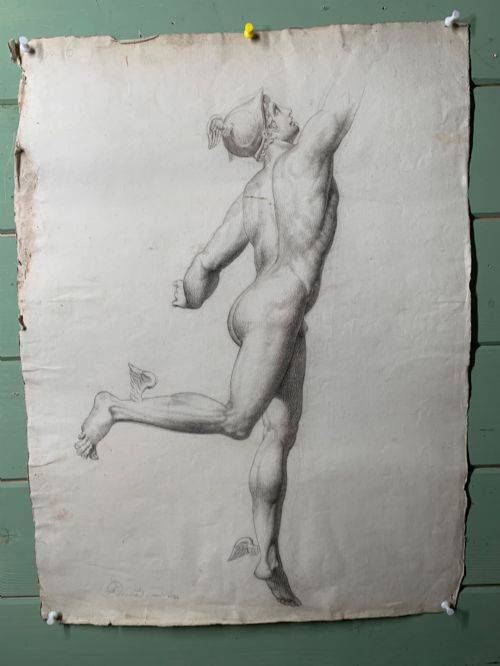
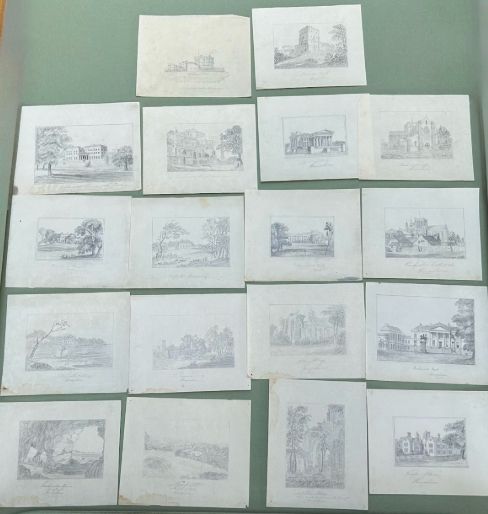
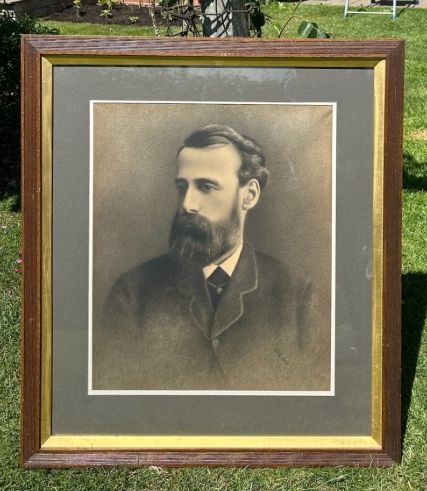
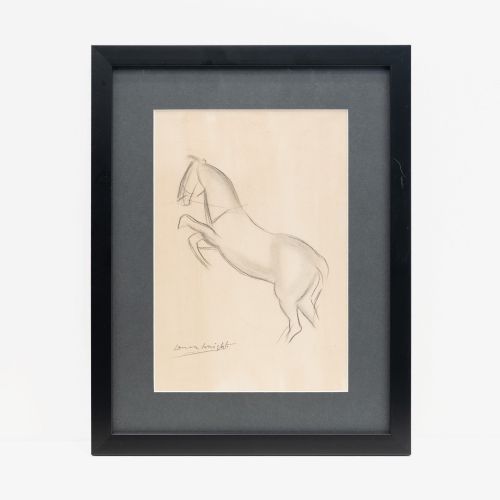
When you search for pencil sketch artwork, you encounter original works on paper spanning several centuries, from Georgian and Regency studies to mid-century modernist compositions. The pieces on this page include figure drawings, architectural renderings, portraits, and landscapes executed by hand.
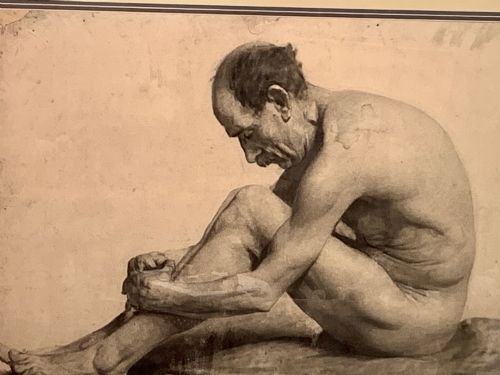
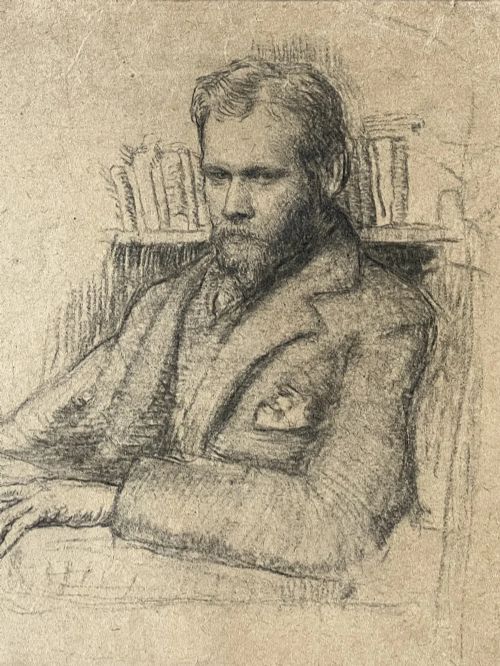
You are most likely to meet 19th-century portraits, academic figure studies, and early 20th-century sketches rendered in graphite, charcoal, and occasionally accented with watercolour or gouache. These works range from informal artists' preparatory drafts to finished framed drawings.
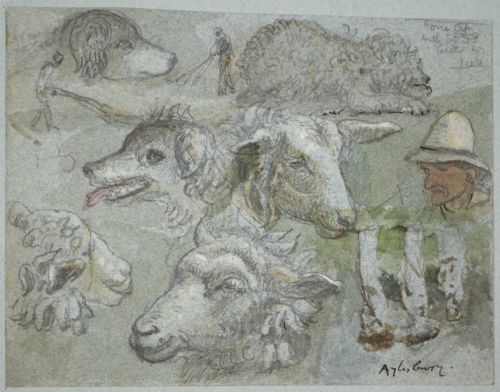
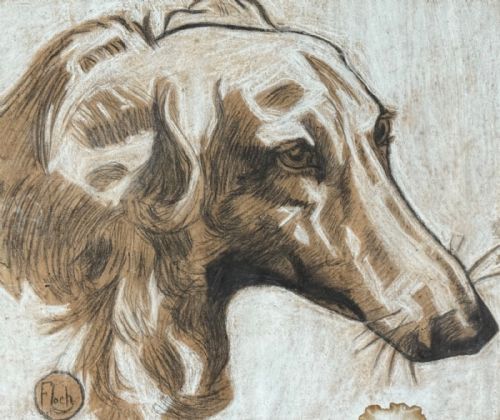
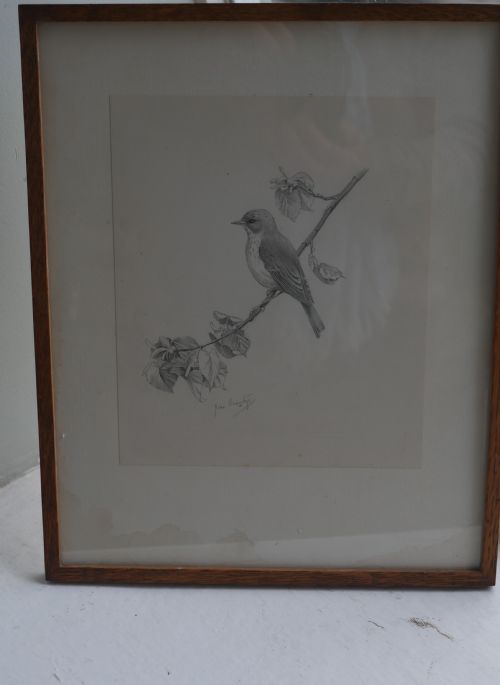
The subjects vary widely, capturing domestic scenes, animal studies, mythological figures, and topographical views. They offer a direct window into the drafting methods and personal observations of past artists without the mediation of print technology.
How they were made
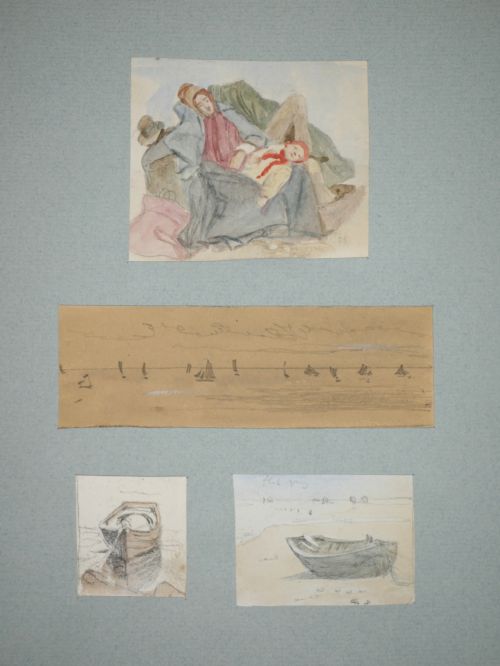
These works rely on fundamental dry media applied directly to paper supports, utilising graphite pencils, charcoal, and chalk. Artists often combined pencil lines with washes of watercolour or gouache on tinted, buff, or white paper to build tone and depth.
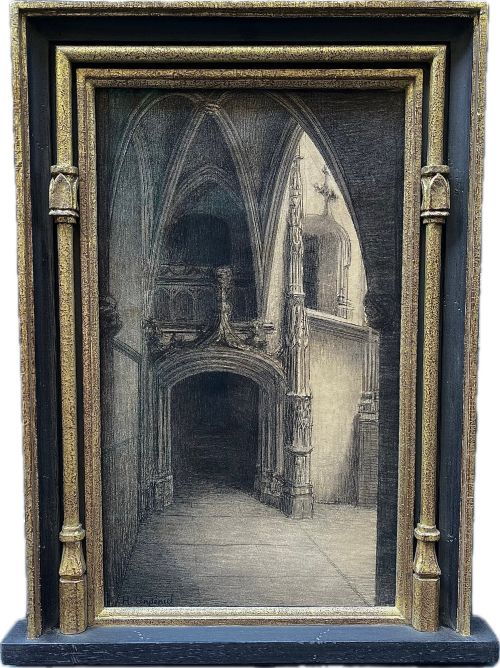
The physical support consists primarily of historic paper sheets, sometimes mounted within wooden frames behind glass for protection. Gold leaf accents and matting occasionally frame the composition, depending on the period and the framing traditions of the era.
Pencil Sketch Artwork Retail Price Guide 2026
Typical asking prices for pencil sketch artwork among the pieces listed under this phrase on Sellingantiques today, from the lower quarter to the upper quarter. They describe what is for sale here now, not the wider market.
Among the historical subjects, a quiet 1920s surrealist drawing captures a silent circus featuring the tamer of fish.
What varies in quality
The strength of the draughtsmanship dictates the calibre of the piece, separating confident, expressive hand movements from hesitant or mechanical copying. Masterly handling of line, shadow, and proportion reveals the underlying skill of the artist.
The condition of the paper surface and the integrity of the medium also separate examples, as foxing, fading, or heavy acidification diminish the visual impact. Works that retain their crisp graphic contrast and clean paper grounds stand out.
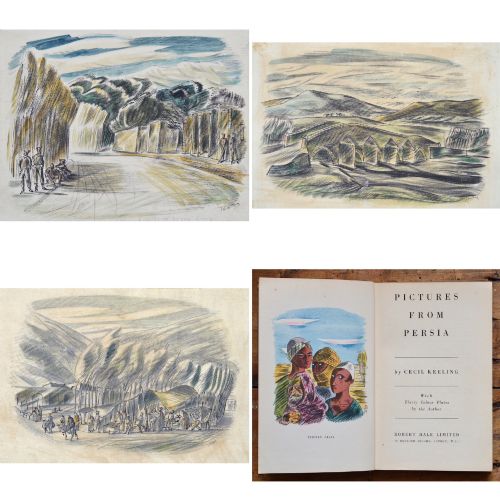
Cecil Keeling·Henry Percy Huggill·James Smetham·Augustus John·James Stroudley·Henri Charles Angéniol·Dame Laura Knight·Demetrios Galanis·Michael Lyne·J D Fergusson·J W Hogley·Raoul Millais
The Pencil Sketch Artwork Glossary
- Graphite
- A form of crystalline carbon used in pencils to produce grey to black marks. It allows for varied line weights through pressure.
- Charcoal
- A lightweight carbonaceous material obtained by heating wood in the absence of oxygen. It yields deep, velvety blacks and broad strokes.
- Gouache
- An opaque water-based paint consisting of pigment, water, and a binding agent such as gum arabic. It provides solid blocks of matte colour.
- Academic Realism
- A style of painting and drawing produced under the influence of European academies of art. It emphasises precise anatomy and traditional techniques.
- Works on Paper
- A collective term encompassing drawings, prints, watercolours, and sketches executed on paper supports.
Pencil Sketch Artwork: Frequently Asked Questions
How should I frame an antique pencil sketch?
Antique pencil sketches require conservation framing to protect fragile paper and sensitive graphite or charcoal mediums from environmental damage. Acid-free mounts and UV-protective glass prevent yellowing and fading over time.
Keep these works away from direct sunlight and damp conditions to preserve the integrity of the paper and the surrounding wooden frame.
Are these works original or reproductions?
The pieces listed are original, one-of-a-kind hand-drawn works executed directly on paper by the artist. They are not mechanical prints or modern mass-produced reproductions.
Close inspection reveals individual hand movements, graphite texture, and the unique pressure of the pencil or charcoal against the sheet.
How do I identify the period of a drawing?
Dating relies on stylistic clues, paper characteristics, framing styles, and inscriptions or signatures left by the artist. Georgian and Regency works often display distinct portrait styles and finer laid papers, while later 19th-century pieces reflect academic or Victorian conventions.
Comparative study of known works by named artists or schools helps narrow down the precise decade of creation.
Can I hang drawings in bright rooms?
Graphite and charcoal are relatively stable, but historic paper and auxiliary watercolours remain vulnerable to light degradation. Direct, intense sunlight causes fading and accelerates the breakdown of older paper fibres.
Positioning these artworks away from direct window light ensures they remain stable while still serving as prominent wall art.