

Pencil Sketch Art
Pencil sketch art captures the immediate hand of the maker through intimate graphite, charcoal, and watercolour works on paper spanning centuries.
Pencil Sketch Art
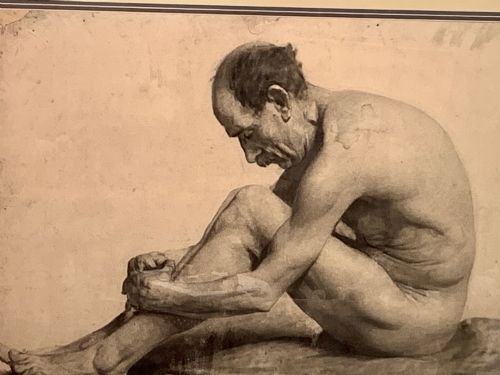
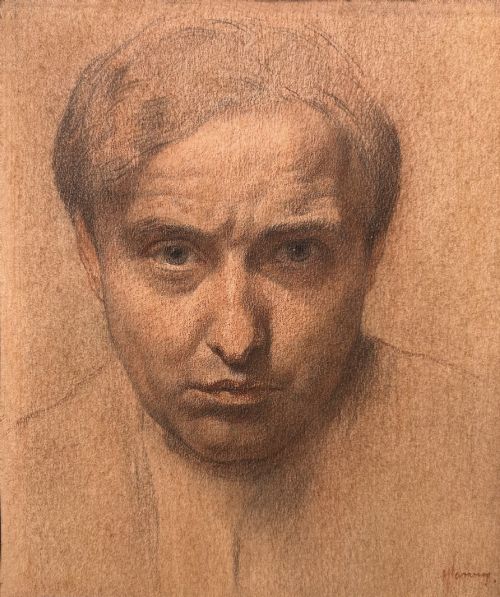
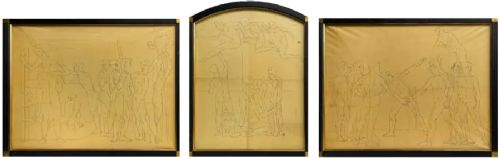
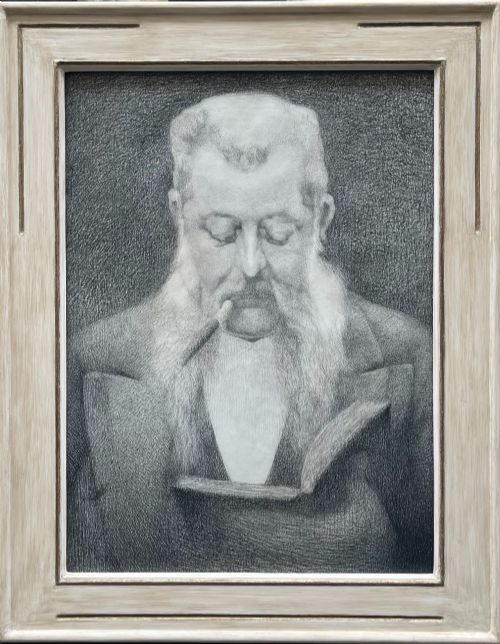
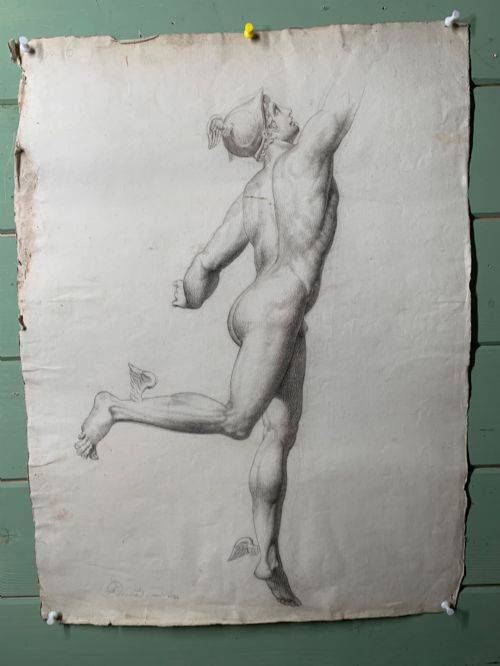
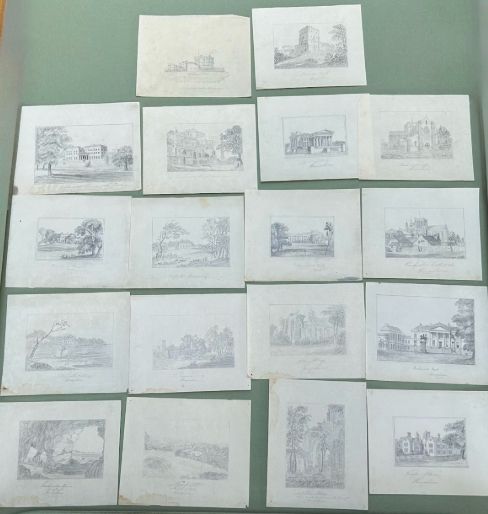
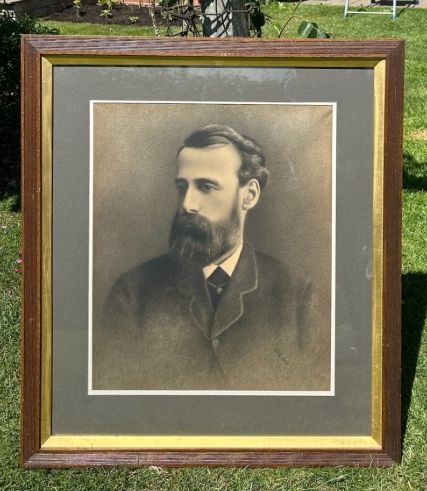
Pencil sketch art encompasses original drawings, figural studies, and landscape sketches executed across the eighteenth, nineteenth, and twentieth centuries. These works range from academic anatomical exercises and preparatory studies for larger canvases to finished portraits and topographical views.
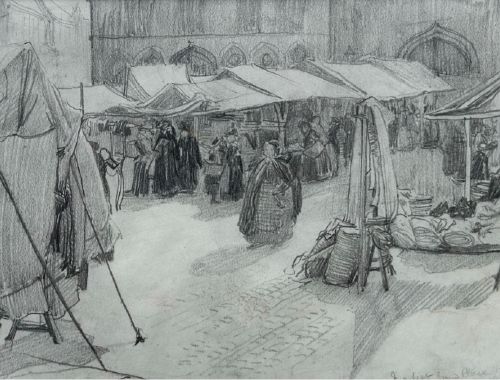
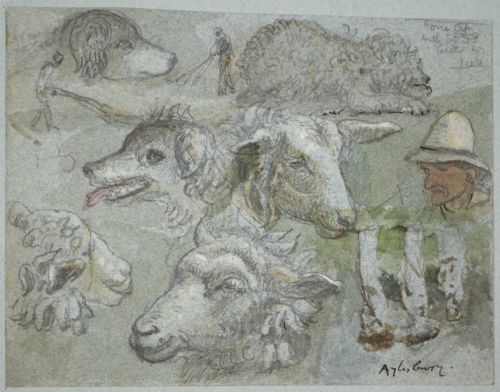
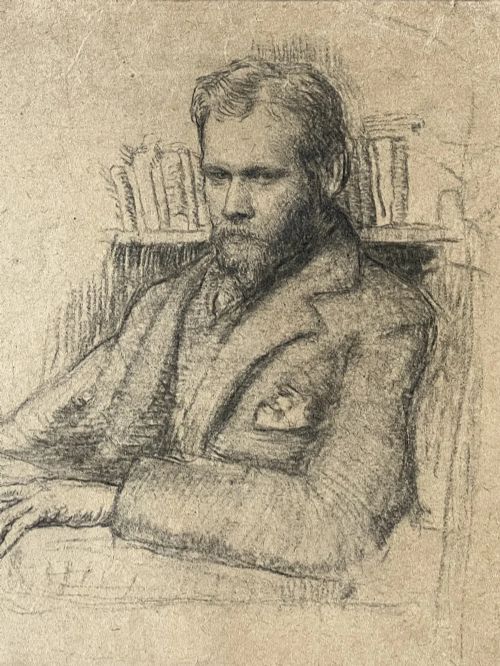
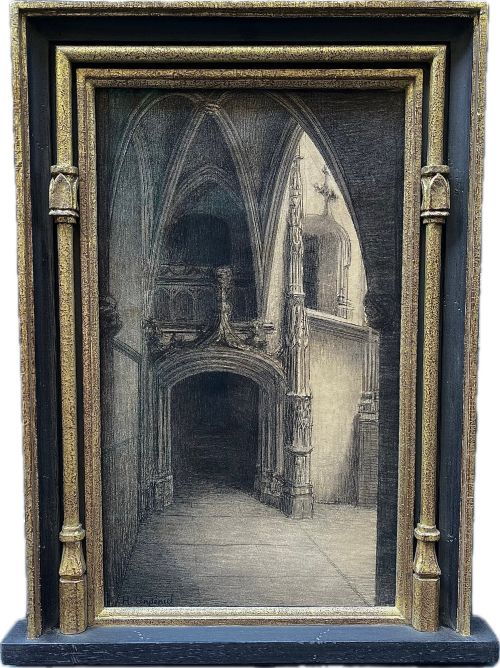
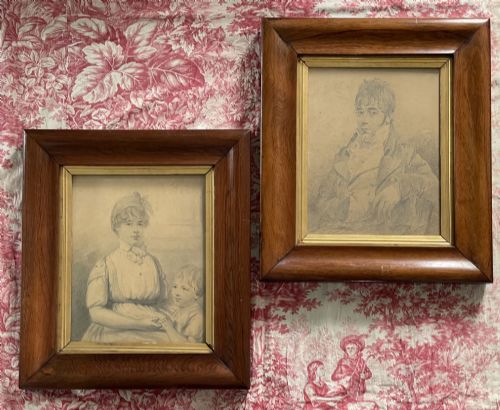
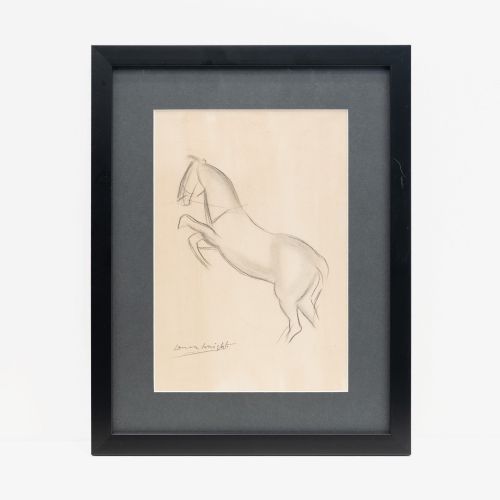
Buyers on this page encounter diverse subjects including Regency couples, Edwardian sitters, animal studies, and architectural landmarks. Many examples arrive framed behind glass, preserving delicate media on paper from atmospheric damage.
How They Were Made
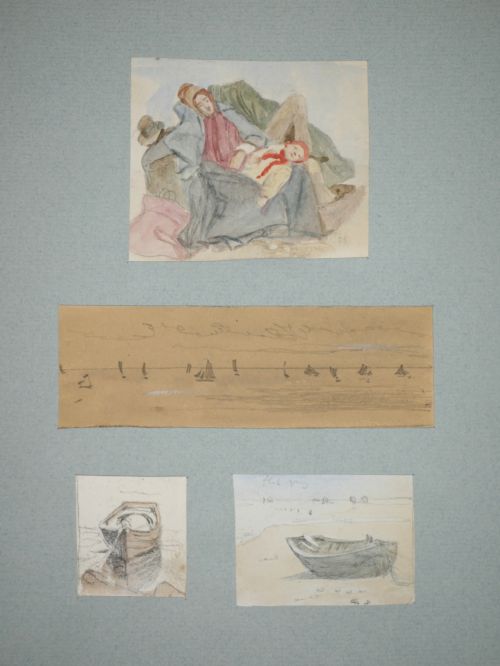
Artists deployed graphite pencil, charcoal, and chalk directly onto various paper stocks, occasionally combining these dry media with washes of watercolour or gouache. Support materials frequently include buff paper, white paper sheets, and mounted panels.
Execution relied entirely on manual draughtsmanship, utilising hatched lines, tonal shading, and precise contour work to build form. Works were often framed in wood beneath protective glass to secure the friable graphite and charcoal pigments.
Pencil Sketch Art Retail Price Guide 2026
Typical asking prices for pencil sketch art among the pieces listed under this phrase on Sellingantiques today, from the lower quarter to the upper quarter. They describe what is for sale here now, not the wider market.
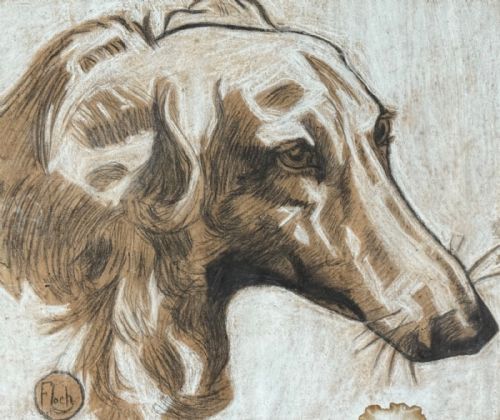
Several sketches capture domestic companions, including a focused Borzoi dog and a loyal spaniel sitting patiently beside a Victorian lady.
What Varies in Quality
Quality rests upon the sureness of the draughtsman's line and the psychological depth achieved in portraits or the anatomical accuracy in figural studies. Works executed with confident, economy of stroke distinguish master hands from routine academic exercises.
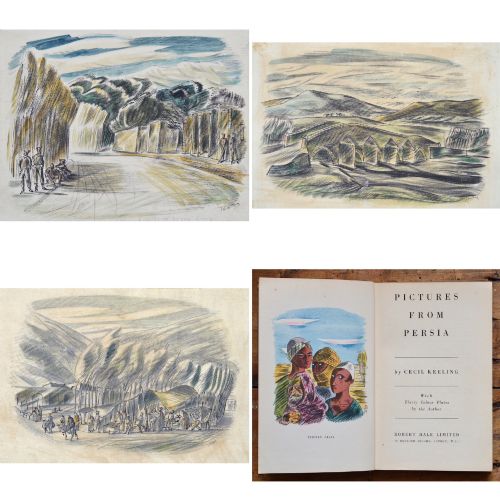
The survival condition of the paper surface significantly affects desirability, with clean sheets retaining strong contrast outranking heavily foxed or light-struck examples. Provenance linking the drawing to a documented artist or a published book elevates historical importance.
Cecil Keeling·Henry Percy Huggill·James Smetham·Augustus John·James Stroudley·Herbert Johnson Harvey·Henri Charles Angéniol·Dame Laura Knight·François-André Vincent·James Stroud·Hans Holbein·Demetrios Galanis·Michael Lyne·J D Fergusson·J W Hogley·Raoul Millais
The Pencil Sketch Art Glossary
- Graphite
- A form of crystalline carbon used as a drawing medium in pencils. It creates silvery-grey metallic marks that range in tone from hard light lines to soft dark shadows.
- Plumbago
- An early term for graphite used specifically in reference to highly finished miniature graphite portraits executed during the seventeenth and eighteenth centuries.
- Foxing
- Brown or yellowish spots caused by chemical reactions in ageing paper stocks. It appears frequently on antique sheets exposed to humidity over long periods.
- Deux crayon
- A drawing technique utilising two coloured chalks or pencils, commonly black and red or black and white, on tinted paper to build highlights and shadows.
- Works on paper
- A collective term encompassing drawings, watercolours, sketches, and prints executed on paper supports rather than canvas or panel.
Pencil Sketch Art: Frequently Asked Questions
How should I frame pencil sketch art?
Pencil sketch art requires framing behind glass with acid-free mounts to prevent the delicate paper surface from touching the glazing. This barrier protects fragile graphite and charcoal pigments from moisture and physical abrasion.
Keep these works away from direct sunlight to prevent the paper from yellowing and the drawn lines from fading over time.
What periods do these drawings cover?
The available pieces span from the eighteenth century through the Regency, Victorian, and Edwardian eras into the mid-twentieth century. Each period displays distinct stylistic approaches, moving from formal academic realism towards avant-garde and modernist interpretations.
Dates are often established through signatures, contemporary inscriptions, or stylistic comparison with documented works by the same school.
Are these works original or reproductions?
The listings consist entirely of original hand-drawn artwork executed directly by the artist onto paper supports. Each piece shows the distinct pressure of the pencil, chalk, or brush, rather than a printed dot pattern.
Some individual drawings served as preparatory studies or illustrations for published books, but the items themselves are unique primary creations.
How do I identify the medium used?
Close inspection under magnification reveals the characteristic texture of graphite, the soft powdery smudge of charcoal, or the fluid edges of watercolour washes. Combinations such as pencil and wash or chalk on tinted paper create layered tonal effects.
Descriptions detail specific media like gouache, plumbago, or charcoal to help clarify the materials employed on each sheet.