

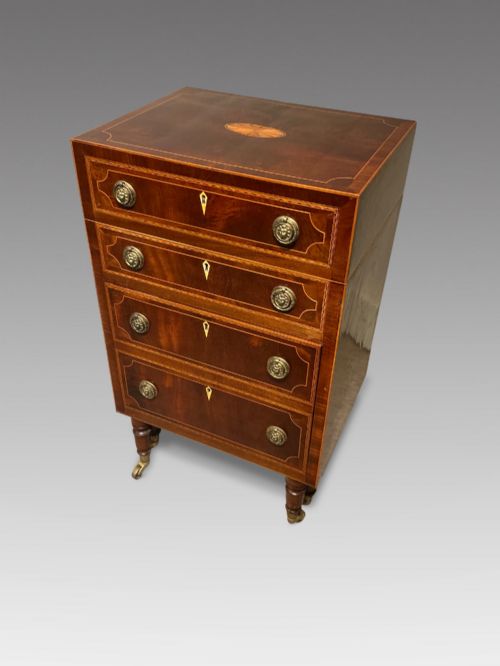
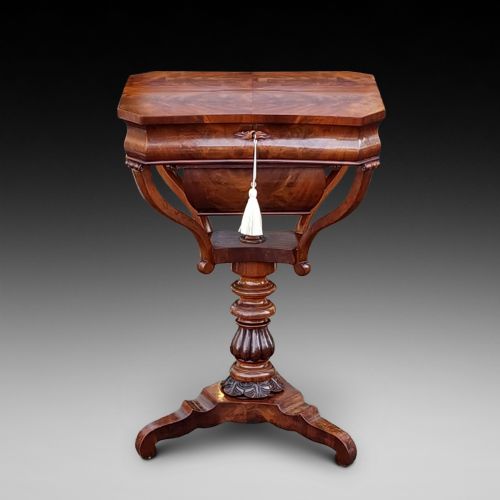
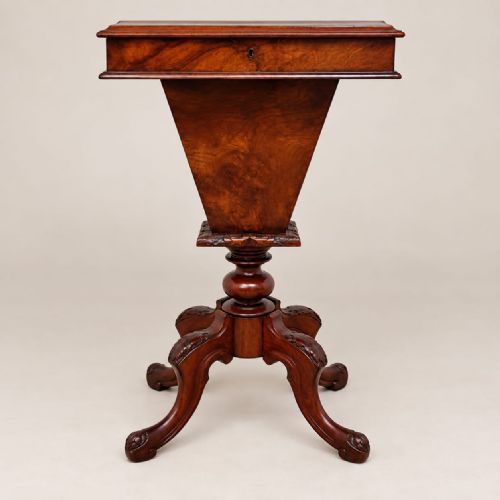
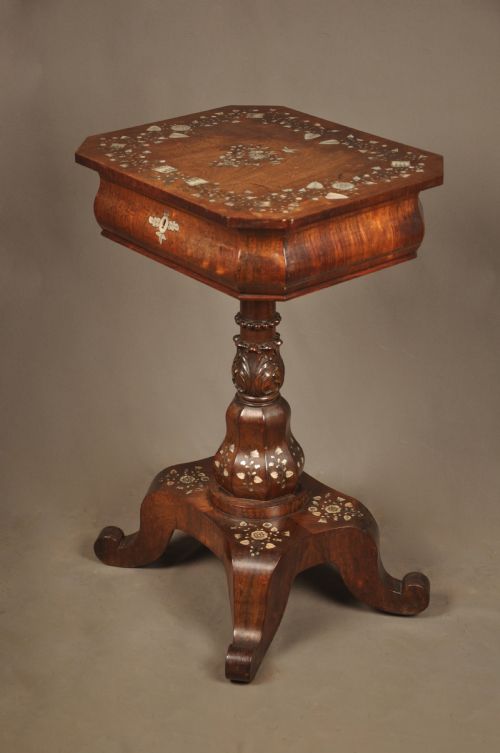
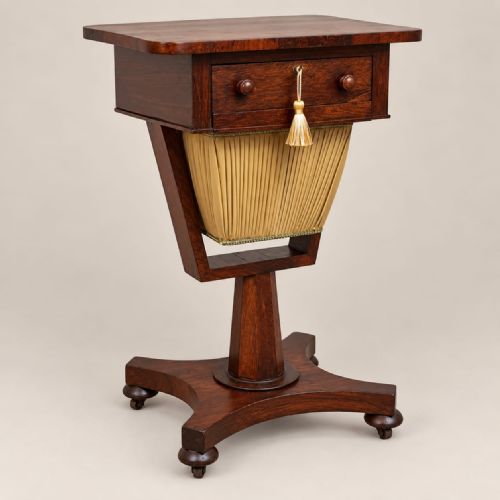
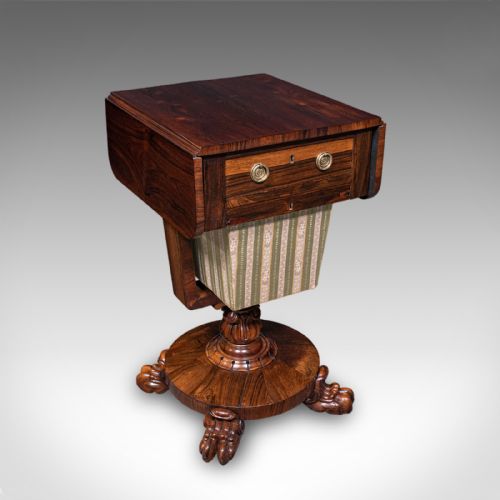
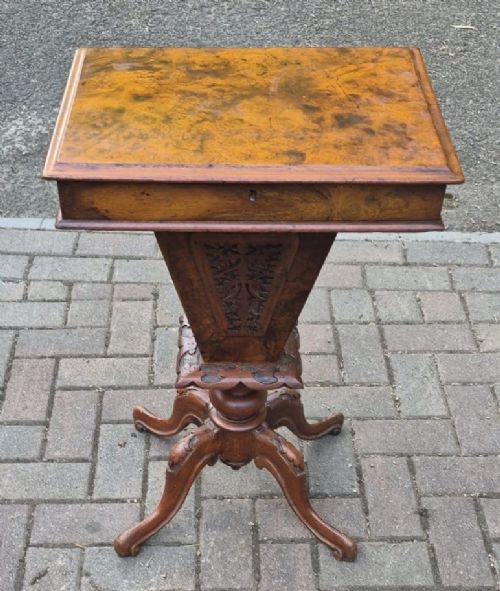

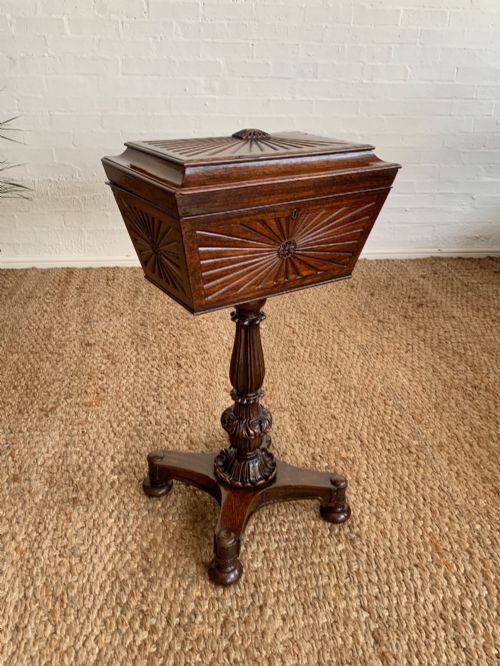
Pedestal Work Box
A pedestal work box is a dedicated sewing and needlework stand designed to hold materials while sitting neatly beside a parlour chair.
Pedestal Work Box
A pedestal work box combines a lidded compartment for textiles with a central column support resting on a stable base. When buyers search for a pedestal work box, they encounter practical pieces intended for domestic needlework and crafts.
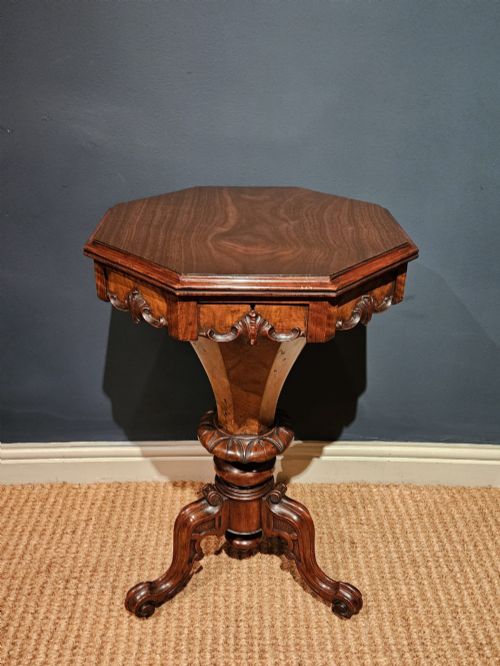
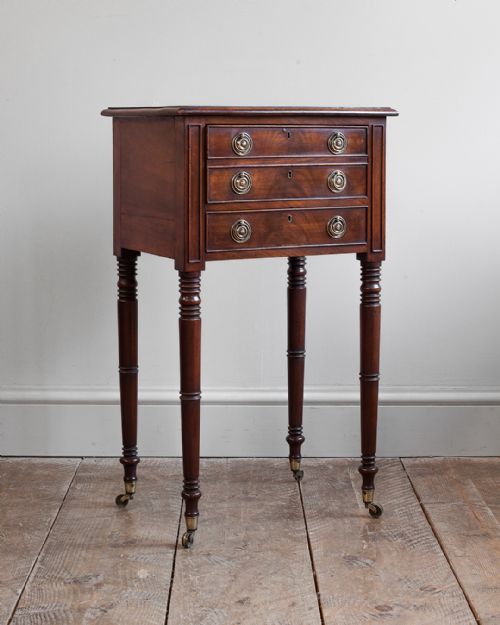
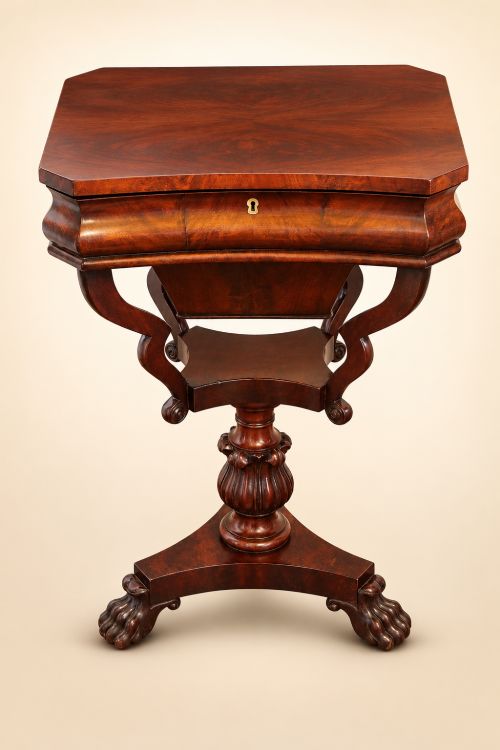
The selections span the Regency, William IV, and Victorian periods, with mahogany and rosewood forming the backbone of the available forms. Examples frequently incorporate drop leaves, fitted interior trays, and supporting pedestals with carved or inlaid details.
Makers adapted these pieces for the parlour and drawing room, combining storage for threads and fabrics with an elegant tabletop surface. Many items double as lamp tables or games tables, reflecting the versatile demands of nineteenth-century households.
Materials and construction methods
Cabinetmakers utilised dense hardwoods such as mahogany, rosewood, walnut, and burr walnut for the primary carcases, often selecting flame or figured veneers to add visual depth. These surfaces receive French polish to highlight the natural grain.
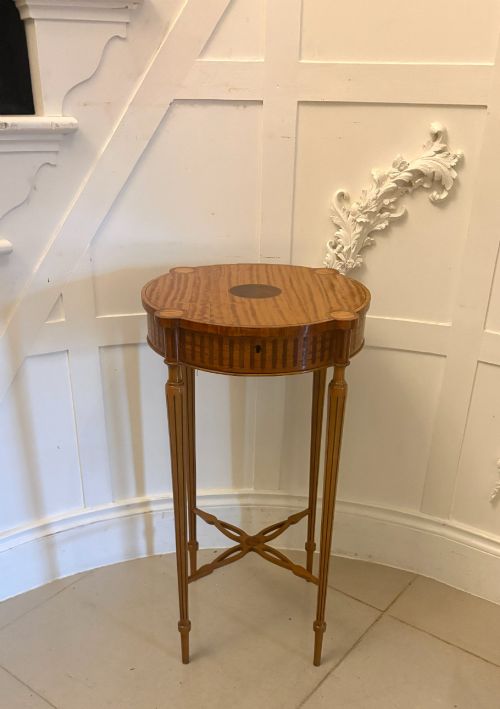
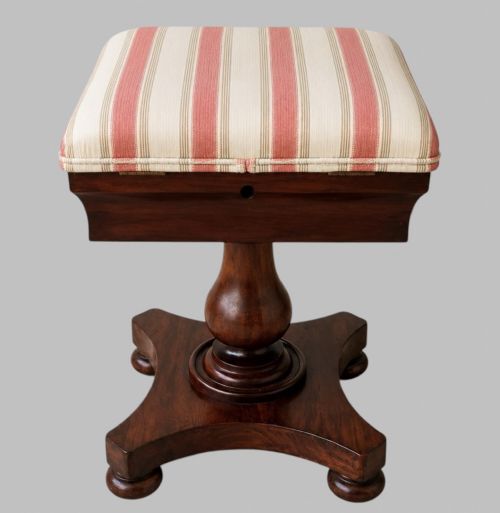
Secondary elements include brass fittings, fabric linings, and intricate wood inlays using satinwood. Structural support relies on turned or carved pedestals mounted onto platform bases with scroll or paw feet.
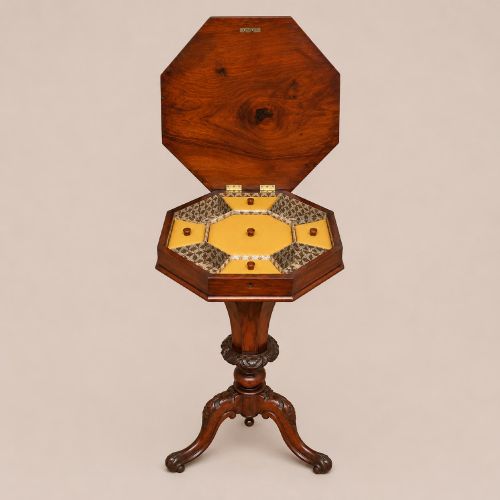
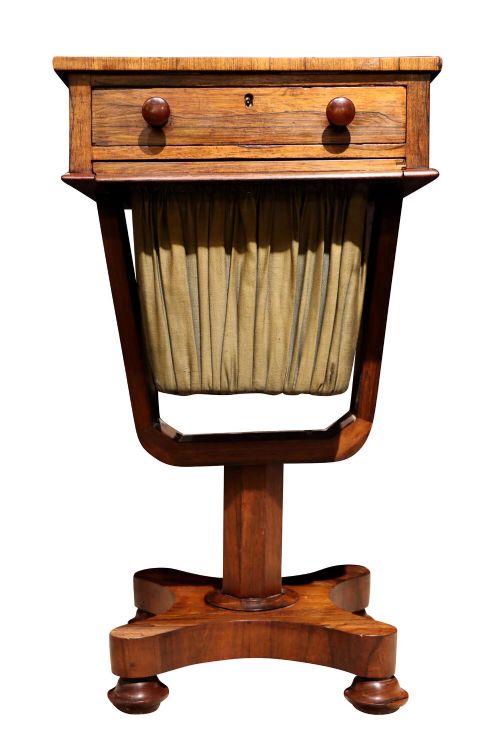
Internal compartments often feature fitted lift-out trays for small sewing implements, while hanging fabric bags or boxes store wools and ongoing needlework projects beneath the main carcase.
Pedestal Work Box Retail Price Guide 2026
Typical asking prices for pedestal work box among the pieces listed under this phrase on Sellingantiques today, from the lower quarter to the upper quarter. They describe what is for sale here now, not the wider market.
Listings span the nineteenth century, with Victorian and Regency eras representing the primary periods for these work tables.
Distinctions in craftsmanship
Quality rests in the choice of timber and the precision of the cabinetwork, particularly in the selection of figured veneers and burr walnut. Superior pieces display seamless grain matching across the lids and drawers.
The refinement of the carving on the central column and the stability of the pedestal base separate standard production from exceptional examples. Finer work boxes include well-fitted internal trays with intact compartments and original brass hardware.
The Pedestal Work Box Glossary
- Teapoy
- A small stand or box originally intended for storing loose tea leaves, occasionally overlapping in form with sewing tables of the period.
- Caddy top
- A raised, hinged lid construction resembling a tea caddy, often found on work boxes and tables from the Regency and William IV eras.
- Marquetry
- Decorative veneer work formed by fitting together small pieces of wood, shell, or ivory to create elaborate surface patterns.
- Biedermeier
- A Central European style from the first half of the nineteenth century emphasising clean lines and utilitarian comfort over excessive ornament.
Pedestal Work Box: Frequently Asked Questions
What is a pedestal work box used for?
These pieces served as dedicated storage for threads, needles, and fabric scraps while providing a convenient surface for hand sewing in the parlour.
They allowed nineteenth-century needleworkers to keep their projects organised and close at hand during social hours.
How do I date a pedestal work box?
Dating relies on identifying the prevailing style, secondary timbers, and construction methods characteristic of the Regency, William IV, or Victorian eras.
Heavier rosewood veneers and bold pedestal carvings typically point towards the earlier nineteenth century, while later Victorian pieces introduce burr walnut and alternative inlay patterns.
Can these tables be used as lamp tables?
Many examples possess sturdy pedestal bases and flat tops that accommodate small lamps or decorative objects alongside their original sewing functions.
Their compact proportions make them suitable for placing beside armchairs or sofas in modern rooms.
What woods were commonly used?
Mahogany and rosewood dominate the early nineteenth-century examples, frequently featuring figured or flame grain patterns.
Walnut, burr walnut, and birch appear more frequently in later Victorian listings, often enhanced with satinwood inlay.