




Pedestal Punch Bowl
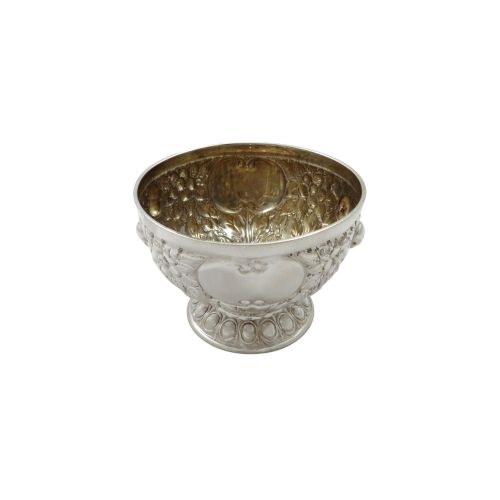
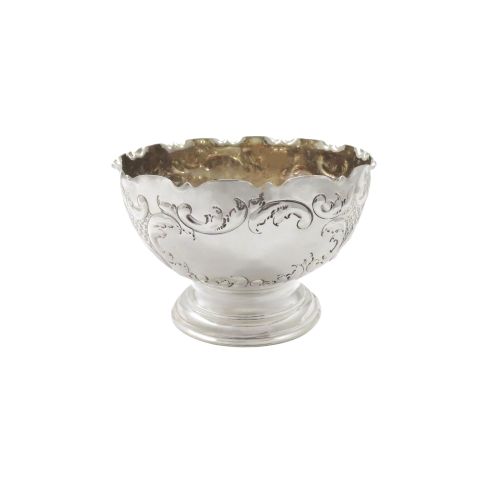
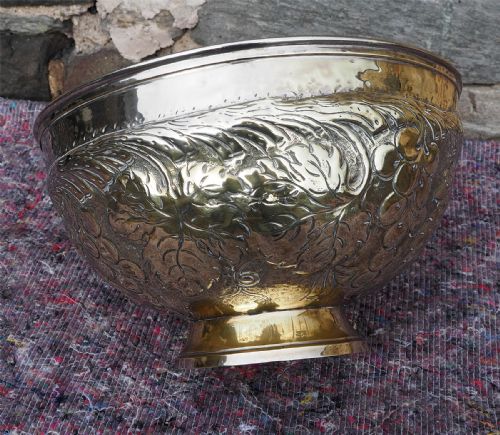
These pedestal punch bowl examples are substantial vessels raised on a foot, made for serving mixed drinks at gatherings and tables.
Pedestal Punch Bowl
A pedestal punch bowl is a large vessel designed to hold and serve drinks at social gatherings, supported distinctly upon a footed base. When you search for this phrase, you encounter forms spanning several eras, though Victorian and 19th-century silver-plated and earthenware examples appear most frequently on this page.
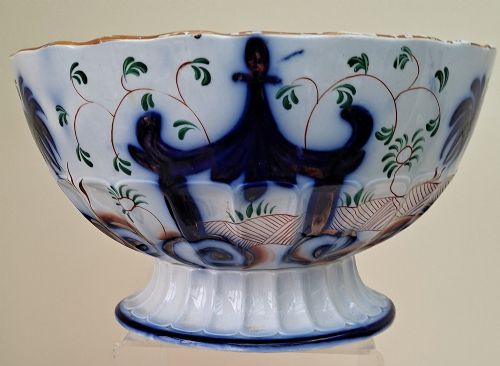
The objects range from earthenware pottery featuring blue and white or gaudy Welsh patterns to heavy sterling silver presentation pieces and silver-plated wine coolers. Makers and manufacturers utilised various styles such as Rococo Revival, Georgian, and Art Deco across these diverse forms.
Beyond traditional punch service, many of these footed bowls function equally as centrepieces, champagne coolers, or Monteith bowls with notched rims. The evidence shows origins in England and Scotland, taking shapes that vary from simple circular bowls to twin-handled tureens.
How They Were Made
Silver and silver plate dominate the construction, often utilising copper as a base metal for plated items or relying on solid sterling silver for presentation vessels. Smiths formed these metals through techniques appropriate to the period, including casting and hand-finishing.
Earthenware examples demonstrate traditional pottery methods, finished with glazes such as cobalt blue or lustre. Crystal glass variants also appear, shaped to create heavy, faceted decorative bowls.
Pedestal Punch Bowl Retail Price Guide 2026
Typical asking prices for pedestal punch bowl among the pieces listed under this phrase on Sellingantiques today, from the lower quarter to the upper quarter. They describe what is for sale here now, not the wider market.
Materials represented include copper, cobalt glaze, and lustre alongside traditional ceramic pottery.
What Varies in Quality
The distinction between standard utility vessels and top-tier examples lies in the weight of the metal and the crispness of the chased or embossed decoration. Sterling silver and substantial silver plate on copper exhibit superior durability and finer detailing compared to lighter plated wares.
Pottery and earthenware quality depends upon the precision of the transfer print, such as the Pagoda or Basket of Flowers patterns, and the depth of the glaze. Maker attribution also influences standing, with pieces bearing marks from known firms carrying greater historical weight.
Mappin & Webb·Barker Ellis·Daniel and Arter·Alexander Clarke and Co·Ridgway·Waterford
The Pedestal Punch Bowl Glossary
- Monteith bowl
- A bowl featuring a scalloped or notched removable rim designed to hold wine glasses by their stems. This specific form became popular in the late seventeenth century and continued through later periods.
- Silver plate
- A manufacturing method where a thin layer of silver is fused to a base metal, usually copper. This technique provided the appearance of solid silver at a lower cost.
- Gaudy Welsh
- A type of colourful earthenware pottery featuring hand-painted cobalt blue, copper lustre, and iron-red highlights. It was largely produced in the nineteenth century for everyday use.
- Footed bowl
- Any vessel raised on a pedestal base rather than resting flat on its bottom. This elevation grants the piece greater presence on a table or sideboard.
Pedestal Punch Bowl: Frequently Asked Questions
What is a pedestal punch bowl used for?
These vessels were primarily designed for mixing and serving communal drinks at social events and dining tables. Their elevated foot gives them prominence, allowing them to double as centrepieces or wine coolers.
Over time, many of these bowls transitioned into decorative objects or display pieces in domestic interiors. Their generous capacity also suits them for holding ice or displaying fruit.
How do I date a silver plated punch bowl?
Dating relies heavily upon maker marks, style markers, and the weight and method of construction. Silver-plated items often bear specific manufacturer stamps that correspond to operational dates.
Stylistic cues such as Rococo Revival scrolls or Art Deco geometric lines further narrow the period of origin. Comparing the foot construction and rim details with hallmarked counterparts helps confirm the era.
Can I use an antique punch bowl for serving?
Silver-plated and sterling silver vessels remain suitable for serving drinks provided they are cleaned properly. Earthenware and crystal bowls can also hold liquids, though older glazes require careful handling.
Acidic contents should not be left in silver-plated vessels for extended periods to protect the surface. Hand washing is essential for preserving both the metal finish and the pottery decoration.
What is the difference between a punch bowl and a wine cooler?
Punch bowls typically feature wide, open basins intended for ladling mixed drinks during gatherings. Wine coolers and champagne coolers are often deeper or shaped specifically to hold bottles upright surrounded by ice.
Some pieces served multiple functions, with manufacturers producing heavy vessels that acted as tureens, punch bowls, or coolers interchangeably.