

Pedestal Low Table
A pedestal low table brings formal proportions down to floor level, offering a steady central column and a broad top for daily use.
Pedestal Low Table
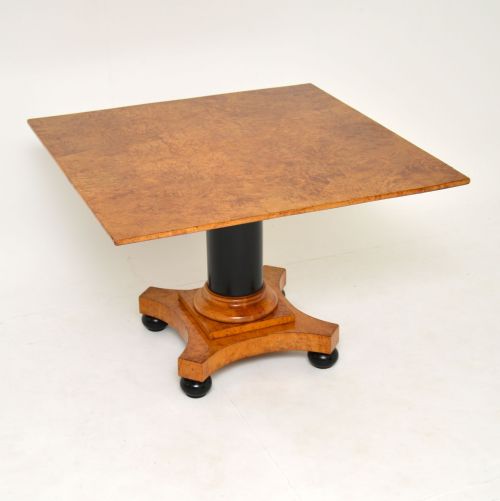
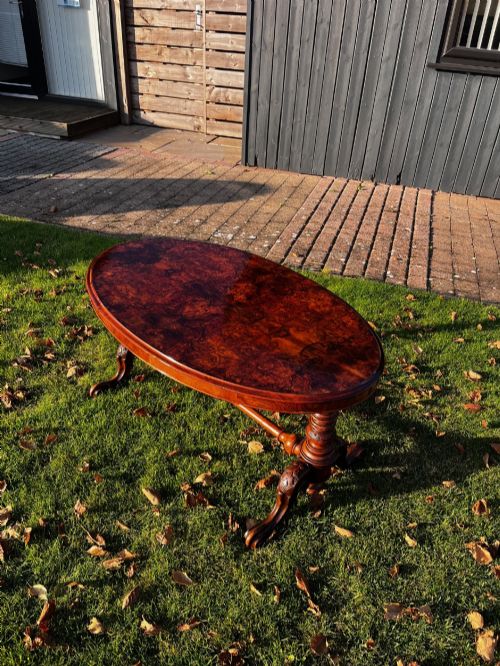
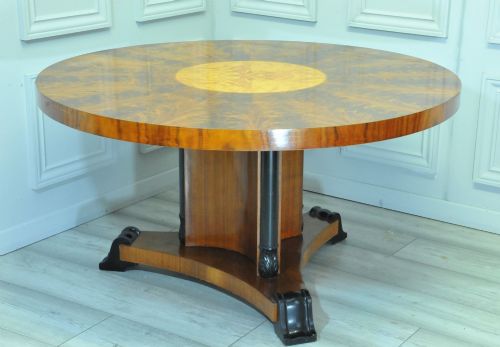
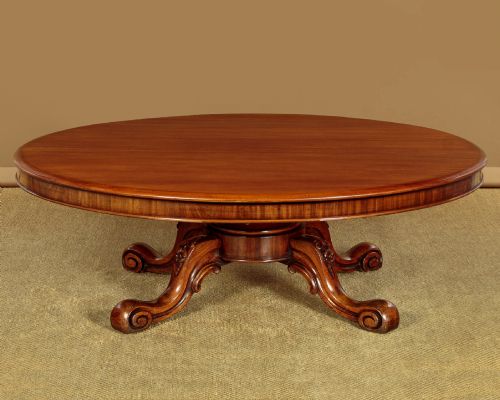
A pedestal low table centres its weight on a single pillar or column, keeping the floor space clear beneath the top. Buyers search for this phrase to find compact surface furniture that combines traditional timber construction with low-slung proportions suitable for seating areas.
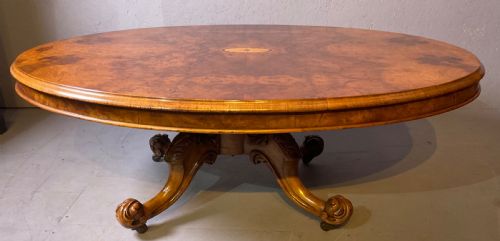
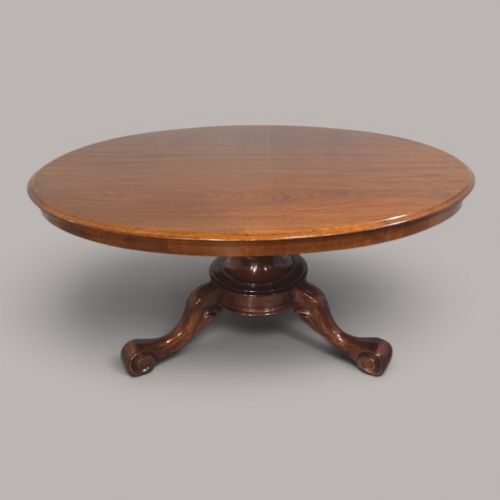
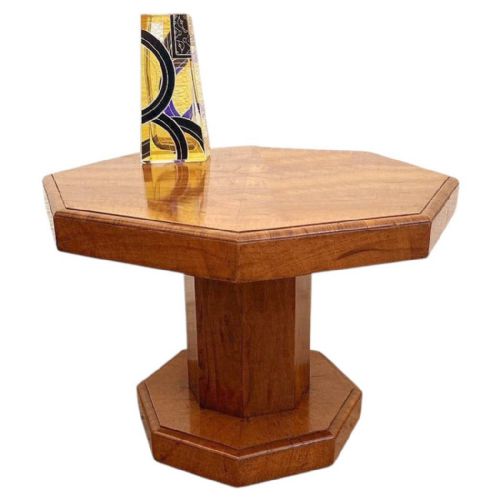
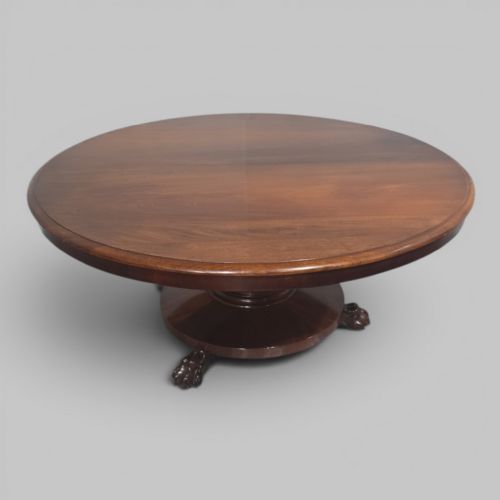
The pieces seen here span centuries of design, stretching from the 18th century through the Victorian era and into the Art Deco period of 1930. Alongside standard low coffee tables, the selection includes occasional pieces, lowered wine tables, plant stands, and drum centre formats adapted for modern heights.
Origins vary widely across the inventory, ranging from English workshops and Regency revivals to Swedish Biedermeier, Italian Renaissance styles, and Chinese marble-topped stands. Walnut and mahogany dominate the offerings, appearing alongside burr maple, rosewood, and oak.
Materials and construction methods
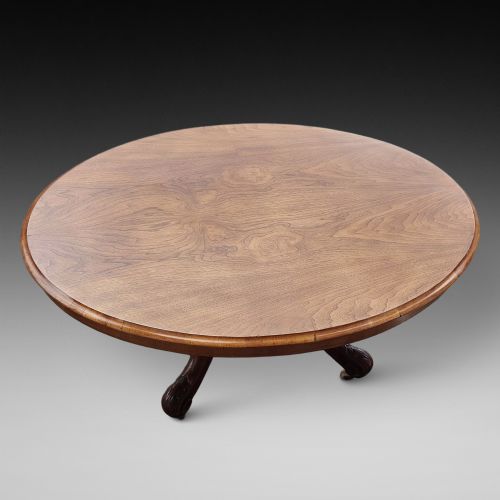
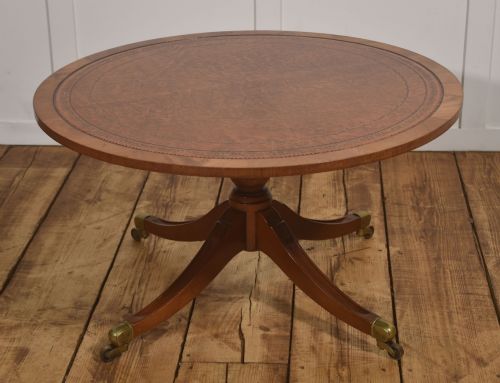
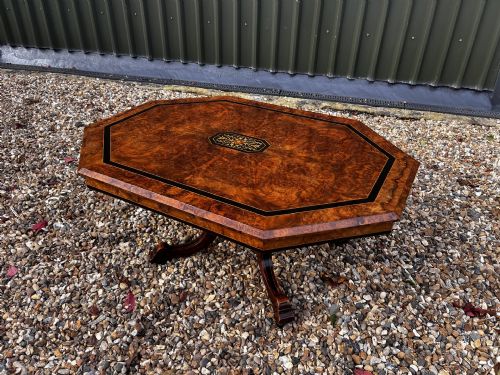
Cabinet makers built these tables using dense hardwoods such as mahogany and walnut, frequently applying fine veneers like burr walnut, burr maple, and flame mahogany to visible surfaces. Solidity was achieved through central timber columns paired with tripod or platform bases, ensuring the single pedestal supported the weight above.
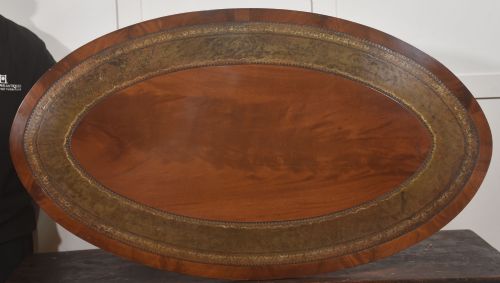
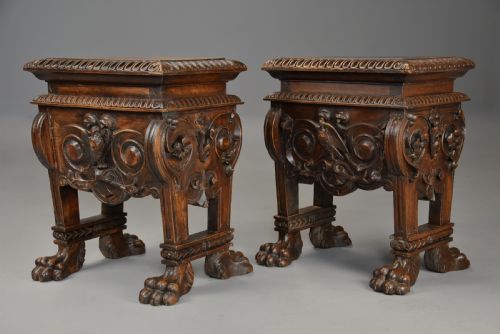
Surface decoration relied on traditional joinery and embellishment techniques, including marquetry inlay, parquetry, hand-carved bases, and turned wooden pillars. Certain examples incorporate contrasting woods like satinwood or brass fittings, whilst others utilise giltwood or polished stone tops.
Pedestal Low Table Retail Price Guide 2026
Typical asking prices for pedestal low table among the pieces listed under this phrase on Sellingantiques today, from the lower quarter to the upper quarter. They describe what is for sale here now, not the wider market.
Materials across the selection include walnut, mahogany, burr walnut veneer, brass, satinwood, and Chinese marble.
Distinctions in craftsmanship and finish
Quality rests in the selection of the timber and the precision of the veneer work, where figured grains and matched sections indicate higher workshop standards. The integrity of the central pedestal joint and the stability of the base determine how well the piece bears daily weight without leaning.
Finishing touches separate standard production from superior examples, visible in the sharpness of hand-carved details, the crispness of inlay patterns, and the depth of the polished patina. Tables retaining their original proportions and uncompromised structural mounts command greater attention from collectors.
Gillows of Lancaster
The Pedestal Low Table Glossary
- Pedestal
- A structural column or pillar supporting the centre of a table top. It replaces traditional four-legged designs to maximise legroom.
- Marquetry
- Decorative patterns formed by fitting together thin pieces of wood veneer. This technique creates complex pictorial or geometric designs on table tops.
- Biedermeier
- A Central European style from the first half of the 19th century. It prioritises clean lines, utility, and the natural grain of timbers over excessive ornamentation.
- Parquetry
- Geometric mosaic woodwork used for flooring and table surfaces. Small blocks or strips of timber form repeating patterns.
- Jardiniere
- An ornamental stand or pot designed to hold plants. These often share the tall, slender pedestal proportions found in low table variants.
- Tilt-top
- A mechanism allowing the table top to pivot vertically for storage. It is commonly found on pillar-supported occasional and dining tables.
Pedestal Low Table: Frequently Asked Questions
What is a pedestal low table?
A pedestal low table is a surface supported by a single central column rather than standard corner legs. These pieces combine historic furniture forms with lowered heights suited for modern seating arrangements.
They appear in various styles across the inventory, ranging from 18th-century Georgian designs to Art Deco walnut creations.
How do I style a pedestal low table?
Place the table centrally within a seating group where the single column allows feet and chairs to move freely underneath. The central pillar creates an open perimeter, making these tables useful in compact spaces.
Pair them with complementary antique seating or let the figured timber top stand alone as a room focus.
Are these tables sturdy?
The structural stability depends on the weight distribution of the central column and the spread of the base feet. Tripod and platform bases anchor the single pillar to prevent tipping during regular use.
Heavier hardwood construction in materials like mahogany and walnut naturally adds stability to the lower frame.
How do I date a pedestal table?
Dating relies on examining the timber species, veneer types, joinery methods, and overall stylistic markers. Pieces from the Regency period often feature turned rosewood pillars, whilst Victorian examples showcase heavy walnut and hand-carved bases.
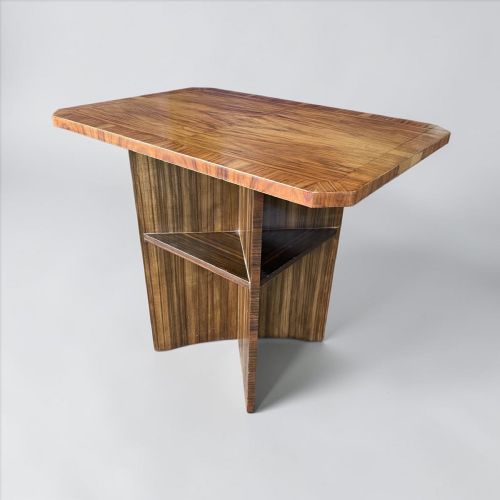
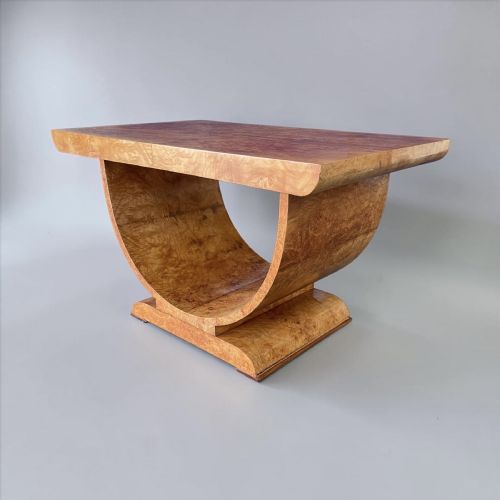
Art Deco items from 1930 utilise streamlined forms and burr maple or walnut veneers distinct from earlier centuries.