

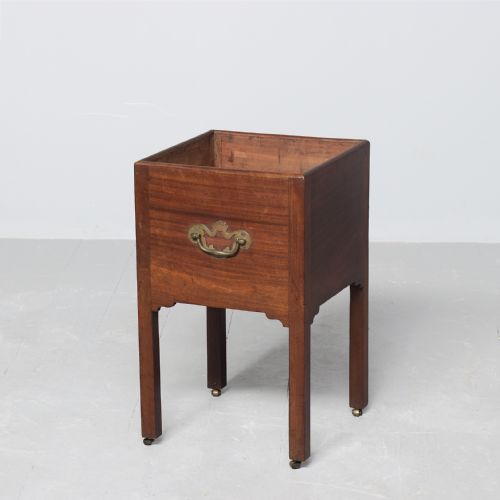


Pedestal Cellarette
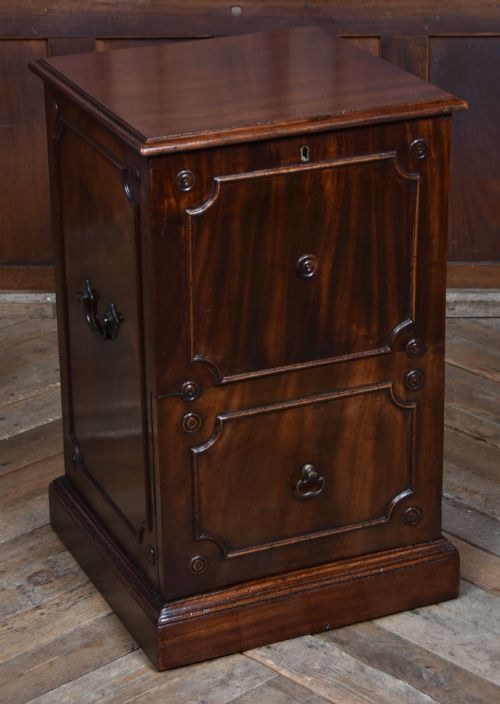
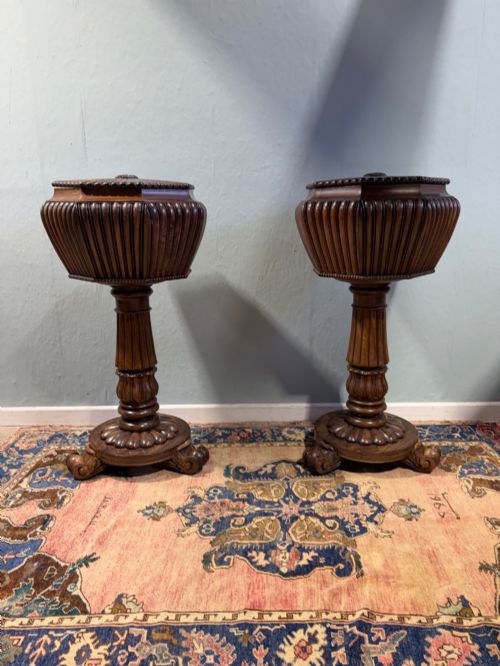
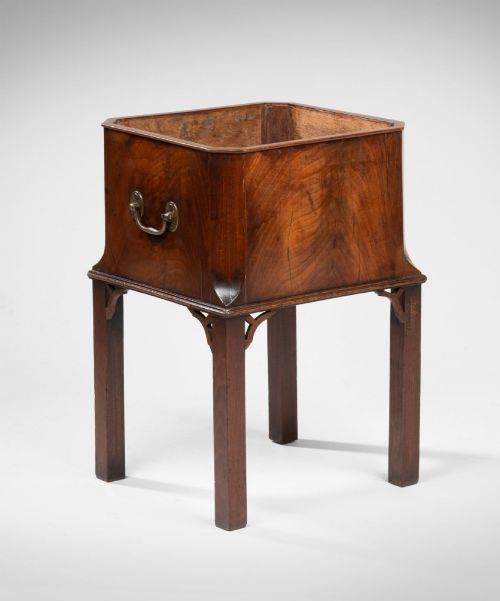
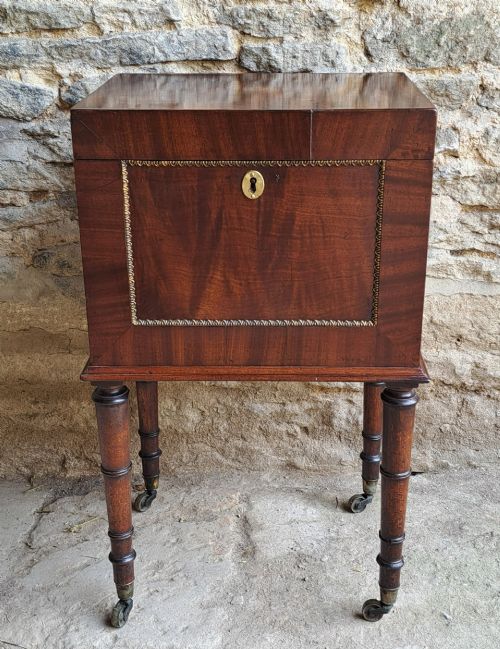
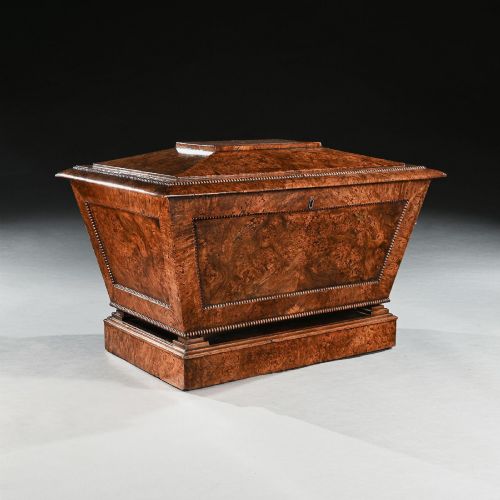
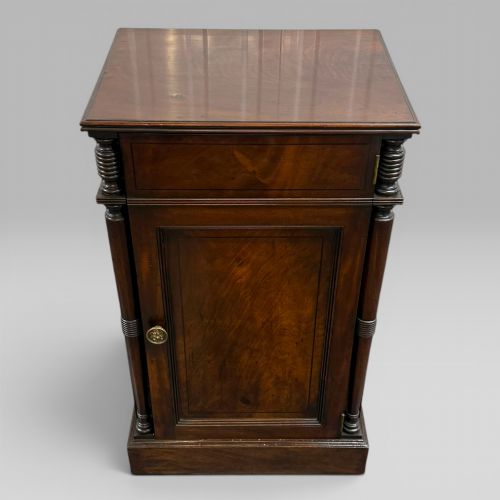
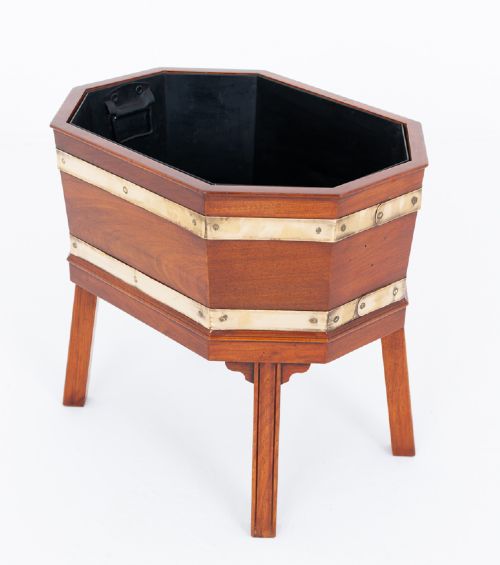
These pedestal cellarette pieces are substantial wine coolers built to hold bottles and ice near the dining table, crafted in mahogany and walnut.
Pedestal Cellarette
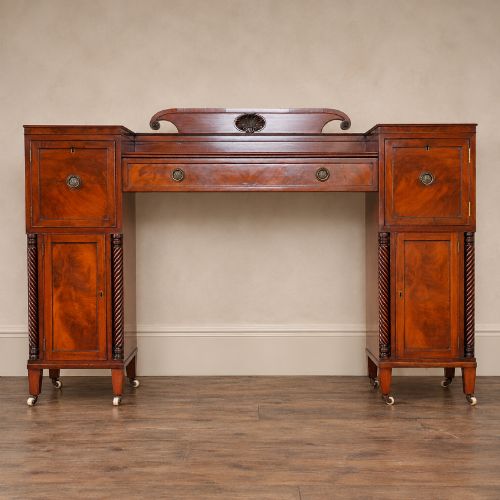
A pedestal cellarette functions as a dedicated storage vessel for wine and spirits, appearing across Georgian, Regency, and William IV periods in various forms. Buyers examining this page encounter wine coolers, sideboards, and urns shaped from dark hardwoods.
The objects stem predominantly from the eighteenth and nineteenth centuries, with occasional later interpretations from the twentieth century reflecting earlier styles. Most pieces use mahogany as the primary timber, often enhanced by satinwood, boxwood, or ormolu details.
Construction and Materials
Cabinetmakers built these containers using dense timbers like mahogany, burr maple, and walnut, selecting woods that resisted moisture and heavy use. Metal components such as brass bindings, ormolu mounts, and lead linings reinforced the internal structures for holding ice and wet bottles.
Decorative surfaces relied on precise boxwood and satinwood inlay rather than applied paint, showing the grain of the hardwood to best effect. Joinery traditions of the Georgian and Regency eras ensured the heavy weight of stored wine remained stable within the pedestal framework.
Pedestal Cellarette Retail Price Guide 2026
Typical asking prices for pedestal cellarette among the pieces listed under this phrase on Sellingantiques today, from the lower quarter to the upper quarter. They describe what is for sale here now, not the wider market.
Some nineteenth-century makers doubled their storage function, hiding plate-warmers inside the same pedestal that chilled the claret.
Quality Variations
The refinement of the timber figure and the crispness of the inlay distinguish standard examples from finer commissions. Pieces featuring original brasswork, intact internal linings, and well-matched veneers demonstrate a higher level of workshop execution.
Proportion and architectural balance dictate the visual success of the pedestal form, where heavy mouldings must complement the scale of the central body. Subtle details like finely cast ormolu mounts indicate a maker who worked for discerning patrons.
Gillows
The Pedestal Cellarette Glossary
- Cellarette
- A lockable container used for storing wine and spirits in the dining room. It often stood beneath a sideboard or on its own pedestal base.
- Ormolu
- Gilded bronze used for decorative mounts and handles on fine furniture. This technique added metallic contrast to dark mahogany surfaces.
- Inlay
- Pieces of contrasting wood or metal fitted into a recessed surface to form a pattern. Boxwood and satinwood were common choices for geometric lines.
- Jardiniere
- An ornamental stand or pot designed to hold plants and flowers. These share construction methods and timber choices with wine coolers of the period.
Pedestal Cellarette: Frequently Asked Questions
How were cellarettes used?
Servants used these containers to store wine bottles and chilling ice within the dining space, saving journeys to the cellar during a meal. The lockable lids secured expensive vintages from household staff.
Inside, lead linings or metal inserts protected the timber from melting ice and spilled liquid while keeping the contents cool.
How do I date a cellarette?
Dating relies on observing the timber species, decorative motifs, and construction methods characteristic of different eras. Georgian pieces tend to show restrained classical lines, while Regency examples incorporate bolder brass mounts and richer veneers.
Hardware styles and the presence of specific inlays like boxwood or satinwood also point toward the prevailing taste of the manufacturing decade.
Are these pieces suitable for modern dining rooms?
These pieces fit well into contemporary dining spaces as drinks cabinets, serving tables, or sculptural storage units. Their deep interiors accommodate modern bottles and bar accessories easily.
Placing them away from direct heat sources helps preserve the antique timber and polished surfaces during everyday use.