




Pearlware Ceramic Plate
A pearlware ceramic plate brings blue and white transfer-printed artistry to the table, offering a glimpse into Georgian and Regency domestic life through intricate landscape and figurative scenes.
Pearlware Ceramic Plate
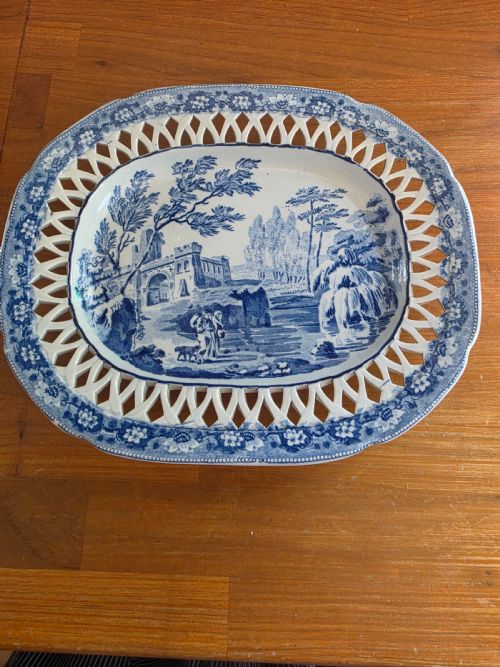
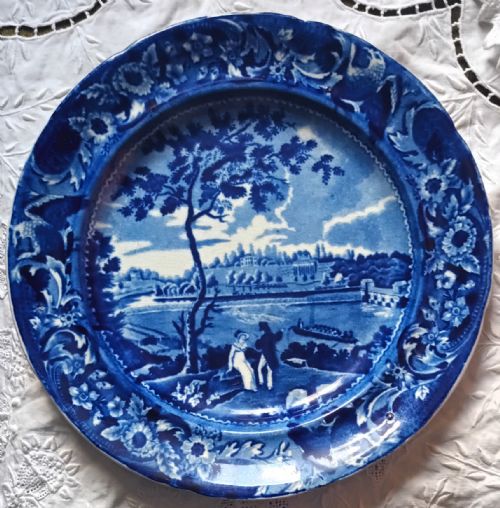
A pearlware ceramic plate encompasses a range of domestic tableware from the Georgian and Regency periods, spanning dinner plates, serving platters, and specialised dishes. Buyers encounter pieces featuring classic Chinoiserie motifs, topographical views, and pastoral narratives produced by English potteries.
How they were made
Potters formed these items using earthenware bodies covered in a subtle glaze that pooled slightly blue in crevices, distinguishing it from earlier creamware. Cobalt glaze was applied beneath the surface before firing to create durable blue and white transfer-printed designs.
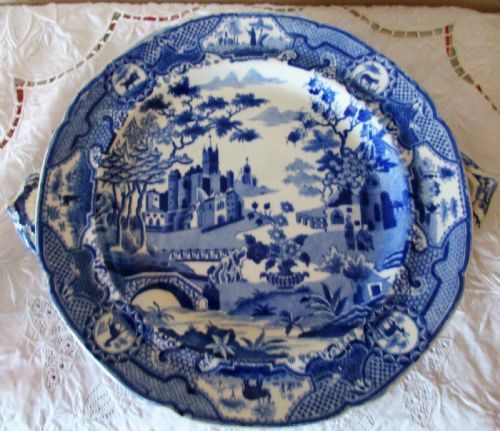
Factories utilised copperplate transfer printing to transfer complex engravings onto the ceramic surface, allowing for consistent reproduction of pictorial patterns like Willow, Gothic Castle, and Chinese Pagoda.
Pearlware Ceramic Plate Retail Price Guide 2026
Typical asking prices for pearlware ceramic plate among the pieces listed under this phrase on Sellingantiques today, from the lower quarter to the upper quarter. They describe what is for sale here now, not the wider market.
Nineteenth-century potters thoughtfully provided hot-water plates to keep gravy warm while diners debated local architecture or cattle farming.
What varies in quality
Quality resides in the crispness of the transfer print and the clarity of the cobalt blue pigment against the ceramic glaze. Superior examples maintain sharp pictorial lines without blurring, while lesser pieces suffer from smeared printing or muddy tones.
The sophistication of the form and the renown of the pottery shape the standing of a piece, distinguishing standard utility wares from finely potted chargers and specialised serving stands bearing named maker marks.
Davenport·Spode·Stubbs·William Adam·Thomas Lakin·Brameld and Co·John Rogers and Son
The Pearlware Ceramic Plate Glossary
- Pearlware
- A refined earthenware body developed in the late eighteenth century with a glaze that has a slight bluish tint. This formulation bridged the gap between creamware and later white earthenwares.
- Transfer printing
- A decoration technique where an engraved copper plate transfers an inked design onto tissue paper, which is then pressed onto the ceramic biscuit before glazing. This method enabled intricate, repeatable pictorial scenes.
- Chinoiserie
- A European artistic style reflecting Chinese motifs and landscapes, frequently adapted by English potteries for blue and white plates and dishes. It appears widely across Georgian serving vessels.
- Charger
- A large decorative plate utilised historically for ceremonial display or as a base for multiple smaller dishes during formal meals. These pieces showcase expansive transfer-printed vistas.
- Earthenware
- A porous ceramic fired at lower temperatures, requiring a vitreous glaze to ensure impermeability for table use. Most nineteenth-century domestic plates utilised this body.
Pearlware Ceramic Plate: Frequently Asked Questions
How do I date these plates?
Dating relies on stylistic clues, pottery marks, and the specific tint of the ceramic glaze. Pieces from the late eighteenth and early nineteenth centuries often display characteristic cobalt tones and traditional transfer patterns.
Makers' marks stamped into the earthenware body can also narrow down the production decade considerably.
Were they used for dining?
Many of these items functioned as everyday or formal tableware in nineteenth-century households. Platters, serving dishes, and dinner plates saw regular service during meals.
Smaller variants, such as child's plates and hot-water plates, fulfilled specific dining requirements of the period.
How should I display them?
Plates and chargers look best mounted securely on walls or supported safely on sturdy plate stands within cabinets. Their detailed blue and white transfer patterns contrast well against neutral backgrounds.
Keeping them away from direct, harsh sunlight helps preserve the historic ceramic glaze over time.