

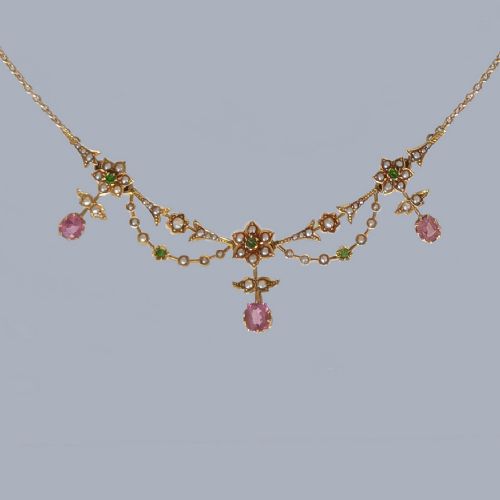


Pearl and Sapphire Jewelry
Pearl and sapphire jewellery brings together lustrous marine gems and vibrant blue corundum in wearable ornaments spanning the Victorian era to the mid-twentieth century.
Pearl and Sapphire Jewelry
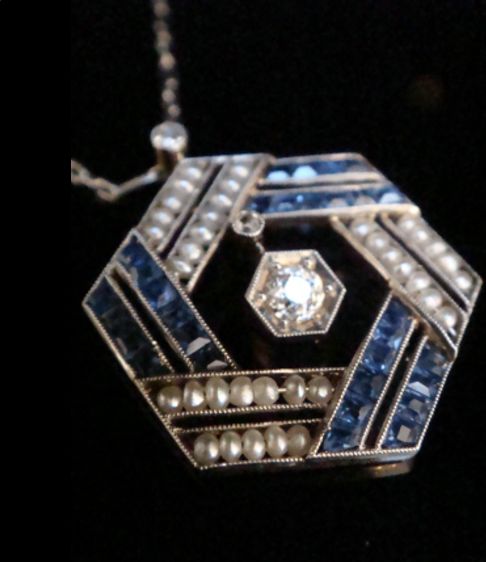
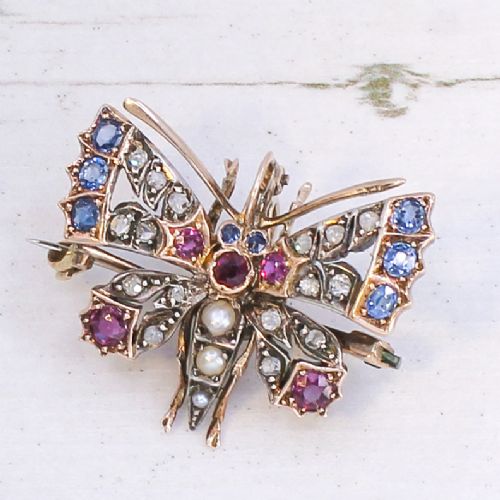
Pearl and sapphire jewellery encompasses necklaces, brooches, rings, pendants, and bracelets created across multiple historical eras. The pieces range from delicate Edwardian fringe necklaces and Victorian crescent brooches to substantial Art Deco strands and mid-century clasps.
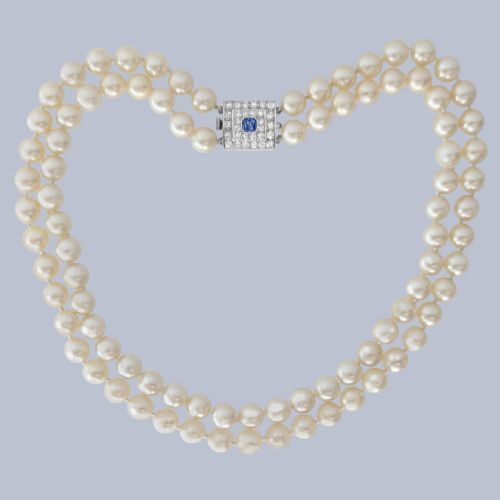
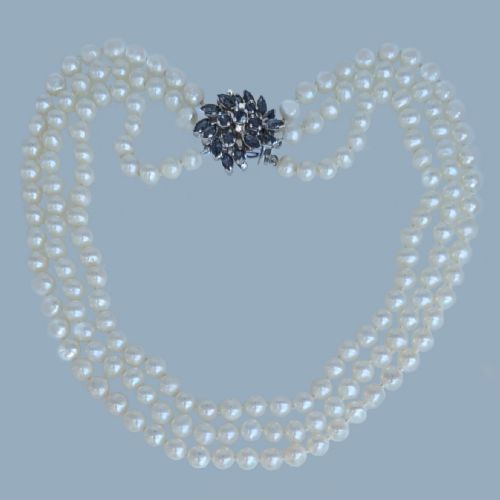
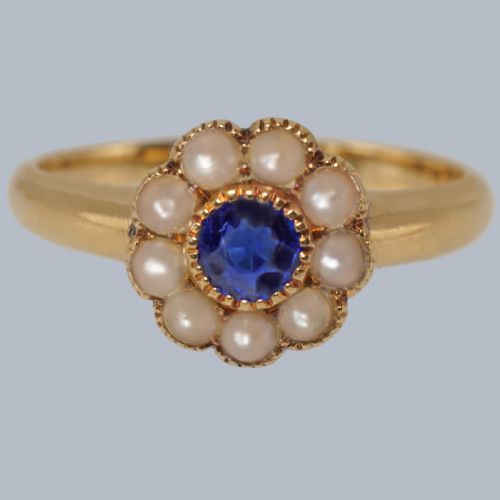
Buyers seeking pearl and sapphire jewellery frequently encounter multi-strand pearl necklaces finished with sapphire and diamond clasps, alongside gold pendants and cluster rings incorporating seed pearls and natural sapphires.
The selection reflects design vocabularies shifting from ornate late-nineteenth-century floral motifs and Belle Epoque delicacy towards geometric Art Deco settings and structured mid-century fine jewellery.
Materials and Construction
Craftsmen utilised yellow and white gold, platinum, and silver as structural metals to mount natural and cultured pearls alongside sapphires, rubies, and diamonds. Metal selection dictates the tonal weight of each piece, moving from rich nineteenth-century yellow gold to crisp twentieth-century platinum and white gold.
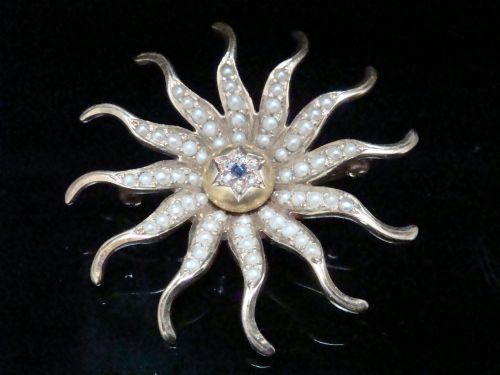
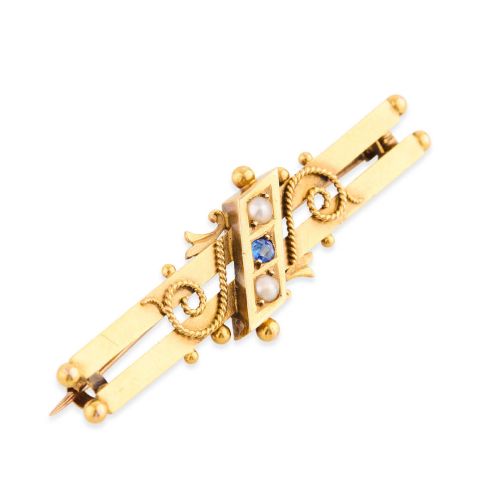
Lapidaries shaped sapphires into cabochons, rose cuts, and faceted stones, setting them beside both natural pearls and cultured varieties. Jewelers employed techniques such as bezel settings, claw mounts, and delicate wirework to secure small seed pearls in intricate crescent and floral formations.
Pearl and Sapphire Jewelry Retail Price Guide 2026
Typical asking prices for pearl and sapphire jewelry among the pieces listed under this phrase on Sellingantiques today, from the lower quarter to the upper quarter. They describe what is for sale here now, not the wider market.
Certain Victorian pendants double as miniature flower vases, allowing the wearer to pin tiny fresh blooms directly to their lapel.
Quality Variations
Quality rests upon the origin and uniformity of the pearls, distinguishing certified natural saltwater pearls from cultured alternatives. The depth of colour, clarity, and geographical provenance of the sapphire also govern the standing of an item.
Execution of metalwork distinguishes standard production from finer output. Superior items display meticulous articulation in wirework, robust clasp mechanisms, and harmonious stone integration within complex pendant or brooch frames.
The Pearl and Sapphire Jewelry Glossary
- Seed Pearl
- Very small natural pearls, often undrilled or half-drilled, popular in clusters and fringe designs during the Victorian and Edwardian periods.
- Cabochon
- A gemstone shaped and polished with a smooth, rounded convex surface rather than faceted. This cut is frequently utilised to highlight the internal depth of star sapphires.
- Belle Epoque
- A stylistic period bridging the late nineteenth century and the First World War, characterised by light, garland-style platinum and diamond settings.
- Trilogy Ring
- A finger ring featuring three principal gemstones, traditionally symbolizing past, present, and future, often combining sapphires and pearls.
- Clasp
- A mechanical fastening device securing a necklace or bracelet, frequently elevated to a decorative focal point featuring sapphires, diamonds, and gold work.
Pearl and Sapphire Jewelry: Frequently Asked Questions
How do I care for pearl and sapphire jewelry?
Pearls require gentle cleaning with a soft, damp cloth to remove oils and cosmetics, avoiding harsh chemical dips that damage organic nacre. Sapphires tolerate mild soapy water and soft brushing, though ultrasonic cleaners risk loosening delicate antique settings.
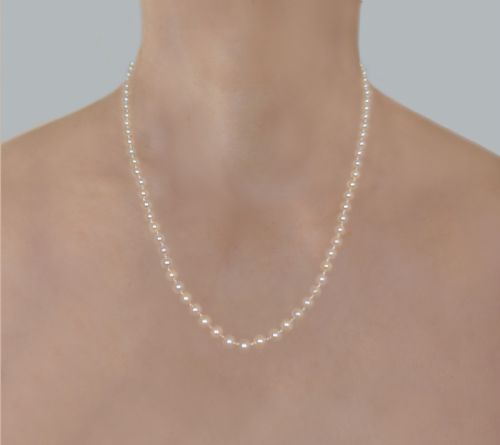
Store necklaces flat to prevent stretching silk threads, and keep pearls separate from harder gemstones to avoid surface scratching.
Are the pearls natural or cultured?
The inventory encompasses both natural pearls formed organically in saltwater molluscs and cultured pearls grown with human intervention. Edwardian and Victorian pieces more commonly feature natural pearls, while mid-century examples often incorporate cultured varieties.
Gemological certificates, when present, specify the origin and nature of the pearls found in these antique and vintage items.
What periods do these pieces represent?
The pieces span from the late Victorian era through the Edwardian period, Belle Epoque, Art Deco, and into the 1950s and 1960s. Each era introduces distinct design characteristics, from nineteenth-century gold bar brooches to mid-century multi-strand necklaces.
Stylistic shifts trace the evolution from romantic floral motifs to geometric lines and structured fine jewellery.
Can I wear these antique necklaces daily?
Daily wear is possible with careful handling, particularly for robust rings and gold-mounted pendants. Necklaces strung on older silk threads benefit from professional re-stringing to ensure structural integrity during regular use.
Removing bracelets and rings before physical tasks protects soft pearl surfaces and fragile antique settings from accidental impact.