




Pave Diamond Ring
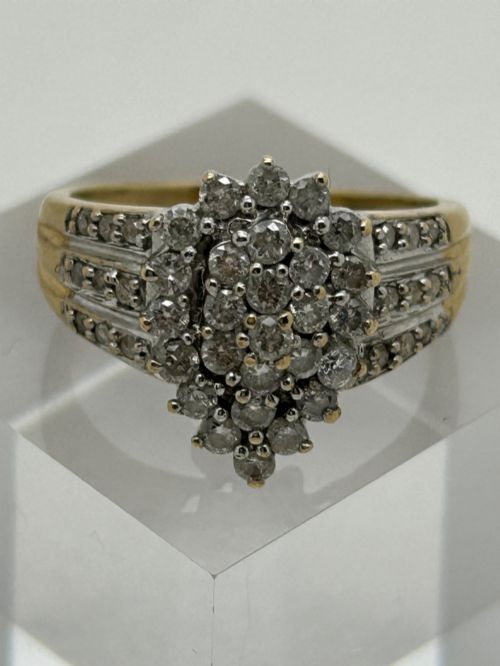
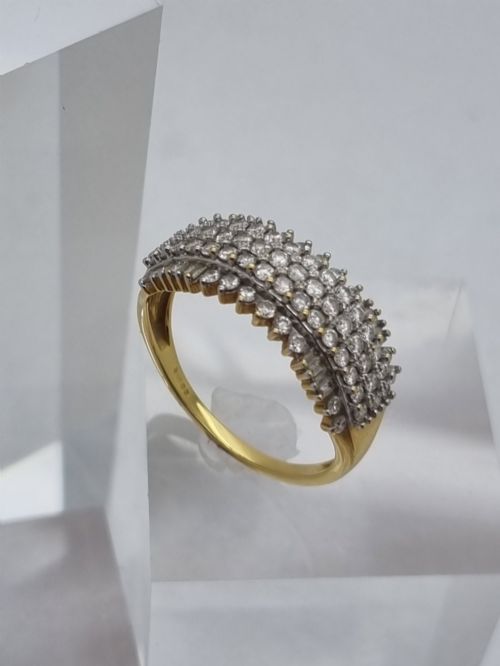
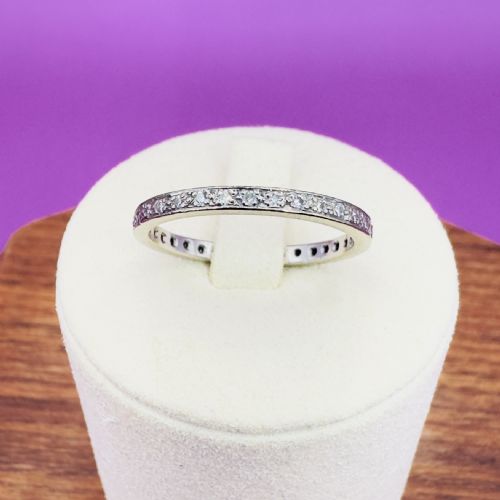
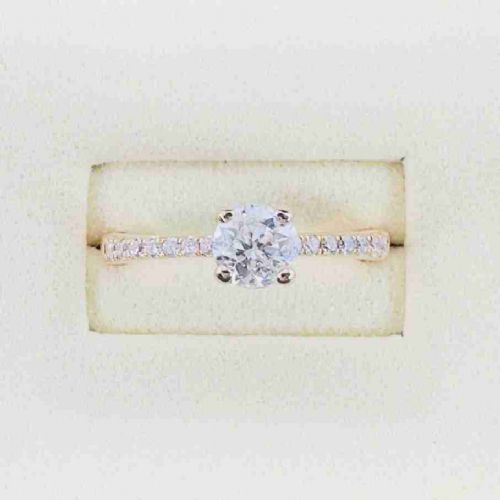
A pave diamond ring packs a dense field of small stones together so closely that the metal setting almost disappears beneath light.
Pave Diamond Ring
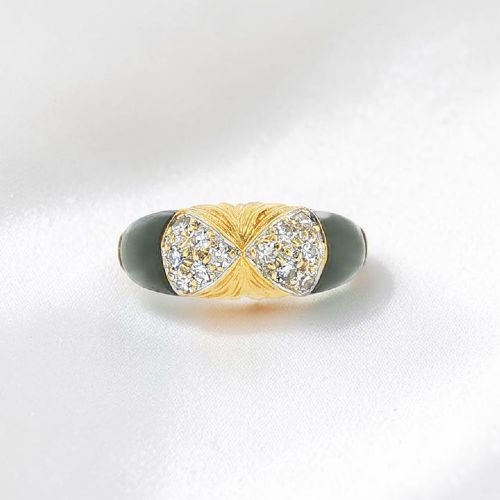
A pave diamond ring concentrates small stones across the band or face to build a continuous glittering surface. The pieces on this page span several decades, from Victorian and Edwardian examples to Art Deco and mid-century modern designs.
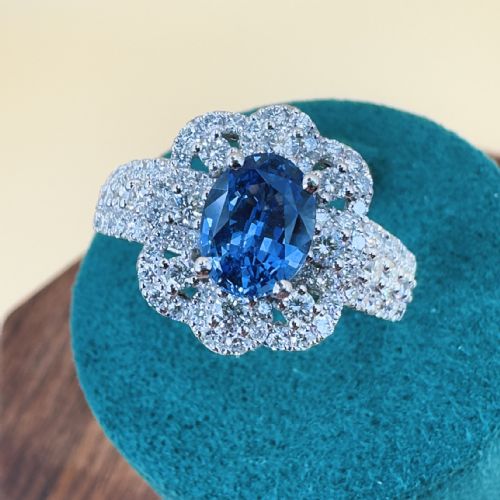
Buyers frequently encounter Edwardian and Art Deco platinum settings alongside mid-century yellow gold variations. These items range from delicate cluster formations to bold cocktail and tank styles carrying sapphires, emeralds, or rubies.
The aesthetic relies on the brilliance of multiple small gems working in unison rather than a single large stone. This grouping creates a texture that catches light from every possible angle during movement.
Construction and materials
Goldsmiths set stones into platinum or gold by raising tiny beads of metal from the surrounding surface to secure each diamond. This method requires steady hands and precise toolwork to ensure the gems remain firmly anchored within the tight layout.
Makers paired durable platinum with 18ct yellow and white gold to provide strong structural support for complex multi-stone faces. Coloured gemstones such as sapphires and emeralds frequently anchor the centre of these paved arrangements.
One leopard-themed ring proves that Victorian makers possessed a wonderfully fierce imagination.
Evaluating craftsmanship and condition
Quality rests upon the uniformity of the stone placement and the delicacy of the shared metal beads holding each gem. Superior work maintains an even distance between stones with minimal visible metal interrupting the pattern.
The integrity of the underlying metalwork dictates longevity, particularly in older pieces where thin claws or worn settings compromise the security of the stones. Skilled historical execution ensures that the paved field reads as a unified texture rather than a collection of separate points.
Kutchinsky·Le Vian
The Pave Diamond Ring Glossary
- Pave
- A setting style where numerous small gemstones are closely set together with tiny metal beads, creating a paved surface of stones. This technique maximises surface sparkle and minimises visible metal.
- Old cut
- A diamond facet style shaped by hand before modern geometric standards were adopted in the early twentieth century. These stones typically feature smaller tables and larger culets, producing a softer candlelight glow.
- Tank ring
- A bold, chunky jewellery style originating in France during the 1940s, characterised by heavy geometric volumes inspired by military machinery. They frequently combine yellow gold and platinum with dense diamond pavé.
- Cluster ring
- A design featuring a central prominent gemstone encircled by a tight border of smaller accent stones. This arrangement enhances the visual presence of the primary gem.
Pave Diamond Ring: Frequently Asked Questions
How do I clean a pave diamond ring?
Submerge the piece in warm water mixed with mild washing liquid, then use a very soft brush to clear away accumulated oils from beneath the stones. Avoid harsh ultrasonic cleaners if the piece incorporates softer coloured gemstones or antique settings.
Dry the metal thoroughly with a lint-free cloth to restore its original polish. Regular gentle maintenance protects the tiny metal beads that hold the stones in place.
Are old cut diamonds different from modern stones?
Older cutting methods prioritise depth and hand-shaped facets over strict mathematical symmetry. This historic approach yields a distinctive, calmer sparkle under low lighting conditions compared to brilliant modern cuts.
Pieces from the Edwardian and Art Deco periods rely entirely on these hand-shaped gems. Each stone possesses unique proportions shaped by the cutter's eye.
Can a pave ring be resized easily?
Resizing depends heavily on the extent of the stone coverage around the band. Full eternity designs cannot be altered without disrupting the continuous stone pattern, whereas half-eternity and cluster rings offer greater flexibility.
A skilled jeweller must evaluate the structural integrity of the shoulders before attempting any metal adjustment. Alterations require careful precision to avoid loosening adjacent stone settings.
What defines a French tank ring?
French tank rings emerged during the 1940s, drawing visual inspiration from military machinery with robust, stepped volumes. They combine substantial gold or platinum architecture with tightly paved diamond surfaces.
These substantial pieces showcase the bold design language of the mid-century period. Their heavy construction makes them exceptionally durable for daily wear.