



Patterned Low Chair
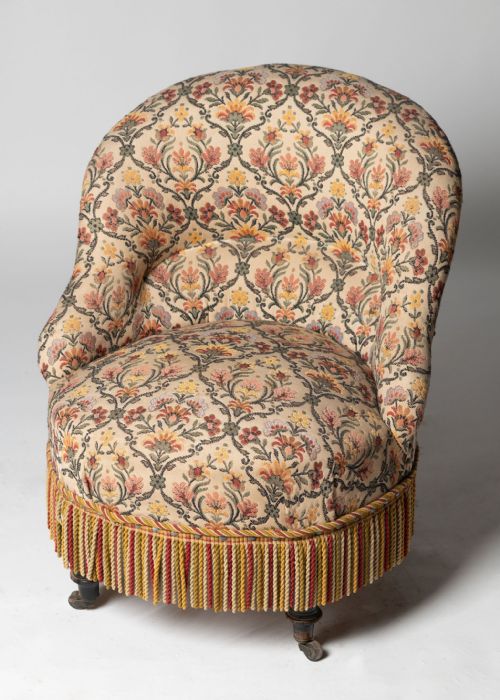
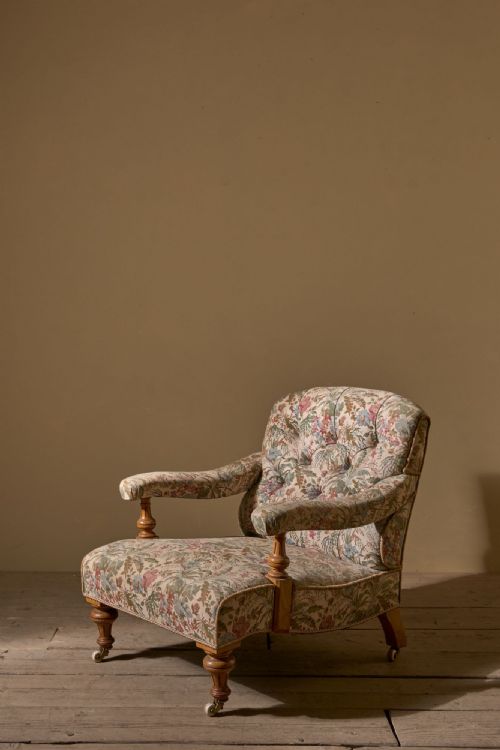
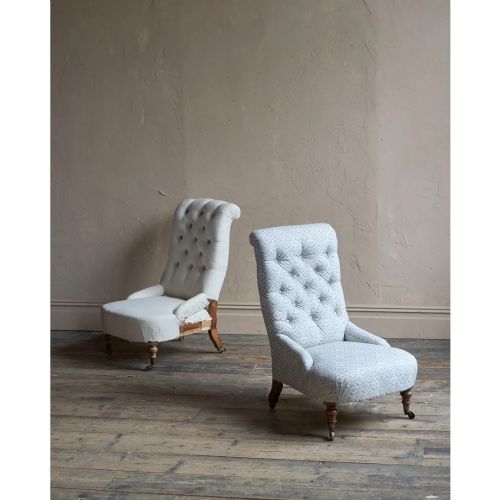
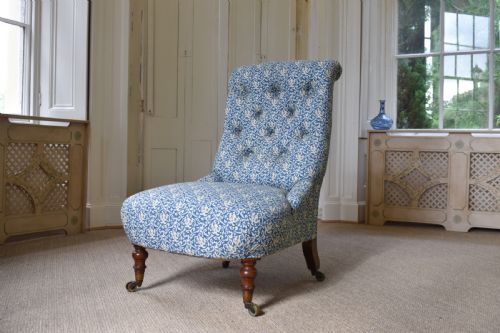
A patterned low chair offers compact, low-slung seating suited to bedrooms and parlours, bringing distinctive nineteenth-century and early twentieth-century textiles into a room.
Patterned Low Chair
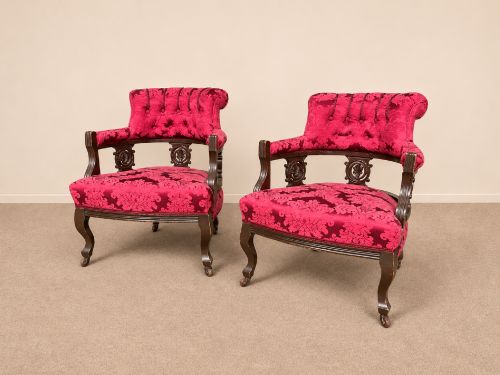
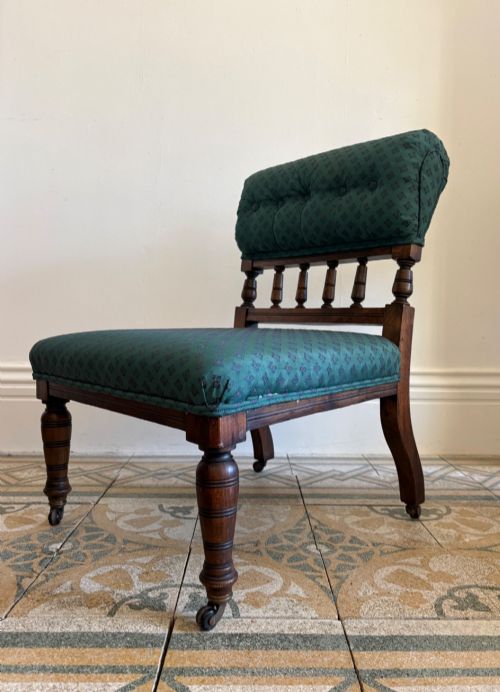
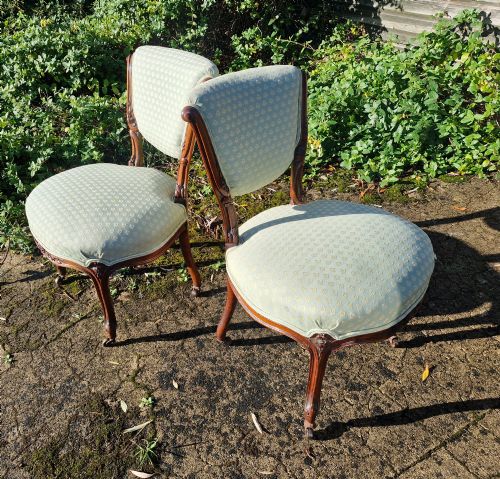
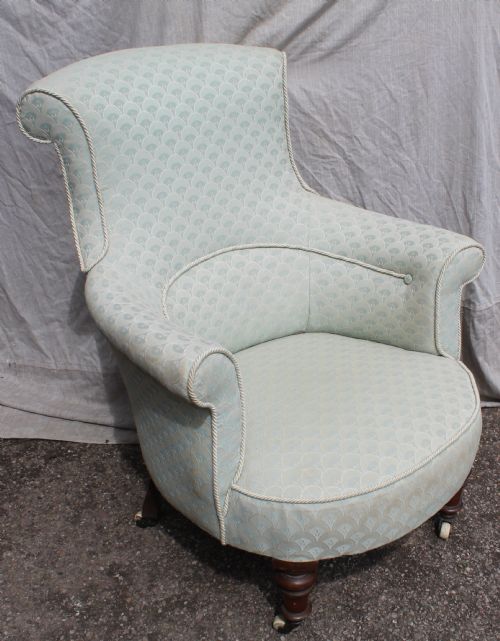
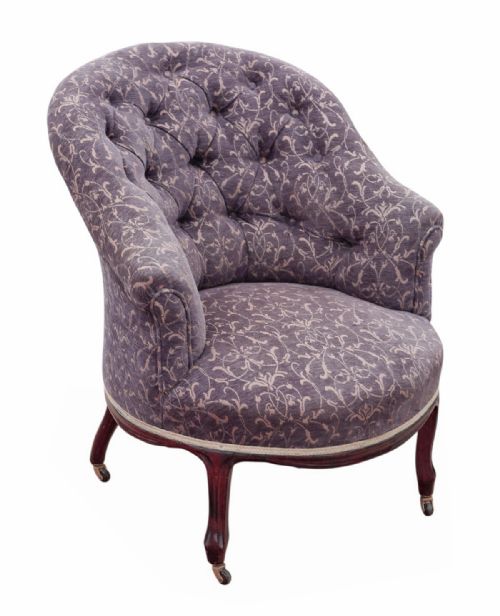
A patterned low chair encompasses compact forms such as slipper chairs, nursing chairs, bedroom chairs, and tub armchairs designed with low profiles. These pieces emerge predominantly across the nineteenth century, including Victorian, Edwardian, and Regency periods, utilising varied upholstered designs.
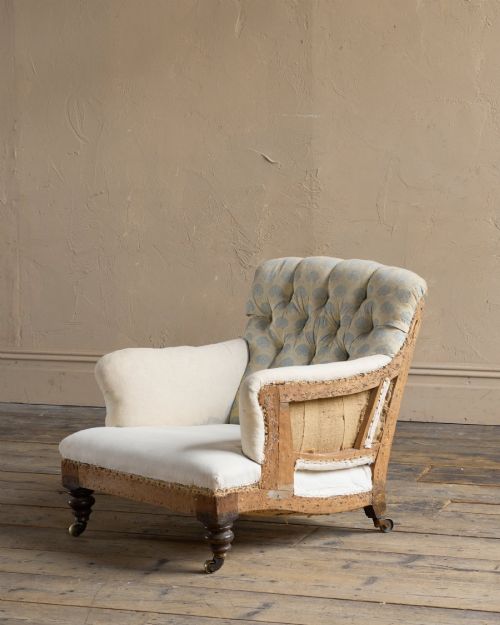
Styles range from Arts and Crafts and Aesthetic Movement interpretations to formal period models with gilt or ebonised legs. Many examples arrive ready for fresh upholstery or retain period cotton, velvet, and ticking coverings.
Materials and construction
Frames are constructed from solid hardwoods including walnut, mahogany, oak, and rosewood, sometimes accented with brass castors or gilt and ebonised finishes. Timber components provide the structural integrity required for low-slung, deep-seated armchair designs.
Upholstery relies on traditional techniques utilising durable fabrics such as cotton, ticking, and velvet. Button-backed padding and sprung seats create the characteristic comfortable support found in period bedroom and club chairs.
Patterned Low Chair Retail Price Guide 2026
Typical asking prices for patterned low chair among the pieces listed under this phrase on Sellingantiques today, from the lower quarter to the upper quarter. They describe what is for sale here now, not the wider market.
Listings feature timber frames in walnut, mahogany, oak, and rosewood, paired with fabrics ranging from heavy velvet to simple cotton ticking.
Assessing quality and craftsmanship
Quality reveals itself in the rigidity of the hardwood frame and the integrity of the joinery beneath the upholstery. Finer examples maintain robust internal framing without structural alterations.
The distinction between standard pieces and superior items often rests on maker attribution, such as stamped enterprise markings, and the sophistication of the carved or turned wooden legs.
Howard and Sons·Wheelers of Arncroach·J.Mills·Angerstein
The Patterned Low Chair Glossary
- Slipper chair
- A low-seated upholstered chair originally designed for bedrooms to allow ladies to dress comfortably. These chairs sit close to the floor and usually lack arms.
- Nursing chair
- A low-backed or backless upholstered seat designed for sitting close to a hearth or infant. They often feature sprung padding and decorative wooden frames.
- Tub armchair
- A fully upholstered chair where the back and arms form a single continuous curved enclosure. The design provides enclosed comfort.
- Ticking
- A tightly woven cotton or linen fabric traditionally used as a durable covering for mattresses and upholstered furniture. It appears frequently on country house seating.
- Prie Dieu chair
- A devotional chair featuring a low seat and a tall, narrow back often fitted with a shelf for kneeling. These pieces date predominantly to the nineteenth century.
Patterned Low Chair: Frequently Asked Questions
Where do I put a low chair?
These compact seats fit naturally into bedrooms, dressing rooms, and smaller reception spaces where standard armchairs overwhelm the floor plan.
Their low stature makes them useful as accent seating beside a fireplace or beneath a window.
Are these chairs comfortable for daily use?
Many nineteenth-century low chairs were built with deep seats and sprung interiors designed for sustained lounging in bedrooms or libraries.
Comfort levels depend on the condition of the internal padding and webbing, which can be restored by a professional.
How do I identify a Victorian low chair?
Victorian examples typically exhibit button-backed upholstery, turned walnut or mahogany legs, and low profiles suited for intimate parlor use.
They often reflect stylistic influences from the Aesthetic Movement or French Napoleon III design.
Can I reupholster a period low chair?
Many antique chairs are acquired specifically for re-covering, allowing owners to apply new fabric while preserving the underlying wooden frame.
Traditional materials like ticking, cotton, and velvet help maintain the historical character of the piece.